
The path to achieving decades of safe, reliable, and optimized operation runs directly through the control room.
Today’s nuclear operators are navigating a complex storm of aging legacy Instrumentation & Control (I&C) systems, shifting workforce demographics, escalating cybersecurity requirements, and increasingly dynamic grid demands. To succeed in this environment, leading utilities are moving away from reactive, piecemeal “like-for-like” hardware swaps and embracing comprehensive, programmatic digital transformations.
Join industry experts from Emerson and Westinghouse for an in-depth discussion on how modern automation and advanced digital I&C architectures are fundamentally reshaping the future of nuclear power. This webinar will provide a practical blueprint for utilities looking to safeguard their assets, optimize thermal efficiency, and build a resilient infrastructure for the next 40 years and beyond.
Key Discussion Themes & Takeaways
• Program vs. Project: Discover why top operators are abandoning isolated, outage-driven component replacements in favor of an enterprise-wide, programmatic approach to modernization that scales predictably and controls long-term costs.
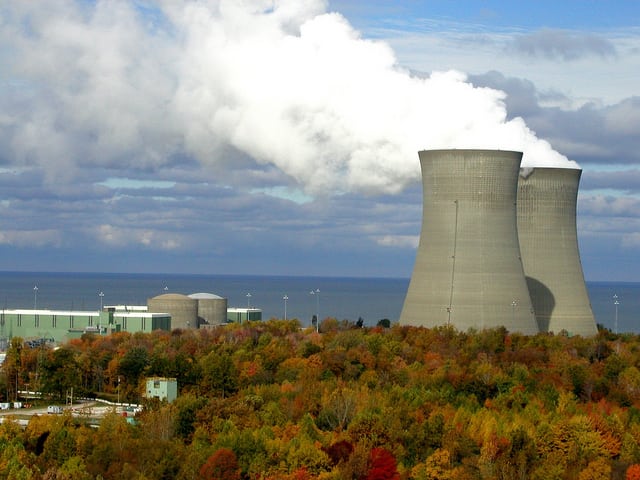
• Operational Excellence & Longevity: Learn how modern digital architectures help mitigate obsolescence, secure critical operations against modern cyber threats, and maximize plant performance under extended operating licenses.
• Navigating Life Extensions & Power Uprates: Explore how advanced automation and modern I&C manage the tighter control tolerances and increased thermal margins required to safely execute power uprates and extend reactor life to 80+ years.
• Cross-Fleet Synergies: Uncover how you can capture immense value by standardizing on a consistent, reliable automation platform and I&C strategy across your nuclear fleet and expanded portfolio including thermal, renewable, storage and microgrid assets.
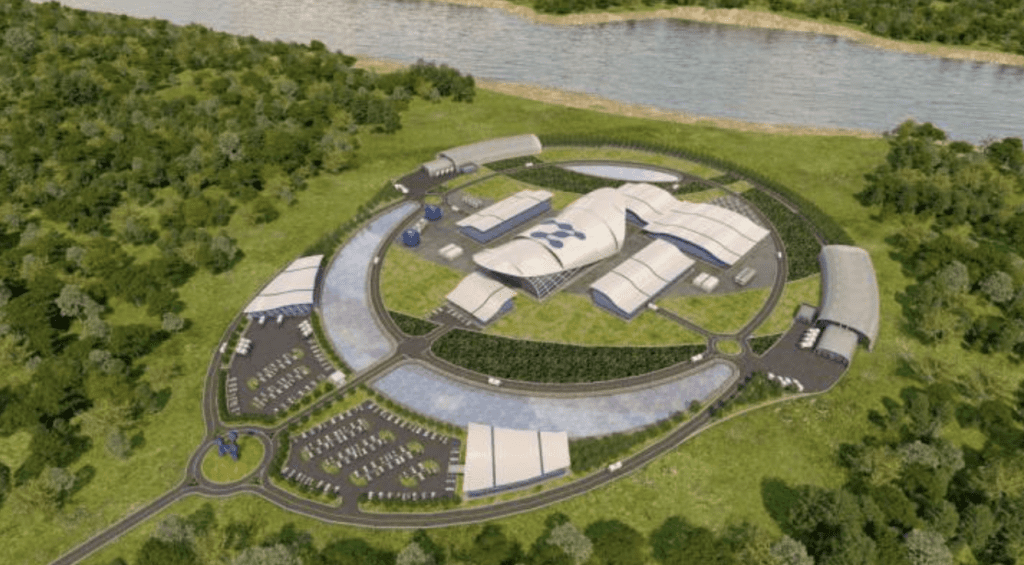
• The Bridge to Next-Gen Nuclear: Understand how the data frameworks and automation and I&C modernizations implemented on today’s operating fleets create a digital bridge to next-generation nuclear power.