
Officials in the UK have published a planning document that calls for housing developers to install solar panels and heat pumps in all new homes in England starting in 2028. The government on March 24 also said plug-in solar panels that homeowners can self-install on balconies would be widely available in the coming months.
The so-called “DIY” solar kits are in use in many parts of the world, including the U.S. and Europe—more than 1.5-million homes in Germany have them—but have not been sold in the UK due to safety regulations. Tuesday’s move comes as UK officials say that the current Iran war has shown that access to clean energy is “essential.”
“The Iran war has once again shown our drive for clean power is essential for our energy security so we can escape the grip of fossil fuel markets we don’t control,” said Energy Secretary Ed Miliband.
Energy companies welcomed the move by the government, though housing developers have said they are concerned about how the requirements will impact their business. Several UK officials have for the past decade tried to develop a Future Homes Standard, supporting design changes to make homes more energy efficient.
New Rules Start in 2028
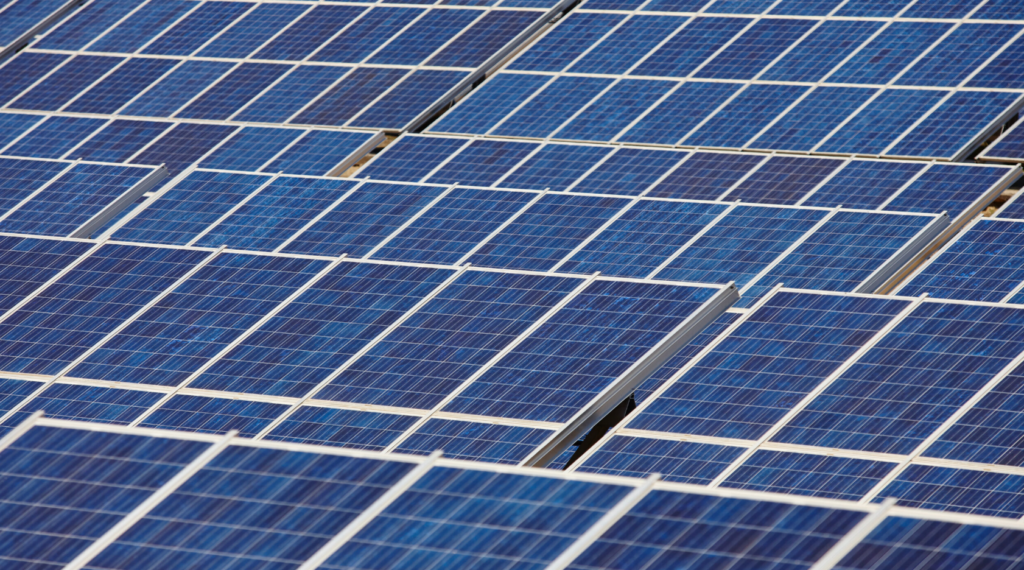
The guidance published Tuesday means that beginning in 2028, no new-built homes will be hooked up to a natural gas network, but instead must use electric heat or install a heat pump. New construction also will require rooftop solar that covers an area equivalent to 40% of the ground floor space of the home.
“It’s going to give clarity to the UK market, installers, builders, manufacturers, that there’s a significant market that’s there,” said Garry Felgate, CEO of MCS Foundation, which certifies installers of low-carbon heating systems. The changes in building requirements are estimated to add an additional £10,000 (about $13,400) onto the cost of the home for developers. Officials stressed, though, that over the long term the use of solar and heat pumps will likely reduce residential energy bills.
Adding energy storage to the mix, which analysts told POWER also would help cut energy costs, is not part of the government’s current strategy.
Hannah McCarthy, head of partnerships for new homes at Octopus Energy, told the BBC: “Decarbonizing the new housing stock is a fantastic step—batteries would take that a step further.”
‘Renewed Focus … on Green Technologies’
Sachin Vihbute, HVAC and Heat Pumps Technical Consultant and Product Training Manager at LG, in an email to POWER wrote: “Clean energy just moved into the fast lane. The pledge to install heat pumps in new homes alongside plug-in solar signals a renewed focus that could mark a real turning point for homeowner adoption of green technologies. Decarbonizing new homes is a logical step in the ambition to be more energy independent. However, we must not lose sight of the millions of people living in older housing stock.”
Vihbute said, “Retrofitting these properties with renewable technologies is often more complex and requires specialist skills—yet policy remains light on the training and infrastructure needed to scale this effectively. Manufacturers are already playing a critical role in supporting this transition, investing in innovation and helping to build a skilled workforce ready to meet growing demand. To fully unlock the potential of these significant policies, continued focus on training, skills and installer capacity will be essential.”
The Home Builders Federation (HBF) in a statement said the additional cost for developers is “not welcome at any time,” but also noted homebuilders knew the requirements were coming. Officials with HBF said they are concerned about the size of the solar panels mandated for homes, noting it would likely be difficult to hit the 40% standard.
Officials said the UK government has a target to build 1.5-million new homes by 2029. Steve Reed, the UK housing secretary, in December of last year said there will need to be a surge in new construction as the rate of new-builds has dropped.
Officials also noted that in Scotland, gas- and oil-based heating in new-build homes was banned two years ago. Housebuilders are now required to install what the government classifies as “climate-friendly” heating systems. Such systems can include heat pumps, connection to district heating, or wood-burning units.
UK officials said the government is working with retailers such as Lidl and Amazon, and manufacturers including EcoFlow, to support adoption of the DIY, or plug-in, solar panels.
Reed, the housing secretary, said, “Building 1.5-million new homes also means building high-quality homes that are cheaper to run and warmer to live in. As we make the switch to clean, homegrown energy, today’s standard is what the future of housing can and should look like. Not only will these changes protect hardworking families from shocks abroad but will also slash hundreds of pounds off their energy bills every year.”
—Darrell Proctor is a senior editor for POWER.