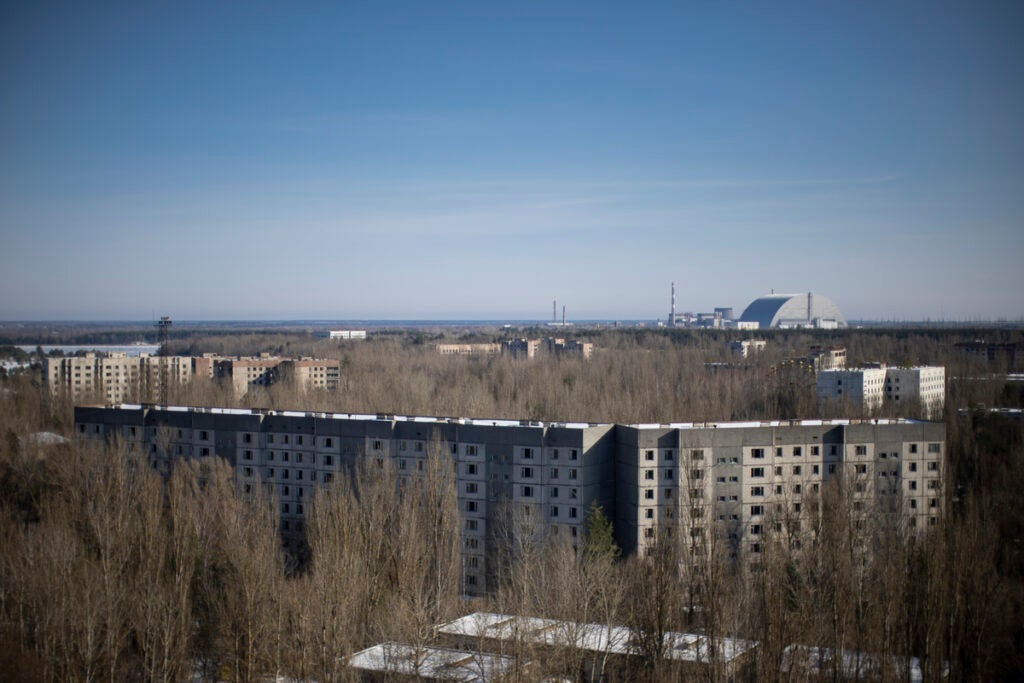

Imagine a city going dark, not from a hurricane or a cyberattack, but because there weren’t enough skilled workers to restore power after a routine failure. While utilities scramble to fill critical roles, hyperscale data centers are hiring the same talent at premium salaries. The grid’s biggest vulnerability isn’t hardware; it’s a talent war that utilities are losing.
COMMENTARY
The Skills Gap That Could Break the Grid
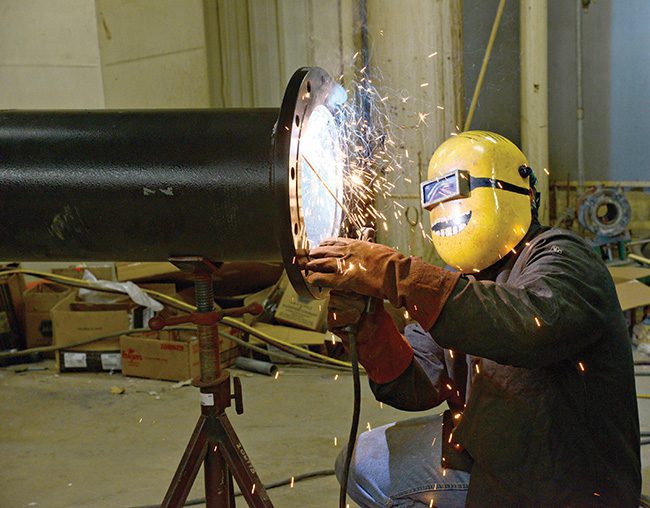
For decades, success was often seen as earning a four-year degree and landing a desk job. And that was what industry needed. Today, that equation has changed. AI is automating office work, while robotics still lags in heavy industry, making hands-on technical skills more valuable than ever. That doesn’t mean we need fewer university graduates, we need more engineers than ever. To attract more talent, we need to elevate skilled, site-based work to the same level of prestige as traditional desk jobs. The future grid depends on it.
The New Power Players: Data Centers
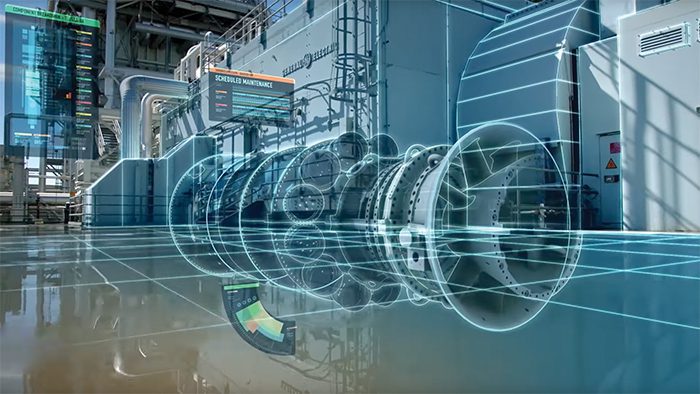
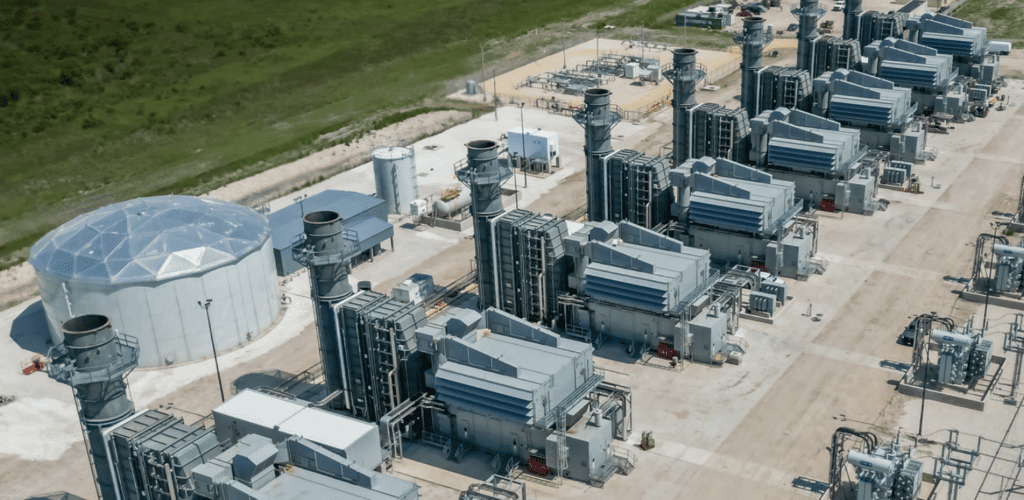
Cloud providers like Amazon, Google, and Microsoft are building hyperscale facilities that demand more electricity than ever, and mission-critical engineering expertise. These are the same skills utilities depend on. But here’s the difference: utilities often work with aging infrastructure, while data centers typically deploy state-of-the-art systems. For many engineers, that means these roles offer not just higher pay and perks, but the chance to work on cutting-edge technology, pulling expertise away from utilities.
At the same time, electricity demand is surging across industries: semiconductor manufacturing, electric vehicles and electrified buildings. If utilities can’t secure enough skilled workers to keep pace, data centers won’t just hire away talent, they’ll start building their own generation capacity, draining even more expertise from the grid ecosystem.
When People Become the Weak Link in the Grid
Workforce shortages don’t just slow routine maintenance, they delay outage restoration and raise the risk of cascading failures, just like a storm or cyberattack. But this challenge goes far beyond keeping the lights on. It’s also about building the backbone of our energy system: new generation facilities, transmission lines, and distribution networks.
Engineering sits at the center of the energy transition, and AI is beginning to reshape parts of the field, particularly in design and data-driven roles where automation and machine learning boost productivity. These trends, highlighted in Hays’ U.S. 2026 Salary & Hiring Guide, point to a future where technical expertise and digital fluency go hand in hand.
Every power plant, substation, and high-voltage line depends on skilled engineers and technicians. Without them, outages last longer, and critical infrastructure projects stall. The grid’s strength and vulnerability rest on people. Every stage of reliability, design, construction, and maintenance depends on human expertise. When that expertise is scarce, the entire system becomes fragile. For now, technology can assist, but it can’t yet replace the engineers and technicians who build and keep the grid running.
Retirement is the Hidden Accelerator
Nearly half of today’s utility workforce is approaching retirement, an issue that’s about to speed up. The real risk isn’t just losing headcount; it’s losing decades of institutional knowledge at the exact moment demand for expertise is skyrocketing. Add tech giants offering premium salaries for the same talent, and the pipeline doesn’t just shrink, it collapses. Without aggressive action, the grid’s most experienced hands will vanish faster than anyone expects.
What Needs to Change
Workforce planning must be treated as strategically as building new infrastructure. Utilities need bold action, such as:
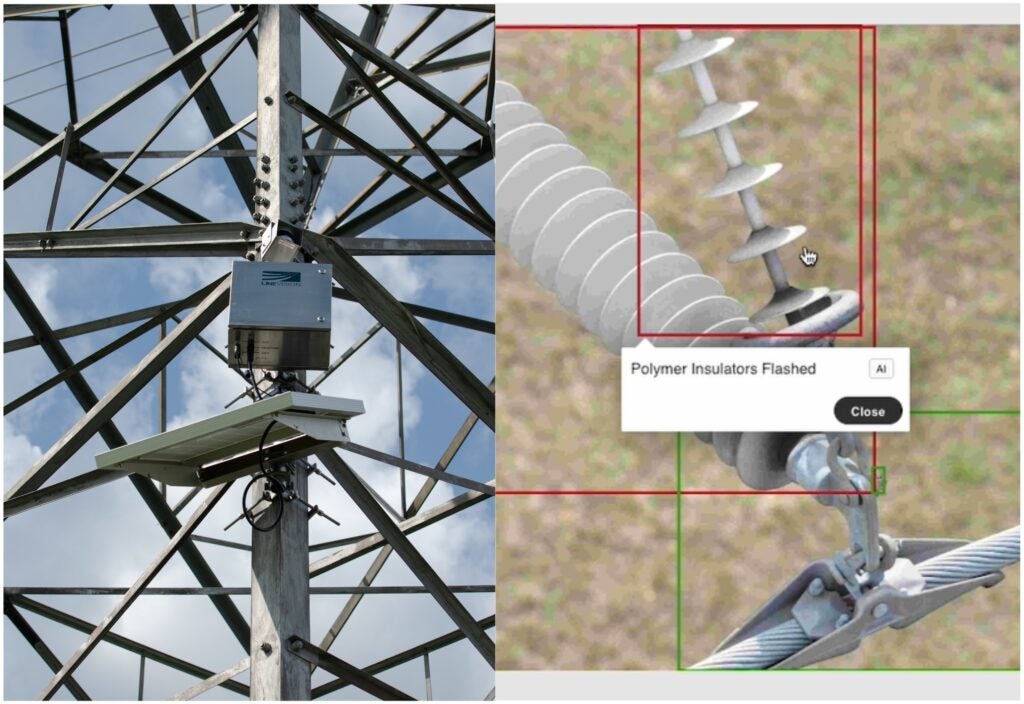
- Rebrand skilled trades as tech-enabled careers, roles that use smart grids, drones, and AR-assisted repairs. Launch campaigns that elevate industry prestige, similar to how tech companies made coding aspirational, by highlighting purpose and impact.
- Offer tangible incentives like paid apprenticeships, loan forgiveness for engineering and related associate degrees, and long-term job security.
- Invest in aggressive recruiting and reskilling programs.
- Start education reform early, well before college. Give students hands-on experience with electrical work and machinery in middle and high school. Teach practical skills to show trades as innovative, tech-driven careers. Without this shift, the gap between classroom learning and real-world needs will keep growing.
The U.S. 2026 Hays Salary & Hiring Trends Guide also shows that some 42% of organizations are investing in upskilling their current workforce to prepare for what’s ahead, rather than hiring new talent. Skills like data literacy, automation fluency, and prompt engineering are becoming essential across functions.
Mentorship and development are also key, as firms invest in mentoring junior staff and retooling talent internally. Engineering isn’t just a job, it’s a launchpad for innovation, impact, and shaping the future of energy.
Action is Needed
If utilities don’t act now, the next blackout won’t come from a storm, it will come from a talent war. The future of the grid depends on winning it.
—Jon Omaha is a senior director at Hays Americas, where he leads the Engineering and Decarbonization recruitment divisions across the U.S., as well as the Civil Construction business in New York. He can be reached at jon.omaha@hays.com.