Renewable energy must overcome significant challenges, and if it succeeds, it can achieve the potential that many envision. Renewable energy must be ever-economical and ever-competitive. Otherwise, it will continue to lag. Ideology never got a megawatt-hour (MWh) to market; economic competitiveness did.
COMMENTARY
To set the stage, we know that generation using fossil fuels is less capital intensive (per MW of capacity and per MWh of energy), enough so that non-renewable energy can afford to purchase and consume fossil fuels and still generate profits for its owners. Fossil generators make money. That is why people build them. Like it or not, fossil fuel generation is economically competitive and generally requires less capital per MW of capacity and per MWh of energy than renewables. That is the big economic hurdle that renewable energy needs to clear if it is to grow substantially. It has in a number of venues, and it can into the future.
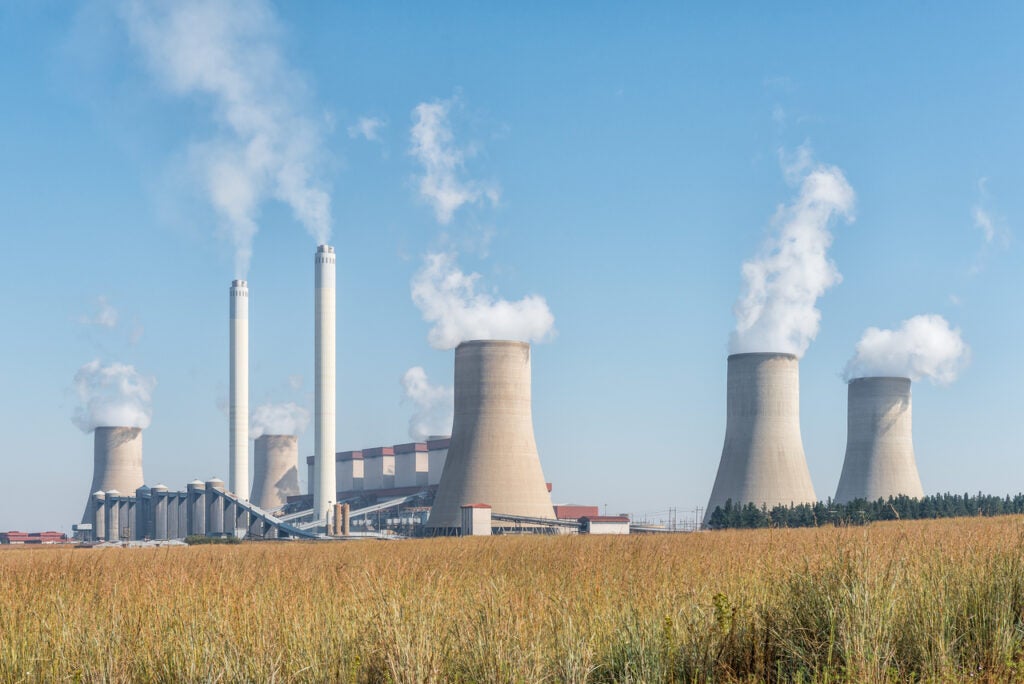
The way renewables generators approach the problem is potentially a productive one. Historically, the energy system has been a combustion-driven system. You get a hydrocarbon (or coal, an almost pure carbon) out of the crust of the earth, refine it, and burn it in oxygen, creating heat that is turned into electricity or kinetic energy (in cars, trucks, planes, and power plants). They can run 98% of the time, and some can be black started to follow load. They are constant, not intermittent. The carbon and hydrogen in the initial fuel go into the atmosphere as CO2 and water vapor. CO2 is what we strive to avoid. One hundred-plus years of research and operation have brought these techniques to a fairly advanced state. And now we are looking for a sea change.
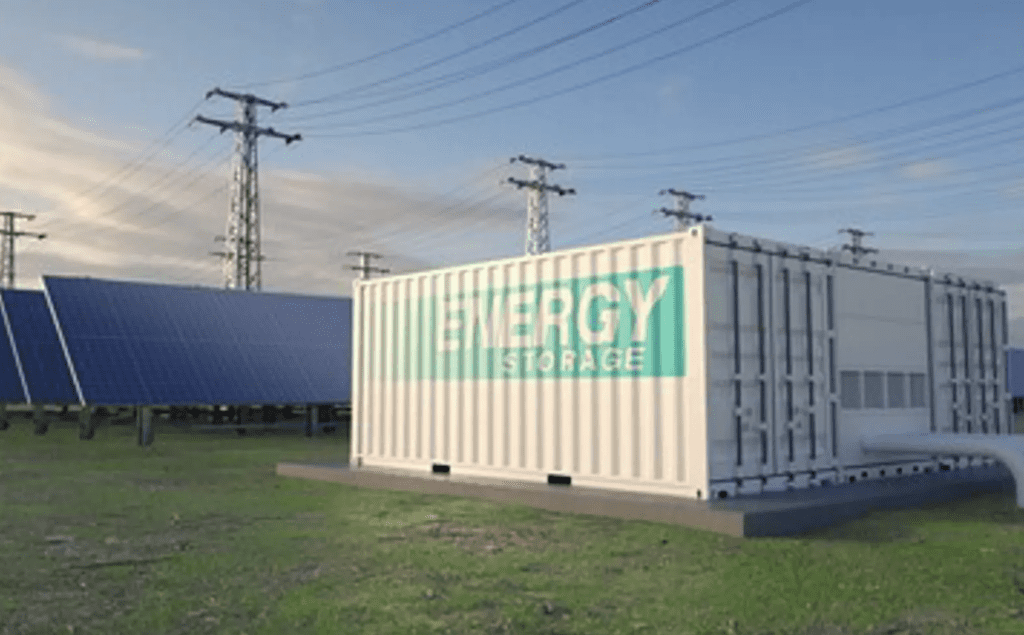
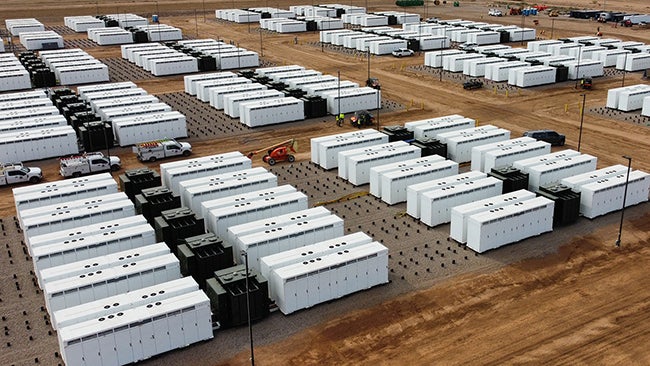
The way to understand the sea change potential of renewables is that we are trying to move from a “combustion economy” to a “solid-state economy.” A solid-state economy is one in which we don’t “burn stuff” in the atmosphere but rather rely on advanced electrical and solid-state and material science methodologies, most of which are not yet with us, economically speaking. Electric cars or large wind turbines with heat-resistant magnets, or uUltra-high-capacity batteries that exploit new chemistry and materials science. Transportation power sources that do not release CO2 from mobile platforms but rather eject zero combustion products. Fuel cells that do not cost an arm and a leg.
If we do “burn stuff,” we want to do so in things like fuel cells that do not let the products of combustion enter into the atmosphere at all and can use just about any combustible. We need advanced technologies that can exploit nuclear and atomic structures, like fission or maybe even fusion power. (Incredibly, and laudably, Lawrence Livermore National Lab achieved “ignition” in its laser fusion developments in the past year or two. Breeder reactors are a well-known, but controversial, technology. These are the epitome of materials science problems that need to be made to work economically and accepted publicly. Reactors are with us today; the economics and regulations are not.)
The solution for renewable energy is not ideology or regulation. It is technology. It is economics. It is pricing. It is capital. It is getting the critical materials out of the ground to build renewable generation and associated control and delivery technologies. The largest challenge we face as an industry is getting the capital to deploy to develop and implement advanced technologies. In part, we have a “mining problem”: getting the advanced materials that are needed to affect the materials science solution rather than the combustion solution. The combustion economy required us to drill for trapped hydrocarbons. The solid-state economy requires us to mine for concentrated critical materials (called “ores”), often in difficult places around the world.
The author has developed a number of power plants in North America and has modeled the electrical system to know their profitability. Investors must know that their renewables plants will be profitable or they will not invest in them.
— Dale M. Nesbitt is president of ArrowHead Economics. He can be reached at dale.nesbitt@arrowheadeconomics.com.