The rapid expansion of artificial intelligence is changing the demands placed on data centre cooling. Computing capacity is increasing, while high-performance processors are undertaking increasingly intensive workloads. The result is a greater quantity of heat that needs to be removed quickly, reliably and efficiently.
AI workloads can also change rapidly. Sudden changes in computing demand can create equally sudden changes in thermal demand, requiring cooling infrastructure to respond within seconds. At the same time, providing more cooling than necessary consumes additional energy.
As processors become more powerful and rack densities increase, traditional air cooling can struggle to efficiently dissipate heat from high-performance GPUs and other accelerators. This is contributing to a shift towards liquid cooling, which brings the cooling medium closer to the components generating heat.
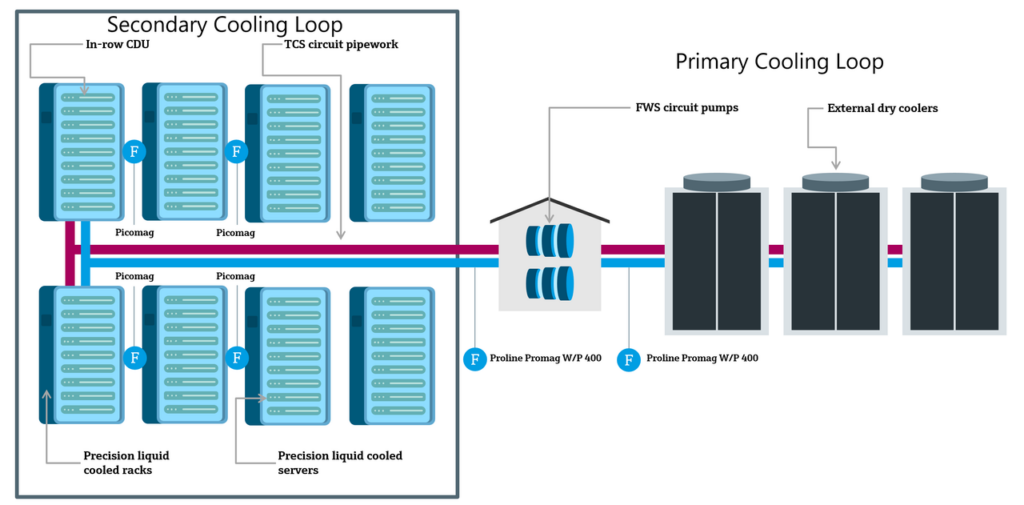
These systems distribute coolant through networks of pipes, valves, actuators and coolant distribution units (CDUs). Cooling must be distributed accurately across multiple circuits, with flow rates and pressures adjusted to match changing thermal loads.
Different Systems, Different Requirements
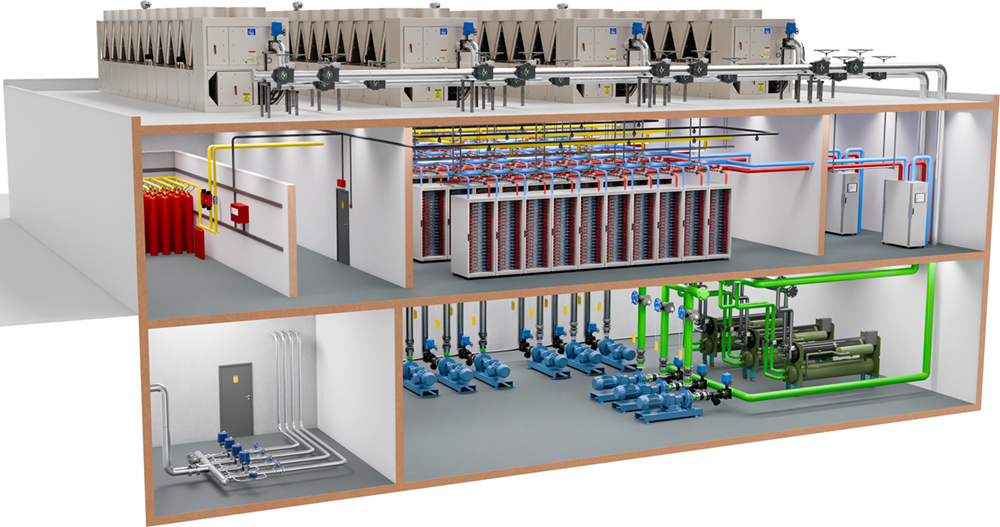
Flow control requirements vary considerably depending on where equipment is installed within the data centre.
Within the Facility Water System (FWS), which encompasses larger infrastructure associated with chillers, main pipework and heat rejection, reliability and straightforward installation and operation are central priorities. Depending on the application, solutions can range from manual gearboxes and chain wheels to electric actuators.
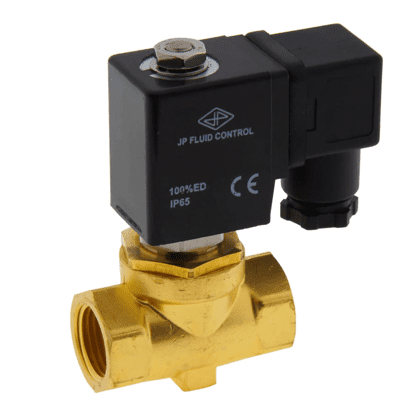
Closer to the servers, the Technology Cooling System (TCS) presents different requirements. Compact dimensions, precise modulation, rapid response and durability become particularly important. Ball valves are widely used in cooling circuits for on/off isolation and, in suitable configurations, for flow control. Butterfly valves can also provide isolation in appropriate applications.
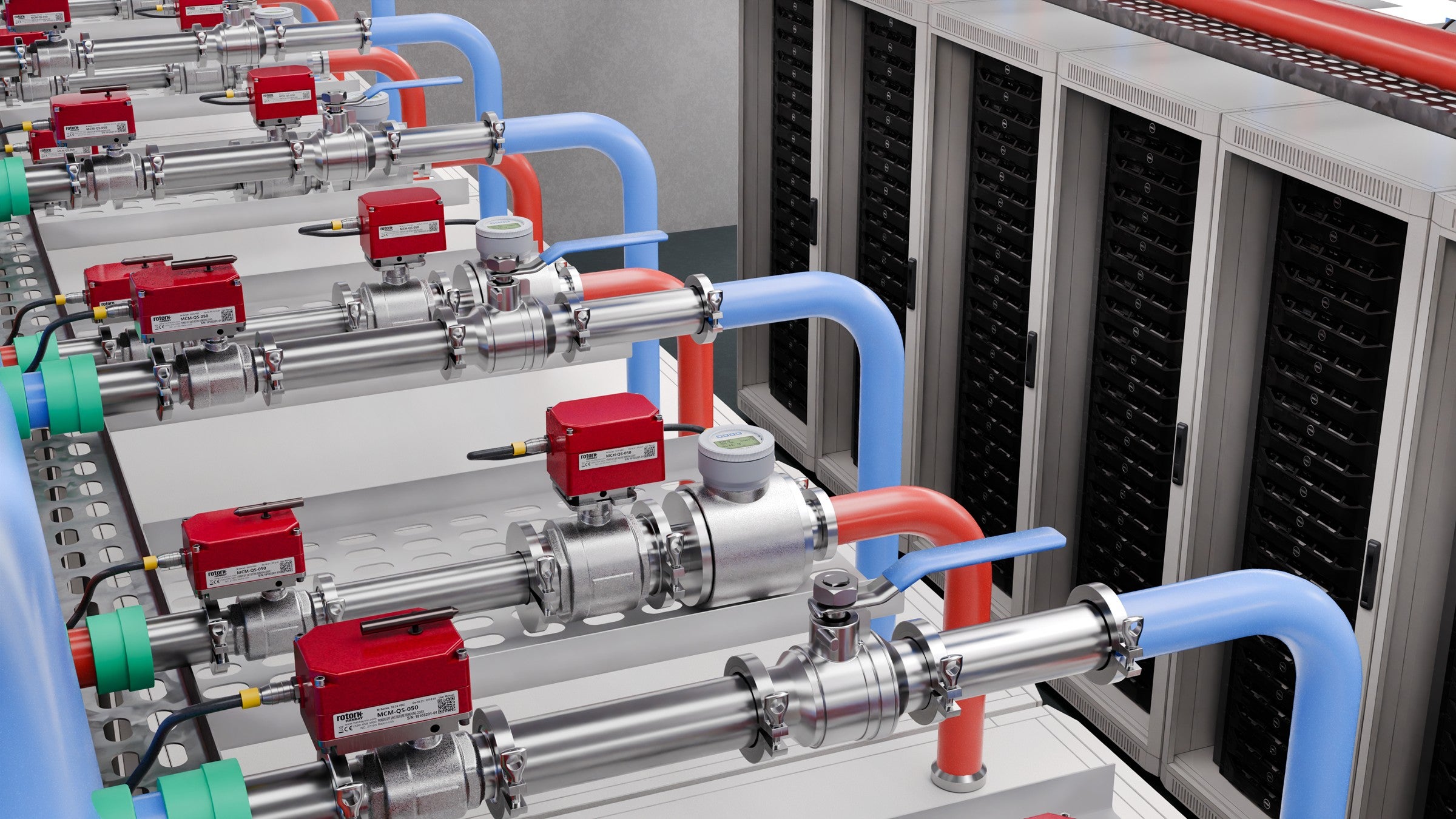
Modulating arrangements allow valve positions to be adjusted as cooling requirements change. If a leak occurs, an isolation valve can shut off an affected line while allowing other parts of the cooling network to continue operating, provided the system is designed to support this.

Responding to Changing Cooling Loads
The speed at which computing demand can change has implications for how cooling systems are controlled. If thermal demand rises more quickly than coolant flow can respond, additional cooling capacity may need to be maintained as a buffer.
One approach is to circulate more coolant than is immediately required, providing capacity if demand suddenly increases. However, this requires additional pumping energy.
Actuation speed can therefore become an important consideration in liquid-cooling applications. Faster valve movement allows coolant delivery to adjust more closely to changing cooling requirements, reducing reliance on excess flow.
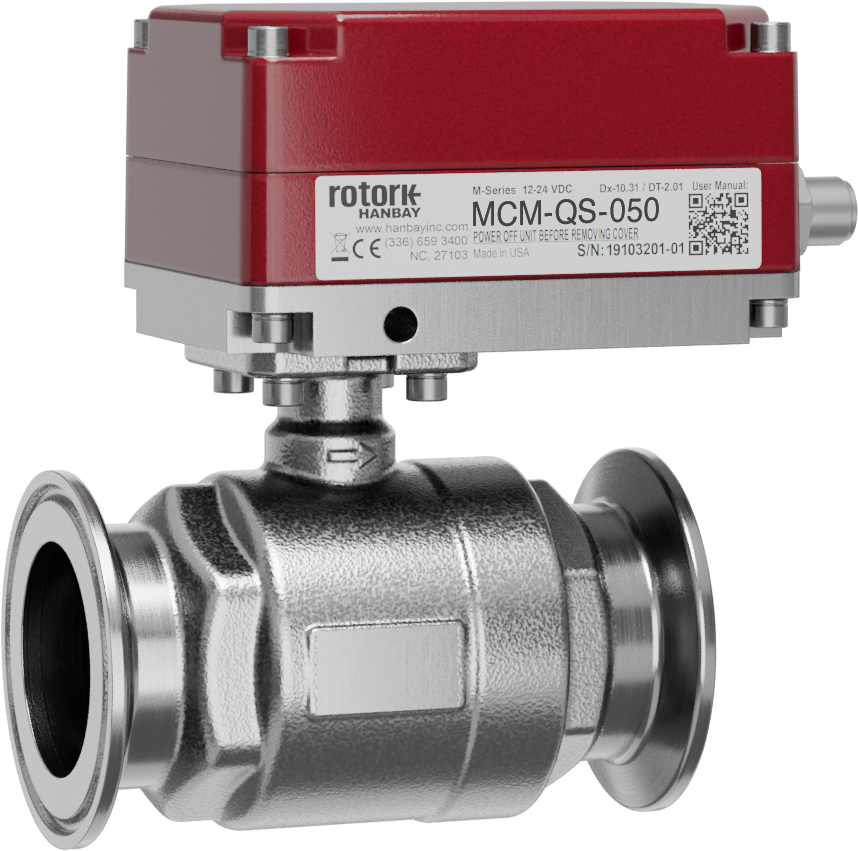
Rotork’s Hanbay M range, for example, can operate a ball valve in approximately one to three seconds, depending on the valve size. Where valves are required to adjust frequently, durability is another consideration. The Hanbay range has been tested for more than 250,000 full cycles.
Pressure loss also needs to be considered across the cooling circuit. Longer pipe runs, valves, and additional connections contribute to hydraulic resistance, requiring pumps to work harder to maintain the required flow. Equipment selection, therefore, needs to balance the required level of control with the system’s hydraulic performance.
Greater Visibility of Cooling Performance
The effectiveness of flow control also depends on how equipment works with the wider cooling control architecture.
At facility level, a Building Management System (BMS) can oversee cooling infrastructure and other building services. Within CDUs and secondary cooling loops, local controllers and programmable logic controllers (PLCs) can manage equipment in response to changing conditions.
Information gathered from flow control equipment can add another layer of visibility. Valve travel times, actuator power consumption, cycle counts, positioning accuracy and differential pressure can provide information about how equipment and the wider hydraulic system are performing.
Changes in these measurements may indicate the need for further investigation. When combined with temperature information from the cooling circuit, the data can help operators distinguish between changes associated with mechanical equipment and those resulting from thermal conditions elsewhere in the system.
This information can also support condition-based maintenance, enabling operators to identify emerging issues rather than relying exclusively on fixed maintenance intervals.
Considering Cooling Efficiency
Energy used by the cooling infrastructure is part of a data centre’s wider energy requirements. Unnecessary pumping, pressure losses, and excess coolant flow can therefore increase the electrical energy required to maintain suitable operating temperatures.
This is also relevant to Power Usage Effectiveness (PUE). Unnecessary cooling within the Technology Cooling System can increase demand on the primary cooling system, potentially affecting overall data centre PUE.
Matching coolant delivery more closely to thermal demand can help reduce unnecessary pumping. Reducing avoidable restrictions within the cooling circuit can similarly limit the additional work required from pumps to maintain flow.
Closed-loop cooling designs can also recirculate coolant, reducing the need for continuous water replacement compared with systems that consume and discharge water.
As AI workloads continue to develop, cooling requirements are expected to vary further across different parts of data centre infrastructure. Closer to computing equipment, compact dimensions, precise control and rapid response will remain important. At the facility level, larger AI clusters will require greater overall cooling capacity and place additional demands on distribution networks.
The challenge is therefore not simply to increase cooling capacity. Cooling infrastructure needs to respond effectively to changing demand while using energy and resources efficiently. As computing hardware becomes more powerful, responsive, reliable and accurately controlled coolant flow will be an increasingly important part of meeting that challenge.
To learn more, visit Rotork’s data centre solutions page.