From a 10-turbine new-build project in North Texas to an upgrade in Singapore that raised both efficiency and output, gas power’s task is to add capacity quickly while getting more out of the plants already running.
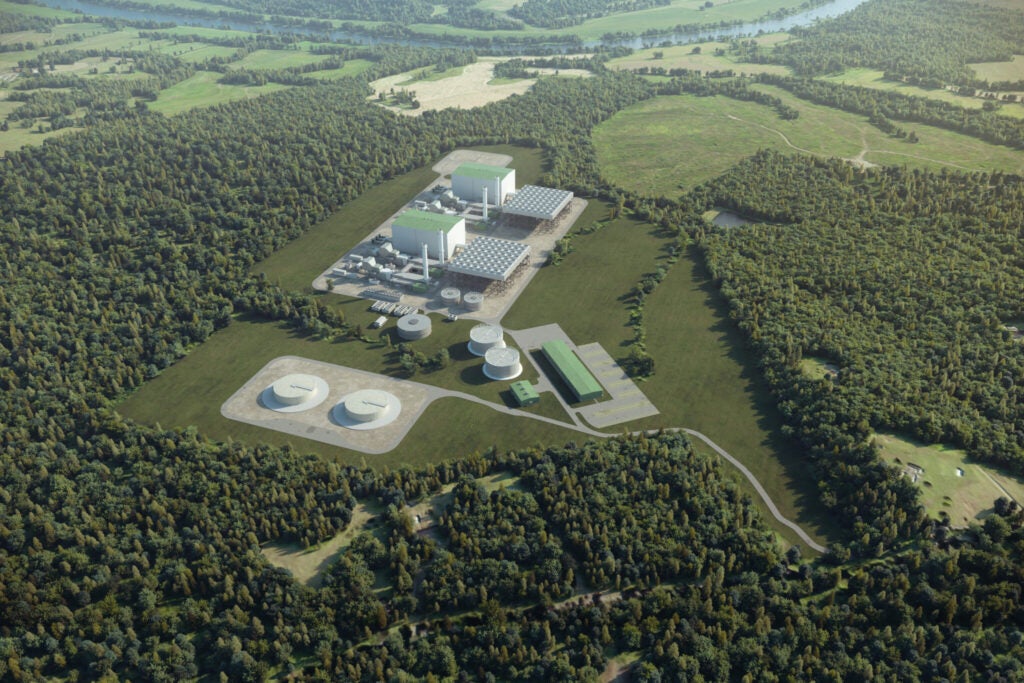
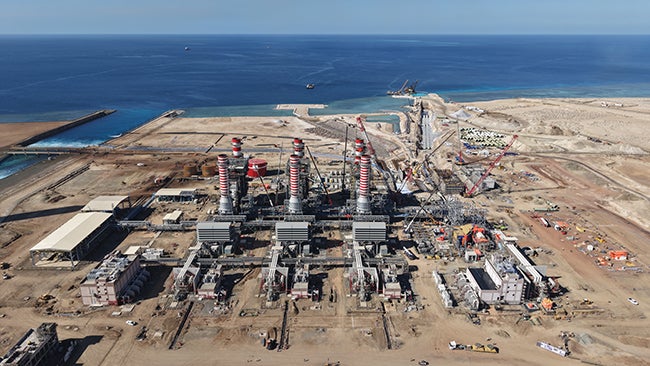
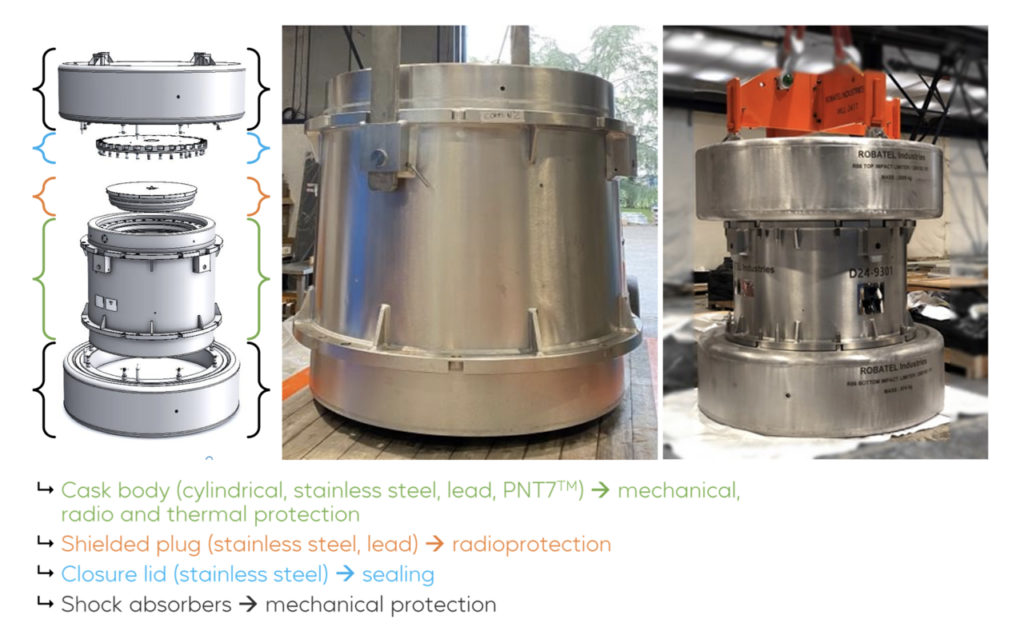
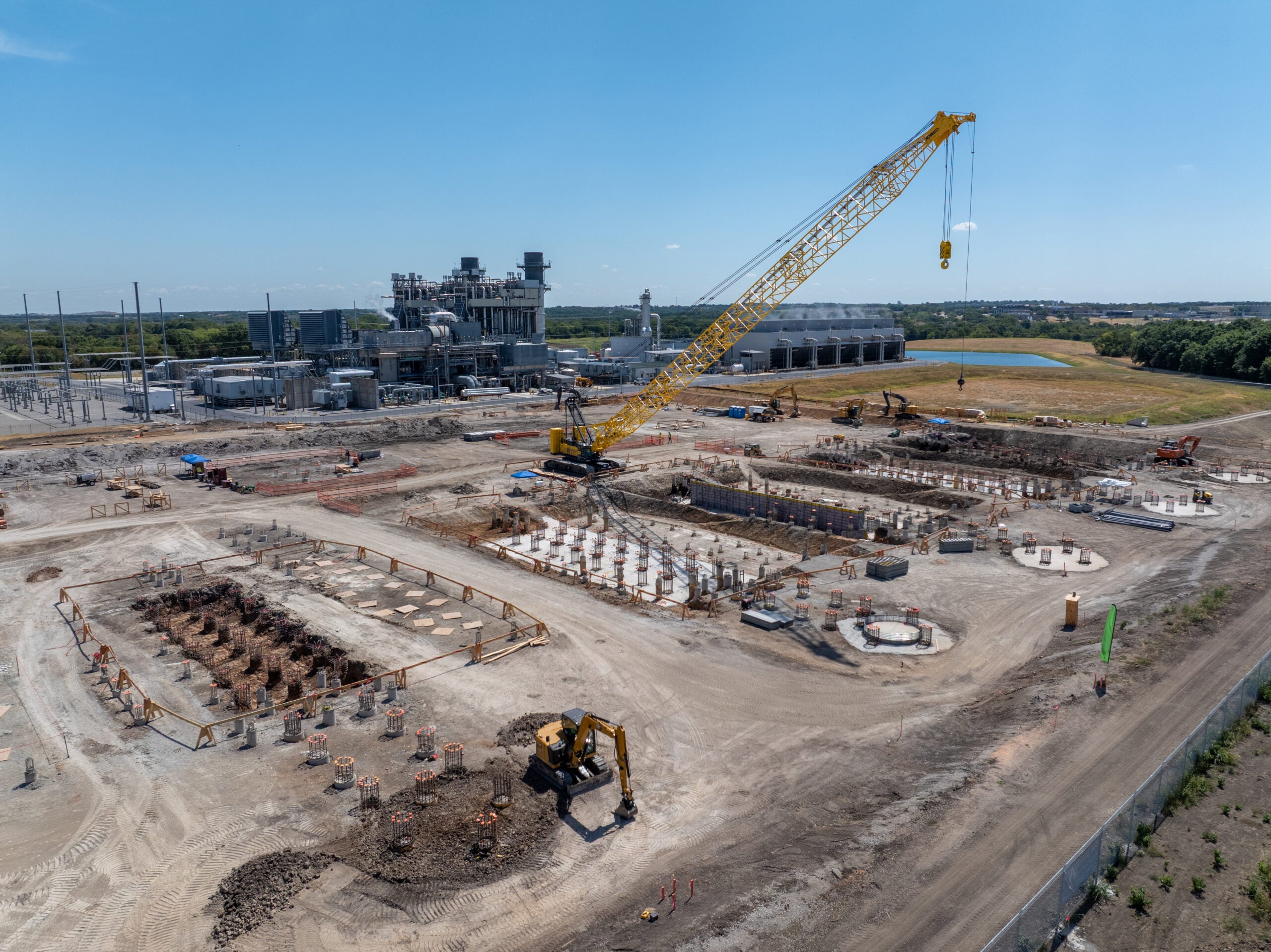
Rayburn Electric Cooperative’s next power plant will not be built around one or two large gas turbines. On June 9, the cooperative broke ground on Rayburn Energy Station II (RES II, Figure 1) in Sherman, Texas, a $685 million, 570-MW facility that will use 10 Siemens Energy SGT-800 industrial gas turbines. Luke Baker, Siemens Energy’s head of sales for Gas Services in North America, told POWER that the units are rated at 57 MW each, a configuration that “enables excellent flexibility and resilience on the power block.” Rayburn is targeting commercial operation in summer 2028.
Demand Reality
The reason for the build is not hard to find. Rayburn is a generation and transmission cooperative that supplies four member distribution cooperatives serving more than 650,000 Texans, and it describes the territory it serves as “one of the most constrained and fastest-growing load pockets” in the Electric Reliability Council of Texas (ERCOT) grid. Winter Storm Uri in 2021 pushed the cooperative toward owning generation. The storm left Rayburn facing three years’ worth of power costs in five days, and bankruptcy, CEO David Naylor told The POWER Podcast, “was certainly one of the options on the table.” Rayburn paid what it owed. Within two years, it won an auction for the 758-MW Rayburn Energy Station, then known as the Panda Sherman Power Plant. “When we looked at who benefited from Uri—or at least came out of it in a solid situation—it was the people who owned generation assets, and whose units ran,” Naylor said. Together, the two stations will exceed 1,300 MW.
RES II is a small picture of the questions facing gas power as 2026 closes: how much new capacity is actually coming, what size of machine can arrive fast enough to matter, and how to keep the existing fleet earning its place as the grid changes. In written responses to POWER, three Siemens Energy executives addressed each in turn, starting with whether the current surge in turbine demand will last.
Karim Amin, an executive board member at Siemens Energy, did not claim the business has escaped its history. “Our business is typically cyclical,” he said, and “we would not say that cyclicality has disappeared.” But he argued that this upswing is different because several forces are pushing at once: rising global electricity consumption from economic growth, industrial electrification, data centers, and artificial intelligence (AI); the replacement of aging and retiring generation; and the need for dispatchable capacity as more renewables join the grid. In many markets, he added, gas is also displacing more carbon-intensive coal.
“These are not short-term developments,” Amin said, noting that they require substantial additions to generation and grid infrastructure over many years. Siemens Energy’s order intake, backlog, and customers’ efforts to secure future manufacturing slots give the company confidence that this is “a structural, multi-year trend,” he said, though individual markets and ordering patterns will fluctuate. The underlying need, he said, “makes this cycle broader and potentially longer lasting than many we have experienced in the past.”
Data centers are part of that picture, but Amin cautioned against reading them as the whole of it. About 30% of Siemens Energy’s orders in fiscal year 2026 were for power generation projects connected to AI and data centers, he said, calling them “a significant accelerator, especially in the U.S.” Yet he does not expect the market to become “predominantly a data center market.” Utilities, industrial expansion, coal replacement, energy security, and the need for flexible capacity to support renewables all contribute. That diversity, he said, is one reason the company views current demand as more durable than a cycle built on a single customer group.
Independent forecasts point the same direction, with caveats. The U.S. Energy Information Administration (EIA) reported in February that developers planned to add a record 86 GW of utility-scale generating capacity in 2026, most of it solar (51%) and battery storage (28%). Natural gas accounted for 6.3 GW of the planned additions, split between 3.3 GW of combined-cycle and 2.8 GW of combustion turbine capacity. The North American Electric Reliability Corporation (NERC), in its 2025 Long-Term Reliability Assessment, projected that summer peak demand could climb by 224 GW over the next decade, and winter peak by 245 GW. NERC said 13 of 23 assessment areas face resource adequacy challenges over the next five years, and it identified the Midcontinent Independent System Operator (MISO), PJM Interconnection, and ERCOT among regions that could reach “high” risk by 2030. In ERCOT, where Rayburn operates, the assessment places risk at “elevated” through 2028 and “high” beginning in 2029, and notes that data center demand could erode resource margins below targets later in the decade. About 53 GW of gas-fired capacity is moving through interconnection queues, NERC said, and it warned that firm fuel supply during extreme cold remains uncertain.
NERC also cautioned that forecasts carry uncertainty of their own. Only data center projects that have advanced from speculative stages into development commitments are counted in its load projections, so its figures are likely to be “more conservative” than many outside forecasts. Even so, John Moura, NERC director of Reliability Assessment and Performance Analysis, told reporters at a Jan. 29 briefing, as POWER reported, that the magnitude of load growth is “increasingly uncertain,” and that the uncertainty poses a significant risk to planning.
The pipeline of planned gas projects is large but unevenly advanced. The EIA’s August 2026 generator inventory lists about 69 GW of planned gas-fired capacity with in-service dates from 2026 through 2034. Roughly 50 GW of that is slated for 2028 through 2030, and only about 4 GW of that total is under construction. The rest remains in permitting or earlier planning stages. Rayburn’s own timeline illustrates how much timing matters. Naylor said the cooperative secured turbines and transformers under contract in late 2024, and that suppliers indicated waiting a couple more months would have meant significantly higher costs and delivery dates pushed out three to four years.
The Rise of the Middle
If the demand outlook sets the challenge, medium-sized turbines are increasingly the build response, at least in North America. Baker said demand for medium-sized machines is increasing among data center developers, “particularly those developing behind-the-meter applications,” because these frames offer “the greatest potential for speed to power.”
The logic, as Baker laid it out, is about time. Compared with large-frame engines, medium turbines “can be manufactured quicker and installed in a fraction of the time.” He acknowledged that the gap is narrowing: manufacturing lead times for large and medium machines “are starting to become more similar,” with both several years out. But as a general rule, he said, “medium turbines are more readily available today.” Siemens Energy has sold more SGT-400s and SGT-800s in the U.S. over the past two years “than we could have ever imagined a few years ago,” he said.
Amin offered a more guarded view of the same trend. Medium frames, he said, “offer a combination of efficiency, operational flexibility, and shorter deployment timelines” and serve utility, industrial, and data center customers. But “data center demand should not be equated exclusively with medium frames,” he said, because project scale and configuration vary, and customers are weighing options across several turbine classes. Large frames are benefiting from utility-scale generation, coal replacement, and efficient combined-cycle projects, while small turbines and aeroderivatives serve distributed generation, peaking, and rapid-response applications. Overall, he said, growth is “broad-based across our portfolio.”
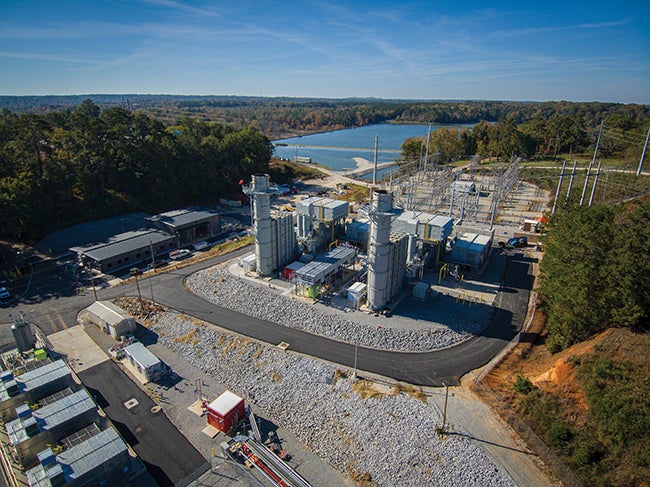
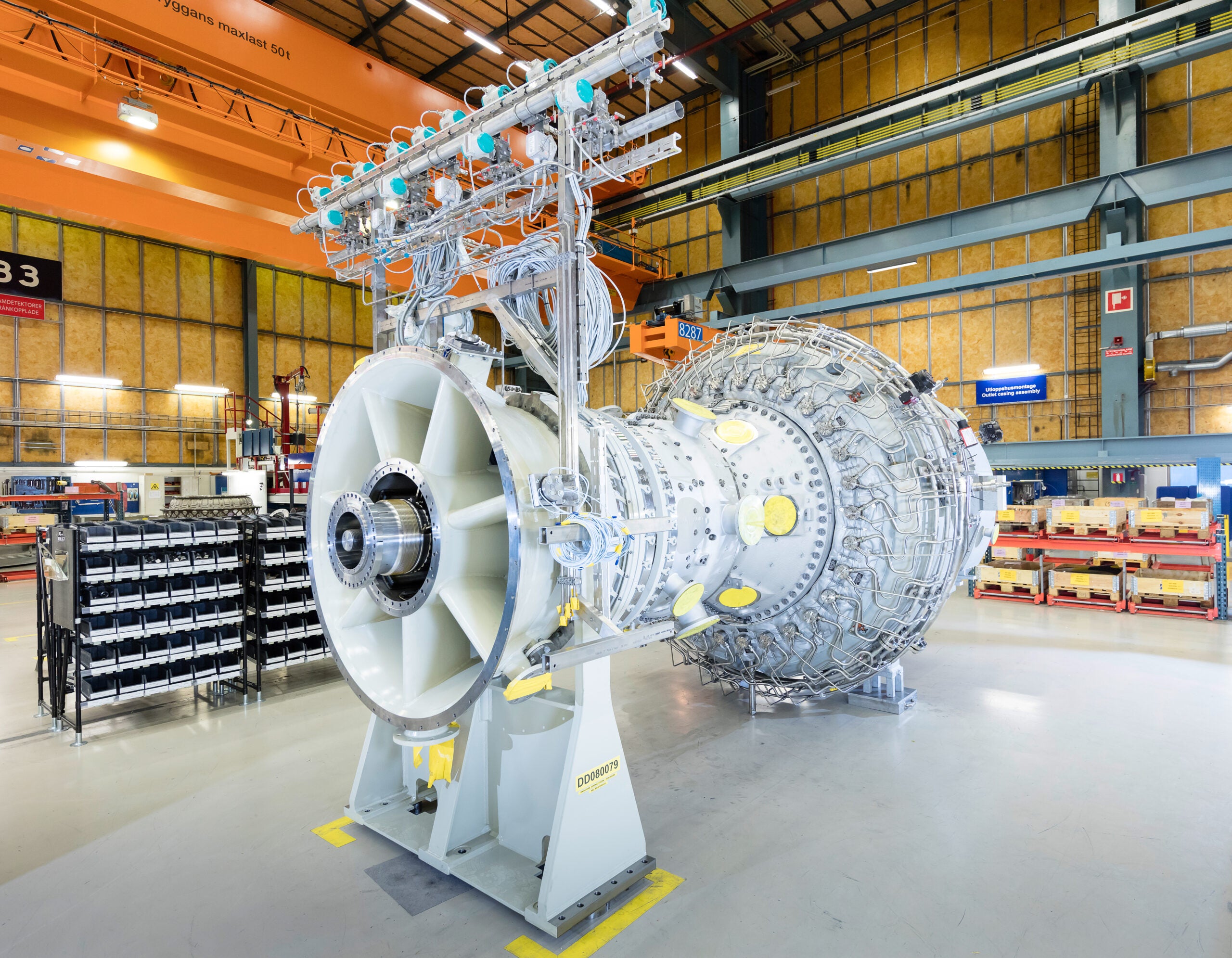
The federal data suggest both executives have a point. Among roughly 316 planned gas turbine units in the EIA’s August inventory, 200 fall in the 30–100 MW class, or about 63% of the units. But they total only 11.2 GW, about a quarter of the roughly 44 GW of planned turbine capacity. The 87 units above 200 MW account for 31.9 GW, nearly three-quarters of the total. The median planned unit is 57 MW, the same rating as the SGT-800s at Rayburn (Figure 2). One caution applies: a single project, Fermi America’s Project Matador in Texas, accounts for 105 of the mid-size units. Excluding it, the class still includes 95 units totaling about 5.3 GW. The EIA’s data do not identify turbine manufacturers or models, so unit size is only a proxy for frame class.
Medium turbines also change the shape of a plant. Baker said that installing multiple generating units on one site lets an owner “achieve incremental scaling to match localized demand,” and to operate “in a nimbler and more responsive manner compared to a traditional power plant.” Rayburn’s own description of RES II points to related benefits. The cooperative said in a June 4 release that the plant will help support local voltage stability, relieve congestion, and provide black start capability. In its groundbreaking release, Rayburn described the SGT-800 as a platform “designed for fast-start peaking and intermediate-cycle operation,” and David Blank, Siemens Energy’s sales director for North America, said the 10 machines will “deliver reliable, fast-start power” during periods of peak demand. The project is financed in part through a Texas Energy Fund loan agreement with the Public Utility Commission of Texas. Of more than 125 initial applicants, Naylor said, only 17 were selected to advance, and Rayburn was the only cooperative among them.
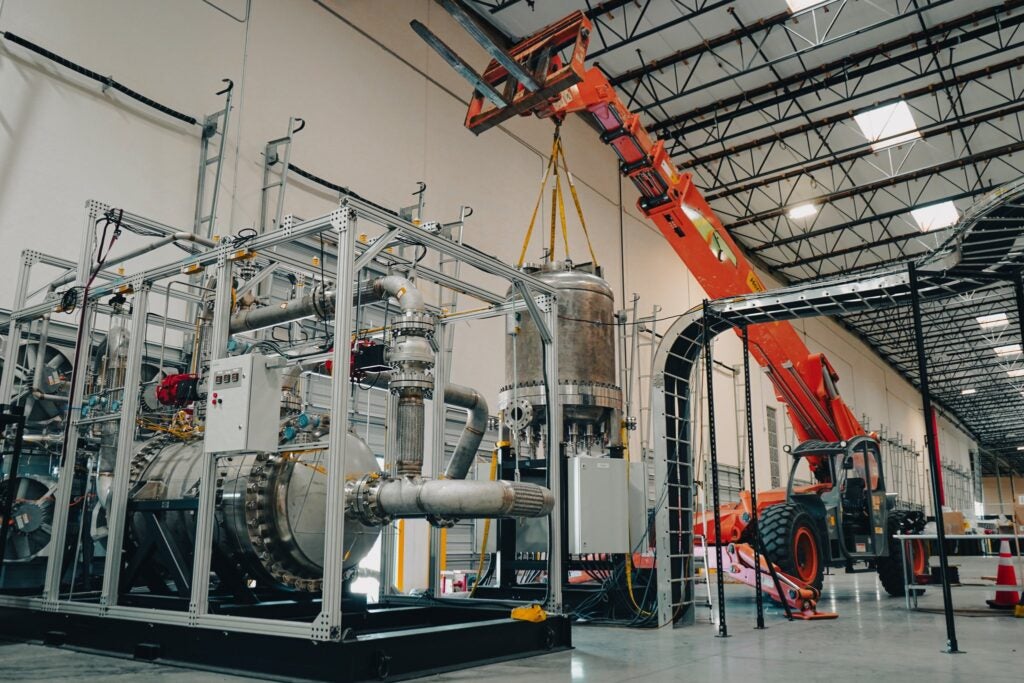
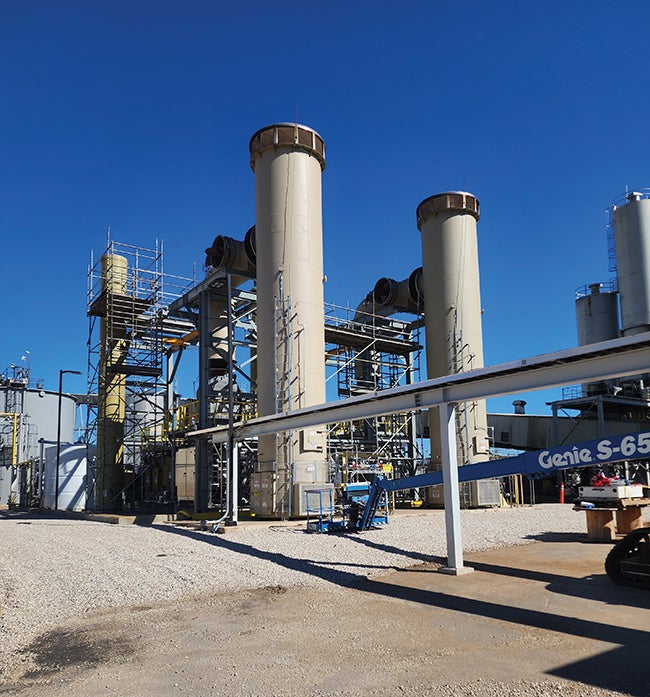
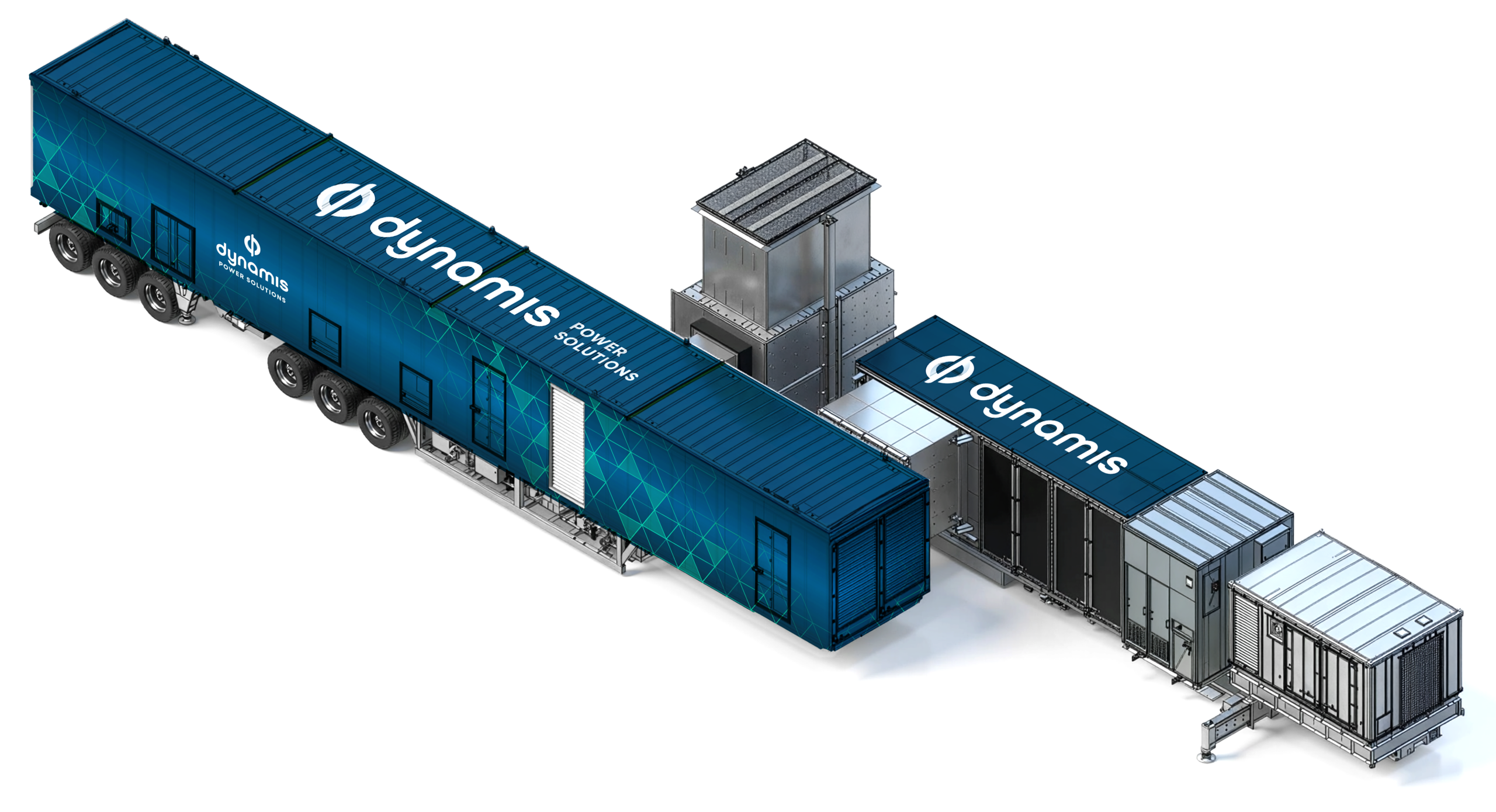
The same hunger for speed explains the interest in even more mobile solutions. Baker said the emergence of mobile power units “really reinforces how much our customers value rapid deployment of power gen assets.” Such units, from companies including Dynamis Power Solutions (Figure 3) and Karpowership, with which Siemens Energy has relationships, “can help customers bridge near-term power demand while their permanent power blocks are being built,” he said. “These units can also be online in a matter of hours once they are on site, which makes them super attractive for owners that require immediate power.”
Underneath the speed argument sits a shift in priorities. Baker said the arrival of AI and data center customers “has changed the playing field.” These customers “remain committed to their decarbonization goals,” he said, but are “balancing sustainability aspirations with the need to create a reliable and resilient grid that can be scaled to meet today’s immense electrification demands.” Amin put the company’s position in similar terms. “We do not view sustainability and the current need for gas as an either-or choice,” he said. Modern gas generation can replace coal, supply the flexibility renewables need, and meet rising demand “when other firm capacity cannot be deployed quickly enough.” Its long-term role, he added, “depends on continued efficiency improvements and pathways such as hydrogen and carbon capture.”
Service as a Savior
New machines are only half of the capacity story. The other half is the fleet already in the ground, and much of it is not young. By the EIA inventory’s count, about 70% of the nation’s operating gas-fired capacity entered service in 2006 or earlier. The EIA also shows roughly 14 GW of gas-fired capacity, including steam units, scheduled to retire between 2026 and 2030, while about 1.2 GW of summer capacity uprates are planned at 71 gas-fired units from 2026 through 2029. The EIA does not report who will perform the work.
Waheed Abbasi, Siemens Energy’s senior vice president for Gas Services in Europe and Africa, said customer interest is strong in “modernization, flexibility, digitalization, and lifetime extension.” The reason, he said, is “quite straightforward”: customers “want to get more out of the assets they already have, while adapting them to the needs of a changing energy system.” Plants once designed mainly for baseload operation “are now being asked to play very different roles, from peaking and load-following to supporting grid stability.” As a result, he said, the goal is no longer just keeping an asset running as long as possible but “getting the most value out of it throughout its lifetime.” He pointed to growing demand for performance and flexibility upgrades, control-system modernization, fuel flexibility, and digital solutions.
A recent white paper from the Electric Power Research Institute (EPRI) describes what that shift in duty means for the hardware. Cyclic operation, it says, “is no longer an exception for gas turbines, it is increasingly the norm.” Baseload service tends to accumulate creep damage in hot gas path components, while cycling shifts the balance toward fatigue from repeated heating, cooling, and load changes. EPRI said even small, frequent load adjustments, such as those associated with automatic generation control, can add meaningful fatigue damage over time, and that compressor components deserve particular attention. Shutdowns contribute a disproportionate share of life consumption in its modeling. The paper concludes that operating hours or equivalent starts alone are insufficient measures of durability under modern dispatch. EPRI’s illustrative modeling is not specific to any commercial design, and the paper does not name Siemens Energy.
Cycling also reaches beyond metal fatigue. EPRI said frequent transients can age combustor hardware, changing flame stability and mixing, and that over time this may show up as greater variability in nitrogen oxides and carbon monoxide, particularly at part load. Frequent starts and shutdowns also exercise valves, purge systems, and protective logic that sit idle in baseload service, raising the odds of failed starts. On the controls side, EPRI said enhanced conventional controllers can perform adequately in many cases, while model predictive control offers advantages in handling several interacting variables and constraints at once. It added a caution that applies to any upgrade program: control upgrades “alone are not a panacea” and must be matched with system identification, validation, and operator training.
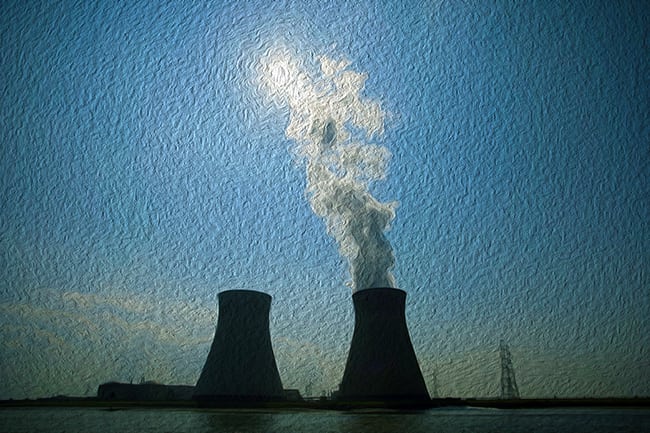
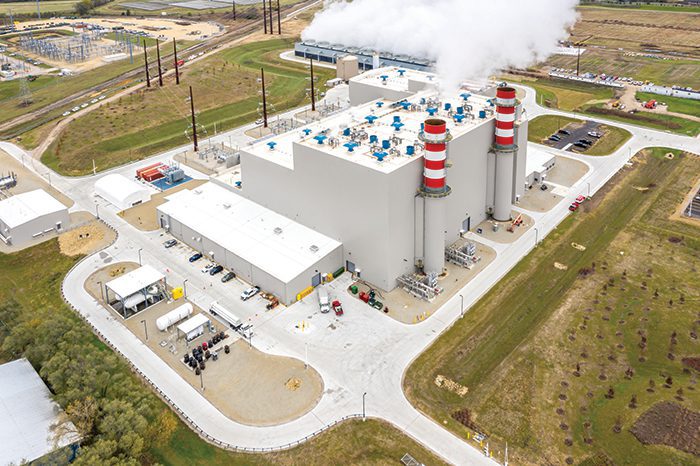
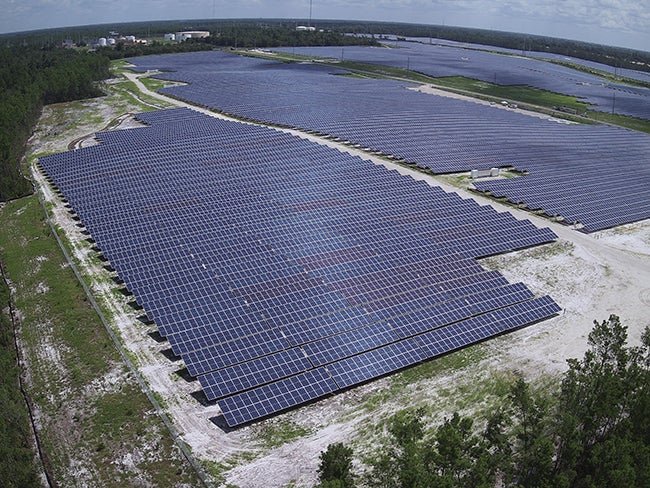
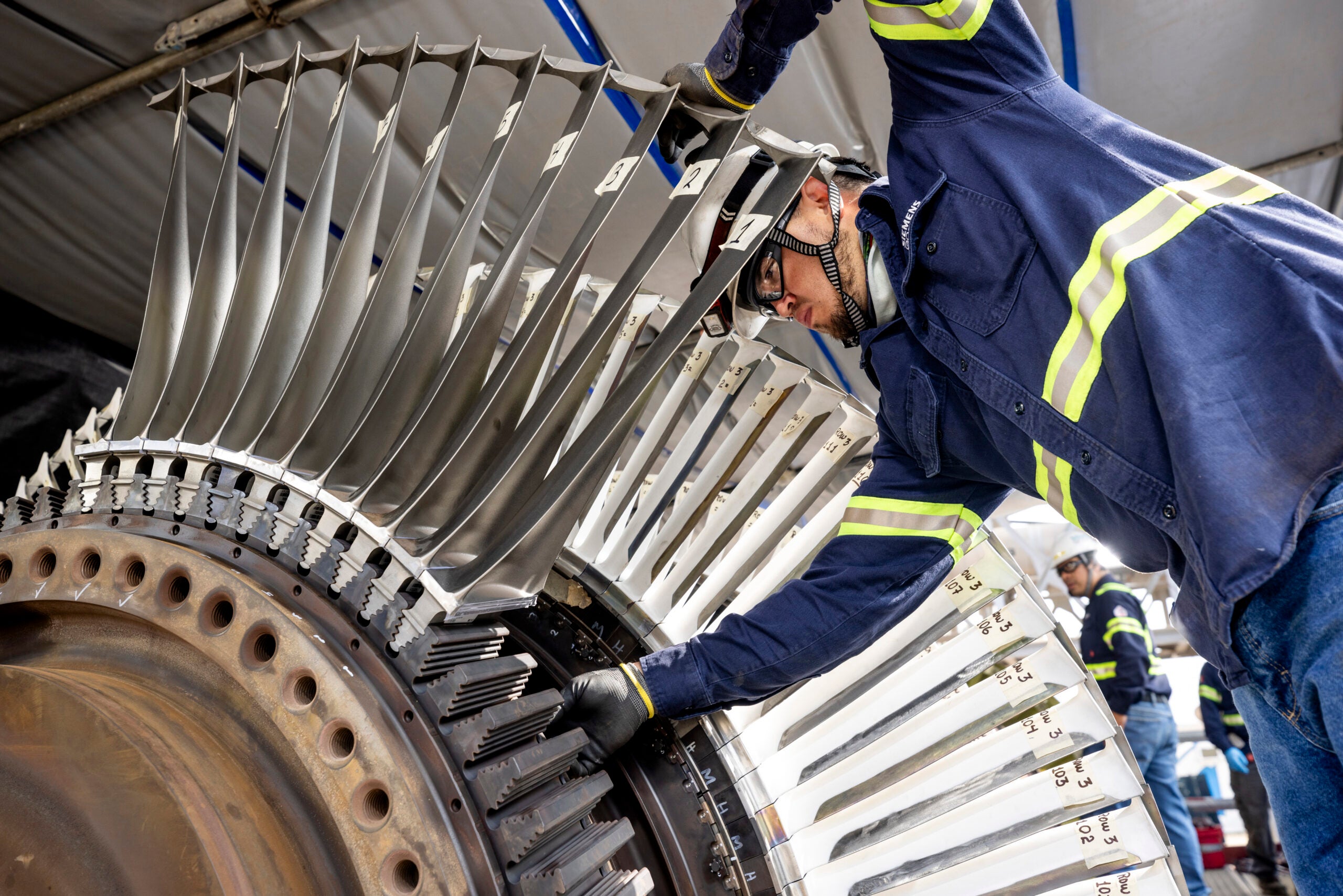
Abbasi offered one concrete case of what modernization can deliver. At PacificLight’s 800-MW combined-cycle plant in Singapore, which operates two Siemens Energy SGT5-4000F gas turbines, the Advanced Turbine Efficiency Package (ATEP, Figure 4) raised plant output by about 30 MW and lifted efficiency to more than 60%. Annual CO2 emissions fell by more than 60,000 tons. “This demonstrates what modernization can achieve: getting more capacity and better efficiency from an existing asset, while also reducing its emissions,” Abbasi said.
How modernization compares with new construction depends on the owner’s specific asset requirements. Abbasi said service and modernization projects can provide “a highly effective way to increase capacity, improve efficiency, enhance flexibility, and extend asset life by leveraging existing infrastructure,” and can often be implemented on shorter timelines. He also noted that upgrades build on proven assets “with established operating histories.” But he stopped short of a general ranking. Whether to build new or modernize, he said, “depends most importantly on customer’s objectives, asset base, and timeline.”
That framing matters because the two paths are not rivals so much as parts of one answer. As more renewables join the grid, Abbasi said, existing plants “must provide greater flexibility, faster response times, and improved sustainability while continuing to meet growing electricity demand.” Modernization can support demand growth by raising efficiency and output, he said, while fast starts, low minimum load, grid stabilization, and fuel flexibility are becoming “more and more important” for meeting sustainability goals. The result, in his words, is that existing power plants can keep “meeting growing electricity demand, while also supporting the integration of renewables and the transition to a more sustainable energy system.”
The balance the Siemens Energy executives describe is not tidy, and NERC’s findings show how much of the reliability picture still rests on fuel supply and on keeping existing units available, not just on adding megawatts. Near-term demand needs units that can be installed quickly, like the 10 machines for the plant now under construction in Sherman. Longer-term reliability needs older plants to keep running, and to run differently than they were designed to. Gas power’s task over the next several years is doing both at once.