By Shaun Walsh, Chief Marketing Officer, Peak Nano
Capacitors are only as good as the dielectric inside them. And the shift in grid operating conditions is silently eroding reliability, efficiency, and service life… at the worst possible moment.
For forty years, North American grid planning ran on a dependable assumption: Load grows 1–2% per year. Generation, transmission, substations, capacitor banks, and maintenance cycles were all sized to that cadence.
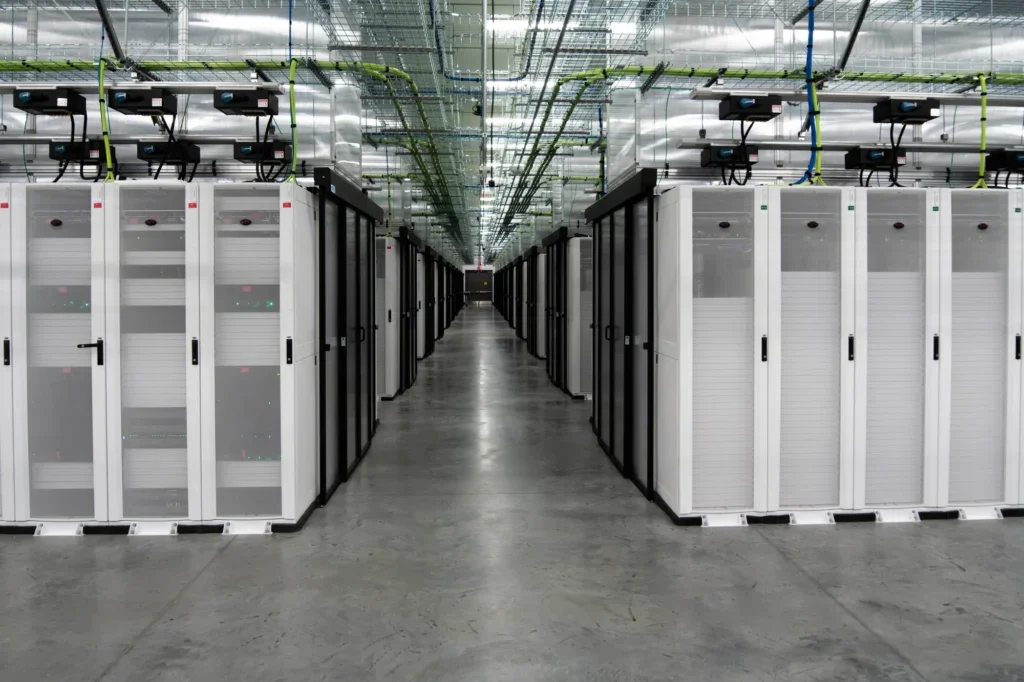
This assumption is dead. AI compute doesn’t grow at 1–2% a year. It doesn’t grow at 10% a year. It’s triggering the most disruptive spike in electric demand in generations.
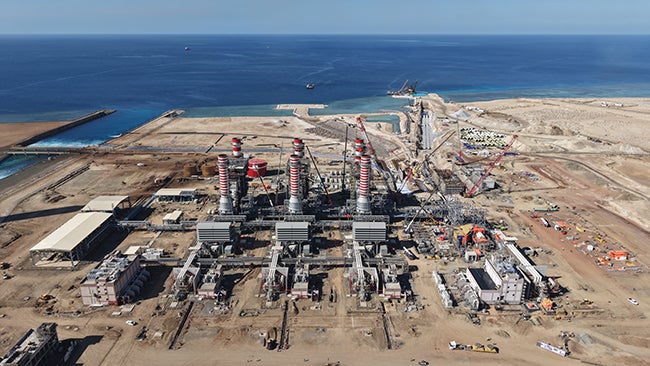
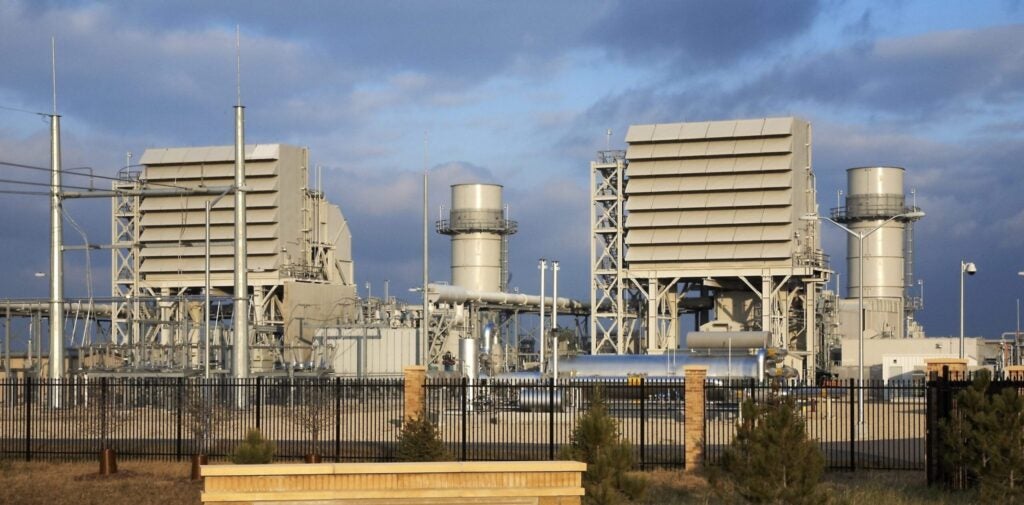
The consequences are already visible. Interconnection queues are stacking up across the country. Gas generators are being wheeled in to cover the gap. Forecasts that used to stretch out for decades are being rewritten quarter by quarter. In Texas, AI hyperscale campuses have become the single largest new category of interconnection requests on the grid, and similar pressure is showing up across every major U.S. ISO.
This presents a major challenge for utility engineers, operations managers, capacitor manufacturers, and procurement leaders. Today’s equipment, from substation upgrades to harmonic filters, power factor correction banks, and mobile voltage support, needs to perform in conditions the last generation didn’t anticipate.
A surprising amount of that burden lands on a single component: the film inside the capacitor.
The Operating Environment Has Changed
The stress accumulating on grid capacitors isn’t coming from one failure point. It’s coming from a stack of simultaneous changes in how power moves.
AI campuses don’t draw power the way industrial loads do. Training cycles create rapid, high-magnitude swings in reactive demand that hit interconnection equipment hard and repeatedly. The duty cycles are longer. The thermal recovery windows are shorter. And these campuses often land at the edge of existing transmission infrastructure rather than near established substations, meaning the equipment serving them is already stressed before the AI load arrives.
We consistently hear the same observation from utility customers and capacitor manufacturers: the problem is temperature. Sealed substations, valve halls, and mobile units run warmer. Banks that used to coast at 85°C now spend much of their life pushed toward 125–135°C.
At these temperatures, conventional dielectric film behavior changes in ways that don’t show up immediately but accumulate, accelerating aging, reducing capacitance, and shortening service life. Capacitor film needs an upgrade to not just survive, but hold its characteristics in these conditions.
The Cost of the Commodity Model
Most grid-scale capacitor banks were specified around a straightforward procurement model that treats dielectric film as a commodity. You buy on price, lead time, and a modest safety margin. Film has been stable for decades with little reason to treat it as a strategic decision.
That model is producing outcomes that don’t show up in the purchase order but creep into the maintenance budget. Banks sized for electrical need and then doubled for thermal headroom. Infrastructure rated for fifteen years hitting end of life at eight. Project economics deteriorating when nothing has obviously broken. And a critical supply chain vulnerability most utilities are blind to: ~70% of conventional capacitor film in the global market originates from a single country, China.
The thermal, lifetime, and efficiency penalties only become visible when it’s hard and expensive to change. Teams that don’t look ahead will end up with architectures that cost more and are less reliable. Smart, technical decision makers evaluate the downstream impacts of each component in the power chain. Capacitor film is one that’s often overlooked, and its impacts are huge.
Grid resilience, at this point, depends increasingly on the materials inside the hardware. Those who continue sourcing film capacitors as interchangeable commodities will become increasingly uncompetitive.
A Better Film, No Redesign Needed
The encouraging part of this story is that the fix doesn’t require a ground-up rebuild of capacitor banks. Advanced nanolayered polymer films, a drop-in replacement for conventional films, have moved into commercial production. These dielectrics are engineered for the operating conditions in which AI-era grid equipment operates: high temperatures, ripple currents, and duty cycles.
Peak Nano’s NanoPlex™ LDF holds full capacitance to 135°C without derating and delivers up to five times the service life of conventional film at equivalent conditions. For applications where density is the binding constraint, NanoPlex HDC delivers up to four times the energy storage in roughly half the footprint.
Both film grades run on the same metallizing and winding equipment that capacitor manufacturers already operate, so qualification doesn’t require retooling. And both are 100% U.S.-engineered with an allied-nation supply chain.
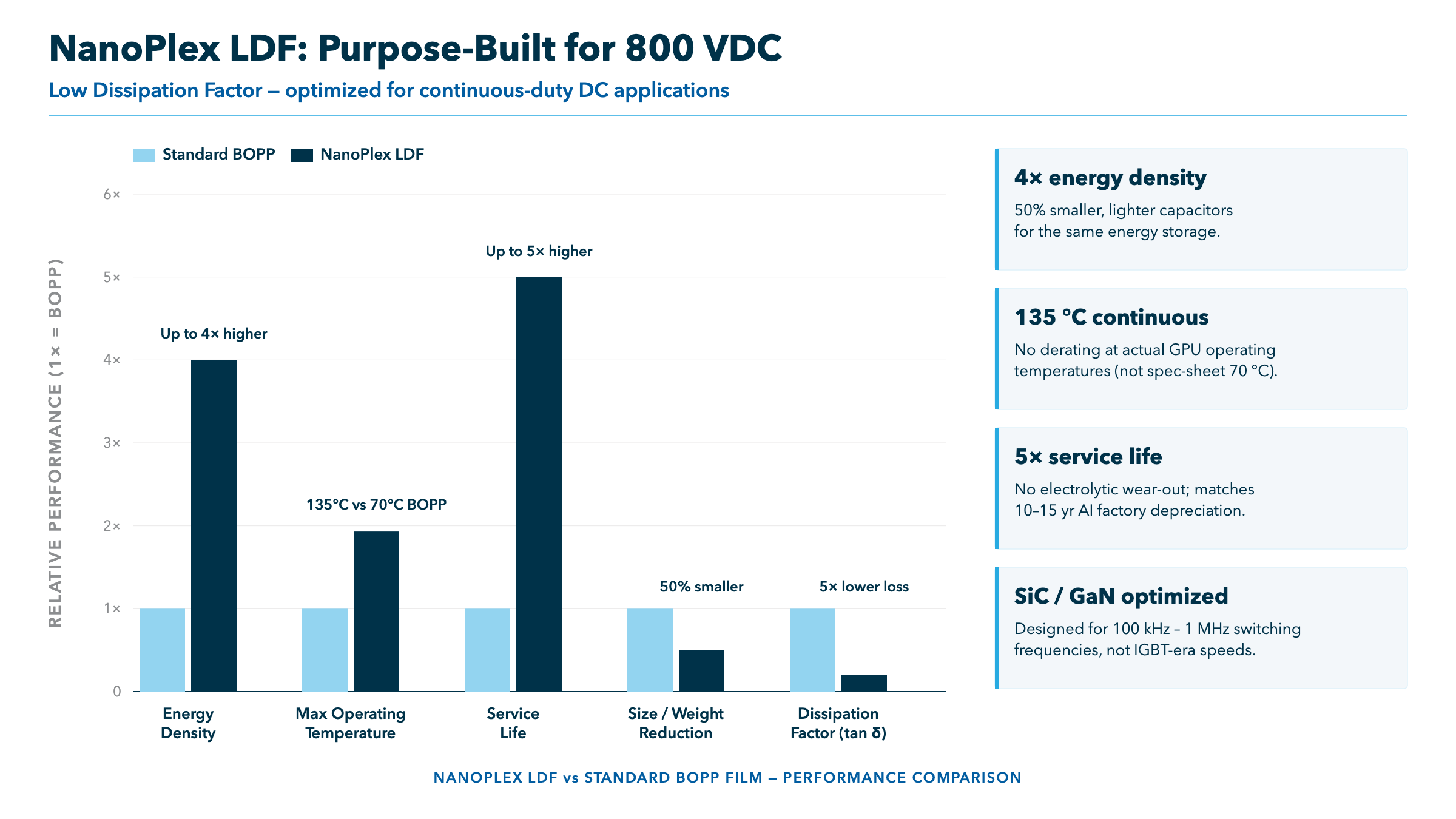
For utilities, this upgrade translates into right-sized banks, smaller footprints, fewer replacement cycles, more predictable power quality, and maintenance budgets that actually hold through the 15-year service window. Reactive compensation and harmonic filtering stop acting like commodity line items and start being seen as what they really are: long-life, mission-critical infrastructure.
The Next 15 Years of Grid Reliability Is Being Decided Now
Grid equipment that will serve AI campus buildouts through the early 2030s is being specified today. After this, it will be locked in and very hard to replace.
These specifications are effectively binding, and their impact is huge. The decisions made on current grid modernization projects will shape reliability, efficiency, replacement frequency, and total cost of ownership for U.S. infrastructure for the next fifteen years.
From the transformer at the substation to the film inside the capacitor bank, every layer of today’s grid equipment is now front-line infrastructure. The teams that look ahead and update their dielectric assumptions will build grid infrastructure that can actually keep pace with what’s coming.
Shaun Walsh is Chief Marketing Officer at Peak Nano, a Valley View, Ohio-based manufacturer of NanoPlex advanced capacitor films. Peak Nano produces 100% U.S.-engineered dielectric film for high-voltage, high-temperature power electronics and grid applications. Learn more at peaknano.com/power-grid-applications.