I’ve sat through hundreds of conversations with commercial and industrial (C&I) buyers evaluating battery storage, and most start the same way: They compare capacity, price per kilowatt-hour, and warranty length.
Those numbers matter. But they rarely predict whether a project will stay on schedule and perform reliably for a decade.
COMMENTARY
Two systems can carry identical specifications on paper and diverge sharply once construction starts. The difference usually comes down to four additional factors that most buyers don’t put enough weight on:
- How much of the system gets validated at the factory before it reaches the site.
- How the thermal design will perform under real cycling.
- Whether its environmental ratings match the site itself.
- How deep the safety certification goes.
- Where schedule risk actually lives.
Battery cell technology has matured. Manufacturing tolerances tightened, and defect rates at the cell level dropped across the industry. That progress has shifted the real risk downstream, to system integration—the wiring, thermal tie-ins and controls commissioning that happen after delivery.
A system assembled and tested on-site depends on field conditions that vary from project to project: weather, crew experience, inspection timing and how cleanly the design translates from drawing to installation. Each variable adds schedule risk that a spec sheet won’t show.
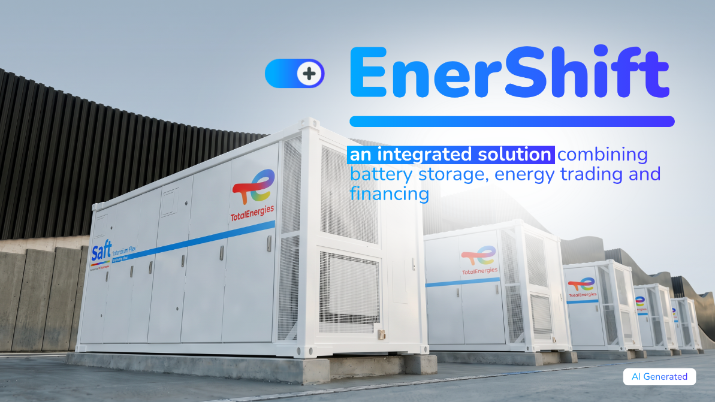
A system that arrives pre-assembled and factory-tested (Figure 1) can shift that work upstream, where conditions stay controlled and repeatable. On our systems, on-site work narrows to connecting AC power and communication lines. That distinction, more than any single spec, predicts whether a project is commissioned on time.
That validation goes well beyond a formality. Before a system ships, factory testing activates the internal communications between components, runs full charge-and-discharge cycles, and confirms the control logic responds correctly under load. A buyer who asks what a factory test actually covers, and not just whether one happened, gets a clearer signal of how the system will behave once installed.
Thermal Design as a Reliability Mechanism, not a Feature
Battery degradation rarely happens uniformly. It concentrates wherever temperature control weakens most—often the cell farthest from an air-cooled system’s fan or duct. Once one cell runs hotter than its neighbors, it ages faster, and the whole pack’s usable life starts tracking its worst-performing component.
Liquid cooling addresses this directly, circulating coolant across cells instead of relying on ambient airflow. On the systems I sell, that approach holds cell-to-cell temperature variation to within 2.5C and cuts daily system heat loss by 40% compared with air-cooled designs.
Buyers should ask any vendor for their own numbers rather than accept a vague claim of “advanced thermal management.”
Site Conditions a Spec Comparison Won’t Show
Thermal design inside the cabinet tells only part of the story. The other part depends on whether the system holds up against the conditions outside it. Many datasheet numbers reflect standard lab conditions that real sites don’t offer.
On the systems we build, full-rated output holds through 45C (113F), with output derating above that threshold—a real consideration in the Southwest or anywhere without shade. Altitude matters too, with full performance rated to 2,000 meters (6,561 feet).
Corrosion and noise ratings matter for sites near occupied buildings or the coast. The enclosures carry a C4-L corrosion rating, a mid-tier industrial standard for salt and humidity exposure. And the system runs at 65 decibels or below at one meter away—quiet enough for a loading dock or parking structure. Buyers should check all of these ratings against their actual site before assuming a system will perform as advertised once installed.
What a Certification Actually Covers
Environmental fit determines whether a system performs as advertised. Certification determines whether an inspector, insurer or lender will trust that performance without taking a vendor’s word for it.
A UL listing alone captures only part of the picture; the real question asks what level the certification covers—the cell, the pack or the fully assembled system.
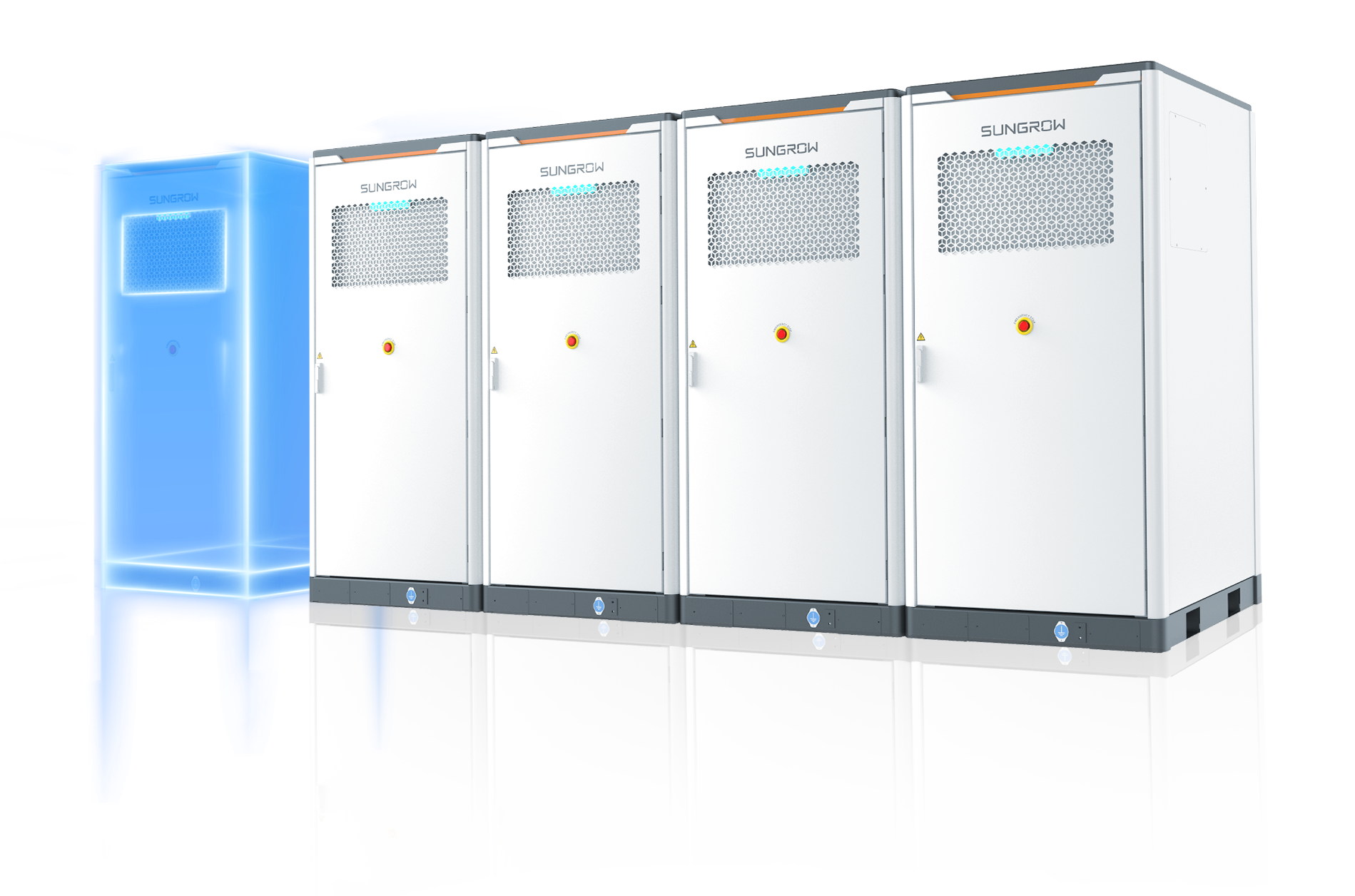
Systems we build undergo more than 500 individual tests, from cell to full system, before shipment. That distinction matters to authorities having jurisdiction (AHJs) and insurers, who typically want system-level validation rather than component-level paperwork.
That documentation doesn’t guarantee faster approval, but it gives every reviewer a documented reference point instead of a vendor’s word, which tends to smooth both the permitting process and conversations with insurers.
The Tradeoff Worth Naming
None of this makes factory-integrated systems right everywhere. A site with an unusual load profile, tight physical constraints or a specific interconnection requirement may need a bespoke, field-engineered design instead.
A buyer with one unusual site should weigh that need against the reliability benefits of a pre-tested system. A buyer managing a portfolio of similar sites tends to gain the most from standardization, since the same design repeats predictably across locations.
What to Ask Before Signing
Buyers evaluating any C&I storage vendor, regardless of brand, should ask these four questions beyond capacity and price:
- How much of the system will be tested at the factory before it ships, and what specifically gets validated?
- What does the thermal design actually measure in cell-to-cell variation, beyond a general efficiency claim?
- Do the system’s temperature, altitude, corrosion and noise ratings actually match the site, rather than a generic spec sheet?
- What level does the safety certification cover—the cell, the pack or the full system?
The answers won’t show up in a spec sheet’s headline numbers. They show up in commissioning timelines, in whether the system still hits rated output on the hottest day of the year, in maintenance calls five years in, and in how quickly a project clears its AHJ review.
For buyers trying to separate real reliability from marketing language, those questions matter most.
—Kane Kuharik is director, C&I BESS Sales, for Sungrow North America.