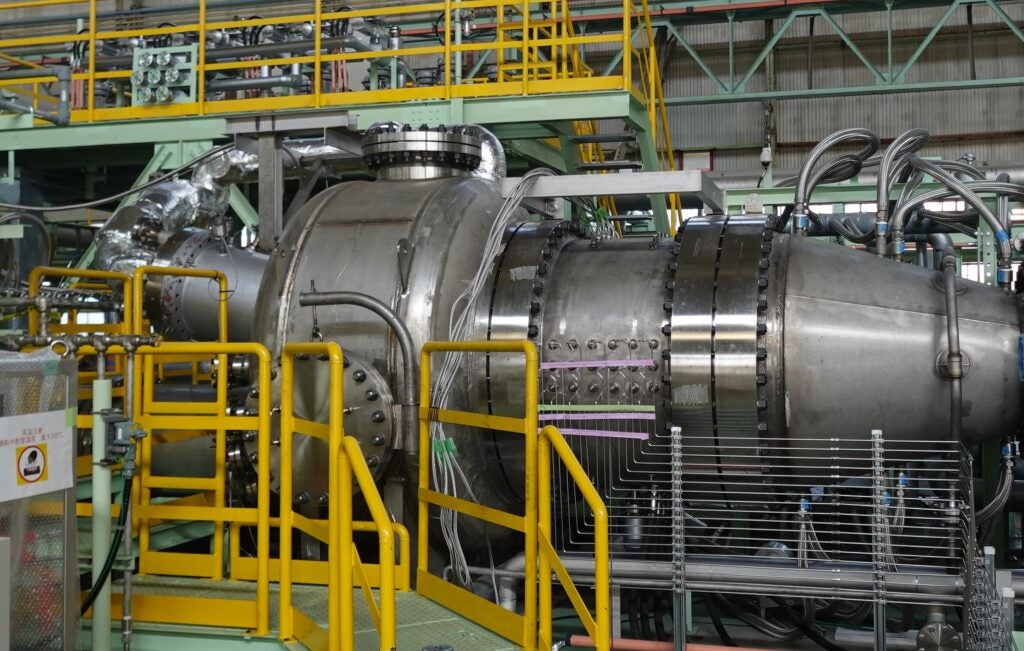

As part of the country’s strategic program to strengthen the stability of the national grid, Cuba has begun load testing of the first unit of a battery energy storage system (BESS) at the El Cotorro substation in Havana. This is the first of four systems with a total capacity of 200 MW.
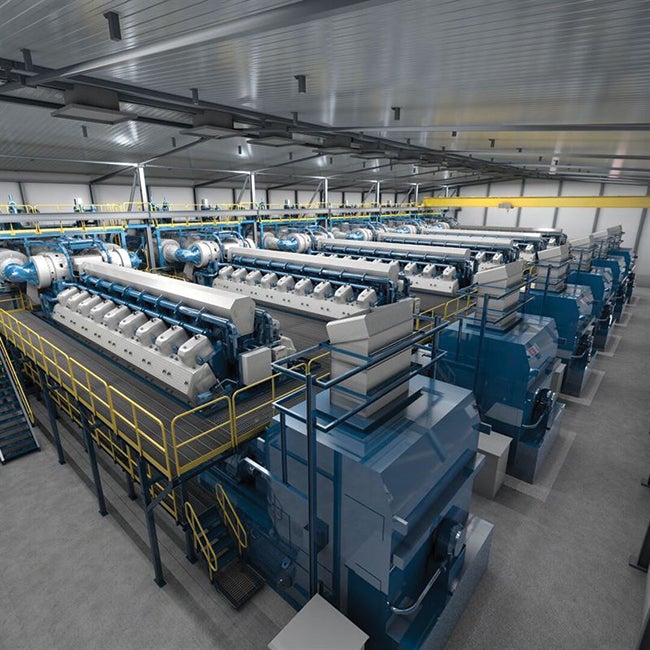
According to the statements of the Cuban state-owned Union Eléctrica (UNE), each of these systems will have a storage capacity of 50 MW, acting as an instantaneous regulator of the grid’s primary frequency. In fractions of a second, energy can be injected into or absorbed to counteract sudden fluctuations that would otherwise lead to widespread blackouts or technical failures.
BESS technology is key to the optimal use of renewable energy sources in the country. According to technical estimates, for every 1,000 MW generated by photovoltaic parks, at least 100 MW of battery storage are required. In the case of Havana city, this system will allow for the absorption of 100% of the energy generated by the Guanabacoa, Cotorro, and Boyeros solar parks, preventing the intermittency of sunlight from destabilizing the grid.
While these investments do not automatically eliminate the power generation deficit currently affecting the population, their impact lies in the system’s resilience. By stabilizing voltage and frequency, the risk of total collapses is significantly reduced, and the impact of widespread blackouts is minimized. Among the main benefits are the fast response to unforeseen events in the generating units, the improvement in service quality—protecting sensitive equipment—and fuel savings by optimizing the use of clean energy and reducing dependence on thermal generation.
—Amaury Pérez Sánchez (amauryps@nauta.cu) is a chemical engineer based in Cuba with the University of Camagüey.