
Gas
-
 Gas
GasThe Quest at CERAWeek 2012
In March, Cambridge Energy Research Associates hosted its 30th annual CERAWeek, a conference that is renowned for high-profile attendees from around the world.
-
 Gas
GasUnconventional Gas: The Great Game-Changer
Dr. Daniel Yergin, chairman of IHS Cambridge Energy Research Associates, is a Pulitzer Prize–winning author; leading authority on energy, international politics, and economics; and a recipient of the United States Energy Award for “lifelong achievements in energy and the promotion of international understanding.” He recently spoke with POWER about his latest book—and more.
-
 History
Japan Scrambles to Revamp Its Electricity Sector
The March 2011 Japanese earthquake and tsunami that destroyed a number of Japanese power plants—most notably, four nuclear units—hit quickly. Almost as speedy were calls to take all other nuclear units out of service for safety reviews. What will take much longer is developing a new, sustainable energy plan to fill the generation gap left by a potential total lack of nuclear power.
-
 O&M
O&MStartup Purge Credit Benefits Combined Cycle Operations
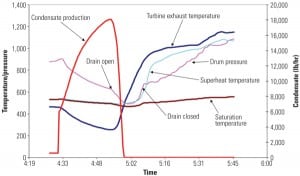
Combined cycle power plants use fuels and other materials that can cause fires or explosions in the combustion turbine, ducting, or heat recovery steam generator. Purging that equipment with ambient air to displace residual combustible gases before starting is a normal safety practice. But when plants are cycled, the disadvantages of purging often outweigh the advantages.
-
 Gas
GasUkraine Looks Beyond Russian Gas
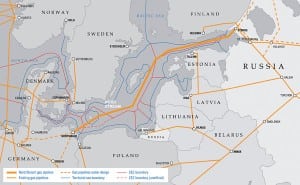
For years, tensions have been brewing between Russia, which provides about a quarter of the natural gas consumed in the European Union (EU), and neighboring Ukraine, a country through which 80% of those exports travel via pipeline.
-
 Gas
GasAs Small Gas Turbine Segment Grows, Alstom Launches E-Class Upgrade
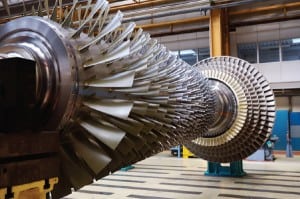
Close on the heels of its recent upgrades of the GT26 and GT24 gas turbines for 50-Hertz and 60-Hertz power markets, Alstom in March launched its next-generation GT13E2 gas turbine, a medium-sized gas turbine of the 200-MW class.
-
 Gas
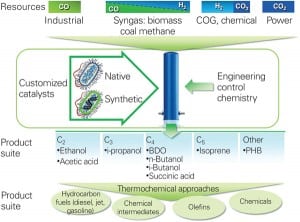
GasTechnology Converts Flue Gases to Jet Fuel
A new technology promises major advantages for coal-fired power plants, steel mills, and other industries that produce flue gases—and it could quell concerns about the increased use of arable land and food prices related to the production of ethanol.
-
 Coal
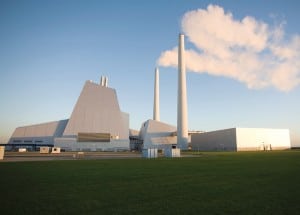
CoalEurope: More Coal, Then Less
Europe’s continuing drive toward sustainable energy does not rule out a new generation of coal power plants to replace those scheduled to close by 2015.
-
 O&M
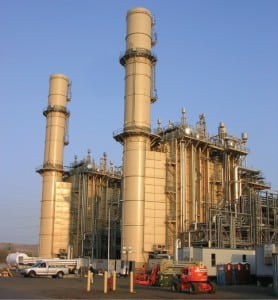
O&MManaging the Catalysts of a Combustion Turbine Fleet
Natural gas–fired fleets comprising diverse turbine unit types are operating their units more these days because of the historic low price of natural gas. With increased operating hours, fleet owners are challenged to find the best ways to manage their SCR catalyst systems.
-
 Gas
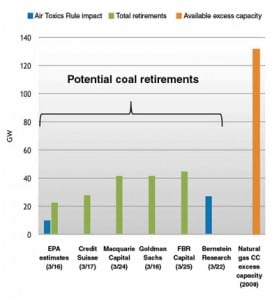
GasEPA Regulation of the Electricity Sector: The Sky Is Not Falling
New regulations from the EPA have created alarm in some corners of the electricity sector. A fair review of the state of the industry indicates that most stakeholders are well-positioned to comply without sacrificing reliability.
-
Gas
Git-R-Done! It Is Time to Break Down the Barriers Between Natural Gas and Electric Power
The gas business and electric business have been joined at the hip for decades, despite numerous artificial barriers preventing an efficient coordination of resources. It’s past time to rethink the relationship.
-
 Gas
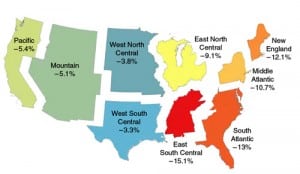
GasReduction in U.S. Carbon Emissions Attributed to Cheaper Natural Gas
Lower emissions from U.S. power plants in 2009 were driven by competitive pricing of natural gas versus coal.
-
Gas
Mixed Messages
However bright the future of gas-fired power may appear to be, the industry still needs good leadership to get there. It’s not clear we’re getting it, at least from Washington.
-
Gas
Saudi Arabia Makes Huge Push to Expand Gas Turbine Generation Capacity
A fast-growing population means skyrocketing electricity demand for the desert Kingdom of Saudi Arabia. The government is trying to meet this demand head-on with a massive build-out of gas turbine generation capacity, but long-term success will hinge on its ability to produce reliable domestic supplies of natural gas—a problem for a country whose existence has long been tightly tethered to crude oil production.
-
Gas
LCRA Moves to Replace Aging Thermal Plant as Texas Struggles with Energy Future
The Lower Colorado River Authority (LRCA) is slated to replace an aging gas-fired thermal plant outside Austin with a modern combined cycle facility. It’s an upgrade sure to be welcomed as the Texas electric market faces an increasingly murky future.
-
Gas
Wärtsilä’s Latest Combustion Engine Offers New Options for Intermediate Capacity
Once primarily deployed for peaking and industrial use, gas-fired combustion engines are becoming an increasing part of the baseload fleet because of their flexibility and ease of operation. Wärtsilä’s latest engine offers a new level of power and efficiency that can compete with gas-fired combustion turbines in baseload operations.
-
 Gas
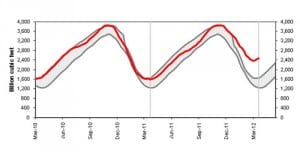
GasWill U.S. Natural Gas Inventories Hit Their Caps This Fall?
A mild winter and surging shale production have gas inventories at record highs. Absent major production cutbacks, the industry is facing the near-certain prospect of major amounts of gas being dumped on the market later this year.
-
Gas
Fracking Industry Braces for a Wave of Regulation
The explosion of public attention directed at hydraulic fracturing in 2011 has led to heightened regulatory scrutiny. This year will likely see a range of new regulations rolling out at the federal, state, and local levels. Will this new oversight help clean up the industry—or choke it off?
-
 Gas
GasAn “Exploding Lake” Becomes a Power Source
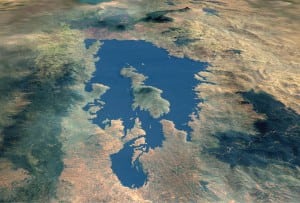
Rwanda’s Lake Kivu has a nickname: “Killer Lake.” The shimmering 1,040–square mile body of freshwater on the western branch of the Great East African Rift that straddles the Democratic Republic of Congo and Rwanda has had a bloody history. Not only was it the site of atrocity during the 1994 Rwandan genocide, but scientists say that it is also one of three known “exploding lakes.”
-
 Gas
GasMeeting LNG Demand with Floating Liquefaction Facilities
The past two years have seen a dramatic escalation of global natural gas liquefaction capacity.
-
 Gas
GasMHI Ships First Commercial J-Series Turbine
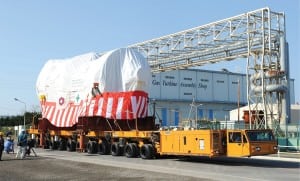
The first unit of Mitsubishi Heavy Industries’ (MHI’s) much-watched J-Series gas turbine, a technology MHI has been testing for a year, was shipped this December from its Takasago Machinery Works in Hyogo Prefecture, Japan, for commercial use at Himeji Unit 2, also in Hyogo, owned by Kansai Electric Power Co.
-
 Gas
GasDesertec Ambitions Turn to Asia, Australia
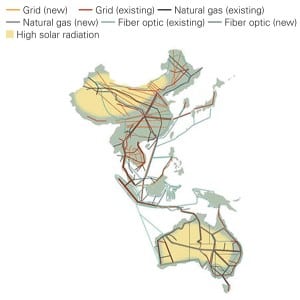
The ambitious Desertec project—a $9 billion initiative to develop, harness, and transmit 2,000 MW of renewable power from North Africa and the Middle East to Europe by 2050—has been trumped by a vaster concept that spans Asia and Australia.
-
 O&M
O&M7EA Conversion Saves Time and Money
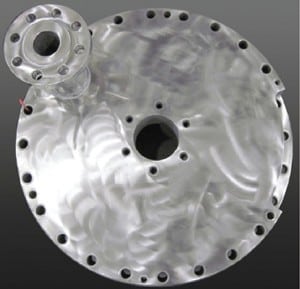
ProEnergy Services (PES) was recently contracted to install six Frame 7 DLN1.0 dual-fuel assemblies in Venezuela. The problem: The lead time to purchase the conversion hardware from the original equipment manufacturer (OEM) would not meet the customer’s schedule. The only option was for PES to convert the fuel nozzles removed from a gas-only unit to a dual-fuel configuration, a process that had never before been attempted.
-
 Coal
CoalVietnam Works Hard to Power Economic Growth
For the past 15 years, Vietnam has enjoyed enviable gross domestic product increases, averaging 7% annually. That kind of economic growth increases power demand, but financing new capacity remains a challenge. Reaching its ambitious capacity growth goals will require Vietnam to expand its financing and vendor base, attract foreign investment, and ensure future fuel supplies in a region thick with competition for those resources.
-
Legal & Regulatory
Fracking: With the Gas, a Flow of Litigation
The rapid growth of gas extraction by hydraulic fracturing has drawn increasing allegations of property damage and health risks. In many cases, these allegations are being followed by a wave of lawsuits.
-
O&M
The End of the Line for Pipe Cleaning with Natural Gas?
Piping at gas-fired plants has long been cleaned using compressed natural gas because of its easy availability. The big problem? It’s also explosive. The fatal 2010 blast at the Kleen Energy plant in Connecticut began a shift toward safer alternatives such as nitrogen and compressed air that is gathering increasing momentum.
-
Gas
Turbine Suppliers Pursue a Different Niche: Steel Mills
Steel mills have long recaptured flue gas from the blast furnace to generate local power and steam. But advances in gas turbine technology have taken what was a low-tech means of increasing plant efficiency and given mill owners ways to increase profits through selling electricity and greatly reducing emissions through more efficient combustion.
-
Gas
Gas Glut Remains, Prices Keep Falling
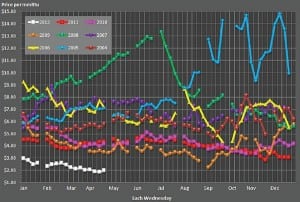
Surging supply and plummeting prices during 2011 have worked a sea change in America’s energy policies and use of natural gas. How long can it go on?
-
Gas
American Electric Power Finally Flips the Switch on Beleaguered Ohio Plant
Timing is (almost) everything when it comes to building new power plants. Nobody knows that better than AEP, which finally got a happy ending to a story that took over a decade to complete.
-
Gas
Gas Power Leads Both New Capacity and Retirements
The 2000s saw dramatic growth in gas-fired power generation capacity. But, surprise–this growth was also accompanied by the retirements of numerous older gas-fired plants.