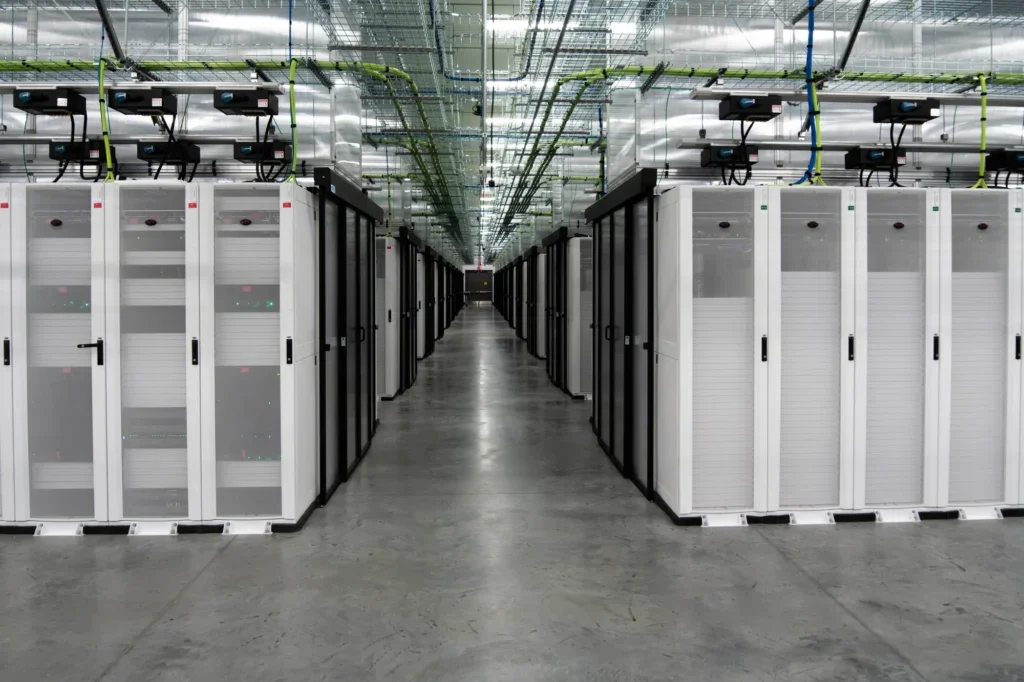
NERC’s recent Level 3 alert flagged something that should concern every data center operator: Artificial intelligence (AI) facilities are causing sudden 1,000+ MW load swings in single events. Inside the facility, the challenge is detecting and preventing the cascade of failures that compressed timelines now make inevitable.
AI workloads have changed how data centers operate. Rack densities have climbed from roughly 20 kW to 100+ kW. Cooling systems, electrical infrastructure, pumps and UPS systems are running closer to their limits, continuously. Most data center reliability programs haven’t kept up.

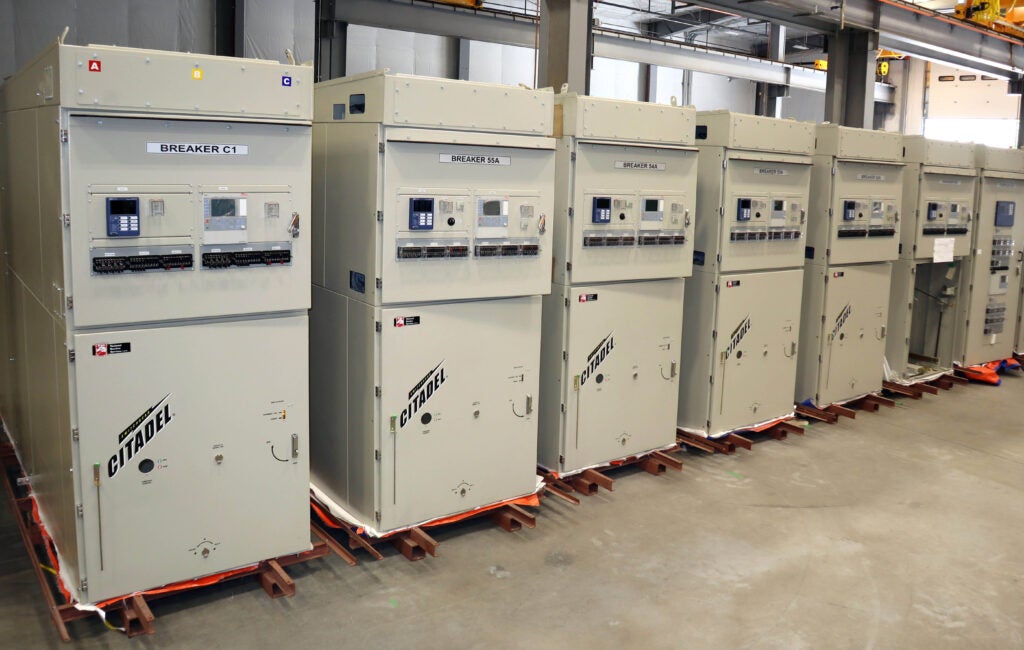
Periodic manual inspections and threshold-based alarms used to be enough to catch degradation before they turned into an outage. Now, localized overheating in switchgear, cooling instability and electrical stress can escalate in a matter of hours. A degrading UPS battery string or a cooling issue under sustained AI load may only become apparent once systems are already strained, and siloed monitoring tools make detection even more difficult. Thermal imaging of switchgear, vibration analysis of cooling systems, and continuous electrical monitoring of UPS behavior can each surface degradation hours or days before a threshold alarm fires–giving operators the margin they need to act.
More than 70% of data center outages are due to preventable power and cooling failures. Operators are often missing degradation early enough to act.
Staffing pressure makes that gap harder to close manually. Facilities are getting larger and more complex, while on-site engineering teams are leaning out. Data center operators are managing more assets, more variability and less margin for error than before.
A single sensor or a quarterly inspection cannot tell you that a cooling pump is trending toward failure or that heat is building inside switchgear before an alarm threshold is reached. But the signals are there. Thermal monitoring catches heat building in switchgear and electrical distribution before it trips a breaker. Vibration and acoustic signals surface degradation in cooling pumps and fans before performance drops. Continuous electrical monitoring can identify UPS battery behavior and load anomalies that only appear under sustained stress.
AI infrastructure is scaling faster than most reliability programs were designed for. Facilities that layer thermal, vibration, and electrical monitoring across critical infrastructure catch degradation while systems are still within safe margins. A single prevented outage typically justifies the investment in continuous monitoring, and that’s exactly what operators are discovering when they get this right.
—Asim Akram is CEO for MultiSensor AI.