Nuclear power is again central to America’s energy conversation. Small modular reactors (SMRs), advanced reactor designs, and the potential restart of shuttered utility‑scale plants dominate headlines. The excitement is understandable: nuclear energy offers reliable, carbon‑free baseload power and strengthens energy security.
But focusing solely on reactors misses the larger picture. A resurgent nuclear industry cannot succeed unless the U.S. invests in the entire nuclear fuel cycle—from uranium mining to long‑term waste storage. Without strengthening this industrial backbone, nuclear power’s potential may remain more aspiration than reality.
COMMENTARY
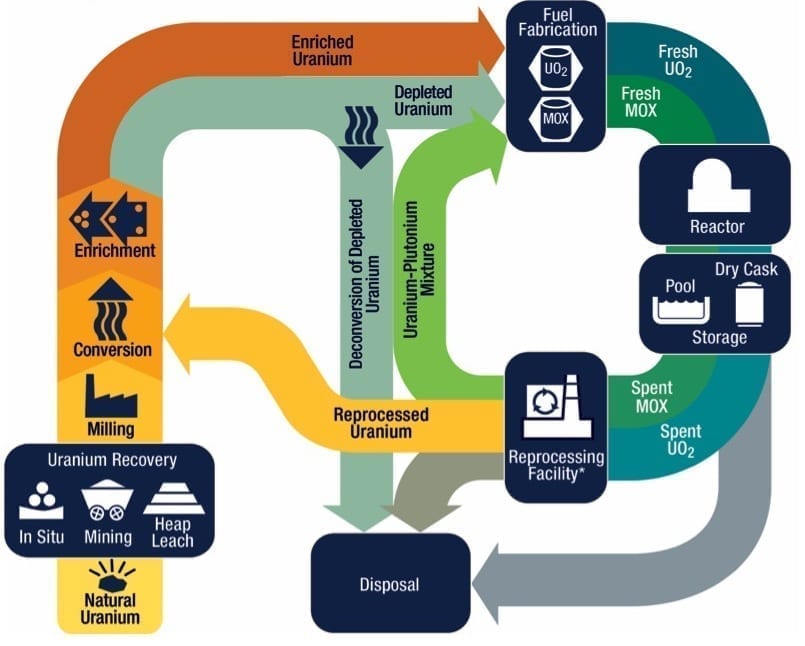
The nuclear fuel cycle begins with mining uranium ore and continues through conversion, enrichment, fuel fabrication, transportation, utilization, and ultimately the management of spent nuclear fuel (SNF). Reactors tend to receive the most attention, but every stage is essential. Each must scale in capacity, workforce, and regulatory readiness to allow nuclear power to play a meaningful role in the nation’s energy future.
Domestic uranium mining has dwindled. The U.S. relies heavily on imports, particularly from Russia. The 2024 Prohibiting Russian Uranium Imports Act banned imports of Russian natural uranium and unirradiated low‑enriched uranium (LEU), incentivizing domestic production. Recent statistics show growth in U.S. uranium output, but further expansion faces hurdles, including lengthy permitting processes, environmental reviews, community concerns, a shortage of skilled labor, and substantial capital requirements. A stable domestic uranium supply is essential to support existing reactors and a new generation of advanced designs.
After mining, uranium must be converted into uranium hexafluoride and enriched to increase the concentration of U‑235. Conversion is a bottleneck, with only one operating U.S. commercial conversion facility and a second under consideration. Enrichment capacity is limited, historically relying on a single commercial facility. Federal incentives have spurred companies to develop new enrichment facilities and technologies, including production of high‑assay low‑enriched uranium (HALEU)—a fuel required for many advanced reactors but with a limited domestic supply chain. Investment in conversion and enrichment infrastructure is needed to ensure advanced reactors can obtain needed fuel.
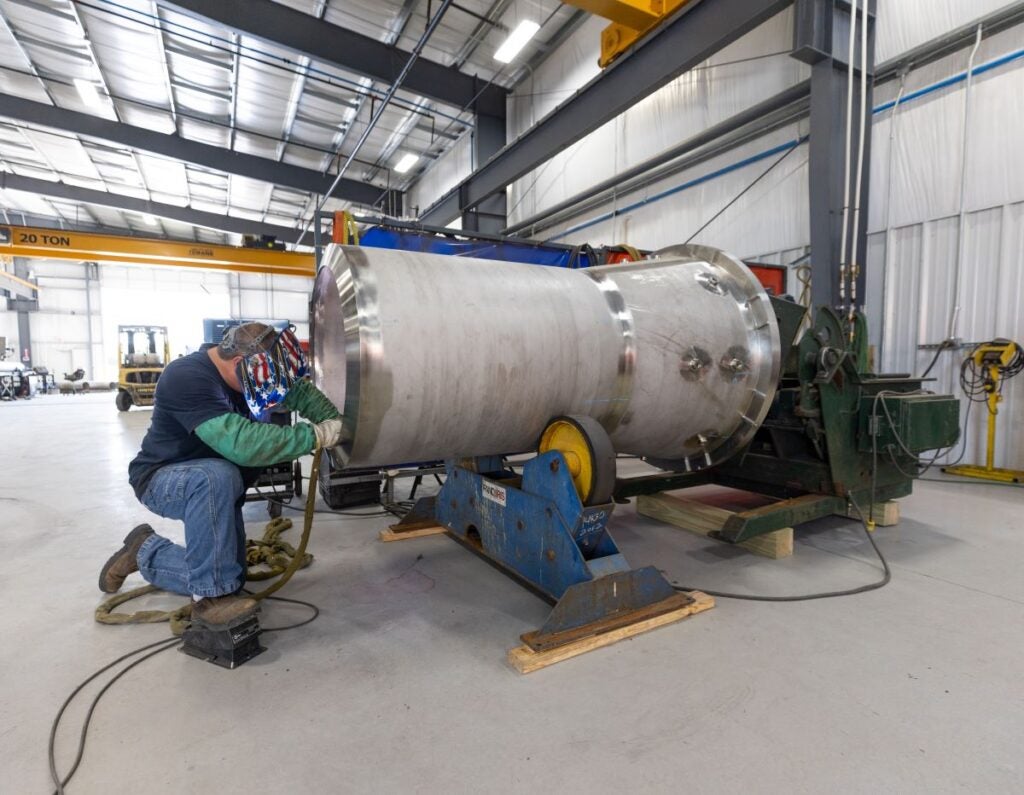
Fuel fabrication facilities take enriched uranium and manufacture it into fuel assemblies tailored to specific reactor designs. Fabrication capabilities for traditional light‑water reactors are well-established, but many SMRs and advanced reactors require new fuel types—such as TRISO (TRi-structural ISOtropic) particles, metallic fuels, or HALEU‑based assemblies. Building these fabrication lines requires capital, regulatory approvals, and specialized expertise. With federal support, several companies are rising to the challenge, but a more robust fabrication ecosystem will be needed to move advanced reactors from demonstration to commercial deployment.
Nuclear materials must be transported safely and securely, requiring certified containers, specialized railcars, trained personnel, and detailed routing approvals. The U.S. has a limited number of licensed container designs and manufacturers; certifying new ones can take years. Transportation capacity must expand or risk becoming another bottleneck that slows reactor deployment and fuel delivery.
No discussion of the fuel cycle is complete without addressing SNF. Today, most SNF is stored at reactor sites in dry casks—a safe but temporary solution. With the failure of the Nuclear Waste Policy Act, the U.S. lacks both a consolidated interim storage facility and a permanent geological repository. A wave of new reactors will only increase the volume of SNF. A recent congressional hearing underscored that a credible long‑term waste strategy is essential for meaningful nuclear expansion.
The nuclear fuel cycle is governed by a complex regulatory framework involving multiple agencies. The Nuclear Regulatory Commission (NRC) oversees conversion, enrichment, fuel fabrication, transportation, and spent fuel storage. The NRC, Department of Energy (DOE), Environmental Protection Agency, and other federal and state regulators oversee uranium mining. The Department of Transportation regulates the movement of nuclear materials, while DOE is responsible for long‑term waste disposal.
This framework is robust, but not designed for today’s diverse, innovation‑driven nuclear industry. Problems include lengthy and unpredictable permitting timelines and regulations tailored to legacy technologies. Industry leaders are not calling for weaker safety standards; they need modernized, risk‑informed regulation that provides clarity and predictability. The 2024 ADVANCE Act has prompted progress at the NRC, and additional coordinated improvements are needed across the entire fuel cycle.
The Trump administration has taken steps to rebuild the nation’s nuclear industrial base. Executive orders issued in 2025 directed federal agencies to develop a coordinated national strategy for domestic uranium production, expanding conversion and enrichment capacity, and supporting privately funded fuel‑cycle facilities. The orders also instructed DOE to evaluate long‑term SNF management options, and assess infrastructure needs for transporting nuclear materials. These directives—along with agency actions on fuel‑cycle regulations, consent‑based siting for SNF storage, transportation planning guidance, and related issues—represent the most comprehensive federal effort in years to address fuel‑cycle challenges and lay the groundwork for a more resilient, domestically anchored nuclear sector.
The promise of nuclear power cannot be realized through reactor innovation alone. Every stage of the fuel cycle depends on the stages before and after it, and underinvestment in any single stage can stall the entire system. The economic and national security opportunities are enormous: revitalized domestic manufacturing, high‑skilled jobs, technological leadership, and energy independence. With coordinated investment and updated policy frameworks, the U.S. can build a nuclear future that is secure, sustainable, and globally competitive.
—Tom Dougherty leads the Nuclear Sector Team at Womble Bond Dickinson.