For ages, diesel generators have sat behind hospitals and on campuses waiting to do one job: provide power for a few hours each year when the lights inexplicably go out. Today, the narrative is changing—and fast.
When U.S. Secretary of Energy Chris Wright wrote to the nation’s grid operators on Jan. 22, 2026, asking them to be ready to tap backup generation at data centers and major facilities ahead of Winter Storm Fern, his letter put a number on something the power industry had been circling for years: more than 35 GW of unused backup generation sitting idle across the country, available—if the rules and the wires would let it move. Wright’s draft order, developed under Section 202(c) of the Federal Power Act, would reach auxiliary, standby, directly connected, and battery storage systems “regardless of whether they are synchronized to the bulk system,” to be called on after demand response is exhausted and before a reliability coordinator declares an Energy Emergency Alert Level 3.
That is a remarkable sentence. Backup power, historically the most passive asset class on the grid, is being asked to step up as a system resource—not in some future energy landscape, but on a Thursday in January, with a storm coming. Talk to the people who actually sell and integrate this equipment, and Fern looks less like a one-off than a milestone on a curve they have been watching bend for years.
The Customer Conversation Has Changed
David Stutzman, a Cat Electric Power territory manager, said the question buyers ask now is not the question they asked five years ago. “Our customers are increasingly interested in the opportunities for monetizing their power assets through using a distributed energy resource management system [DERMS],” he told POWER. “When they aren’t using an asset for emergency back up power—which may happen two to four times a year—they can use the asset for additional savings and income by participating in utility energy programs.”
Two technical shifts have made that pivot practical. The first is fuel. “Natural gas generator sets are becoming more popular due to their flexibility and lowering GHG [greenhouse gas] emissions compared to diesel,” Stutzman explained. “Gas gensets tend to have more ratings like demand response compared to diesel, which means customers can take advantage of energy programs.” The second is performance: gas units have closed the gap on diesel. Stutzman noted, “Gas generator sets have improved their transient and start-up performance, which are now in line with diesel performance, meaning there is minimal compromise—in terms of engine performance—when choosing gas.”
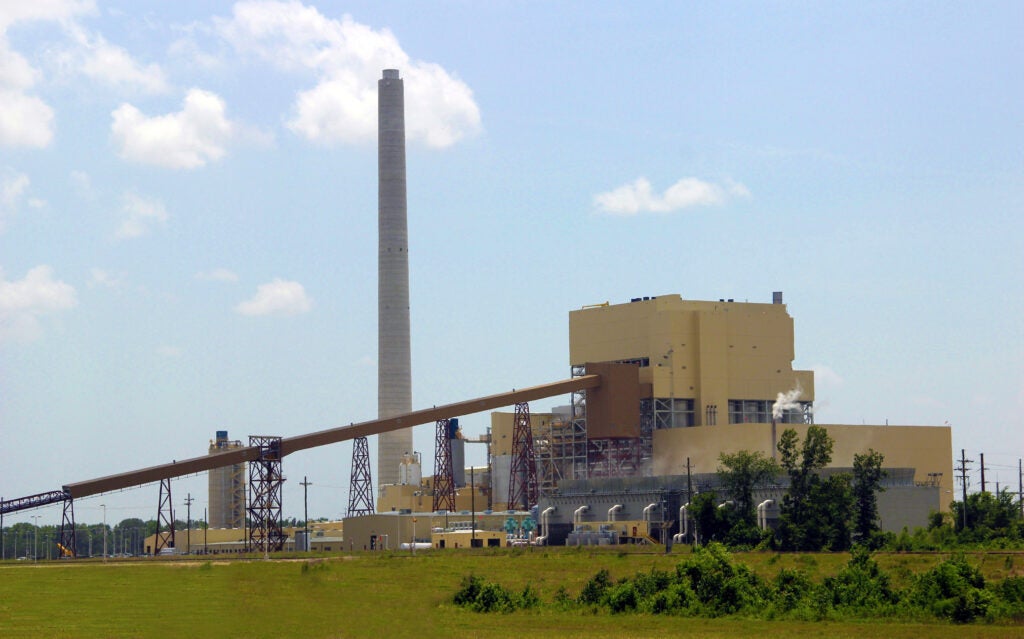
Where is the demand coming from? The obvious answer is the obvious answer. “We’re seeing the greatest surge in demand for backup power coming from large multi-unit deployments to support data centers and AI [artificial intelligence] applications,” Stutzman said. The less obvious answer is what should interest anyone who watches the broader grid. “We are also seeing increased demand from rapidly growing sectors like supermarkets, retail, and laboratories [Figure 1], driven by rising energy prices and grid instability.” Backup power, in other words, is graduating out of the hospital basement and into the strip mall.
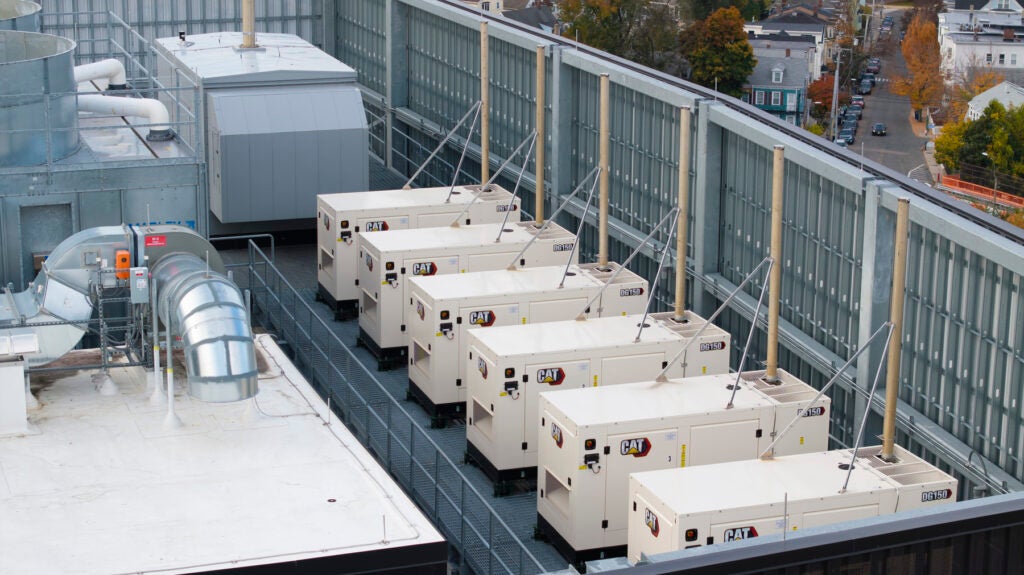
Stutzman noted that backup power has “always been essential” for facilities requiring uninterrupted power, which includes data centers, healthcare clinics, retirement homes, and wastewater treatment plants, but that list is being extended to many other industries today. “We are seeing increasing demand from supermarkets, retail buildings, laboratories, and///. hotels who are recognizing the need for backup power, prompted by more frequent power outages and the necessity to maintain operations such as refrigeration and payment systems.”
Battery, Fuel, and the Bridge-to-Grid
If the commercial story is monetization, the engineering story is integration: how batteries, alternative fuels, and engines fit on the same pad and answer to the same controller.
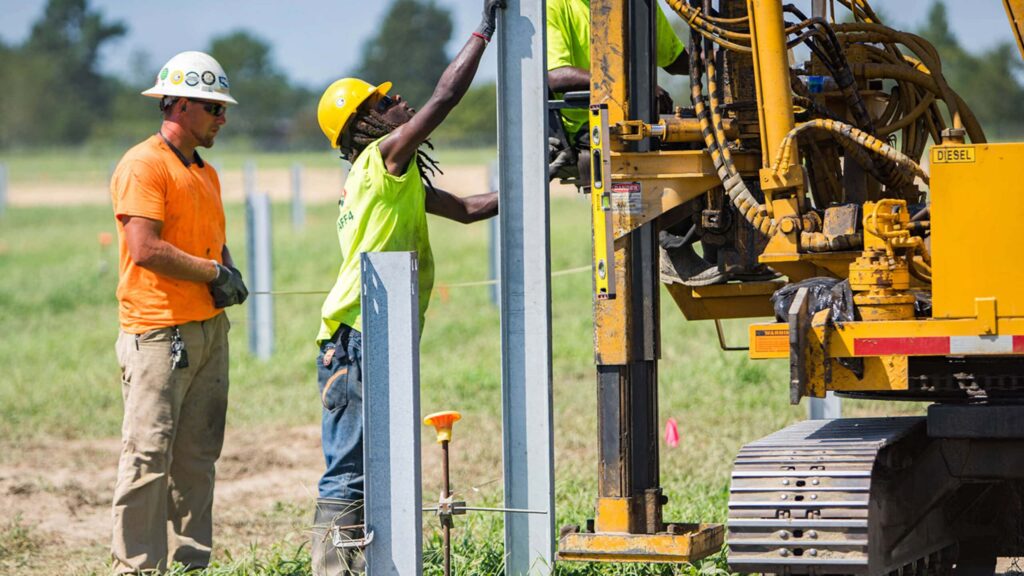
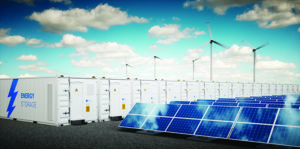
Holly Gregory, a Cat Electric Power senior product consultant, frames batteries less as a backup source than as a flexibility layer (Figure 2). “Battery energy storage holds more value when used as more than a backup source of power,” she said. “It can help offer the flexibility for using alternative fuels in various applications, whether off grid or grid tied.” Storage, in her telling, can do three different jobs depending on the day: “generate power to substitute for grid supply, support the grid supply as required, or act as a bridge-to-grid solution to deliver power until a connection to the grid can be made.”
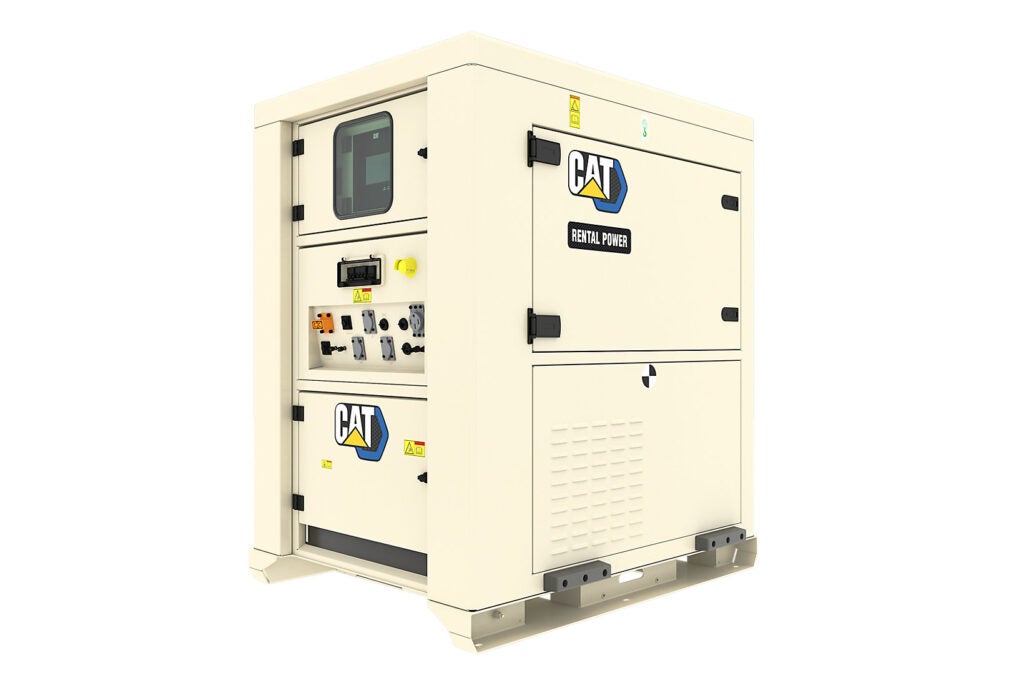
That last role—bridge to grid—is increasingly the one that matters in the AI buildout, where utility interconnection queues are years long. As Gregory put it: “Since AI infrastructure buildouts are often power-constrained, time-to-power is critical. In many cases, hybrid DER building blocks and smaller modular generator sets are more readily available than single, very large generator sets. They’re also typically easier to transport, stage, and install, helping projects move faster from delivery to commissioning.”
Alternative fuels, such as hydrotreated vegetable oil, renewable natural gas, and hydrogen, sit alongside batteries in this picture rather than competing with engines. They can be, Gregory said, “a complementary technology to generator sets and battery energy storage during extended outages, as a strategy for lowering GHG emissions, and to improve site economics.”
The piece that ties the rest together is controls. “With strong site controls, microgrids can add capacity in increments and provide tuning for dynamic load profiles by integrating hybrid, flexible DERs such as solar PV, battery energy storage, and smaller modular generator sets,” Gregory said. The controller is what turns a yard full of equipment into a single dispatchable thing—synchronizing assets, sharing load, and adding or dropping it on demand to hit whatever objective the operator sets, such as improving fuel efficiency or lowering GHG emissions.
What Facility Managers Get Wrong
Ask Gregory where buyers most often go astray and the answer is not technical—it is procedural. The biggest failure mode is signing up for the wrong cost structure. “When evaluating potential solutions, one major consideration is capital expenditure versus operational expense. While one solution may have more attractive upfront costs, an alternate solution may be as good if not better over the lifetime of the system,” she noted.
The second failure is sizing without fully understanding the requirements. “Right-sizing is stronger when the solution is based on an understood load profile and priorities rather than nameplate sizing alone,” Gregory said. Meanwhile, customizing a system offers optionality. “A hybrid DER microgrid can give facility managers more operating flexibility since the controller can be configured for different site objectives and operating modes. A manager may wish to prioritize reliability over operating in fuel-saving ‘economy’ mode.”
It is a quiet point, but a significant one: the same hardware can play different roles in different weeks, and the value of that ability compounds over a 20-year asset life.
A Northeast Foodbank’s 3-MW Microgrid
The shift from passive insurance to active asset is easier to see in a single project than in a industry study. Stutzman pointed to a large nonprofit foodbank in the Northeast that, after watching demand triple during COVID and grow another 46% over a recent three-year period, broke ground on a centralized 74-acre campus—roughly 77,000 square feet of warehouse, a 47,000-square-foot commissary, a commercial kitchen, and dedicated repack clean rooms.
The power choice is the part to notice. The facility’s designers decided to go with six Cat CG18 gas generator sets supplying 3 MW of backup power and rated for demand response, enabling the nonprofit to monetize these assets by taking advantage of utility incentives for reducing energy usage during peak demand. The 3 MW of nameplate capacity will be earning the foodbank money. The mission funded the microgrid; the microgrid, increasingly, helps fund the mission.
VPPs, ADER, and the Next Decade of Backup Power
Push Gregory out a decade and she describes a grid that already looks different. “As we consider what the global energy landscape will look like in the future, utility grids are facing significant constraints and stress from rising peak demands, weather volatility, and the increased penetration of renewables. We’re also seeing power generation becoming more dispersed and less centralized,” she said. Her framing of why dispersion matters is worth holding onto: “When centralized systems fail, they fail on a large scale, while dispersed power can keep critical loads alive when transmission is lost,” Gregory noted.
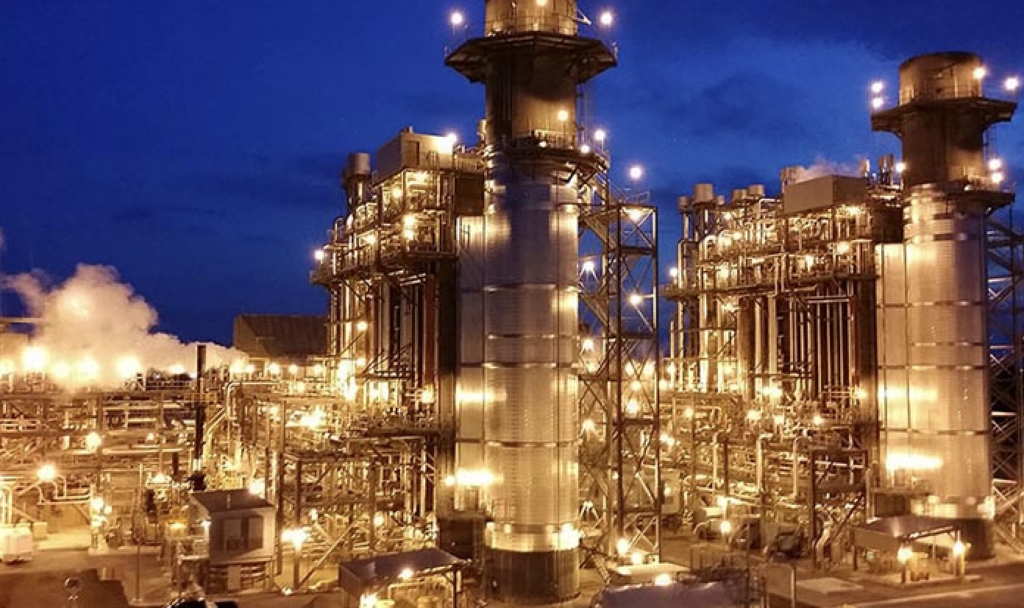
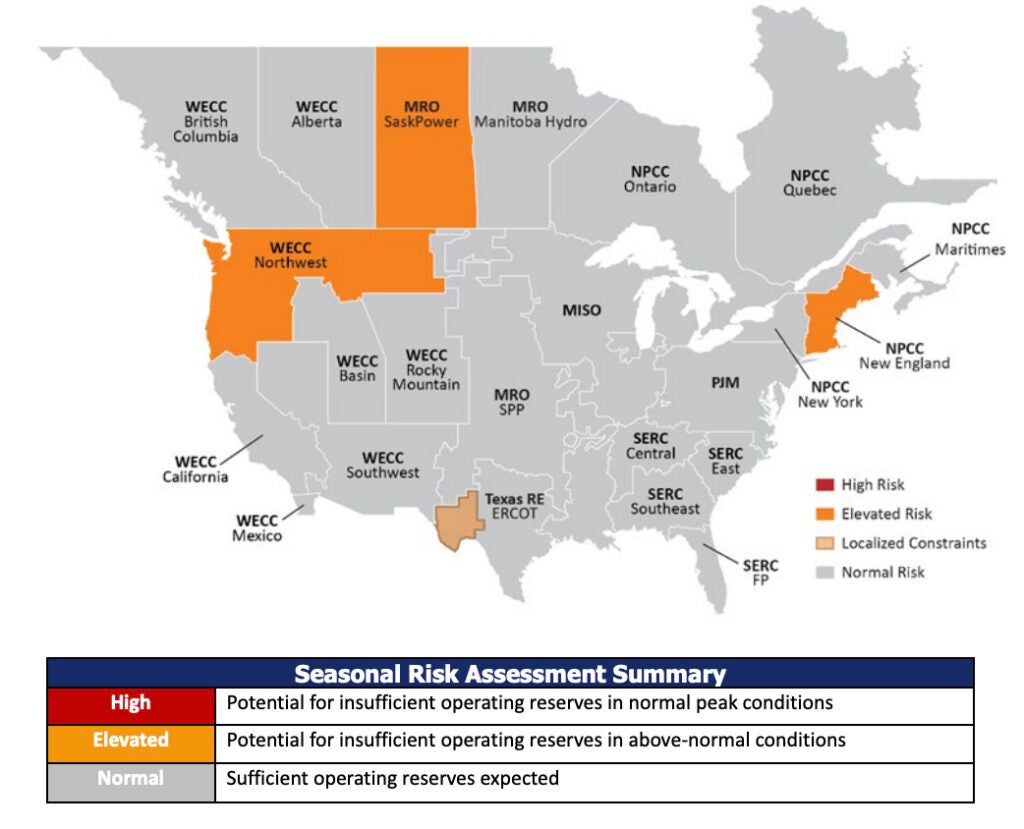
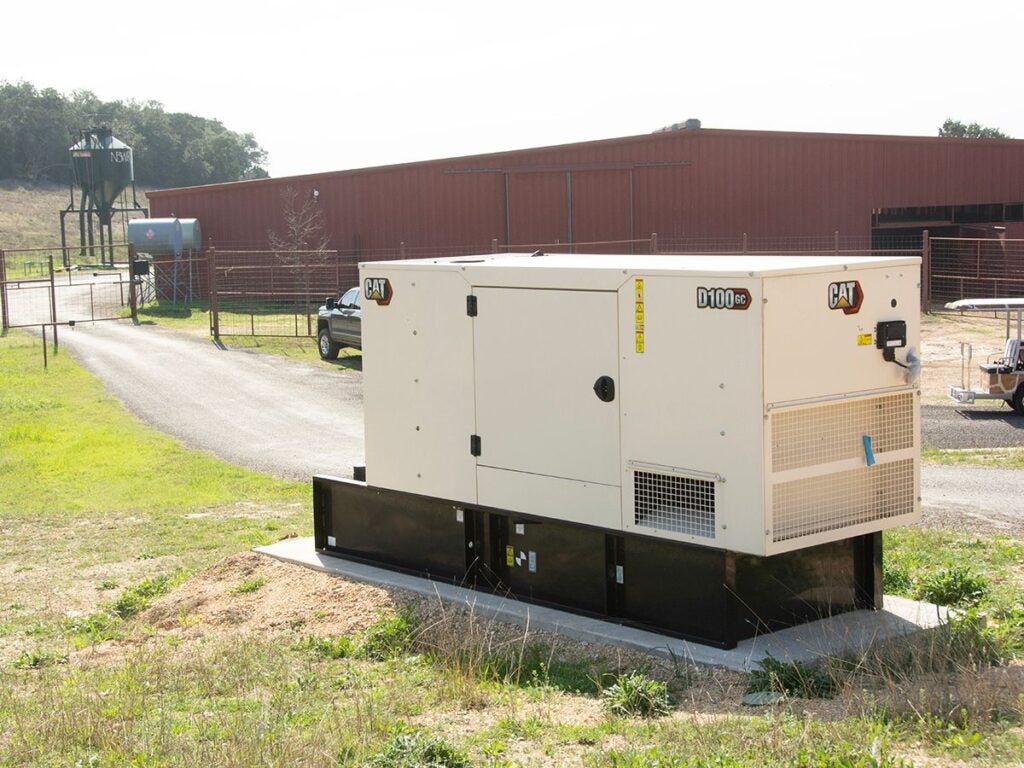
Demand growth is outrunning supply expansion, according to Gregory. “Load growth from data centers, EVs [electric vehicles], and the overall movement toward electrification is faster than the ability to build centralized infrastructure. While backup power generation will always be a necessity [Figure 3], customers now understand the value in making traditionally idle backup assets visible and dispatchable to provide capacity and demand response.”
Virtual power plants (VPPs) are how that visibility becomes revenue. “VPPs, which aggregate customer-sited resources such as backup generation and other DERs, are becoming a more practical way to support grid reliability as a single dispatchable resource that can provide energy and reserve-type services when called upon,” Gregory said. She cited the Electric Reliability Council of Texas’s (ERCOT’s) Aggregated Distributed Energy Resource (ADER) pilot—explicitly designed to evaluate aggregated distributed resources participating in the wholesale sector and responding to ERCOT dispatch instructions—as evidence that the formal industry pathways are starting to open.
Her advice to anyone specifying a system today is procurement-flavored, not technology-flavored: “To avoid getting stranded, buyers should evaluate systems that can start as standby but are easy to turn on for participation later. These systems can include site controls for multi-asset coordination as well as utility protection and power metering. They can also provide a clear path to connect to an aggregation/DERMS layer when programs mature.”
Translation: the equipment you bolt down in 2026 should be ready for an energy landscape that does not exist yet—because at the rate it is being built, it will exist before the warranty runs out.
Interconnection Rules and Tariffs Still Block Microgrid Deployment
There is a sober counterweight to all this momentum, and it shows up most clearly in a March 2026 Lawrence Berkeley National Laboratory report on the regulatory barriers facing microgrids. The technology, the authors note, exists today. The blocker is the rule book. “Most existing legal and regulatory frameworks were designed for a centralized, one-way power system, and are often poorly suited to handle systems that independently balance distributed energy resources with local load, like microgrids,” the report says.
Three Berkeley Lab findings deserve special attention from anyone contemplating a microgrid.
The first is the “anti-islanding” paradox. Interconnection rules were written, historically, to ensure DERs disconnect from the grid during an outage so utility line workers could safely repair the system. A microgrid’s whole value proposition is the opposite: keep running when the grid goes down. The Institute of Electrical and Electronics Engineers (IEEE) 1547-2018 standard provides a sophisticated framework for safe intentional islanding, but the Berkeley authors flag a “regulatory adoption gap”—many jurisdictions still operate under interconnection rules grounded in the older 2003 version, which “effectively prohibits intentional islanding.” A facility can buy state-of-the-art equipment and still be told to obey 2003 rules.
The second is the “blue-sky” conundrum. Caterpillar’s experts describe gas gensets rated for demand response and DERMS-ready batteries earning income on ordinary days. But the Berkeley report observes that “the industry for earning revenue by providing energy and distribution level grid services back to the utility is underdeveloped or non-existent in most states.” Even Federal Energy Regulatory Commission (FERC) Order 2222, designed to open wholesale sectors to aggregated DERs, is being implemented unevenly state by state. The hardware is ready. The industry for what the hardware can do is, in a lot of jurisdictions, still under construction.
The third is rate design. Standby charges, exit fees, and non-bypassable transmission charges all exist for defensible cost-recovery reasons, but they can also, in the Berkeley authors’ words, “make an otherwise financially viable local project uneconomical.” The economics of monetizing a backup asset depend not just on what the asset can do but on what tariff it lives under.
A Pivot, not a Revolution
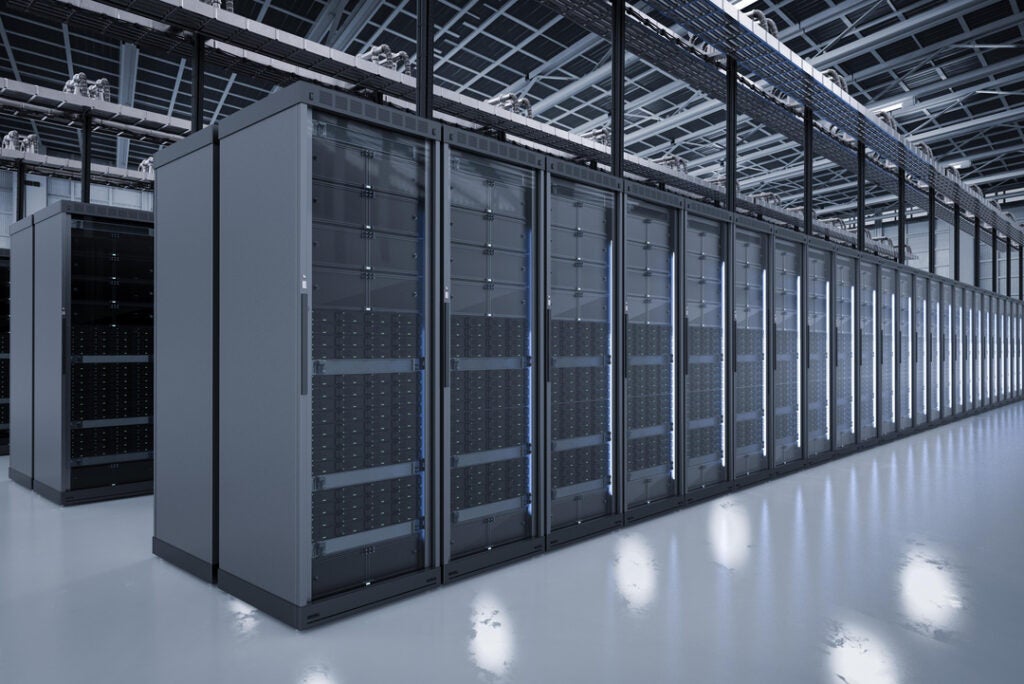
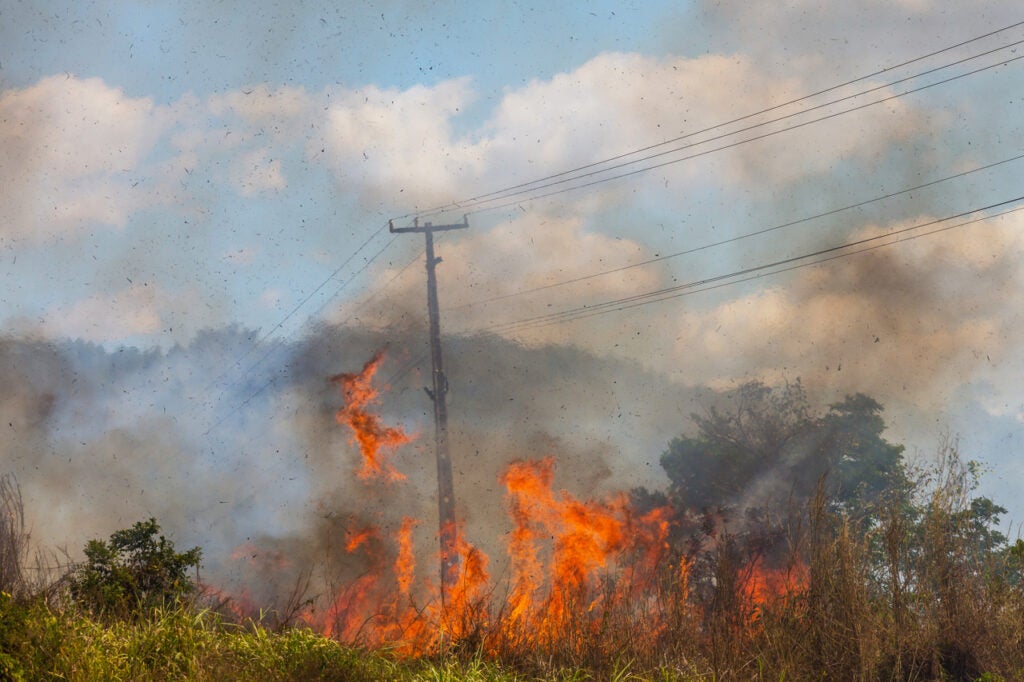
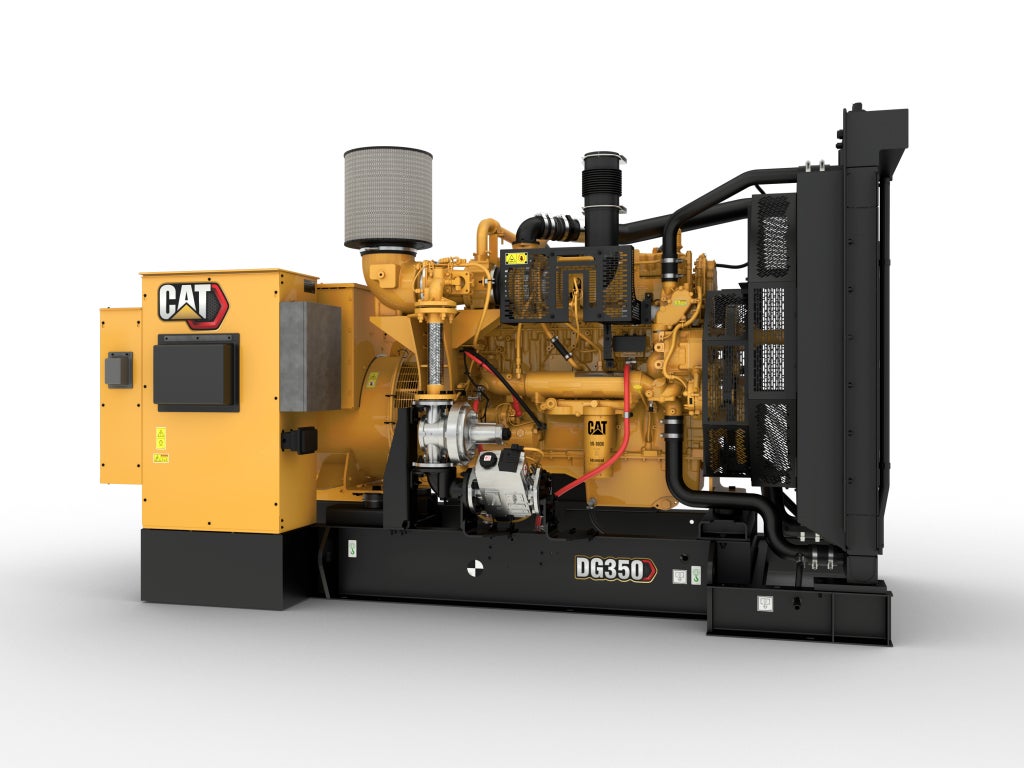
The Wright letter, the Cat foodbank customer, the Berkeley Lab report, and the ERCOT ADER pilot are all the same story told from four different chairs. Backup power is no longer a sealed-off insurance policy that earns its keep over a few hours a year while doing nothing the majority of the time. Rather, it is becoming a portfolio of assets—engines (Figure 4), batteries, controllers, fuels—that look like backup when they need to and look like grid resources the rest of the time.
The technology to do this is, by Gregory’s and Stutzman’s account, mature. The industry designs to pay for it are arriving. The regulatory frameworks to permit it are, in many jurisdictions, 20 years behind. Buyers specifying systems in 2026 will be the ones who decide, with their procurement specifications, whether the 35 GW Wright is hunting for becomes routine grid capacity or stays trapped behind a meter and a 2003-vintage interconnection rule.
The lights, in either case, will stay on. The question is who gets paid for keeping them on—and whether the asset that does it is allowed to do anything else.