For years, the energy industry’s answer to rising demand was simple: build more. More generation, more transmission, more capacity. That logic made sense when large loads arrived predictably and grid operators had room to absorb them. Neither is true anymore.
That pressure is no longer theoretical. States and local governments are starting to respond directly. Maine has already moved to pause new large-scale data center development, and more than a dozen other states are considering similar restrictions or studies. At the local level, temporary bans are becoming more common. These moves reflect a growing reality that the grid is struggling to absorb new demand under current operating models.
The industry keeps talking about a generation shortage. In reality, this is a control problem.

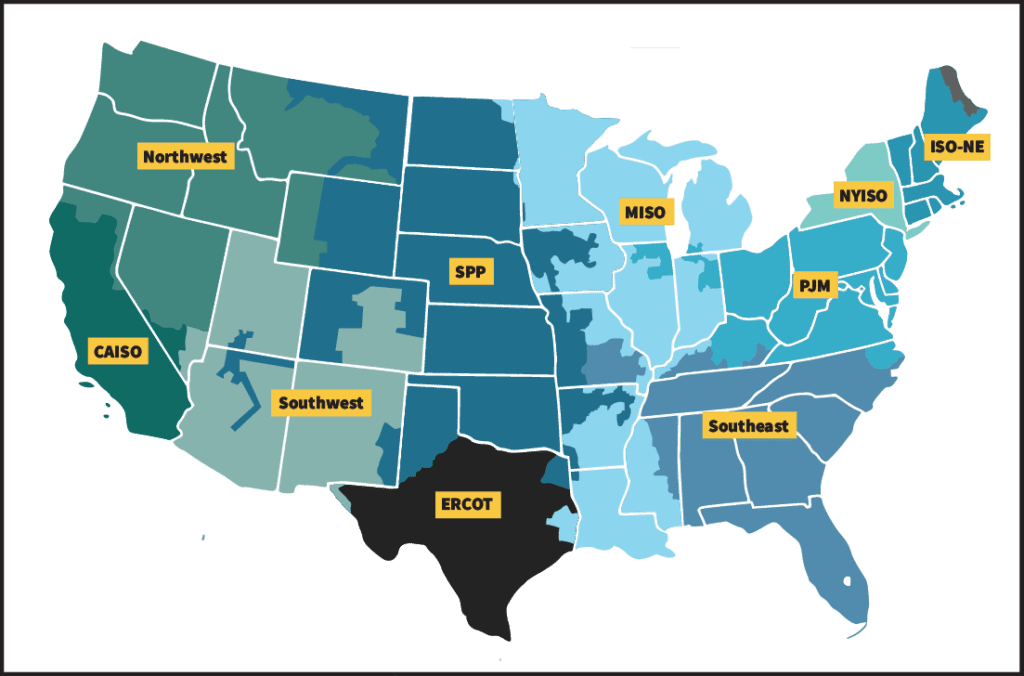
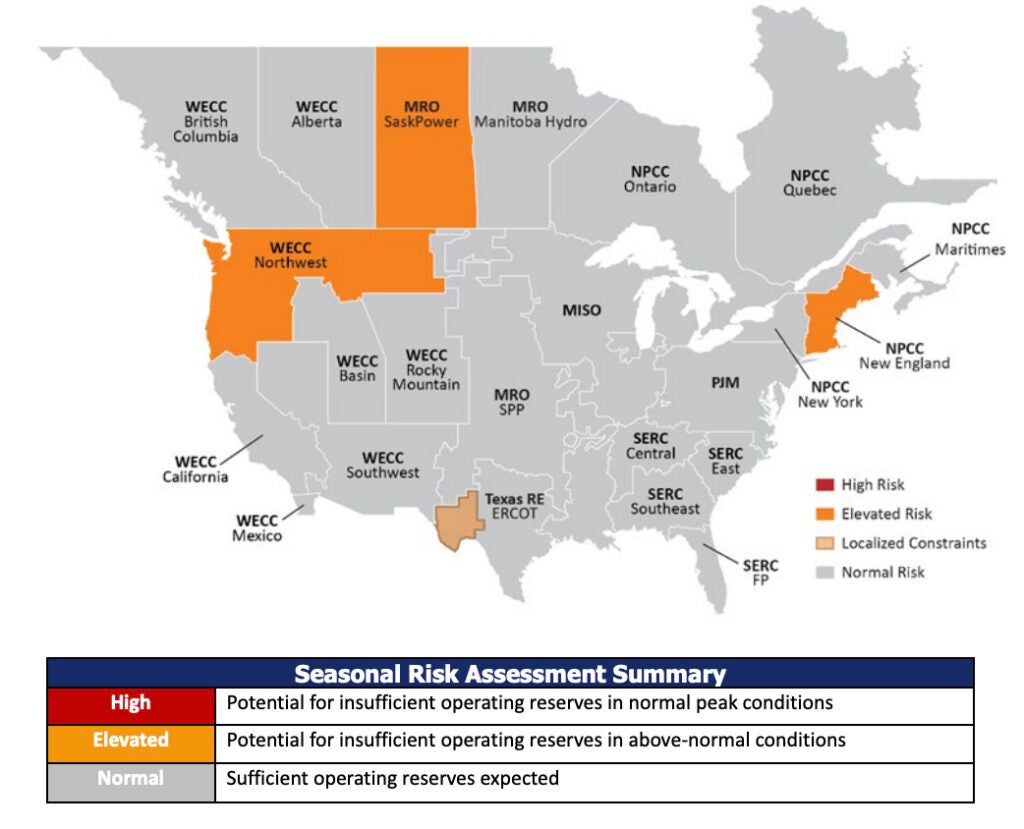
The buildout of AI-driven data centers is already straining the interconnection process. In Texas, ERCOT has started grouping projects together to manage congestion, while prioritizing those that can show they’re ready and able to operate flexibly. In PJM, proposed rules for data center co-location would require large loads to manage demand through onsite generation or curtailment. The message from grid operators is clear: passive loads will wait. Controllable ones will move first.
That shift puts a different question in front of data center developers and other large-load operators. Power is no longer something you figure out after site selection. It determines whether a project moves forward at all.
From Fixed Load to Grid Asset
Data centers have historically operated as fixed loads. Power is contracted, backup systems are tested periodically, and operations are optimized for uptime. That model worked when the grid was stable. It doesn’t work anymore.
Treating large loads as fixed demand is quickly becoming a liability. Utilities and grid operators now need large loads to respond to system conditions in near real time, by adjusting demand or leaning on onsite resources when the grid is stressed. According to OBM’s 2026 State of Flexible Load Management survey of U.S. energy professionals, 63% identify data centers as a top priority for expanding flexible load enrollment over the next several years. Utilities are no longer treating data centers as passive demand. Increasingly, they’re being treated as grid participants.
More than half of those surveyed rank onsite generation as the most important data center capability for improving grid stability over the next five years. But generation alone isn’t the point. What matters is coordination: when to draw from onsite resources, when to curtail, and when to shift workloads without disrupting operations. A data center that can balance utility power, onsite generation, and load in response to grid signals isn’t just a better grid citizen. It’s a more competitive operator in a constrained market.
The Curtailment Problem
For years, curtailment meant one thing: off. A simple signal triggered a full reduction in load, often manually executed, with no gradation between full operation and complete shutdown. That worked when the grid was predictable and the loads were industrial facilities with relatively simple operating profiles.
AI infrastructure breaks that model. High-density compute environments aren’t something you can just switch off without consequences. At data center scale, flexible load management comes down to coordinating compute workloads, cooling, storage, and onsite generation in real time—and doing it without disrupting performance. That kind of control doesn’t come from legacy curtailment systems with automation bolted on. It has to be built into how the facility operates from day one.
Operators who defer this capability will end up re-engineering under pressure, likely during a grid emergency, with regulators and customers watching. The margin for that kind of delayed response is shrinking.
What the Grid Actually Needs
AI is driving demand growth, and it’s also becoming part of how that demand gets managed. Operators are using predictive tools to anticipate load, better time dispatch, and coordinate onsite resources with changing grid conditions. When combined with automated demand response and behind-the-meter controls, this starts to reduce the need for reactive decision-making.
In constrained markets like ERCOT and PJM, this is quickly becoming a dividing line. Operators building this capability now aren’t just protecting their own uptime, they’re the ones more likely to get connected in the first place. When interconnection comes down to readiness, flexibility becomes a competitive advantage.
Grid strength in the age of AI won’t be defined only by how much capacity gets built. It will come down to how much of that capacity can actually respond in real time. The data centers that move first on this won’t just ride out the power crunch—they’ll be part of the solution.
—Jeremy Ellis is director of Power Strategies at OBM.