The Cuban state-owned Cuba Petroleo (Cupet) announced in April 2026, via its Facebook page, that Cuba’s first biomethane plant, located in the municipality of Martí, Matanzas province, has progressed to its final assembly and production phase.
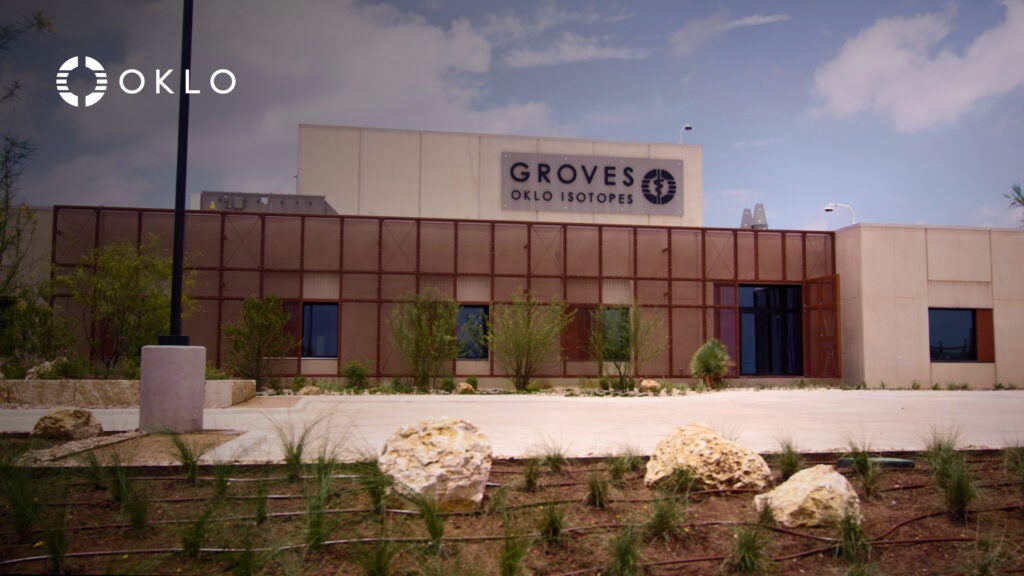
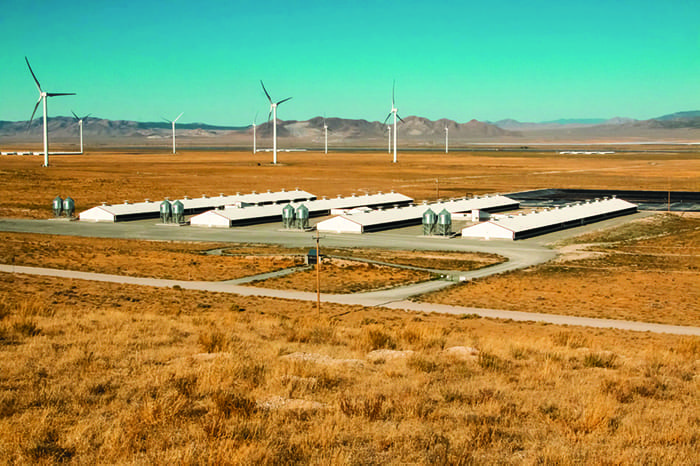
Edrey Rocha González, Cupet’s general director, supervised the work on this facility, designed to produce biomethane to fuel buses and generate electricity for its own operation. The project (Figure 1) is under the technical leadership of the Petroleum Research Center and involves Cupet entities such as the Petroleum Engineering and Projects Company, the Petroleum Maintenance Company (Empet), and the Oil and Gas Drilling and Extraction Company.
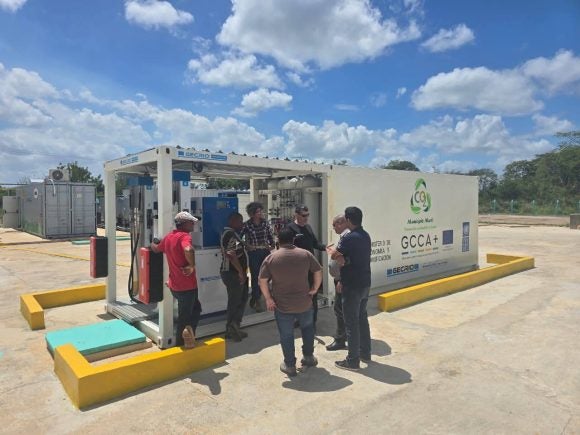
The initiative is financed by the European Union through the United Nations Development Programme (UNDP) and coordinated by the Ministry of Economy and Planning. According to Cupet, specialists from Spain were scheduled to commission the plant shortly after the announcement.
The visit from Cupet’s top management allowed them to assess the potential for applying similar technologies in other areas of the national oil industry. The project’s promoters anticipated a technical start-up in April and planned to proceed with parameter adjustments in order to inaugurate the facility.
“We expect that by April 19th, the five buses, fueled by the biofuel, will be operating, providing urban transportation service in the municipality and connecting it with Cárdenas and Matanzas,” explained Sobeida María Reyes Martínez, Director of Development for Martí municipality.
The coordinator of the project, titled “Global Action for Climate Change in Cuba: Municipality of Martí Towards a Carbon-Neutral Sustainable Development Model,” explained that it has three fundamental objectives. “The main objective is to get the biomethane plant and the five buses up and running; the second is to implement agroecology on 10 small farms; and the third is to strengthen government capacity,” Reyes Martínez explained.
“We have successfully met objectives two and three; today, local governance has been instrumental in driving the plant’s construction, which stands out as a pilot project in Cuba and one of the first in Latin America,” she emphasized.
“Financed by the European Union and implemented by the United Nations Development Programme, this project is overseen by the Ministry of Economy and Planning, and we, as the municipality, coordinate it locally,” Reyes Martínez stated.
Due to the project’s importance, Mario Sabines Lorenzo, First Secretary of the Communist Party of Cuba in Matanzas Province, and Marieta Poey Zamora, Governor of the province, are closely monitoring its progress. Roberto Rangel Ortega, Cuban Vice Minister of Economy and Planning, also oversees its implementation.
Biomethane offers numerous benefits and uses, among the most notable being energy independence, as it reduces the use of imported fossil fuels and contributes to energy security, not only in Cuba, but also in many other countries. In addition to supporting sustainability, reducing pollutant emissions, and lessening environmental impact, it also boosts the economies of the cities where it is used.
“In the case of this plant, the gas it receives comes through pipelines from biodigesters located 9 kilometers (km) and 5 km away,” Ramón Castellarnau Font, a specialist at Gea Energia Crio S.L. (GEcrio), a company providing solutions, equipment, and services for the cryogenic industry, explained to the local newspaper Girón.
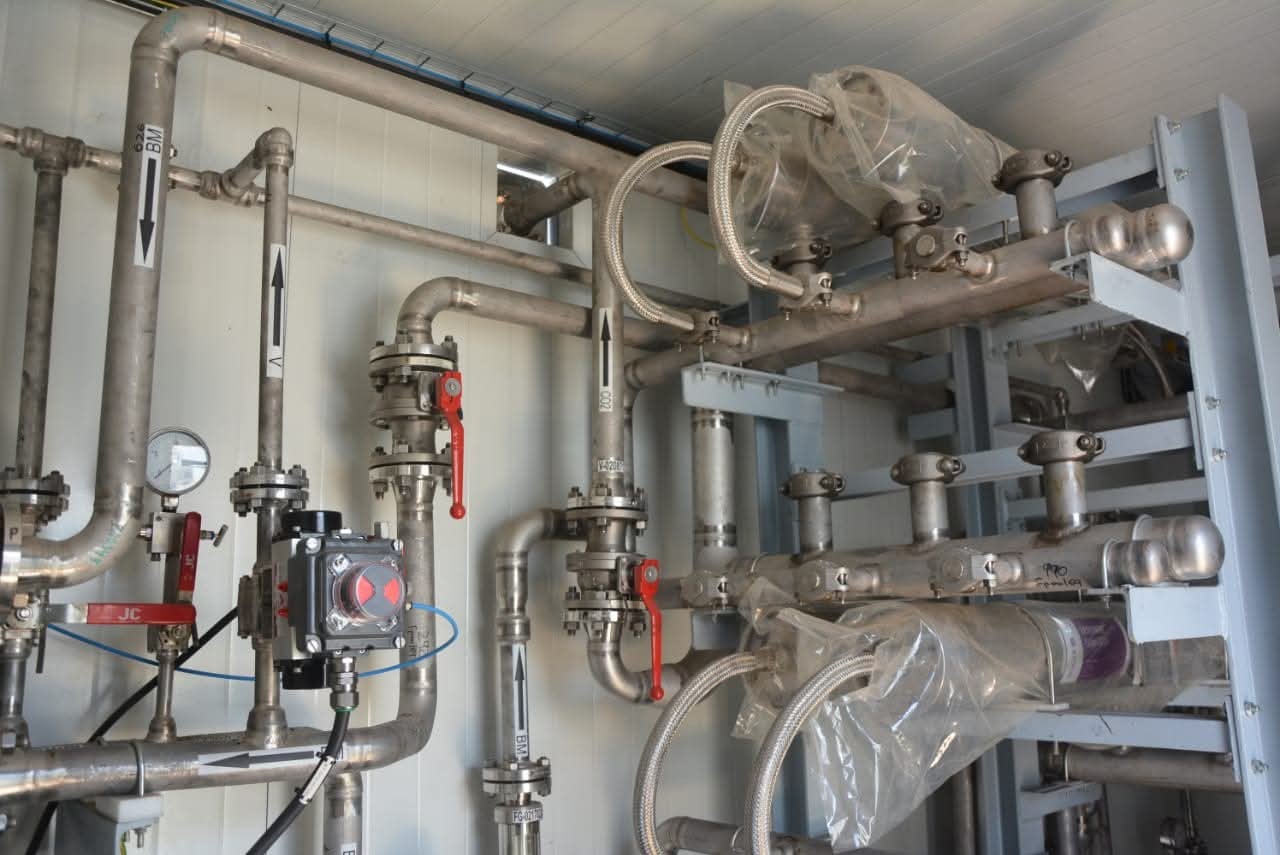
“We have the gasometers, which is where all that ‘dirty’ biogas accumulates. The plant removes the hydrogen sulfide and CO2 [carbon dioxide]. We compress this clean gas to high pressure, up to 200 bar, and store it in cylinders located in the vehicle refueling area. In addition to the five buses, there are also two vans that run on it and have a range of 300 to 400 km,” Castellarnau said.
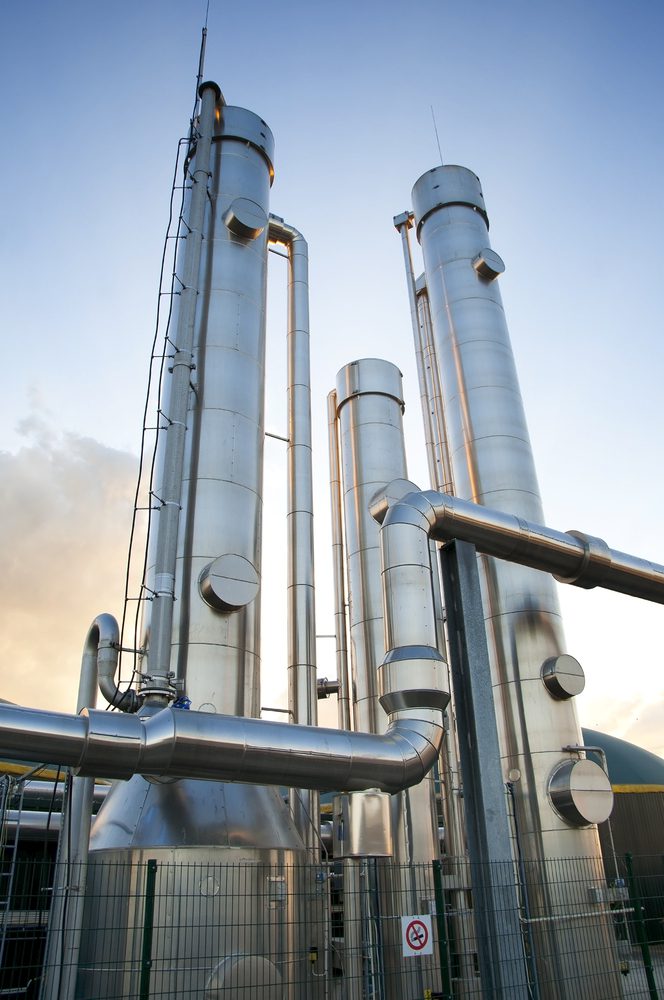
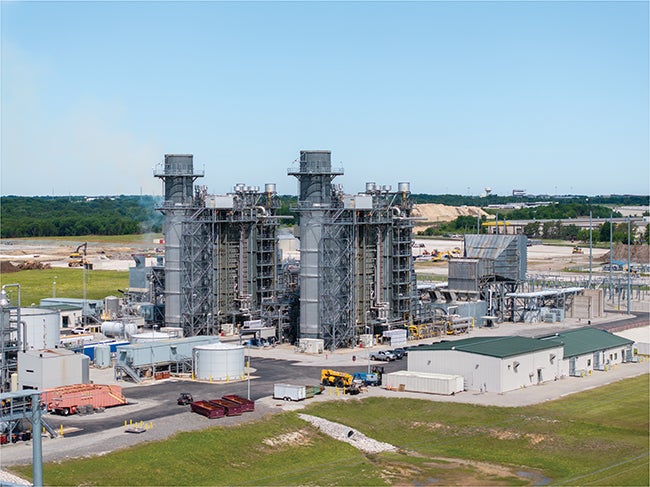
The plant (Figure 2) has a production capacity of 150 cubic meters of raw biogas per hour, yielding about 40 kilograms (kg) of purified biomethane. One of the experts explained, “It’s essential that we have enough gas at the inlet to produce, because the digesters are feeding the biogas; it’s a living substance that is affected by temperature, the quality of what the pigs have eaten—it’s affected by everything. So, we have to keep adjusting it. That’s why, to avoid supply problems, we have 98 cylinders here, representing 5,000 kg of gas. Each bus has a maximum fuel capacity of 90 to 100 kg, so there’s plenty of reserve to power all the buses. We’re currently in the commissioning phase, identifying any potential issues with the plant, adjusting parameters and sensors, and starting production.”
What Else Can Be Done with This Gas?
“At this plant, we even have a second option,” the expert said. “We can take the less-clean gas and use it to generate electricity. The plant includes an electric generator that runs on 40–60% methane, which isn’t as clean as the gas the vehicles need. In other countries, it’s used for other domestic purposes like heating and cooking.
“Regarding the advantages of this plant for Cuba, I’d say there are many, especially in these difficult times. On a social level, having vehicles that run on this energy could be a radical change,” the expert noted.
Challenges to Overcome
Castellarnau emphasized that the plant’s performance depends on the amount of biodigesters that generate waste, which is influenced by the number of pigs being raised, their feed, and other factors that must be addressed. Nelson Martín Cabeza, provincial director of the swine company, warned that the food situation has led to a significant decrease in production at the Martí breeding unit. “We’ve had to make drastic and complex decisions, including the culling of animals, with the knowledge of the authorities, and allocating them to feed the most vulnerable,” he conceded.
The company employs approximately 60 workers, and currently only has 183 breeding sows out of the roughly 500 that existed at the beginning of the year. Even so, they are not standing idly by in the face of these challenges and have already begun working on various alternatives, such as other food options, production chains, and including local producers. These processes are being closely monitored by Rangel Ortega, as well as the government authorities in the province and municipality. Other pig farming companies will also contribute to the project.
Clean Energy in the Spotlight of Development
The GEcrio specialist explained that the use of biomethane is not complex. “Here, for example, at this plant, we have two models of fuel dispensers: the standard one, which is the one used in Cuba, and a larger one, which has a greater capacity and fills faster. It’s a very safe system, which in Europe operates 24 hours a day and is self-service. It can take between 10 and 20 minutes to fill up, depending on the vehicle. In Europe, all city gas is natural gas. There are LNG [liquefied natural gas] tankers around the world that come from Algeria or other countries, where the gas is liquefied, transported by ship while cold, and then heated upon arrival at its destination and made available for consumption. It is also obtained through a network of pipelines connecting countries, with Russia being one of the suppliers.”
The Matanzas province’s commitment to using biogas as a renewable energy source and the upcoming commissioning of the biomethane plant, which would significantly improve transportation within the province, are generating great expectations.
—Amaury Pérez Sánchez (amauryps@nauta.cu) is a chemical engineer based in Cuba with the University of Camagüey.