
weather
-
 Trends
Why This Summer’s Heat Proved the Case for a Smarter Grid
The summer of 2025 pushed the U.S. electric grid to its limits. A brutal heat dome swept across the East Coast, while a powerful derecho tore through the Midwest, leaving more than 28,000 homes and businesses without power in Iowa alone. Demand surged to record levels. Yet despite the pressure, the grid avoided major blackouts. Smarter, more flexible systems are beginning to deliver results, but the need for faster transformation is undeniable.
-
 Commentary
Why Grid Hardening Is No Longer Optional
In the past decade, we have seen “once in a century storms” almost every year, flash floods wiping out entire towns, and extreme heat that melts shoes on pavement. Our climate is becoming more extreme, and we need to be proactive in preparing our infrastructure for more to come. The annual average for U.S. billion-dollar […]
-
 Hydro
HydroModernizing Hydropower to Maximize Its Potential
As wind and solar dominate global investment in renewable energy, hydropower’s potential to enhance grid resilience and expand energy supply remains largely untapped, and that potential is only expanding with the integration of advanced technologies like artificial intelligence (AI).
-
 Renewables
Leveraging VPPs to Prepare Utilities for Extreme Weather
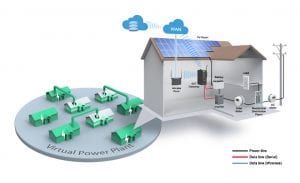
From the Midwest to the South, the U.S. has experienced dangerous cold snaps this winter that challenge grid operators to meet rising heating demands. These temperature extremes are driven in part by climate change, which is why the past decade has had the highest temperature extremes in recorded history, as well as why temperature extremes […]
-
 Commentary
Why Forecast Accuracy Makes or Breaks Power Suppliers in Today’s Market
Between plummeting temperatures and surging demand, the record-breaking Arctic blast that swept across the Northeast in January put power suppliers to the test. Their success in managing the volatility traces back to decisions made days and weeks earlier. Those with accurate forecasting models navigated the cold spell successfully. Others faced stark choices between absorbing massive […]
-
 Hybrid Power
Eaton Among Groups Supporting Microgrid Buildout in Puerto Rico
Companies operating in Puerto Rico have paid particular attention to the reliability and resiliency of their power supply after a series of major hurricanes battered the island in recent years. Those storms
-
 Energy Security
Steps Utilities Can Take Now to Prepare for Future Extreme Weather Events
How can a utility, or any organization for that matter, prepare for the unexpected, especially when it comes to the volatility of weather? This question is increasingly coming to the forefront of risk
-
Commentary
Management Strategies Needed as Power Sector Faces Increasing Risk
Owners and operators of thermal and renewable energy infrastructure are navigating new and emerging risks due to digitization of the grid, an uncertain regulatory landscape, and changing environmental and weather patterns. These factors and others are forcing risk management stakeholders to increase preparation and resilience of their organizations. As digital transformation accelerates in the power […]
-
 O&M
O&MCoastal Utilities Warned of ‘Potentially Explosive’ 2024 Hurricane Season
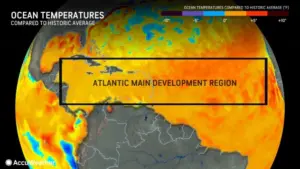
AccuWeather’s team of expert meteorologists is warning people and businesses to start preparing for a frenzy of tropical activity that could have major impacts on the U.S. this hurricane season. “The 2024 Atlantic hurricane season is forecast to feature well above the historical average number of tropical storms, hurricanes, major hurricanes, and direct U.S. impacts,” […]
-
 O&M
O&MA New Year’s Resolution: Utilities Can Reap the Rewards of Resilience
Extreme weather events are occurring more frequently and with greater severity across the U.S., from scorching heat in many areas to major hurricanes battering coastal regions. Throughout the U.S., utilities
-
 Full Coverage
The Importance of Accurate Weather Prediction for Power Operations
Power companies need precise weather forecasts for a variety of reasons. Several companies specialize in providing the type of weather information utilities need to accurately predict resource availability and
-
 Commentary
How to Cut Energy Costs and Create Efficiencies this Winter
As more businesses consider electrification efforts to reduce their carbon impact, energy decision-makers must not lose sight of the critical role of overall energy efficiency efforts. While electrification upgrades are often more efficient and can reduce overall energy demand for consumers, an increasingly volatile energy market means it’s as important as ever to have an […]
-
 O&M
O&MCold Weather: How to Maintain Power Plant Readiness and Reliable Operation
Extreme temperature and weather events have become more prevalent in the past decade. The December 2022 Christmas freeze in the southeast U.S. saw many areas experiencing single-digit temperatures. The February 2021 Texas freeze saw temperatures in Dallas reach as low as –2F. Meanwhile, the January–February 2019 Midwest Arctic Polar Vortex saw temperatures plunge as low […]
-
O&M
How Power Companies Benefit from Accurate Weather Forecasts
It’s pretty easy to understand how the weather affects certain forms of power generation and infrastructure. Sunlight is obviously needed to generate solar power, wind is required to produce wind energy, and extreme storms of all kinds can wreak havoc on transmission and distribution lines, and other energy-related assets. Therefore, having accurate and constantly updated […]
-
 Energy Security
ERCOT Issues First Level 2 Emergency Alert Since Winter Storm Uri
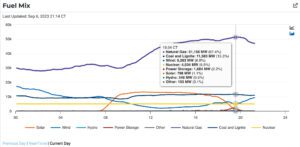
The Electric Reliability Council of Texas (ERCOT) on Sept. 6 issued an Energy Emergency Alert 2 (EEA 2) after grid conditions quickly deteriorated around sunset (7:30 p.m.) as demand soared and operating power reserves plunged. The grid operator said that the emergency operations were necessary “due to a combination of dropping operating reserves and frequency.” […]
-
 Solar
SolarAusNet Embraces Data-Driven Storm Impact Modeling
Power companies must respond to outages caused by extreme weather events. Having accurate predictions concerning the severity of impending storms can ensure companies are prepared with the right resources on
-
 Trends
Lessening the Impacts of Extreme Weather—How Utilities Should Be Preparing
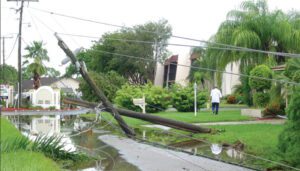
Climate change is a threat multiplier. Clean-up costs are ballooning and natural disasters are growing more expensive. In 2022 alone there were 18 natural disasters that caused more than $1 billion in damage, up from only three events in 1980. These are taking a bigger bite out of the energy sector’s operating costs and profits, […]
-
 O&M
O&MHow Do Power Companies Safeguard Against Winter Weather Challenges?
In February 2021, more than 4 million people lost power for days on end throughout Texas. The now-infamous outage resulted from extreme winter weather the state’s power grid wasn’t prepared to handle. This incident is spurring power companies nationwide to get proactive about preparing for increasingly severe winters. What steps are they taking to safeguard […]
-
 O&M
O&MHot Weather: How to Maintain Power Plant Readiness and Reliable Operation
Extreme temperature and weather events have become more prevalent in the past decade. In fact, July 2023 is shaping up to be “the hottest single month on Earth on record, and possibly in more than 100,000 years,” according to an article published by The Washington Post. The article, published on July 20, says, “Every day […]
-
 Commentary
Renewable Energy Insurers Trying to Limit Coverage for Severe Convective Storms
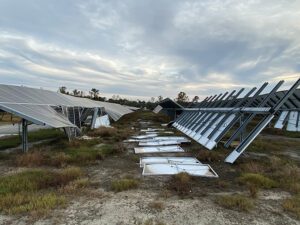
Severe convective storms, also known as severe thunderstorms, may not generate the same headlines as hurricanes, but these storms can pose a greater threat to inland solar and wind energy projects. The
-
 Commentary
Power Outages Due to Extreme Weather Must Become a Thing of the Past
In today’s rapidly changing world, the effects of severe weather are felt more acutely and often; take Britain’s recent record temperatures topping 40°C. As nations commit to lowering emissions, promoting energy equality, and moving toward a more sustainable world, resilience to the effects of climate change must also be top of mind—namely, extreme weather events. […]
-
 Press Releases
DTN Storm Risk Analytics Offers Enterprise Level Weather Insights to Mid-Size U.S Utilities
First-to-market solution offers emergency managers access to better prepare and manage through weather impacts with advanced outage prediction technology MINNEAPOLIS, MN (November 8, 2022) – DTN®, a data, analytics, and technology company, recently launched Storm Risk Analytics, a first-to-market solution that combines advanced weather intelligence and machine learning outage prediction to help mid-size electric utilities more confidently make incident […]
-
Press Releases
Fulcrum 3D sheds light on solving U.S. solar industry’s underperformance
U.S. solar developers can address a number of crucial underperformance issues identified in kWh Analytics’ Solar Risk Assessment: 2022 through the adoption of pre-build resource assessments that utilize site-based measurement campaigns, according to Fulcrum 3D. kWh Analytics’ Solar Risk Assessment: 2022 report called on the U.S. solar industry to identify new solutions to issues causing underperformance across the industry. Despite […]
-
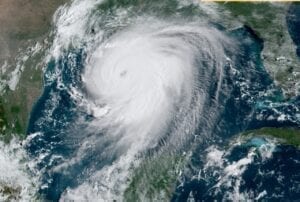 T&D
T&DPreparing the Grid for an Above-Average Hurricane Season
Hurricanes are one of the most destructive forces in nature. Hurricane season in North America runs from June 1 to November 30, peaking between August and September, and 2022 would be the seventh straight year of above-average hurricane activity, if predictions are correct. A typical Atlantic hurricane season has 14 named storms, seven hurricanes, and […]
-
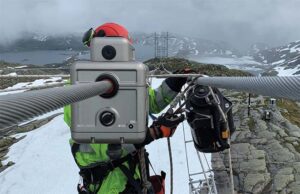 T&D
T&DUpgrades to Line Sensors Support Reliability of the Power Grid
New technologies to monitor power lines are emerging worldwide, part of continuing efforts to harden the power grid and increase reliability and resiliency. Utilities and other operators of electricity
-
 News
NewsRisks and Opportunities: It’s an Interesting Time to Be in the Power Industry
War rages in Europe. Natural gas prices are through the roof. Drought threatens hydro production. Weather extremes are becoming commonplace. Supply chains are strained. Demand for electricity is headed
-
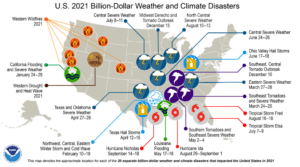 Climate change
Power Companies Must Plan to Deal with Climate Risks
The Intergovernmental Panel on Climate Change (IPCC) issued a report at the end of February titled “Climate Change 2022: Impacts, Adaptation and Vulnerability.” Among the warnings found in the 3,675-page
-
O&M
Keeping Critical Facilities Running in the Aftermath of a Storm: Lessons Learned from Hurricane Ida
Hurricanes are the leading cause of power outages in the U.S. Power outages can make storms exponentially more dangerous for local populations, especially if they affect critical facilities like hospitals, fire stations, and police departments, which are vital in times of crisis. But what can utilities and municipalities do to prepare for natural disasters? How […]
-
 News
NewsExec Calls for Action on New Texas Gas-Fired Plants
The chief executive of a Connecticut-based energy investment firm has called for action on his group’s proposal to build as many as 11 new natural gas-fired power plants in Texas. Himanshu Saxena, CEO of Starwood Energy Group, in a June 14 interview said, “We would like to see significant steps in countering, negotiating and material […]
-
 Commentary
Storm Readiness Saves Lives: Utilities and Testing Are the Real Digital Twins
Natural calamities challenge businesses and create problems with customer experience (CX). How can a utility demonstrate the desired experience attributes such as speed, quality, consistency, and so on at the same or even at a higher level after a catastrophe? Following a winter that saw record-breaking bomb cyclones in the northern Pacific. and the biggest […]