
EPRI
-
 Gas
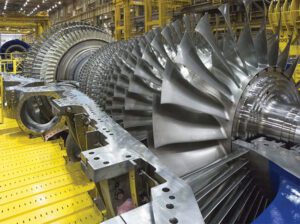
GasGas Turbine Supply Chain Bottlenecks Could Reshape the Generation Mix in 2030 and Beyond
The gas turbine industry is facing its most significant supply chain challenge in decades, with backlogs extending years into the future and utilities scrambling to secure dispatchable capacity. To better understand the scope of the problem and what options utilities have, POWER spoke with John Shingledecker, principal technical executive with EPRI, and Bobby Noble, senior […]
-
 Nuclear
The Nuclear Industry’s Race Against the Clock: EPRI Experts on Fleet Optimization, SMRs, and What’s Next
The electricity sector faces a timing problem that’s becoming impossible to ignore. Data centers, artificial intelligence (AI) deployment, industrial reshoring, and broader electrification are driving load growth at rates not seen in decades—and much of that new demand wants carbon-free, firm power. Nuclear checks those boxes. But can the industry deliver capacity fast enough? POWER […]
-
 Technology
Building ChatGPT for the Power Industry: EPRI Leads the Way
More than 100 of the world’s largest energy companies are betting that artificial intelligence (AI) will revolutionize how electricity gets made, moved, and managed. But they’re not waiting for Silicon Valley to build it for them—they’ve taken matters into their own hands through an EPRI-led consortium. That initiative is the Open Power AI Consortium, which […]
-
 T&D
T&DEPRI Announces Distribution System Operator Certification Program
The electric power industry is undergoing a transformative shift, driven by increasing grid complexity and the integration of renewable energy sources, while still providing reliable, affordable energy. At the heart of this evolution is the role of the distribution system operator (DSO), a position critical to managing the modern distribution grid. Historically, the DSO role […]
-
 T&D
T&DGrid Enhancing Technologies Do Exactly What They Say
The world’s electricity grids are facing unprecedented strain as demand surges from electrification, data centers, and renewable energy integration, while aging infrastructure struggles to keep pace. Traditional approaches to grid expansion—building new transmission lines and substations—face mounting challenges including sometimes decade-long permitting processes, escalating costs that can reach billions per project, and growing public resistance […]
-
 Engineering
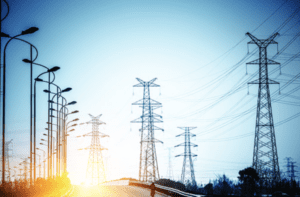
EPRI Develops Power System Generic Models to Plan for an Increasingly Net-Zero Grid
Planning and operating a power system requires detailed grid studies to guide investment decisions and prepare for how the system may evolve over time. Long-term planning can identify the policy, regulatory, infrastructure, and operational updates that may be needed to achieve desired outcomes. Also, comprehensive planning can identify operating limits, determine performance improvements, assess mitigation […]
-
 Energy Storage
Lessen Risk for Battery Energy Storage with Analytics Software
Battery energy storage systems (BESS) have emerged as a crucial technology for storing and dispatching energy when needed. However, the rapid expansion of BESS has been accompanied by safety and risk management challenges. Most BESS units use lithium-ion batteries, which require particular care to avoid fire concerns. Though lithium-ion BESS is overall a safe and […]
-
 Hydrogen
Hydrogen Attracts Significant Investments to Support a Decarbonized Energy Economy
In late 2023, the U.S. Department of Energy (DOE) announced a $7 billion initiative to establish seven Regional Clean Hydrogen Hubs, aiming to scale the use of cost-effective clean hydrogen. This initiative comes as utilities face growing pressures from data centers and other industries that are demanding increasingly large amounts of reliable power. Hydrogen’s role […]
-
 Nuclear
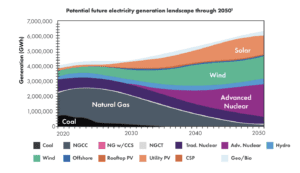
EPRI: Industry Has Marked Significant Progress on its Advanced Nuclear Reactor Roadmap
A year after EPRI and the Nuclear Energy Institute (NEI) unveiled the first phase of their Advanced Reactor Roadmap, the nuclear industry and its stakeholders have rallied to make significant strides in aligning around the roadmap’s strategic priorities. Over the past year, efforts have been particularly focused on increasing engagement, promoting regulatory efficiency, and […]
-
 Energy Storage
World’s Largest Concrete Thermal Energy Storage Pilot Successfully Tested
EPRI, in collaboration with Southern Company and Storworks, has recently completed testing of a pilot concrete thermal energy storage (CTES) system at Alabama Power’s Ernest C. Gaston Electric Generating plant (Gaston) marking the largest such pilot in the world. The technology was developed by Storworks. The 10-MW-hour-electric (MWhe) energy storage solution (Figure 1) is charged […]
-
 Energy Storage
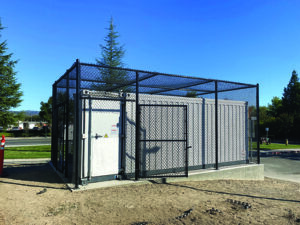
BESS Failures: Study Identifies Opportunities for Battery Analytics to Prevent Incidents
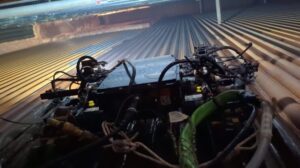
TWAICE, a Germany-based provider of battery analytics software, along with the Electric Power Research Institute (EPRI) and the Pacific Northwest National Laboratory (PNNL) have published a joint study analyzing the root causes of battery energy storage system (BESS) failure incidents. The groups have aggregated data about why battery systems have failed. The report made available […]
-
 Full Coverage
AI’s Paradox in the Power Sector—Unleashing Potential but Confronting Uncertainty
Artificial intelligence (AI) is rapidly transforming the power sector, offering unprecedented opportunities for efficiency and innovation. But as AI applications proliferate, new challenges are emerging. How will industry navigate the potential and challenges that accompany this digital revolution? Recent efforts to overhaul the long-established energy system in alignment with decarbonization and decentralization have introduced new […]
-
 Commentary
The Clean Energy Balancing Act
Energy is the lifeblood of our economy. It powers our phones, homes, offices, and transportation. As our energy consumption has evolved, so too has our electricity system to adapt to the demands of a changing world. Today, renewable energy from solar and wind dominates new electricity generation. Utilities are grappling with rising demand from electric […]
-
 Commentary
AI Revolution Could Drive Clean Energy Future
Artificial intelligence (AI) is becoming a ubiquitous part of our lives, impacting much of what we do at work and home. AI’s growth trajectory is expected to skyrocket, with new potentials identified to help address and solve today’s challenges and tomorrow’s opportunities. AI advances have been remarkable, but so far relatively little attention has been […]
-
 Gas
GasSuccessful Green Hydrogen Demonstration Project Is a Step Toward a Carbon-Free Future
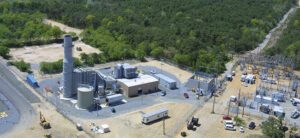
The New York Power Authority (NYPA) is leading the way in New York by piloting new technologies that can help accelerate the state’s clean energy transition. Among its accomplishments is a hydrogen
-
 Nuclear
Planning Is Key to Successful Nuclear Refueling Outages
U.S. nuclear power plants typically refuel every 18 to 24 months. Refueling outages normally occur in the spring and fall of the year when demand for electricity is at its lowest. The Energy Information
-
 Hydrogen
Hydrogen Pilot Validates Fuel-Blending Projects
The successful test of blending hydrogen with natural gas at a power plant in Michigan can be a model for the power generation industry. The use of hydrogen to fuel power generation is on the rise, with
-
 Trends
EPRI Head: Duck Curve Now Looks Like a Canyon
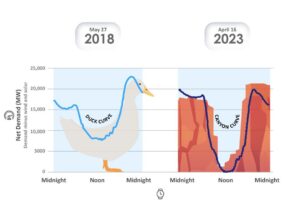
The “duck curve,” a concept that has become emblematic of the challenges associated with integrating variable renewables in the power system, now looks like a “canyon,” illustrating a paramount urgency for adequate flexibility, Arshad Mansoor, president and CEO of the Electric Power Research Institute (EPRI), has warned. In a recent post on LinkedIn, Mansoor highlighted […]
-
 Press Releases
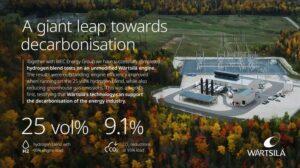
Commercially operated Wärtsilä engine runs on 25 vol% hydrogen blend, a world first
The technology group Wärtsilä and WEC Energy Group have successfully tested the capabilities of a Wärtsilä engine running on 25 vol% hydrogen-blended fuel. The tests, which were completed in October 2022, were conducted at WEC Energy Group’s 55 MW A.J. Mihm power plant in Michigan, USA using an unmodified Wärtsilä 50SG engine. Throughout the testing […]
-
 Power
PowerIs a Nuclear Reactor Headed to the Heart of Your City?
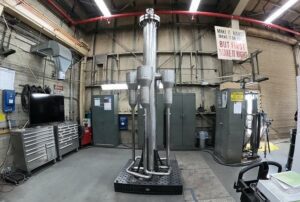
It’s not uncommon for nuclear power plants to be sited relatively close to large metropolitan areas (within 50 miles, for example), after all, that is where the biggest loads are, but reactors are rarely placed near the center of large cities. This is mainly due to the risks associated with a meltdown, or even a […]
-
 Renewables
DOE, NREL, EPRI Announce Program to Support Grid Integration of DERs
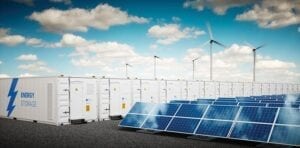
The U.S. Dept. of Energy (DOE) has announced a new competition designed to support the integration of distributed energy resources (DERs) into the nation’s power grid. Energy Secretary Jennifer Granholm unveiled the program Feb. 7 during a presentation to attendees of the DISTRIBUTECH 2023 event at the San Diego Convention Center in California. The program […]
-
 Power
PowerNew Study Finds Electrification Reduces Emissions and Improves Air Quality
A group of researchers found that “Adopting electric end-use technologies instead of fossil-fueled alternatives, known as electrification, is an important economy-wide decarbonization strategy that also reduces criteria pollutant emissions and improves air quality.” Findings from the study conducted by nine researchers—four from EPRI, four from Ramboll, and one from the Oak Ridge National Laboratory—were published […]
-
 Hydrogen
NYPA, GE Successfully Pilot Hydrogen Retrofit at Aeroderivative Gas Turbine
A pioneering GE aeroderivative gas turbine project to demonstrate hydrogen combustion as part of a retrofit at an existing U.S. natural gas power plant has successfully utilized blends of 5% to 44% hydrogen with natural gas—some of the highest volumes of hydrogen blended into a commercially operating gas turbine. The project spearheaded by New York […]
-
 News
NewsPower System Planners Must Account for Climate and Extreme Weather
Climate and extreme weather are increasingly impacting energy systems around the world. Heat waves have spread across the U.S. from coast to coast this summer, and many parts of Europe have also felt the
-
 Commentary
Energy Systems of the Future Must Plan for Climate and Extreme Weather of the Future
Climate and extreme weather are increasingly impacting energy systems around the world. Whether it is prolonged, extreme cold in Texas, wildfires in California, high winds in the Midwest, or the recent prediction for an above-normal 2022 hurricane season, it is clear extreme weather events are testing the resilience of the North American grid. Changes in […]
-
 Hydrogen
Much-Watched Reciprocating Engine Hydrogen Pilot Kicks Off at Michigan Power Plant
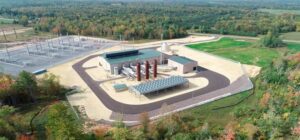
A landmark project to test fuel blends of up to 25% volume of hydrogen mixed with natural gas in reciprocating internal combustion engines (RICEs) has launched at WEC Energy Group’s 56-MW A.J. Mihm power plant in Michigan. If successful, the pilot—one of the first of its kind in the U.S.—could provide key insight into how […]
-
 Coal
CoalNew Life for Dead and Dying Coal Plants?
As coal plants are retired, power companies must decide what to do with sites. Some old plants have been added to the National Register of Historic Places and repurposed as commercial or office space, while
-
 O&M
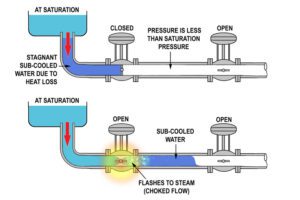
O&MHow to Prevent Condensation-Induced Water Hammer
Condensation-induced water hammer (CIWH) is the term commonly used when describing a variety of transients that occur when water vapor is rapidly condensed by cold water. This article describes the various
-
Press Releases
EPRI Elects New Chairs, Board Members
Palo Alto, Calif. (April 13, 2022) -Today, the Electric Power Research Institute (EPRI) announced the 2022 election results of its Board of Directors, effective immediately. For the second consecutive year, Stanley W. (Stan) Connally, Jr., Southern Company’s executive vice president of Operations, and chairman, president, and CEO of its Southern Company Services (SCS) subsidiary, has been […]
-
 Climate change
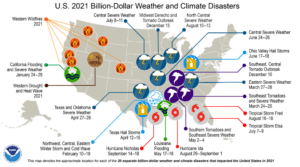
Power Companies Must Plan to Deal with Climate Risks
The Intergovernmental Panel on Climate Change (IPCC) issued a report at the end of February titled “Climate Change 2022: Impacts, Adaptation and Vulnerability.” Among the warnings found in the 3,675-page