Several natural gas–fueled units are being developed as a way to support the industrial sector, including data centers, and to help integrate more renewable energy to the grid.
The need for more baseload power generation to maintain grid reliability has power producers looking at many options. Modern natural gas-fired power plants, with a combination of operational flexibility and lower emissions thanks to advanced technologies, have emerged as a dependable firm power source.
Utilities are building new gas-fired power generation capacity not only as a baseload resource, but also as a way to support more integration of renewable energy resources. Gas-fired power stations can ramp up quickly at times of higher demand for power, with energy analysts again touting gas-fueled units as the bridge from retiring coal-fired power to cleaner forms of energy.
The U.S. is seeing significant development of new natural gas–fired power plants, in part to satisfy power demand from artificial intelligence (AI) and data centers. More than 100 GW of new generation capacity has been publicly announced, though the buildout has been slowed by supply chain issues including a backlog of turbine orders. Siemens Energy, among the major turbine manufacturers, recently said it is offering upgrades to existing units in order to unlock more capacity and improve operational efficiency.
“Natural gas–fired plants are doing the hard work of reliability in a grid that’s adding load from AI/data centers and integrating more intermittent resources. In the near term, new gas capacity is the only scalable way to add firm megawatts while markets continue to explore medium- to long-term solutions like nuclear, geothermal, and long-duration storage,” Carson Kearl, an analyst with Enverus Intelligence Research, told POWER.
Experts in the power generation space agree that the near-term outlook for natural gas is strong, in large part due to the need for more baseload power, the availability of gas, and shorter timelines to build gas-fueled units compared to other baseload options.
“Natural gas–fired power plants remain popular because they’re flexible, relatively clean [compared to coal], and quick to ramp up or down,” said David Sheldrake, Global Senior Vice President of Sales360 at POWWR.
Though gas prices can be volatile, and vary by region, U.S. wholesale prices had dropped significantly from early December 2025 through mid-January 2026. The U.S. Energy Information Administration in its latest forecast said U.S. prices would fall about 2% this year compared to 2025 levels. Sheldrake told POWER, “This drop in costs will provide a greater benefit to gas-fired power plants moving forward, by way of the investment they make to generate a better electricity economical future.”
Scott Gromer, CEO of Colorado-based Mesa Power Solutions, told POWER: “All the indications we see in the market and from our customers confirms the strength in the growing adoption of natural gas generation for utility systems. In addition to generation distributed along distribution circuits, utilities are also finding use cases for generators in substations for a variety of roles ranging from system capacity to resiliency for distribution circuits in the event of transmission system outages.”
Gromer continued, “It’s no surprise to anyone that the supply chain for generation equipment is inelastic at this point.” Many industry analysts have noted that a buildout of gas-fired facilities has been impacted by supply chain issues. “Mesa has been fortunate to have more control over availability due to the fact that we assemble our own equipment for sales, lease, and maintenance opportunities,” said Gromer.
CPV Basin Ranch
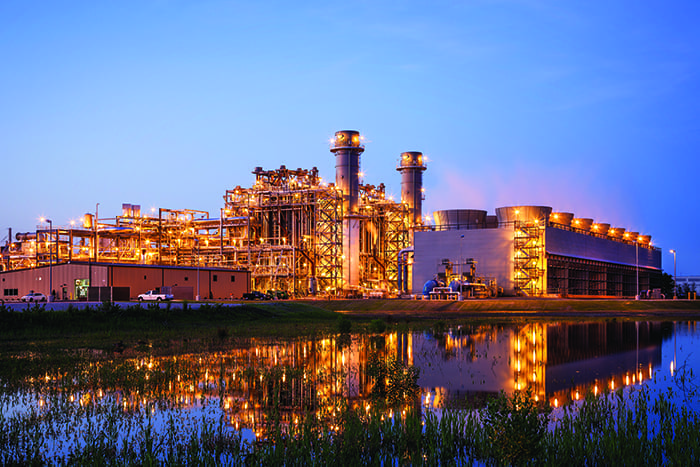
Texas, a deregulated power market that continues to build more generation infrastructure, established a program designed to provide funding for new baseload energy projects. The 1,350-MW CPV Basin Ranch Energy Center (Figure 1) is a major natural gas–fired power station benefiting from the strategy. Competitive Power Ventures (CPV) and the Public Utility Commission of Texas executed a $1.1 billion Texas Energy Fund (TxEF) loan for the facility, which is being built in Ward County, in the Permian Basin area in the western part of the state. The Permian Basin is the largest oil-producing region in the U.S., and second only to the Appalachia region in the Northeast in the nation’s production of natural gas.
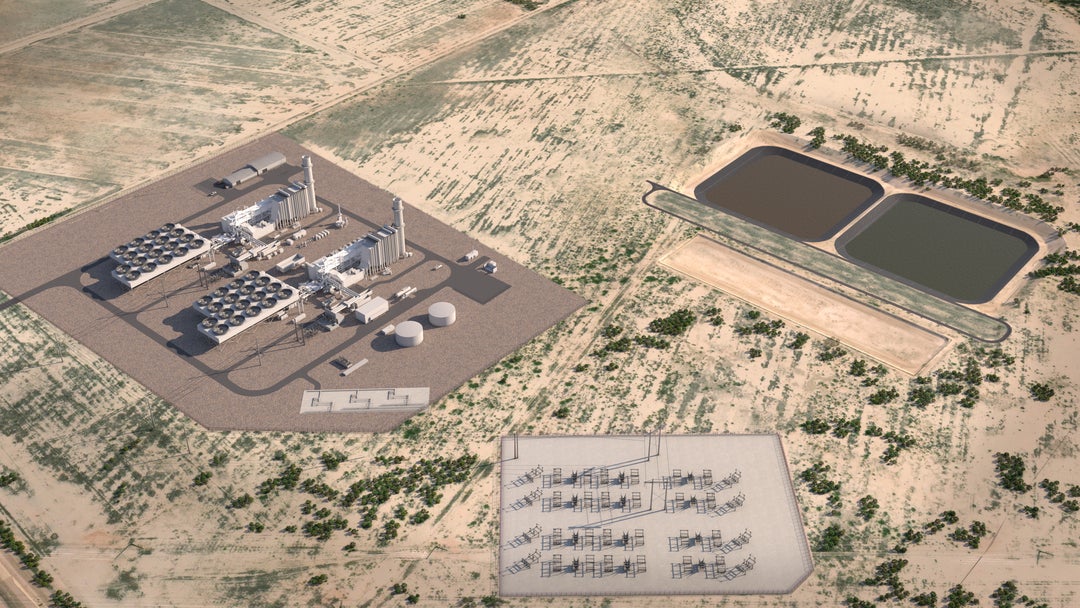
Officials have said they expect CPV Basin Ranch to enter commercial operation in 2029. A report from the Washington, D.C.–based Environmental Integrity Project, which also has an office in Austin, Texas, published last summer said more than 100 new gas-fired power plants were being considered in Texas.
The Texas Energy Fund was created in the wake of the February 2021 Uri winter storm, when an estimated 10 million Texans lost power, prompting officials to look at how to avoid future blackouts caused by extreme weather or other events.
Texas Gov. Greg Abbott last fall said, “Texas is powering the future of reliable, affordable energy across the nation and around the world. Through the Texas Energy Fund, CPV Basin Ranch will bring hundreds of megawatts of new, reliable power online and help keep prices affordable. This 1,350-megawatt investment will further grow our power supply and ensure continued reliability for homes and businesses in Texas as we add more power and fortify the state grid.”
“CPV is committed to responding to Texas’s rapidly growing demand for new, dispatchable power generation,” said Sherman Knight, CEO of CPV. “Texas offers the opportunities and incentives to drive future development, our team at CPV looks forward to doing our part to make this a reality.”
Gemma Power Systems is leading efforts for CPV Basin Ranch, a combined cycle facility that will feature GE Vernova H-Class 7HA.03 turbines with a carbon capture option, along with other GE Vernova technology. Peter Podurgiel, CPV’s president of Low Carbon Generation, in late October 2025 said, “Over the last four years, we’ve worked diligently to advance this project and are grateful for the supportive framework provided by the TxEF program. I have no doubt CPV Basin Ranch will be an invaluable asset to the community and the state for decades to come. Once complete, CPV Basin Ranch will rank among the most efficient and modern plants in Texas. In addition to utilizing the latest advances in combined cycle power generation, our team is always looking to what is next including the option to deploy carbon capture technology in the future.”
CPV Basin Ranch is part of the company’s current development pipeline of more than 10 GW of dispatchable and renewable power generation.
Desert Sun Power Plant
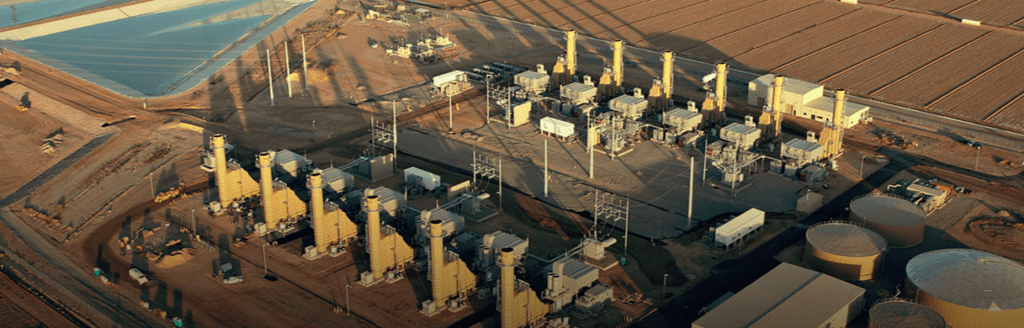
Arizona Public Service (APS) last fall said it would develop the 2,000-MW natural gas–fired Desert Sun Power Plant as part of the utility’s plan to add more flexible power generation in that state. The company said the two-phase project, located west of Gila Bend, Arizona, would support current customer growth through a competitive procurement process in Phase 1, and enable new extra-large customer investments—such as data centers—via a subscription model in Phase 2.
“The Desert Sun Power Plant will help maintain safe, reliable energy for APS customers as our state grows,” said Jacob Tetlow, APS executive vice president and chief operating officer. Tetlow told POWER, “Our focus is on protecting residential and small business customers from cost shifts through our ‘growth pays for growth’ model, which is designed to ensure fairness and responsibly meet the needs of data centers while keeping service affordable for Arizonans.”
Tetlow earlier had outlined how Phase 2 of the project, with its proposed subscription model, would ensure that the new generation would be paid for by the “extra-large” customers who would use it, and not by the utility’s existing residential or business customers. Those users needing large loads of electricity would be subject to long-term contracts covering the capital costs of the project, along with assuming development risks. Tetlow said that model “protects customers while supporting data centers needed for the U.S. to compete globally.”
APS has said it wants a balanced energy portfolio to ensure reliability and affordability for customers. The utility has said it plans to add some 7,300 MW of new generation resources to its fleet by 2028. Tetlow said, “Natural gas is an important partner to the large quantity of renewable resources we’re adding to our portfolio and provides flexible, on-demand energy to ensure reliability for customers, especially on our hottest summer days.”
APS has said the Desert Sun plant will have advanced emissions controls. Phase 1 of the power plant is scheduled to begin serving customers by late 2030; Phase 2’s operation date will be determined through a collaborative process with participating extra-large customers.
Thurrock Power
Clarke Energy and INNIO are collaborating on a landmark project with UK-based Statera Energy to support grid reliability in the UK. The companies recently said they have completed delivery of a full fleet of “Ready for H2” Jenbacher J624 engines at Statera Energy’s project in Thurrock in southeast England.
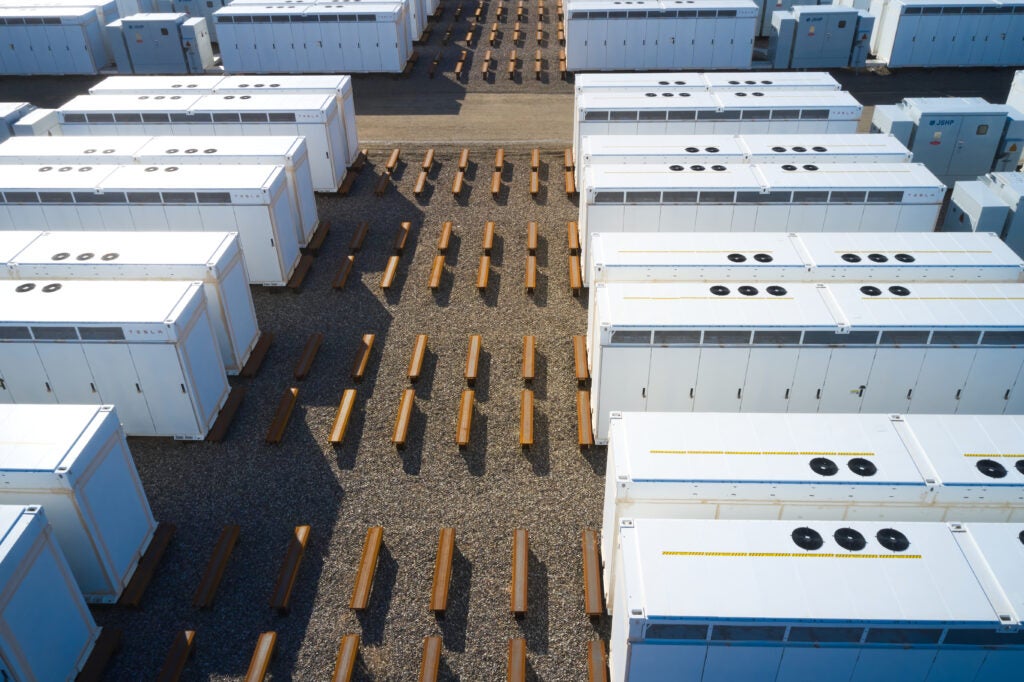
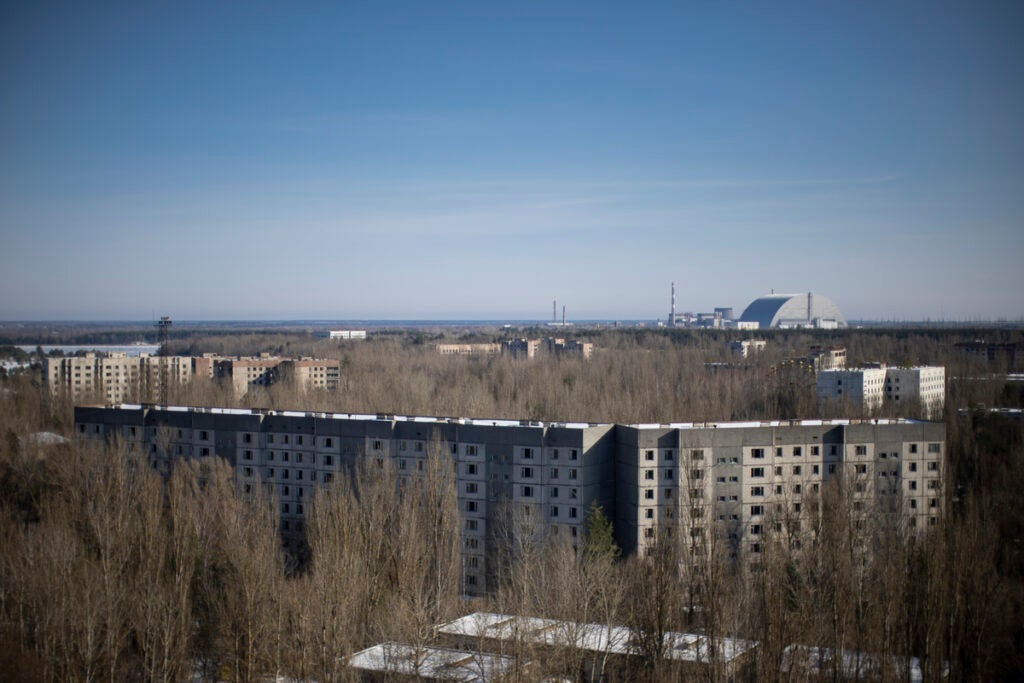
Thurrock Power will be a 450-MW flexible generation station (Figure 2), and will sit alongside Thurrock Storage, a 300-MW co-located battery energy storage system that is designed to integrate with intermittent renewable energy. Officials told POWER the project is targeting late 2026 for full operation.
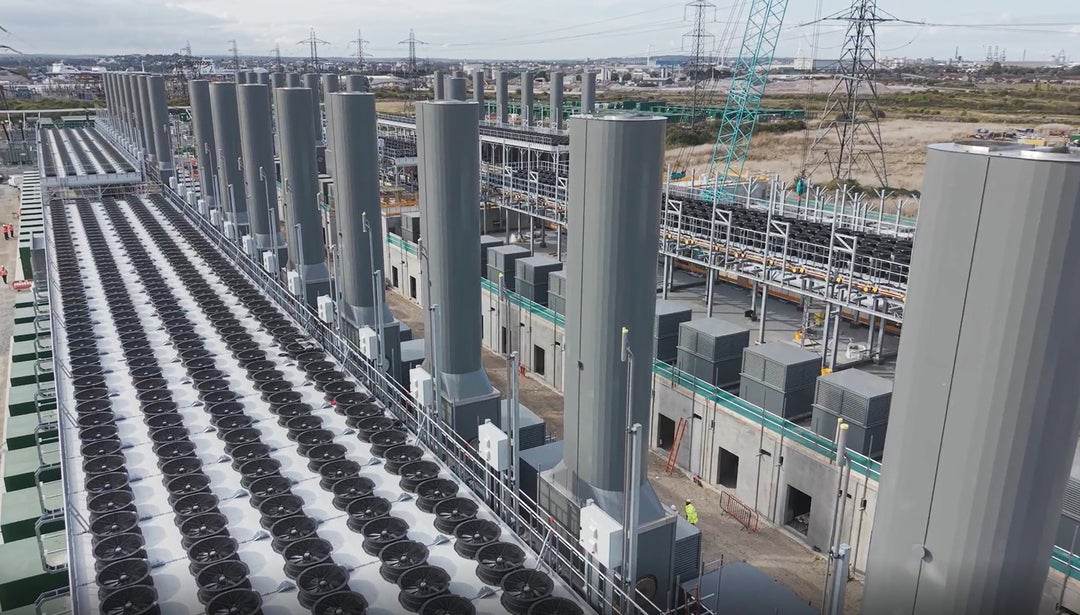
The companies noted that the Jenbacher engines feature high electrical efficiency, and a rapid start-up capability (less than five minutes). Scalable deployment allows for high efficiency at partial loads, with power generation ramping from as low as 2.25 MW to the full 450-MW capacity, enabling flexibility to swiftly respond to fluctuations in electricity supply and demand.
Alex Marshall, group director of Clarke Energy, told POWER: “This project represents a critical milestone in the UK’s energy transition. As the country rapidly expands its renewable generation, the ability to deliver 450 MW of flexible, fast-start power to support up to 1 million UK homes ensures that intermittent renewables can be integrated reliably—without sacrificing system resiliency and security of supply.”
The companies told POWER the Thurrock Flexible Generation Project will provide “strategic support” for the UK’s energy transition, helping move the area near London toward a secure, low-carbon power mix. The project marks the second major collaboration among Statera Energy, Clarke Energy, and INNIO Group, after deployment of the Creyke Beck Power flexible generation project in Cottingham, Humberside, in northeastern England.
Matt Arnold, director of BESS and Flex-Gen at Statera Energy, in a statement said: “Thurrock Power represents a significant milestone for Statera. Once operational, it will be the UK’s largest flexible generation project, providing critical capacity to balance the grid and enable the transition to a renewables-led energy system. Together with Thurrock Storage, our sites support grid resilience and energy security. We selected Clarke Energy and INNIO Group’s Jenbacher technology for their rapid deployment capabilities, fuel flexibility, and exceptional start-up performance—essential features for meeting the UK’s evolving energy demands.”
Xcel Energy
Xcel Energy recently said it purchased 10 gas-fired turbines from Siemens Energy to support construction of two power plants. Xcel said it is retiring the coal-fired generation and installing five Siemens Energy SGT6-5000F gas turbines, and five SGen6-1000A generators, at the 928-MW Tolk Station in Muleshoe, Texas. The company is supplying five more F-class turbines, and five generators, to support construction of a 1,160-MW gas-fired plant in Gaines County, New Mexico.
“As demand for reliable energy grows, dispatchable power is no longer optional,” said Luke Baker, head of Gas Services Sales, North America, at Siemens Energy. “Our turbine technology ensures availability and flexibility in a region critical to America’s energy future.”
“These power plant projects are part of a broader portfolio that includes 17 new power initiatives and more than 5,000 megawatts of added capacity by 2030,” said Adrian J. Rodriguez, president, Xcel Energy—Texas, New Mexico. “We are committed to thoughtfully investing in a balanced mix of energy resources that deliver reliable service to our customers and support long-term economic growth across the region. This approach ensures we can meet today’s energy needs with confidence and deliver lasting value, while preparing for the evolving expectations of tomorrow’s customers and communities.”
Anticipated commercial operation dates for the projects are aligned to meet Southwest Power Pool’s increased regional planning reserve margin requirements.
Siemens Energy
Siemens Energy also is supporting construction of the Taiba 2 and Qassim 2 combined cycle power plants in Saudi Arabia, each with generation capacity of about 2 GW. The company is also supplying turbines for the Beiji Gas Power Plant 2 in Iraq, and for a hydrogen-ready gas-steam plant in Grudziądz, Poland. Many of these new projects are hydrogen-ready, with some designed to run on a blend of hydrogen and natural gas, or eventually on 100% hydrogen.
Siemens also is supplying equipment for a new plant in Frankfurt, Germany, that will feature an SGT5-9000HL gas turbine capable of running on up to 30% hydrogen. A new plant in Italy will be the first in that country to feature an SGT5-9000HL turbine, again with a 30% hydrogen capability.
Babcock & Wilcox in mid-January said it selected Siemens Energy to supply turbines for a 1.2-GW project that would power data center operations for Applied Digital. The project, which would include four 300-MW gas-fired units, is expected to be completed by year-end 2028.
Kenneth Young, chairman and CEO of Babcock & Wilcox, in a statement said, “This arrangement brings together two companies with long histories of innovation and leadership in the power generation industry. Leveraging Siemens Energy’s advanced turbine technology alongside B&W’s proven boiler systems positions us to meet critical schedule milestones and deliver reliable power by the end of 2028.”
Tobias Panse, senior vice president of Steam Turbine and Generators at Siemens Energy, said, “By pairing our steam turbine systems with B&W’s established boiler technology, we can deliver a straightforward, cohesive setup for large-scale power.”
Siemens Energy last year announced a partnership with energy technology group Eaton to develop an on-site modular gas-powered solution for the data center sector. Siemens Energy said it would provide data center customers with a “modular and scalable power plant,” with a standard configuration of 500 MW of capacity. Generation equipment would include multiple SGT-800 gas turbines from Siemens, each with a capacity of between 45 MW and 62 MW, allowing for flexibility of scale for each specific customer, according to the companies.
Net Power and Project Permian
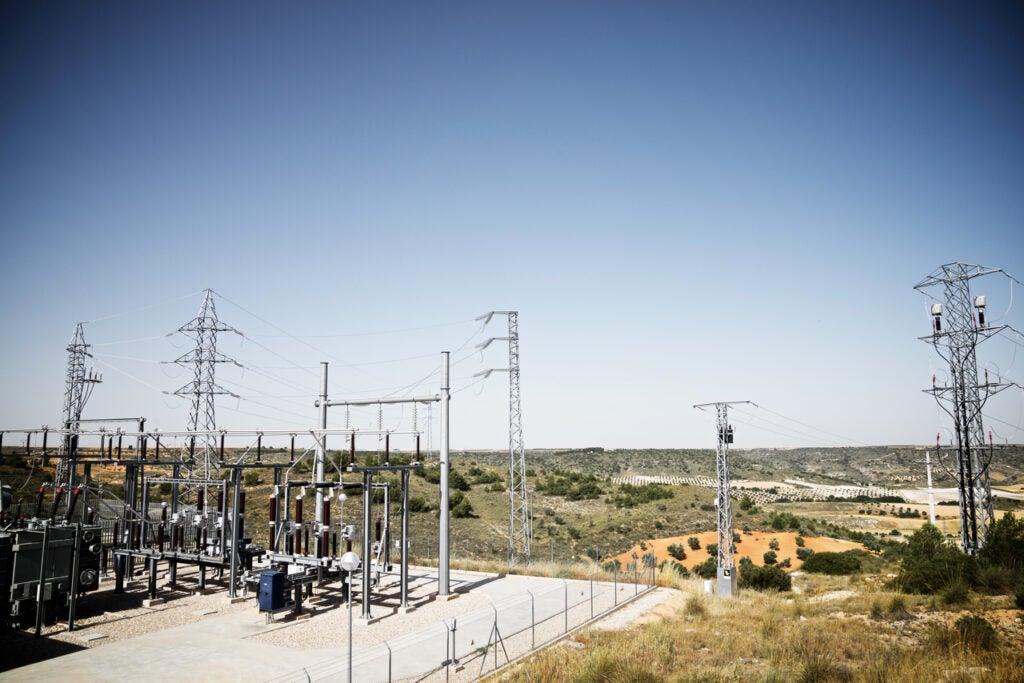
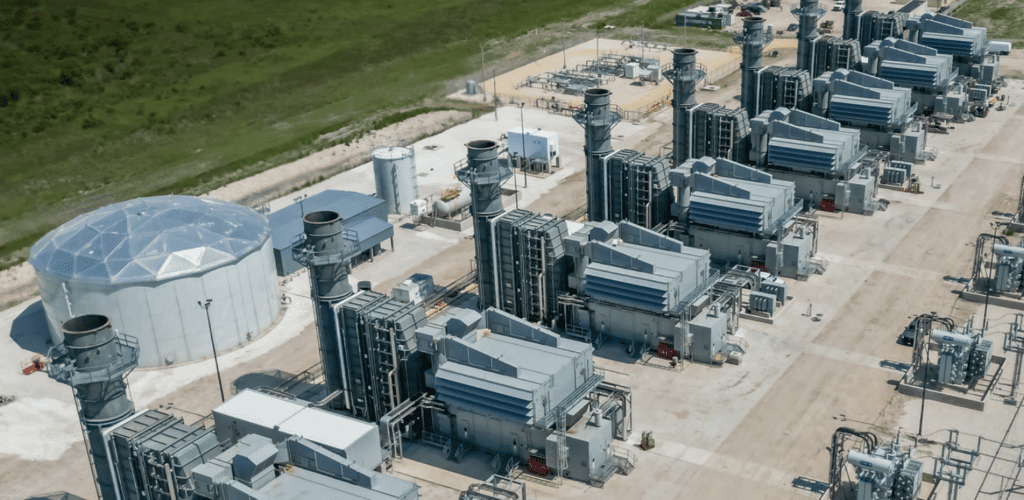
Net Power in November of last year said it is proceeding with its Project Permian clean firm power hub in West Texas (Figure 3). The company earlier had announced it was delaying the project after encountering unexpected higher costs. Net Power said it has signed a letter of intent with Entropy, a carbon capture technology group, to deploy Entropy’s post-combustion capture (PCC) technology for power generation in the U.S. Net Power, known for its project using carbon dioxide to produce low-emission gas-fired power at a demonstration plant in La Porte, Texas, also said it would jointly develop projects with Entropy.
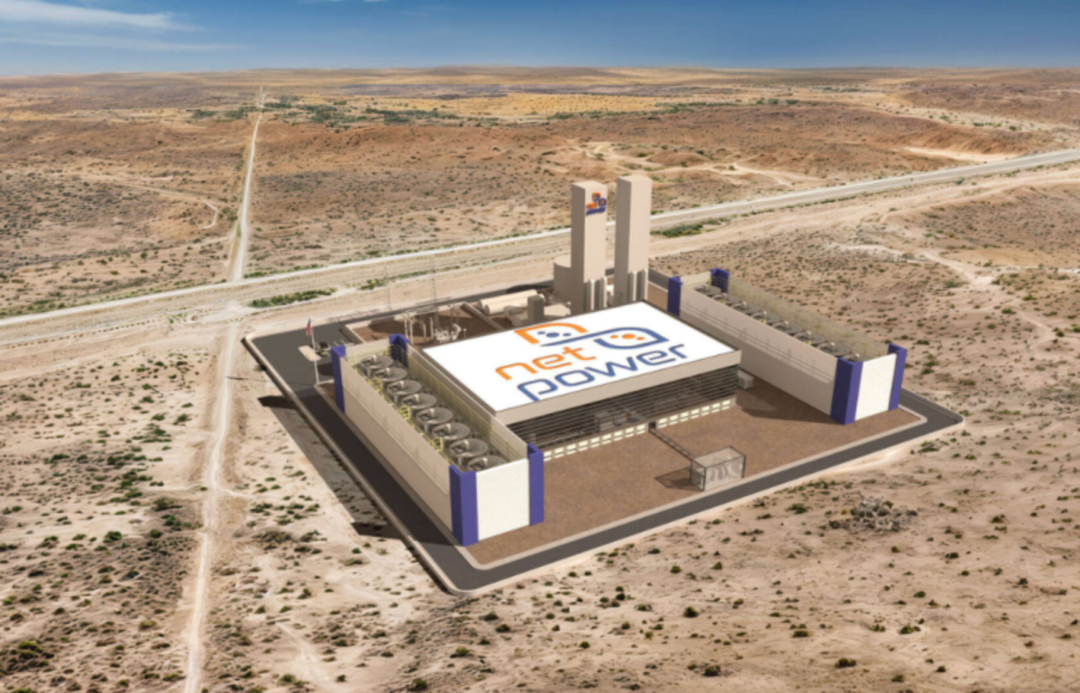
Net Power in a recent project update said it has secured 60 MW of gas turbines to be delivered in 2028, and said documents are being finalized for oil and gas group Occidental to purchase 30 MW of the power and 100% of the captured carbon dioxide. A final investment decision for this first phase is expected in the first half of 2026, with targeted commercial operations in 2028. Danny Rice, Net Power’s CEO, said the project would have a Phase II and could potentially add a Phase III. The company said a final investment decision should come soon.
Net Power in its update also discussed a clean firm power hub that would serve the northern Midcontinent Independent System Operator (MISO) territory. The company has a 300-MW interconnect request for MISO. The company said it is designing Phase I of the project to utilize gas turbines paired with Entropy PCC, with a final investment decision expected in 2027, and commercial operations beginning in 2029.
Rice in the update said, “Over the last several years, we’ve assembled a world-class power team and established attractive sites for clean firm power hubs, and our new partnership with Entropy enables us to accelerate development of these sites—as well as potentially originate new ones—to meet the market’s demand for clean firm power now.”
Vistra Corp.
Vistra Corp. last fall announced a plan to build more than $1 billion worth of new natural gas–fired generation capacity in the Permian Basin in Texas, in part to supply power for the state’s oil and gas industry. The company said it would build two gas-fired units, with total generation capacity of 860 MW, at its existing 325-MW Permian Basin Power Plant.
“As the leading competitive generator in Texas, customers from residential to commercial and industrial are turning to Vistra to help them meet their energy needs,” said Jim Burke, president and CEO of Vistra, in a news release. “We recognize that energy is critical to powering this economic opportunity, and we expect Texas will play an outsized role. Based on our ongoing conversations with customers, we are affirming our multi-year plan to add more than 2,000 MW of new capacity in ERCOT [Electric Reliability Council of Texas] between 2024 and 2028. Given Vistra’s fleet, interconnections, and experience in improving, redeveloping, and building power plants, we are uniquely positioned to deliver solutions that provide reliable, affordable power to our residential customers as well as industries across Texas and the United States to ensure our economic competitiveness and national security.”
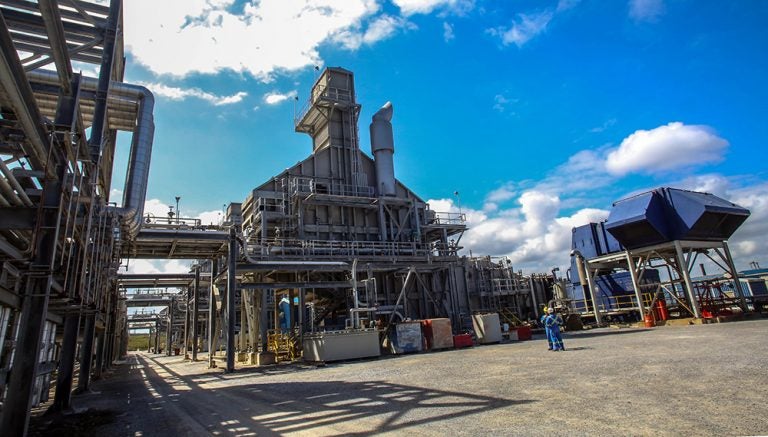
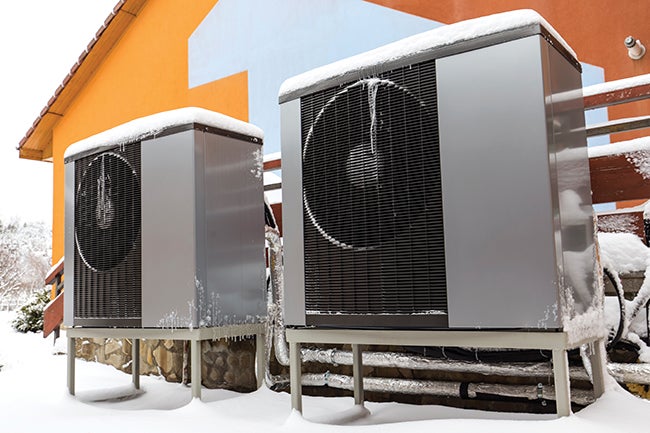
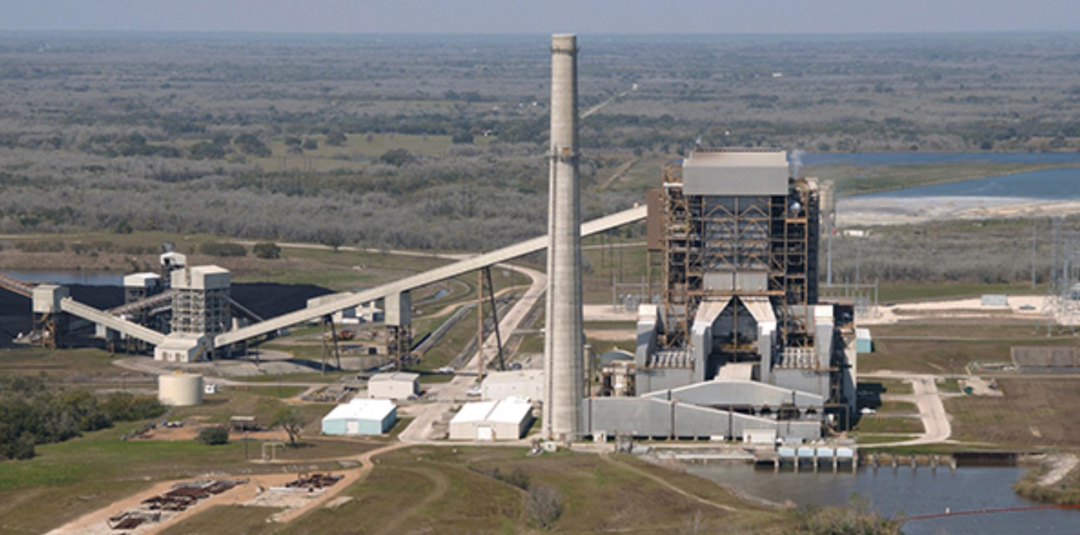
Vistra from 2020 to 2023 added about 1 GW of new generation capacity in Texas by increasing the power output of its gas-fired fleet, and bringing new projects online. The company also plans to repower the coal-fired Coleto Creek Power Plant (Figure 4), which was set for retirement in 2027, with natural gas. The company said it would invest in upgrades at the site, including a pipeline expansion, and would repurpose much of the existing infrastructure. The company said the plan “will restore approximately 630 MW of generation to the grid.”
Duke Energy
Duke Energy, one of the largest U.S. electric utilities, recently announced plans for a new $3.2 billion natural gas–fired plant in South Carolina. The company hopes to receive regulatory approval in the near future. Officials have said they expect a final decision by the end of April.
Heather Shirley Smith, in a permit application to state regulators, wrote: “We’re at a critical juncture in preparing for South Carolina’s reliable energy future. Swiftly expanding our generation capacity is essential to keep pace with the state’s booming development and economic success.” The 1,400-MW plant is sited near Anderson. If approved, Duke Energy said it could begin construction in 2027, and bring the plant online in early 2031. Duke Energy already has a contract to buy 11 turbines from GE Vernova, in addition to eight turbines the company said it has on hand.
The new plant could connect to the existing Transcontinental Gas Pipeline, which runs through the area and is less than a mile from the power plant site. Duke Energy said it would be the main owner of the plant, but at least five electric cooperatives plan to take an ownership stake and buy some of the facility’s output. Five co-ops in North Carolina are expected to do the same.
Duke Energy last fall announced a plan that calls for adding about 9.7 GW of natural gas–fired generation capacity by 2033 in both North and South Carolina.
—Darrell Proctor is a senior editor for POWER.