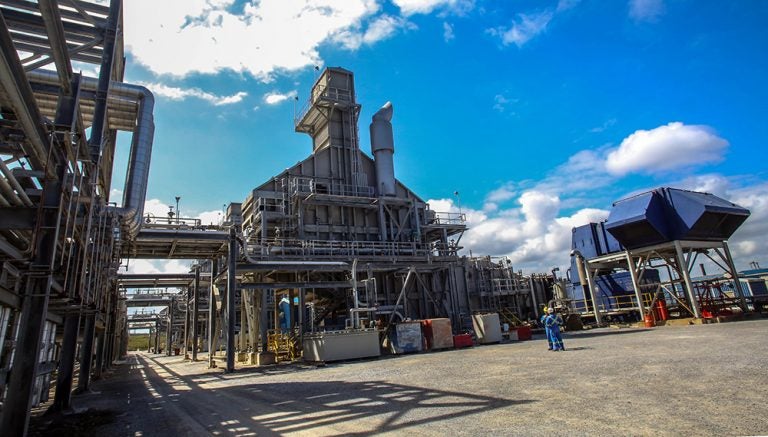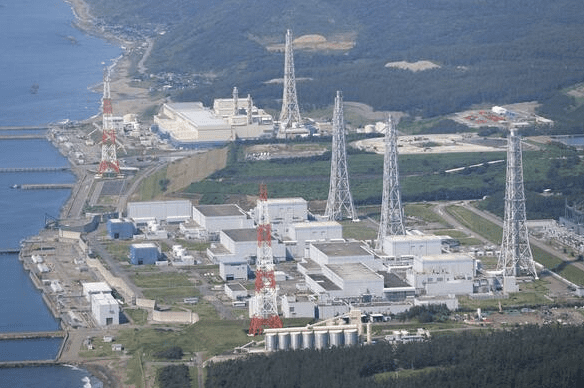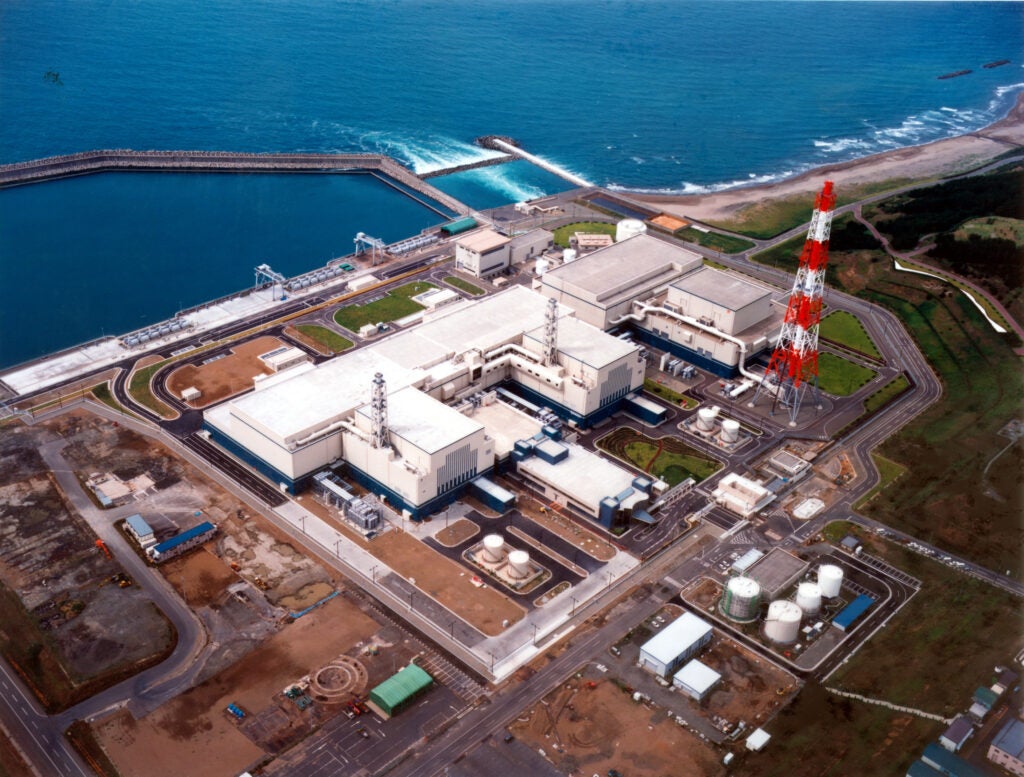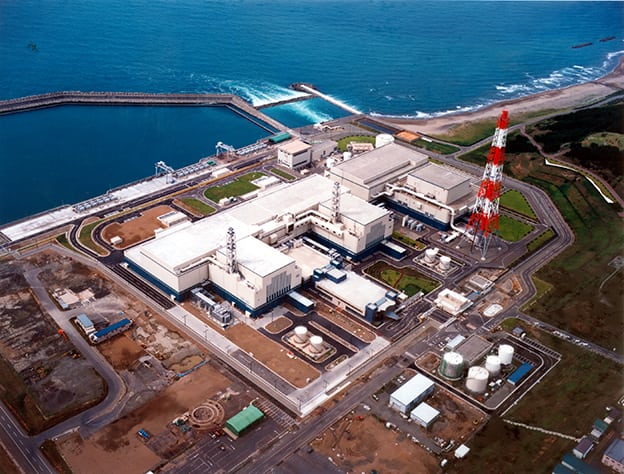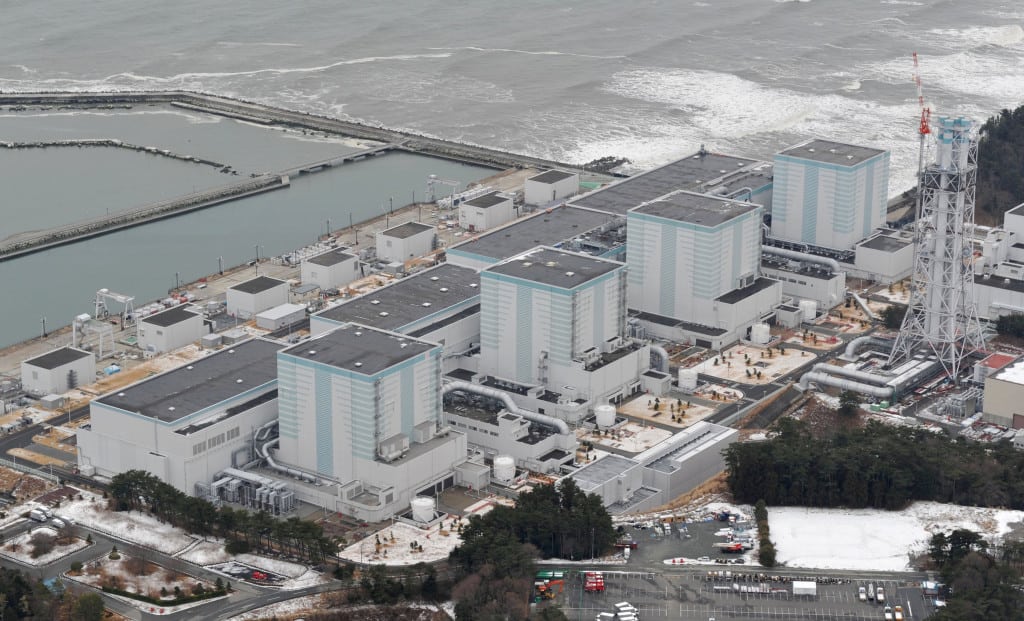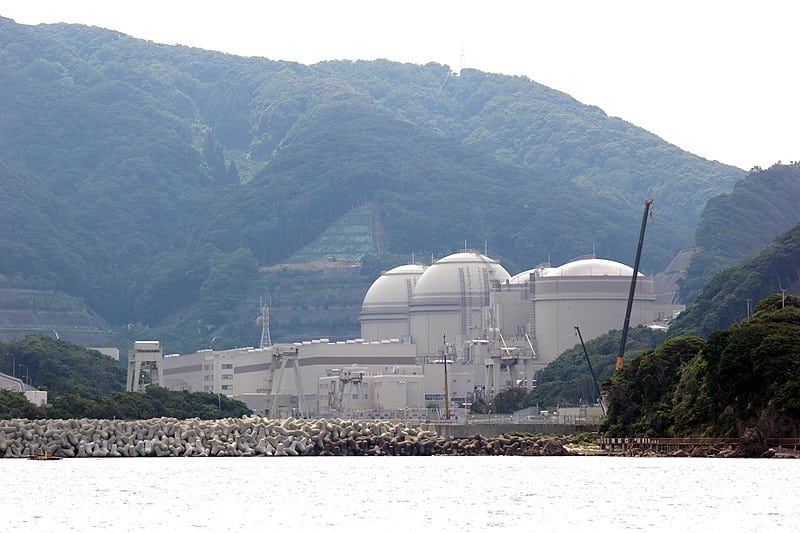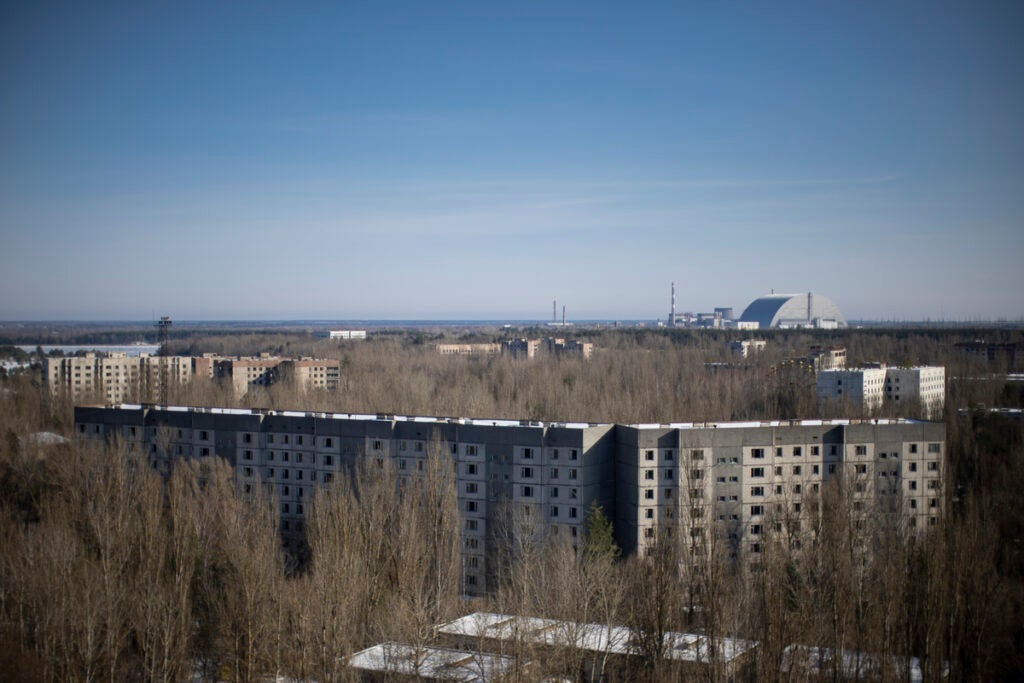
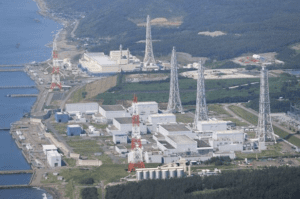
Local government officials in Japan have given approval for the restart of a reactor at the world’s largest nuclear power plant. The Kashiwazaki-Kariwa facility, where seven reactors have total generation capacity of nearly 8,000 MW, has sat idle since early 2012 in the wake of the Fukushima nuclear disaster in 2011, which caused Japan to shut down its nuclear power industry.
Kashiwazaki-Kariwa would be the 15th nuclear reactor to restart in recent years as Japan has resumed operation of its nuclear power sector. Officials in Niigata prefecture on December 22 passed a vote of confidence in Hideyo Hanazumi, the prefecturial governor who supports the plant’s restart, paving the way for the plant to reopen, although local opposition to the nuclear plant remains. The facility supports power generation for Tokyo, one of the world’s most-populous cities, which is located about 140 miles southeast of Kashiwazaki-Kariwa.
Japanese officials in 2024 sought approval from the local Niigata government to restart Kashiwazaki-Kariwa.
Japan was operating 54 nuclear reactors prior to the Fukushima incident. The current Japanese government has said it wants to double the nuclear generation capacity of the country’s energy mix, increasing that total to about 20% by 2040. The Kashiwazaki-Kariwa plant is operated by Tokyo Electric Power Co. (TEPCO), Japan’s largest electric utility. The plant in 2007 was shut down for 21 months after a magnitude 6.6 earthquake caused small radiation leaks and fires. The plant was closed in March 2012 as part of Japan’s complete shutdown of its nuclear power generation.
Regulators in 2021 moved to ban the facility from restarting due to security breaches and safety inspection records, which TEPCO reportedly falsified. TEPCO also operated the Fukushima plant. “We remain firmly committed to never repeating such an accident and ensuring Niigata residents never experience anything similar,” a TEPCO spokesperson told The Japan Times.
Officials on Monday said TEPCO intends to apply to the Japanese Nuclear Regulation Authority, the agency that oversees the country’s nuclear power industry, by Wednesday to restart the No. 6 reactor at the Kashiwazaki-Kariwa plant. The current timeline calls for resuming operations at the facility around January 20 of next year.
Japan has said it still has 33 active nuclear units, including the 14 that have previously restarted. The most recent facility to resume operations is the Unit 2 reactor at the Shimane site, which received a POWER Top Plant award for 2025. Shimane 2 came back online in January of this year.
—Darrell Proctor is a senior editor for POWER.