Centralized remote monitoring is reshaping power plant operations, enabling specialized teams to oversee multiple facilities from a single location. This discussion examines the technology, benefits, and real-world applications of remote operations centers.
The power generation industry faces a perfect storm of challenges: aging infrastructure, a shrinking workforce of experienced technicians, and increasing pressure to maximize efficiency while minimizing downtime. Traditional approaches—staffing each facility with specialized operators around the clock—are becoming unsustainable as veteran operators retire faster than new talent can replace them.
Remote operations centers represent a fundamental shift in how power plants are monitored and maintained, leveraging advanced sensors, real-time data analytics, and centralized expertise to oversee multiple facilities from a single location. This conversation with Andrew Robson, product owner for Operations and Maintenance (O&M) including Remote Operation Services with Siemens Energy, explores the full spectrum of remote monitoring and the strategic implications of this evolving approach to power plant management.
POWER: What is a Remote Operations Center and how does it work with a power plant in practice?
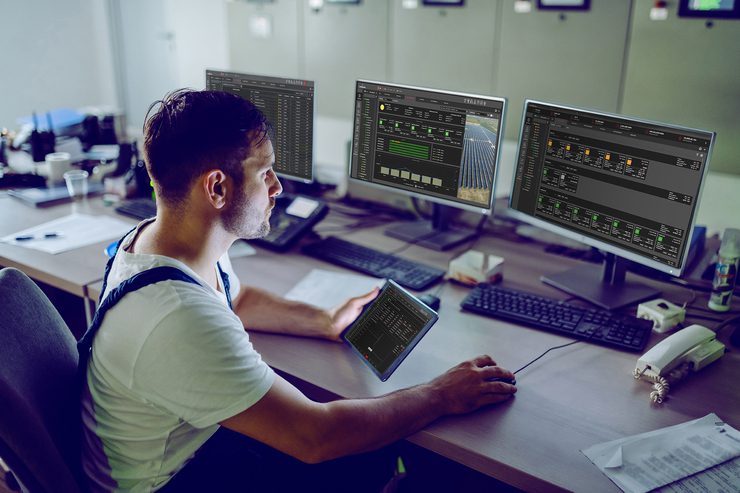
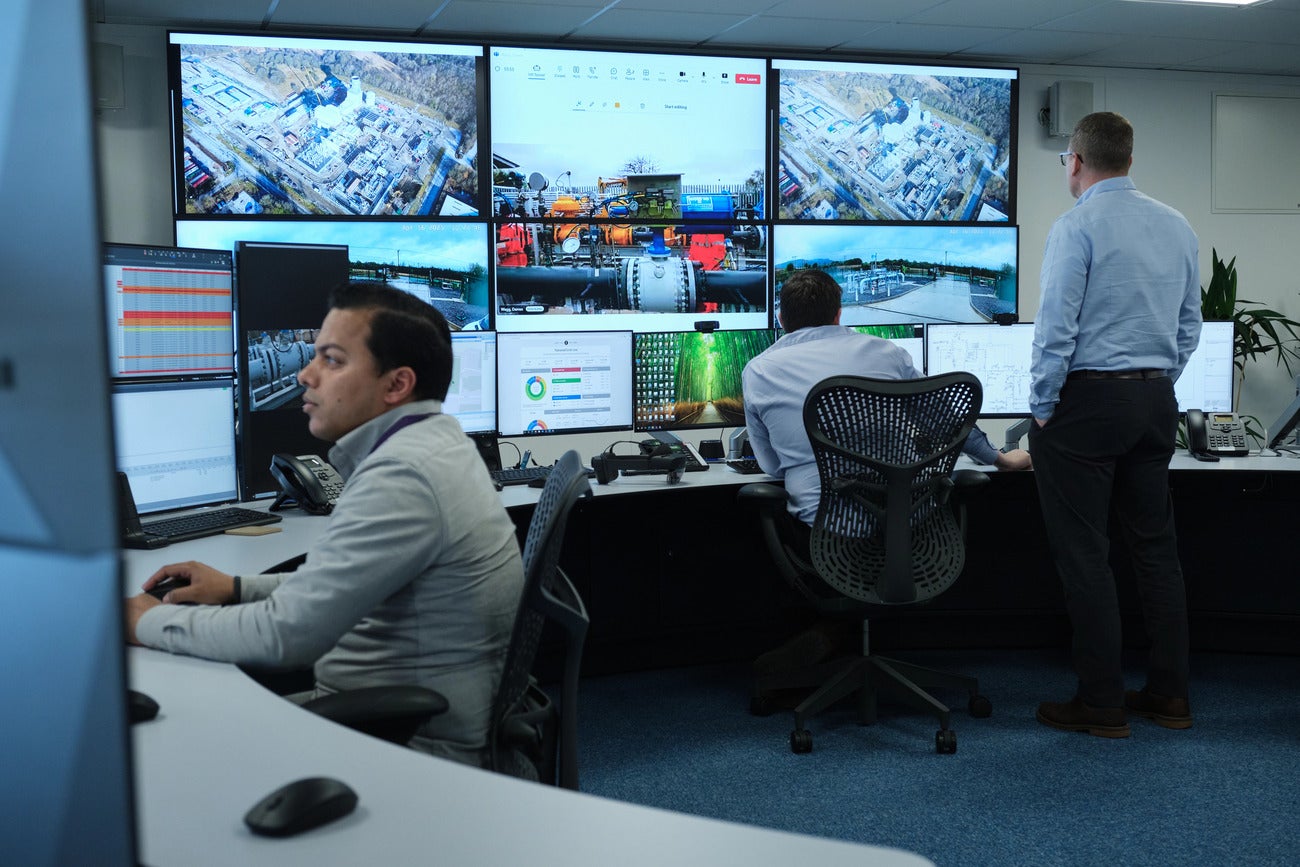
Robson: A Remote Operations Center (ROC, Figure 1) is a centralized hub that enables 24/7 remote monitoring, diagnostics, and control of power generation assets—including conventional power plants, wind farms, grid interconnectors, and energy storage facilities. By leveraging secure digital connectivity, ROCs allow operators to oversee and manage multiple sites, often across different locations and asset types, from a single location.
In This Issue
Full issueFor example, Siemens Energy’s ROC connects simultaneously to gas turbines, steam plants, wind farms, and other energy assets. Advanced software platforms, such as Omnivise, provide real-time data analytics, predictive maintenance insights, and market dispatch optimization tools. This enables operators to detect anomalies, troubleshoot issues, and implement corrective actions remotely, minimizing downtime and reducing the need for on-site staff.
In practice, this means that operators can respond immediately to performance deviations, optimize plant output based on grid demands, and ensure regulatory compliance—all without being physically present at each site. The ROC model enhances operational efficiency, supports proactive maintenance strategies, and helps organizations manage energy assets more flexibly in a rapidly evolving energy landscape.
POWER: What types of power plants are best suited for remote monitoring?
Robson: Remote monitoring is highly effective for a wide range of power generation assets. Gas-fired power plants—both open-cycle and combined-cycle—are particularly well-suited due to their advanced automation and digital control systems. However, modern remote monitoring solutions, such as those offered by Siemens Energy, also support renewable energy assets including wind farms, solar photovoltaic installations, and hybrid energy setups that combine different generation types.
The best candidates for remote monitoring are power plants equipped with modern distributed control systems (DCS), such as Omnivise T3000, and robust digital connectivity. These features enable secure, real-time data transmission and remote access for diagnostics, performance optimization, and troubleshooting. As a result, both conventional and renewable power plants can benefit from increased operational efficiency, proactive maintenance, and reduced reliance on on-site personnel.
POWER: Skill shortages are a growing challenge in the power industry. How does remote monitoring help operators address this gap?
Robson: The aging workforce and shortage of skilled engineers make staffing difficult. Remote monitoring centralizes expertise in ROC teams, reducing the need for on-site specialists. This approach ensures continuous coverage, faster troubleshooting, and access to Siemens Energy’s global knowledge base, mitigating the impact of local skill gaps.
Power plant operators face major challenges due to skill shortages and an aging workforce. However, it is not just the shortage of skilled personnel that is an issue; it is also the lack of regular practice for existing staff—especially at peaker plants, which operate infrequently but require high reliability during starts. Remote monitoring helps address both gaps by centralizing expertise within ROC teams. Instead of relying on a full complement of highly skilled engineers at every plant site, operators can leverage specialized personnel who oversee multiple assets remotely.
This approach ensures continuous operational coverage and enables faster, more effective troubleshooting, regardless of the local availability or experience level of on-site staff. ROC teams can also access Siemens Energy’s global knowledge base and technical resources, bringing advanced diagnostics and best practices to every connected site. By reducing dependence on on-site specialists and compensating for infrequent skill use among local operators, remote monitoring mitigates the impact of workforce shortages and helps maintain high standards of safety, reliability, and performance across the power generation fleet.
POWER: How does a centralized team of specialists compare to having dedicated staff at each plant site, both in terms of operational performance and cost?
Robson: A centralized team of specialists, operating from an ROC, offers significant advantages over maintaining dedicated staff at each power plant site. By consolidating expertise, centralized teams improve operational performance through better decision-making, rapid troubleshooting, and the sharing of best practices across multiple sites. This approach enhances consistency, reduces downtime, and supports standardized processes, all of which contribute to higher reliability and efficiency.
From a cost perspective, centralization eliminates the need to duplicate skilled roles at every facility. ROC specialists can manage and monitor several plants simultaneously, optimizing resource utilization and leveraging economies of scale to significantly lower operating expenses (OPEX). Advanced digital tools further enhance these benefits by enabling predictive maintenance and data-driven optimization.
However, this model does require robust and secure communication systems to ensure seamless remote operations. Most issues can be addressed remotely, and in the rare instances where on-site emergencies require physical intervention, Siemens Energy’s rapid response protocols ensure timely and effective support. Despite this, the overall benefits of improved performance, cost savings, and access to a broader pool of expertise make centralized teams an increasingly attractive solution for the power industry.
POWER: Power plants generate enormous amounts of operational data. How does Siemens Energy’s Omnivise platform turn that data into actionable insights?
Robson: Power plants generate enormous volumes of operational data from a variety of systems and equipment. Siemens Energy’s Omnivise platform aggregates this data into a unified environment, where it employs AI [artificial intelligence], digital twins, and advanced analytics to detect patterns and emerging trends. These data trends are presented to expert operators and engineers, who then validate the findings and translate them into actionable insights.
This collaborative approach supports predictive and condition-based maintenance, performance optimization, and reliability-centered strategies. By empowering experts to make informed, data-driven decisions quickly, Omnivise helps operators enhance asset reliability, reduce unplanned downtime, and optimize overall plant performance.
POWER: How does predictive maintenance work in practice? Can you give an example of how remote monitoring has caught a problem before it became critical?
Robson: Predictive maintenance combines real-time condition monitoring, advanced analytics, and AI-driven diagnostics to detect early warning signs of equipment issues—often before they develop into critical failures. Sensors continuously track key parameters such as vibration, temperature, pressure, and performance data from turbines, generators, pumps, and other plant assets. This data is analyzed for anomalies or patterns that indicate potential problems.
When the system identifies an emerging issue, it alerts remote operations teams, who assess the risk and recommend targeted maintenance actions. This proactive approach allows operators to schedule repairs at optimal times, with the aim to avoid unplanned outages and reducing maintenance costs.
A real-world example comes from a Siemens Energy customer in Germany. At one of their power plants, remote vibration diagnostics detected abnormal rotor behavior in a gas turbine. The system flagged subtle changes in vibration patterns that could have easily gone unnoticed during routine inspections. The remote monitoring team analyzed the data, confirmed the risk of a developing fault, and advised the plant to carry out maintenance before the problem escalated. As a result, the plant avoided a costly forced outage, maintained high availability, and extended the life of critical equipment.
In summary, predictive maintenance not only improves reliability and efficiency but also transforms how maintenance is performed—from reactive repairs to intelligent, data-driven interventions that keep power plants running safely and smoothly.
POWER: Remote access to critical infrastructure raises obvious cybersecurity concerns. How do you protect against threats while maintaining the connectivity needed for remote operations?
Robson: Remote access to critical energy infrastructure requires robust cybersecurity to protect against evolving threats. Siemens Energy operates to stringent cyber regulations, and these standards are upheld regardless of whether an asset is being monitored or operated directly by Siemens Energy. All personnel involved receive applicable training and maintain the necessary regulatory clearances to ensure compliance and secure operations.
To safeguard remote operations, Siemens Energy applies a defense-in-depth strategy, fulfilling the highest standards of cybersecurity. This includes compliance with standards such as ISO 27001, network intrusion detection systems, application whitelisting, and the use of secure gateways such as data diodes to control data flow and prevent unauthorized access. Regular patching, two-factor authentication, and dedicated Computer Emergency Response Teams (CERT) further strengthen resilience against cyber threats.
Additionally, Siemens Energy conducts Cyber Vulnerability and Regulatory Assessments (CVRA) for its customers. This procedure evaluates a customer’s cybersecurity posture against relevant standards and regulations. At the conclusion of the assessment, customers receive a detailed report outlining findings and highlighting any critical issues that require attention. This proactive approach helps ensure that customers’ systems not only meet regulatory requirements but also benefit from Siemens Energy’s industry-leading expertise in cybersecurity.
Through this comprehensive framework—including rigorous technical measures, staff training, regulatory adherence, and ongoing vulnerability assessments—Siemens Energy maintains the connectivity essential for remote operations while upholding the highest levels of cybersecurity for critical infrastructure.
POWER: For a plant operator considering remote monitoring, what does the transition process look like?
Robson: When Siemens Energy provides remote monitoring and operation, the transition is carefully structured to ensure both operational excellence and regulatory compliance. The process typically unfolds as follows:
- Comprehensive Site Assessment. Siemens Energy experts begin with an in-depth site assessment, evaluating the current condition of assets, identifying obsolescence risks, and reviewing regulatory requirements. Special attention is paid to “black box” systems—proprietary or closed systems—to ensure integration feasibility and security.
- Criticality Assessment and Planning. A criticality assessment is conducted to determine the importance of each asset to overall plant reliability and safety. This helps prioritize actions and develop a tailored plan to ensure optimal reliability throughout the transition.
- Cybersecurity and Compliance Readiness. The team investigates cybersecurity posture, ensuring systems meet stringent regulatory standards. This includes a CVRA, which benchmarks the site’s cybersecurity against relevant standards and regulations, identifying any critical gaps to address before remote operation begins.
- Integration and Digital Enablement. Digital platforms such as Siemens Energy’s Omnivise are integrated, aggregating data from various systems into a unified environment. Secure connectivity is established using industry-leading measures—such as data diodes and network segmentation—to protect against cyber threats.
- Training and Change Management. Plant operators and staff receive comprehensive training to ensure a smooth transition. This covers new digital tools, updated procedures, and cybersecurity best practices, aligning everyone with compliance and operational standards.
- Phased Implementation. The shift to remote operations typically starts with remote monitoring, allowing all systems and processes to be validated in real-time. As confidence grows and requirements are met, operations are gradually transitioned to the ROC for full remote control, ensuring continuous support and optimal plant reliability.
By following this structured approach, Siemens Energy ensures a seamless and secure transition to remote monitoring and operation, tailored to each plant’s unique needs and focused on maximizing safety, reliability, and regulatory compliance.
POWER: What happens if the connection between the ROC and a plant is lost? What redundancies are built into the system?
Robson: Siemens Energy’s remote operations are designed with multiple layers of redundancy to ensure maximum reliability and safety. The connection between the ROC and each plant is secured through multiple independent VPN [virtual private network] connections, often using diverse channels such as standard fiber or copper cables, mobile networks (including 5G), and, in some cases, satellite links like Starlink. This diversified approach makes a total loss of connectivity highly unlikely.
Critical systems at the central ROC—including control desks and operational technology—are protected by robust uninterruptible power supply (UPS) backup systems. This ensures that even during local power outages, remote operations and oversight remain uninterrupted, supporting continuous, secure plant management.
If the primary ROC ever experiences a connectivity issue, Siemens Energy’s interconnected network of control rooms allows other centers to seamlessly assume temporary control. This collaborative structure provides uninterrupted oversight and rapid response, maintaining high levels of operational reliability and asset protection.
In the rare event that a site is completely unmanned and all remote communication is lost, Siemens Energy’s proactive protocols ensure that an operator is promptly dispatched to restore local control. Furthermore, advanced fail-safe systems automatically activate if operator intervention is delayed, safely shutting down the unit to protect both equipment and personnel.
Together, these comprehensive safeguards empower Siemens Energy to deliver outstanding operational resilience and peace of mind for plant owners and operators. By combining advanced technology, expert support, and proven protocols, Siemens Energy ensures that every facility remains safe, reliable, and ready to perform—no matter the circumstances. This commitment to robust redundancy and responsive action exemplifies Siemens Energy’s dedication to excellence in remote power plant operations.
POWER: Can you share any examples where remote monitoring has proven its value during unexpected events or emergencies?
Robson: Remote monitoring and operations have repeatedly demonstrated their value during unexpected events and emergencies. For instance, during a period of grid instability in Germany, Siemens Energy remotely ramped up a gas turbine plant within 30 minutes to stabilize the electricity supply, preventing widespread outages.
Beyond such large-scale events, Siemens Energy’s ROC teams have supported plants during severe weather incidents and pandemic-related travel restrictions, ensuring critical infrastructure operated without interruption when on-site access was limited.
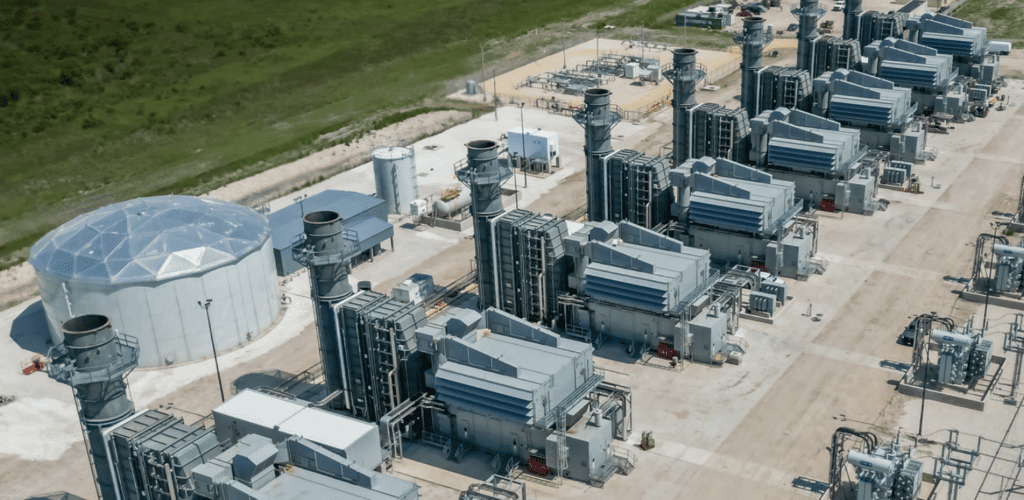
The Leipheim gas-fired power plant (Figure 2) in Bavaria, Germany, is operated entirely remotely from Siemens Energy’s ISO-certified Remote O&M Support Center in Erlangen. In emergency situations, the plant can be ramped up to 300 MW within 30 minutes to stabilize the grid, ensuring a reliable power supply even when renewables are insufficient. This project is one of the first worldwide to be operated purely digitally from a remote location, showcasing the effectiveness and reliability of Siemens Energy’s remote operations solutions.

Other examples include:
- Remotely Tuning Gas Turbines. When operational issues affected performance, Siemens Energy experts remotely adjusted turbine settings to restore efficiency and reliability without the need for on-site intervention.
- Supervising Inexperienced Plant Operators. During operational events, ROC teams have provided real-time guidance to less experienced staff, helping them navigate complex procedures safely and effectively.
- Supervising Start-Ups After Equipment Failure. Following the failure of major plant equipment, Siemens Energy has remotely supervised start-up procedures using temporary measures, ensuring safe and stable plant operation while a permanent solution was implemented.
These examples illustrate how remote monitoring not only enhances operational resilience during emergencies but also delivers expert support and problem-solving capabilities exactly when and where they are needed most.
—Aaron Larson is executive editor of POWER.