
The grid faces unprecedented pressures as data center-driven demand skyrockets, with expected growth hitting 50% over the next 15 years. Meanwhile, utilities contend with record-high turnover rates and an aging workforce, half of which is expected to retire over the next decade.
Without workforce stability, there can be no grid reliability. The sector is racing to modernize its infrastructure, but no amount of intelligent technology can replace human input.
COMMENTARY
Staff need to know they can count on their peers, leaders, and mission, especially in high-stakes situations where lives are on the line. Trust is directly linked to high turnover and is identified as a key driver of employee engagement and loyalty.
When disaster strikes, people want to feel empowered and supported by their colleagues. Leaders have a duty to get to know their people in the field. Empowerment is a fundamental factor here. Employees who are empowered are more engaged and motivated, actively participating in continuous improvement. This reinforces reliability and resilience across teams, vital traits for any company to maintain a competitive advantage.
Trust also instills a united purpose and alignment with leadership decisions. To build trust, strengthen transparency and communication around decisions. Seniors shouldn’t just ingrain protocols, but also explain the “why” behind them to earn staff-wide buy-in.

In This Issue
Full issueChampioning a culture of trust, visibility, and empowerment starts at the top. Leaders should embody all three in their actions as well as their words.

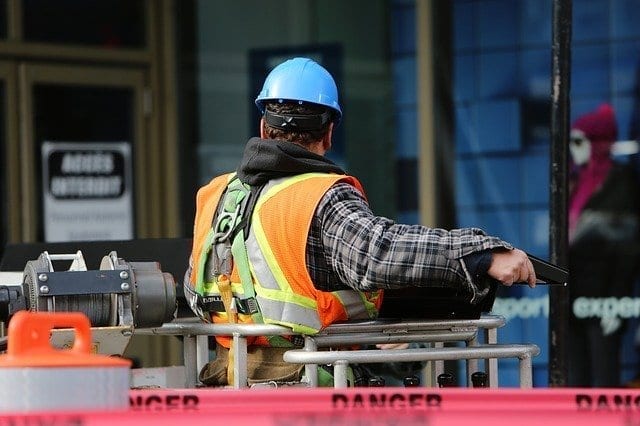
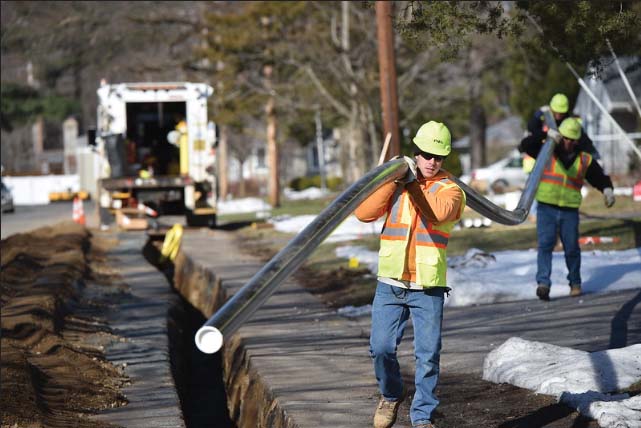
Utility workers often encounter harsh and dangerous conditions. Line workers are called to fix downed wires, with the constant threat of electrocution. Emergency crews are the first boots on the ground during natural disasters.
Rewards and recognition are a must, and not just in the form of pay raises and bonuses. Employees are hungry for professional development, growth, and recognition for their hard work. About 60% of the public power workforce has less than a decade of experience. For an industry hit with huge demand, the case for investing in professional growth to bridge skills gaps and fill talent shortages is more than compelling.
Agility and adaptability are indispensable for the industry’s workforce. Rapidly advancing technology and artificial intelligence (AI) are virtually fixed features in utilities, and the teams working with the tools must be able to evolve with them.
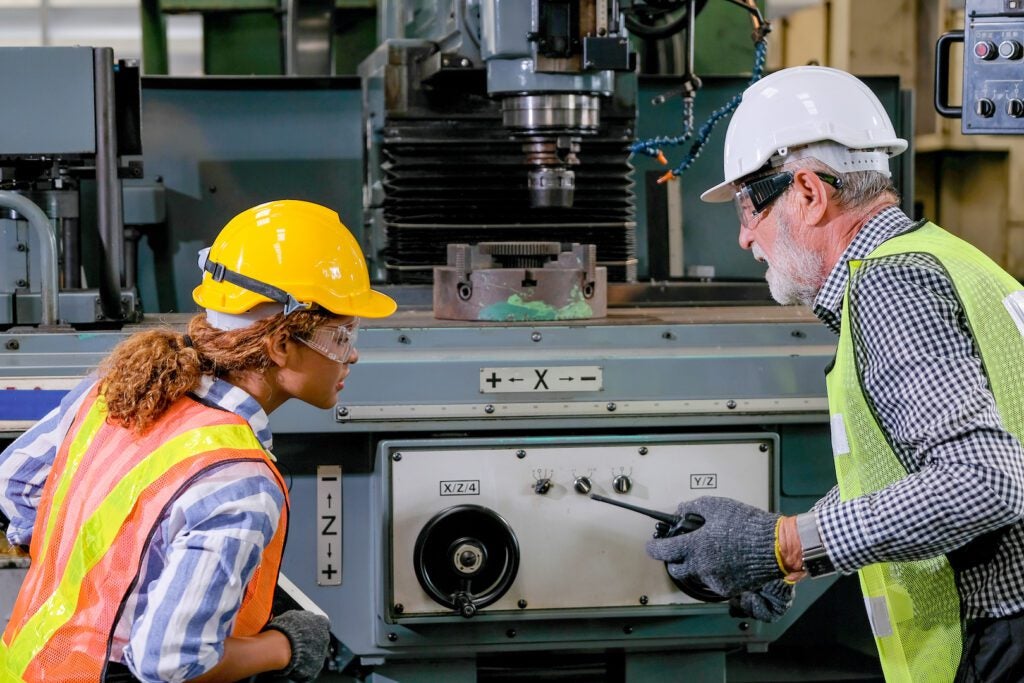
Clear skills-building pathways for progressive and demonstrable professional development aren’t just what teams want, but what the sector needs. Strengthening horizontal and vertical growth is rooted in a guided, hands-on approach for tangible improvement. That includes supervisor coaching in a “mentor/mentee” setup, structured programs with measurable key performance indicators (KPIs), and practical training sessions to keep pace with rapidly changing tools.
Build an internal marketing campaign centered around growth. Leverage the workforce to help find new business and people, rewarding staff handsomely for new leads that convert into contracts or employee referrals that turn into revenue.
Empowered staff feel their well-being is acknowledged and protected. Safety is integral to workforce retention and resilience. Nobody should have to choose between speed and safety. People who don’t feel protected will become disengaged and distrustful toward management, prompting them to leave. With the right guardrails in place, these outcomes are avoidable.
Staff welfare isn’t just rooted in buying safety gear. Mental and emotional stress are just as damaging as physical strain. Managers must prevent over-scheduling already overstretched crews. AI-powered smart schedulers can help flag how many shifts crew members have worked, allowing supervisors to stay on top of efficiency without sacrificing empathy.
Moreover, burned-out staff are three times more likely to be actively looking for another job. Mistakes are a bigger risk among overstrained employees, too. Of course, protocols must be enforced, and that means closely embedding and auditing them so they are universally adhered to. Additionally, auditing reinforces transparency and accountability, two cornerstones of building trust. Simply put, safety is a 24/7 mindset that is blended between work and personal life.
Arrange for frequent training so all teams are familiar with safety protocols that encompass physical and mental well-being, and what is required from them, whether they’re an on-site crew member or an office-based employee. Leadership should also get involved, ensuring close accountability and regular participation in these areas.
Audits should happen in parallel with training programs. Is the content up to date? Do training structures align with organizational goals and KPIs, such as fewer injuries? Are they in line with relevant safety regulations, such as Occupational Safety and Health Administration (OSHA) standards? Finally, ensure knowledge sticks by integrating measurable assessments alongside training.
Shareable moments and near-miss reporting should be daily handouts, which are expected by employees and clients. Surrounding the workforce with a constant barrage of safety and human performance tools may seem excessive, but it creates a deeply rooted and sound safety culture.
The grid will never reach its potential without stabilizing the workforce. Trust, empowerment, growth pathways, and safety make that possible. Without them, companies start taking on water fast, because when the people at the core begin to walk away, everything else follows. Invest in a stabilized workforce to avoid a sinking ship.
—David Chandler is Chief Human Resources Officer (CHRO) at Think Power Solutions, an energy and utility infrastructure management consulting company headquartered in Dallas, Texas.