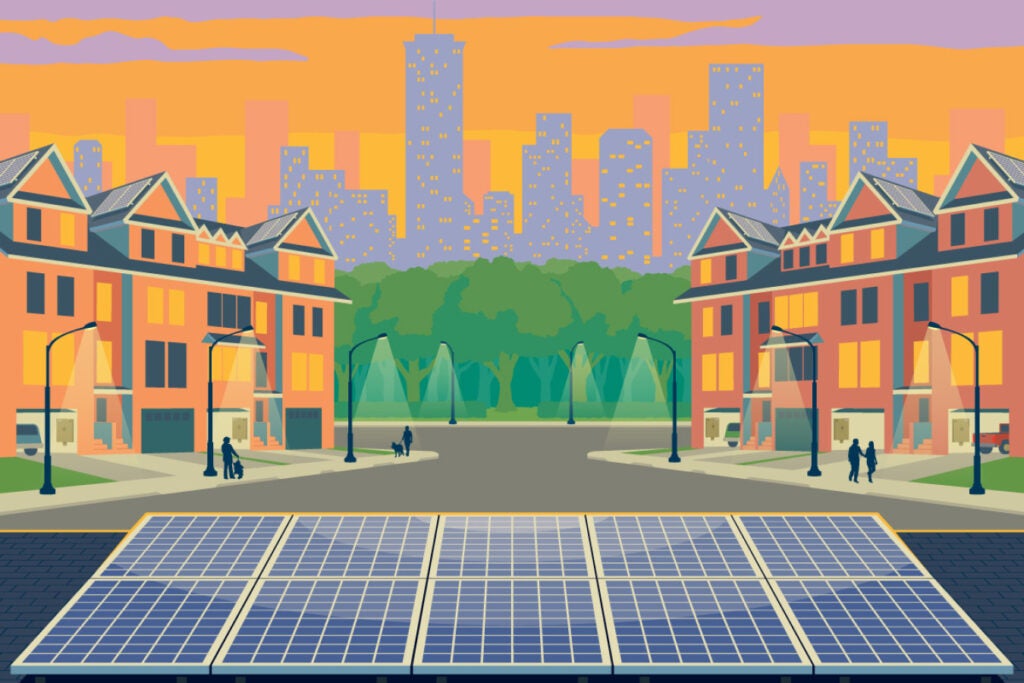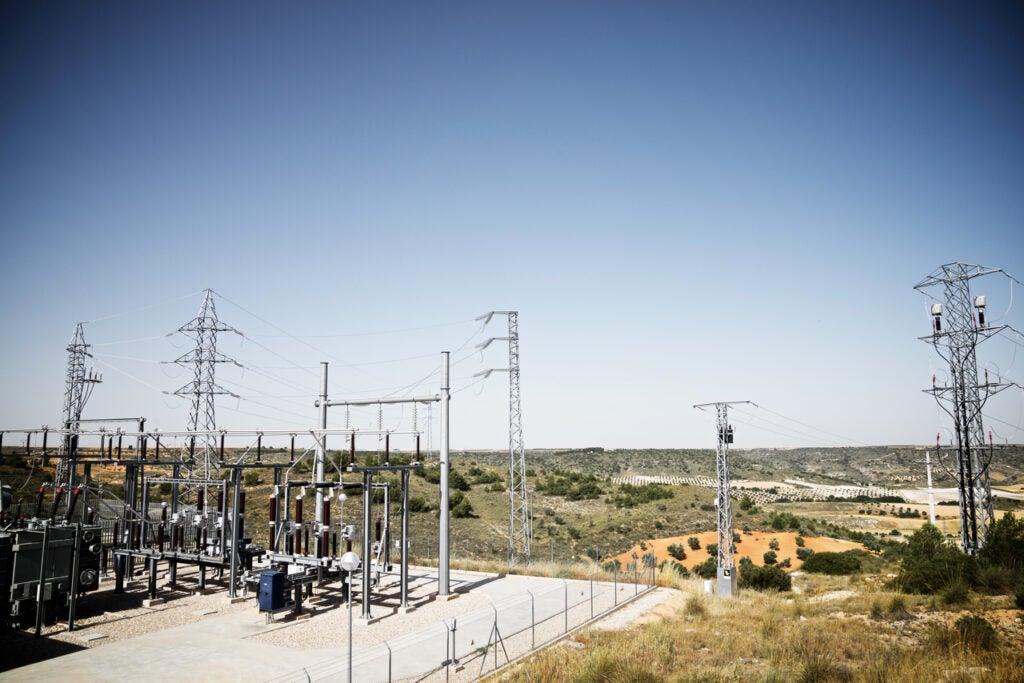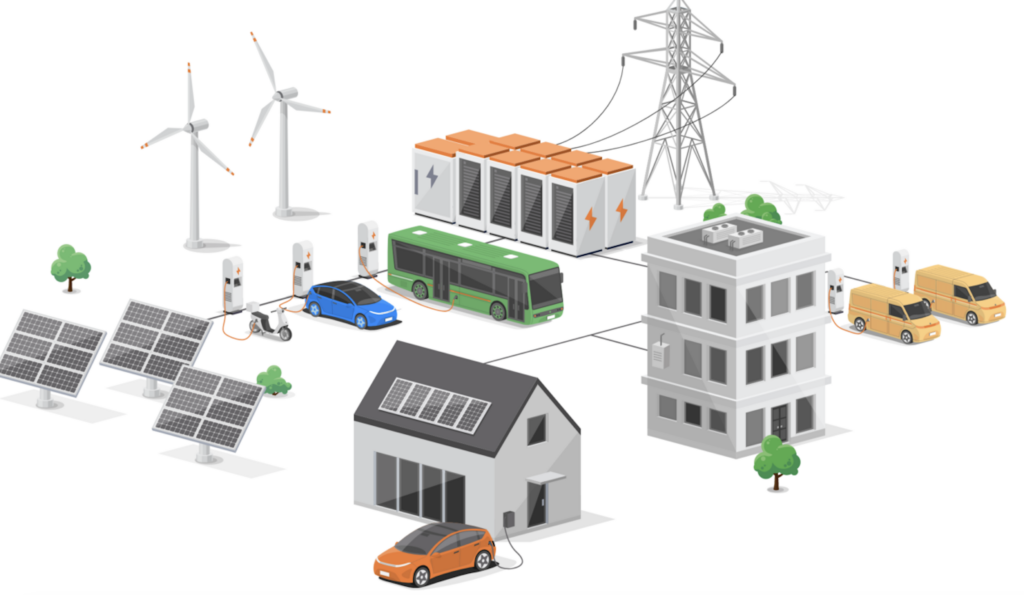
Electricity management is undergoing a fundamental shift. The traditional model of one-way power flows is giving way to a dynamic system shaped by distributed assets and active consumer participation. Renewables are proliferating, distributed energy resource (DER) adoption is accelerating and assets are emerging at the grid edge. The transition to a decentralized energy future is well underway, with distributed energy management systems (DERMS) serving as a key enabler of this transformation.
DERMS: Connecting Utilities, Consumers and the Grid
DERMS form the foundation for real-time visibility and localized control of DERs. Beyond conventional demand response, these systems leverage predictive and self-learning algorithms to optimize performance, increase photovoltaic hosting capacity and support resilience-oriented microgrid operations. When integrated with advanced distribution management systems, utilities can manage DERs at scale and explore non-wire alternatives to costly infrastructure upgrades.
Incorporating DERMS into planning and forecasting further enhances these benefits, enabling utilities to anticipate demand and optimize resources proactively. Pairing DERMS with grid edge intelligence amplifies these capabilities. Together, they enable predictive dispatch, voltage optimization and real-time flexibility at the neighborhood level. Utilities gain the ability to act on live grid conditions and autonomously manage DERs to maintain stability.
The benefits are tangible: optimized renewable generation, reduced peak loads and extended lifespan of existing infrastructure. These advancements also help utilities manage growing electrification demand and meet ambitious decarbonization goals without compromising reliability. With enhanced visibility and control, utilities can quickly detect issues, respond accordingly and optimize distribution across the low-voltage grid.
Decentralizing the Grid, Preparing for the Future
The era of a static and centralized electric grid is over. By combining real-time DER coordination with low-voltage network visibility, DERMS and grid edge intelligence turn DERs into active contributors to a resilient, future-ready grid. The future of electricity management is here, and it’s defined by flexibility, reliability and intelligence at the edge.
—Nick Tumilowicz is director of Product Management for Distributed Energy Management at Itron.