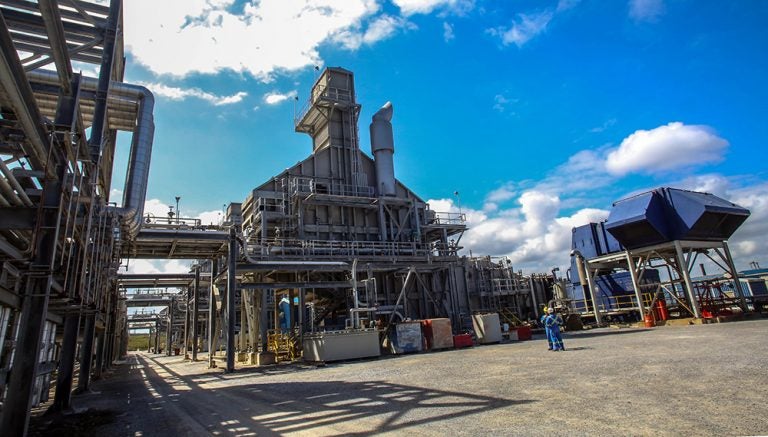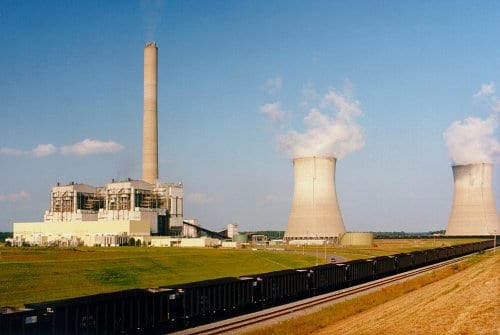
Entergy Arkansas, the utility that provides electricity to about 735,000 customers in 63 counties in that state, announced a plan to add about 2.6 GW of new power generation capacity, in part by converting old coal-fired units to burn natural gas. It also is renewing the operating license for the 1.8-GW Arkansas Nuclear One power plant, the state’s only nuclear power station, with plans to invest in new equipment that would increase the facility’s output.
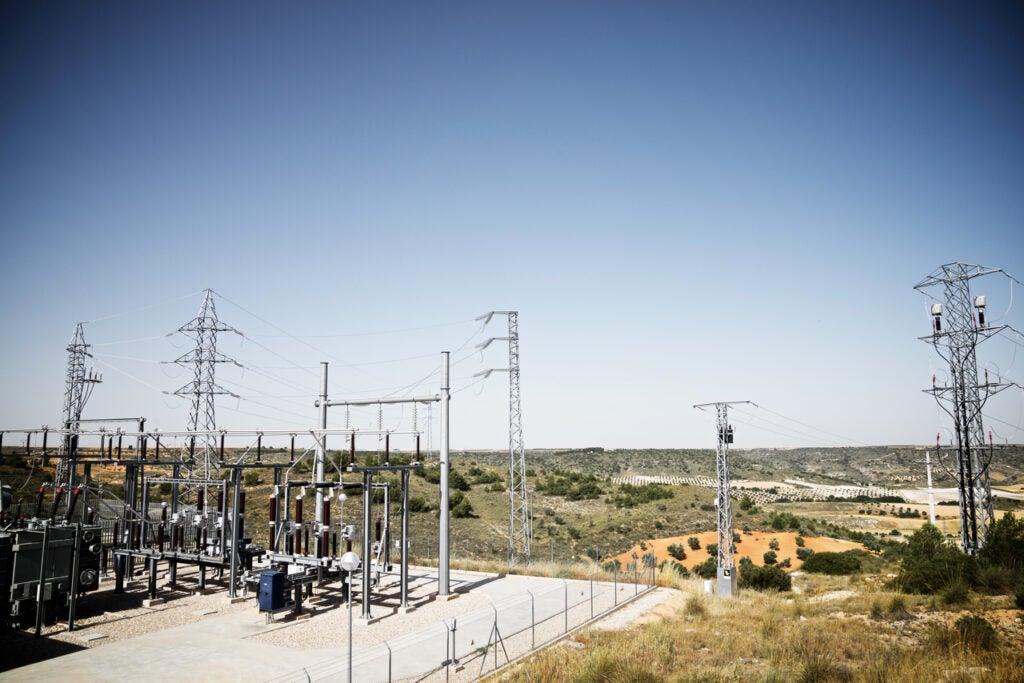
The new generation includes solar power and battery energy storage. The utility announced its “Next Generation Arkansas” plan on December 18, noting the strategy is designed around “strengthening reliability, expanding energy supply, driving economic growth and keeping power affordable for all customers.”
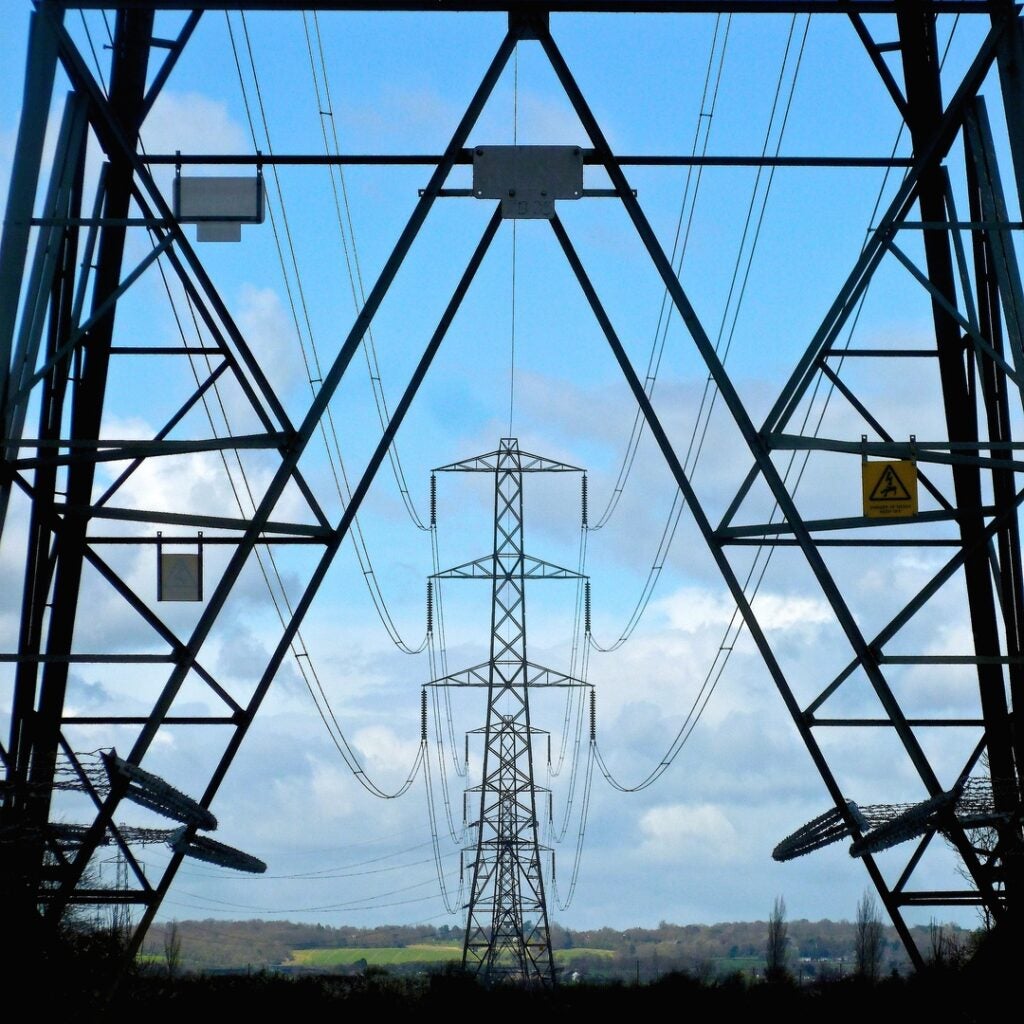
Laura Landreaux, Entergy Arkansas president and CEO, said, “Next Generation Arkansas is about preparing our state for what’s ahead. By strengthening the grid, adding new generation and modernizing how we deliver power, we’re making the system more reliable and more affordable while also building a system that enables unprecedented growth over the long term. These investments help prevent outages, support new jobs and ensure that Arkansas families and businesses continue to benefit from low, predictable electricity costs as our state grows.”
Landreaux added, “Our 2,800 Entergy employees in Arkansas and I understand that this is some of the most important work of our careers, and we feel it personally because we’re Arkansans too. We’re proud to help deliver better power, more jobs and a brighter future for our fellow Arkansans.”
New Gas-Fired Generation
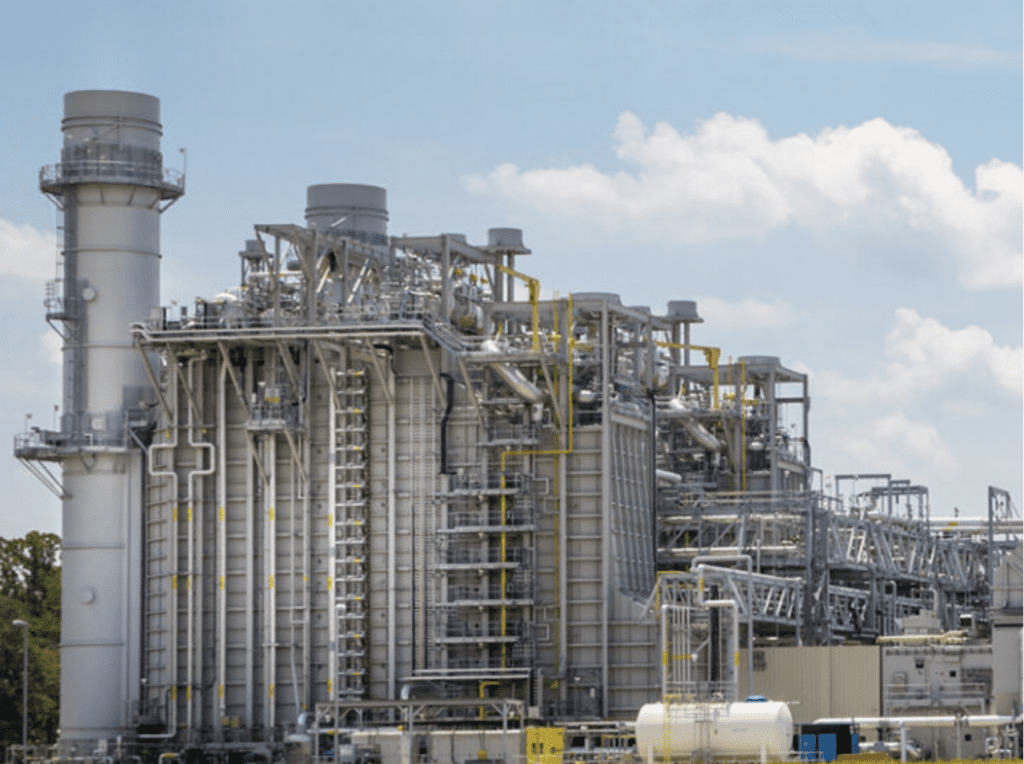
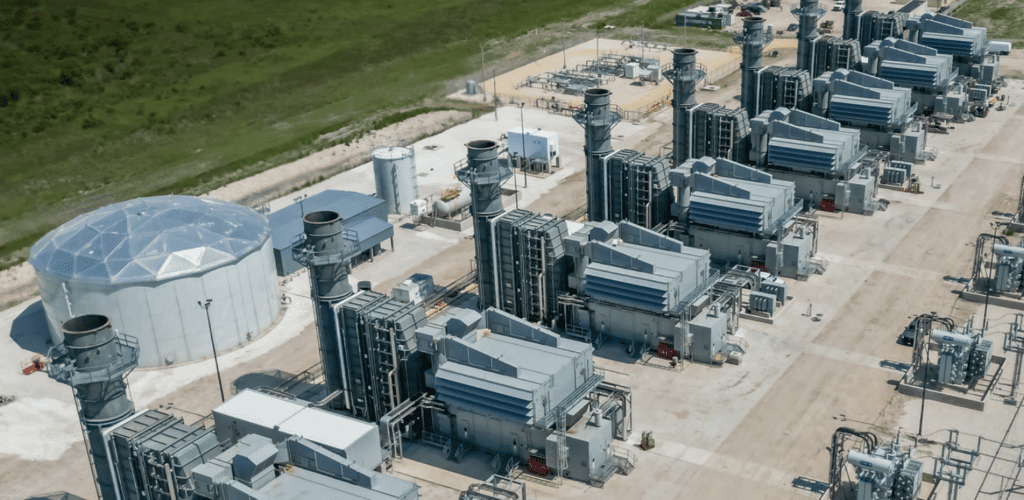
The company said it would build the Ironwood Power Station, a new 450-MW natural gas-fired facility, in Hot Spring County, with commercial operation expected in 2028. It also will build the new 750-MW Jefferson Power Station in Jefferson County, expected to come online in 2029.
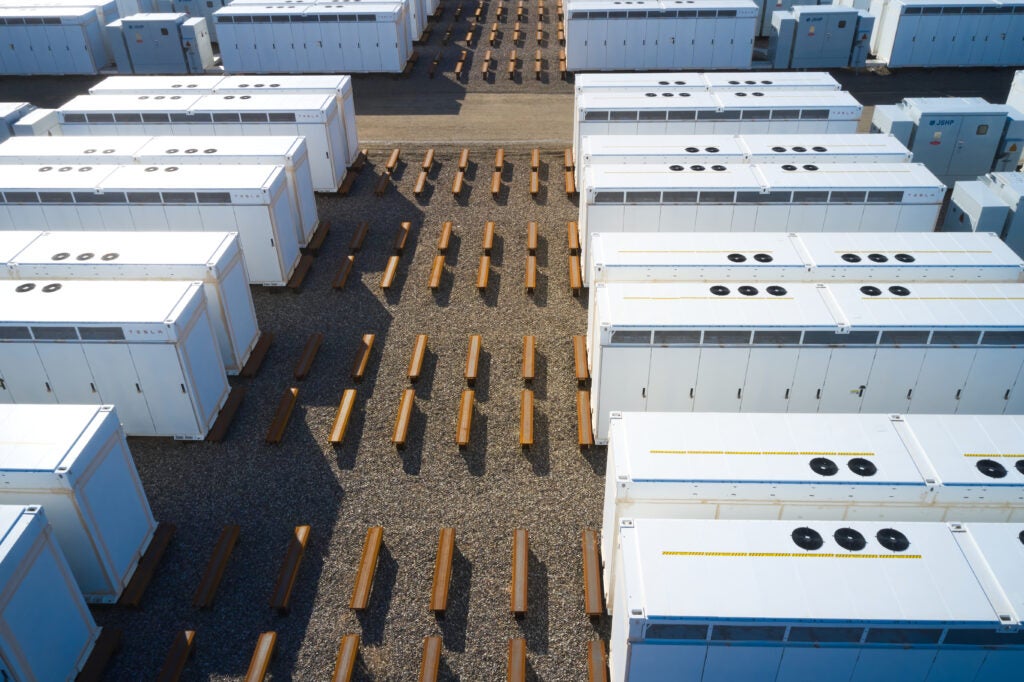
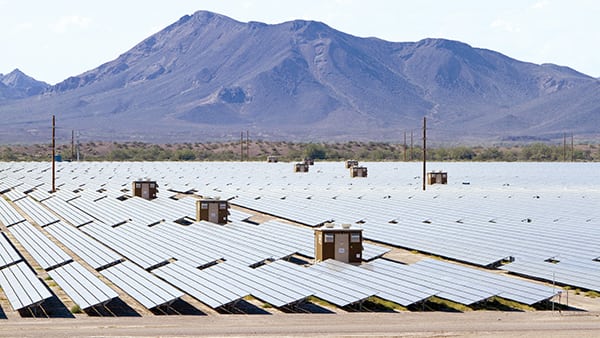
The utility said it would add 600 MW of solar power, along with 350 MW of battery energy storage, at the Arkansas Cypress facility in Jefferson County. Commercial operation of that installation is expected in 2028. The company also said it would invest in upgrades at existing natural gas-fired power plants that would increase generation capacity by more than 150 MW.
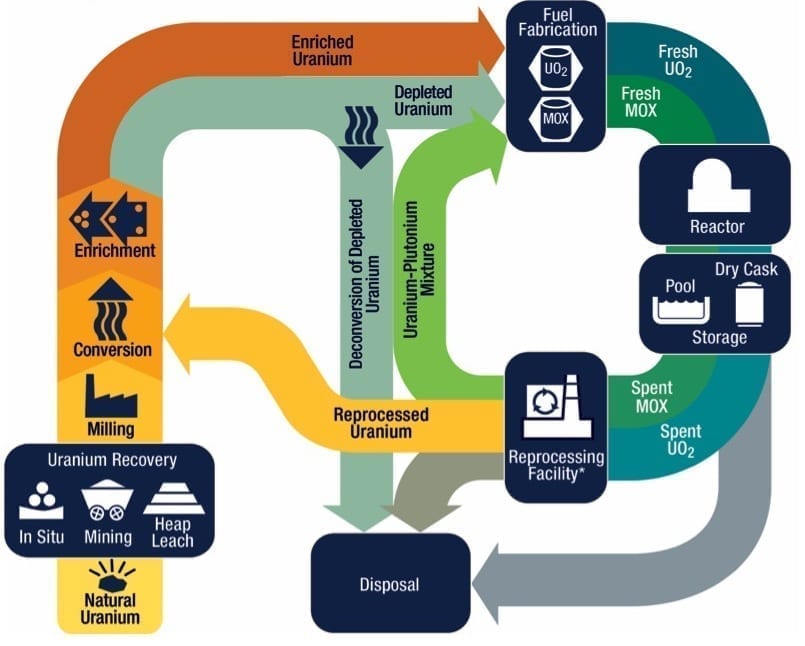
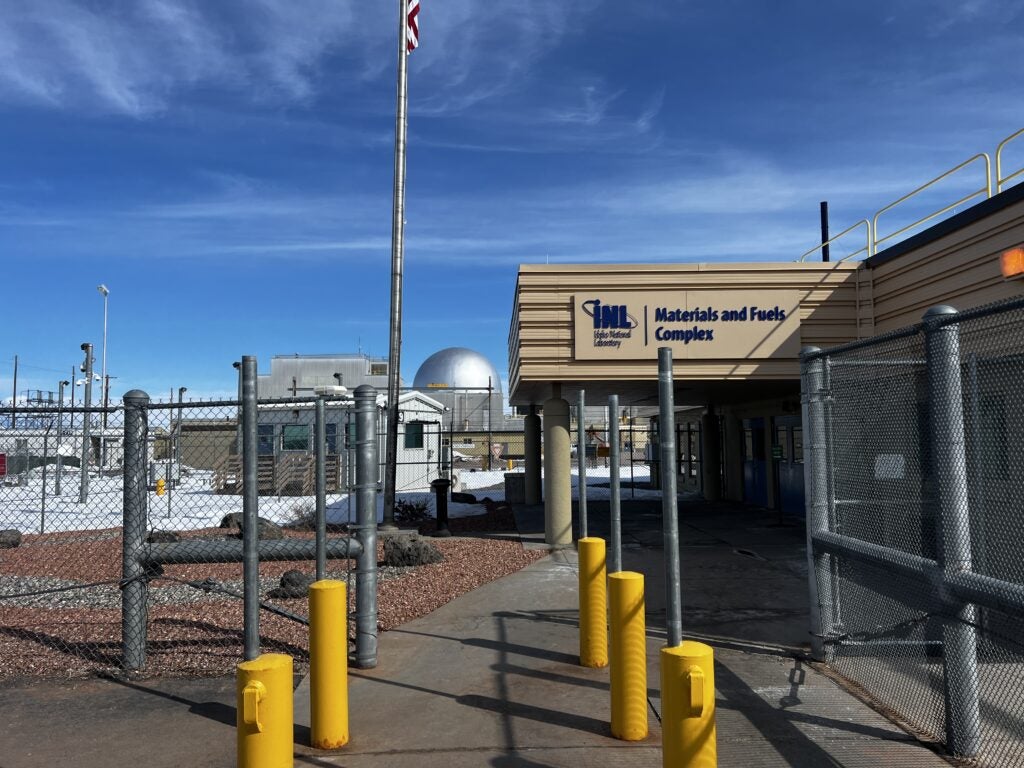
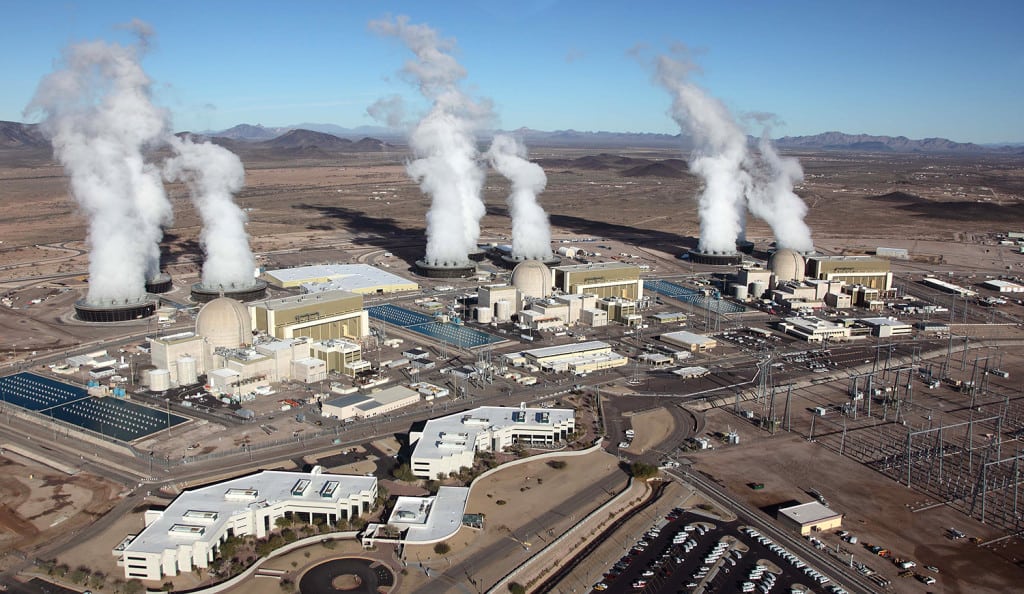
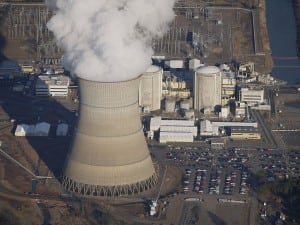
Unit 1 at the Arkansas Nuclear One power plant began commercial operation in 1974; Unit 2 at the site came online in 1980. Nuclear power plants are granted 40-year operational licenses with 20-year renewals, and with the planned renewal announced by the utility earlier this month, the units will operate until 2054 and 2058, respectively, according to the company.
Utility officials earlier in December said Entergy, the parent of Entergy Arkansas, is evaluating new nuclear power options beyond its fleet of five reactors at four locations in Arkansas, Louisiana and Mississippi. Those reactors in total have about 5 GW of power generation capacity.
Plan Priorities
Entergy Arkansas said the new plan is “the company’s response to several power-related issues facing the state,” including population growth that requires additional electricity. The group also said the strategy addresses more-frequent extreme weather events that have impacted power reliability. The utility noted additional generation capacity also supports “increasing state competitiveness for job-creating projects,” and is among the approaches that could keep electric rates lower for customers.
The group said the priorities of its strategy include reducing the number of power outages by at least 30% over the coming years, and enabling faster repairs along its system to support that goal. Officials also said the company is performing reliability improvement projects, and deploying new, advanced technology tools to identify problems faster and improve power quality. And perhaps with a nod to attract data centers, the group said improvements would support “adding new large customers to the grid that helps offset the costs of these improvements for existing customers.”
Officials said Entergy Arkansas “has partnered with state and community leaders to drive the creation of more than 7,500 jobs and over $13 billion in capital investments,” in recent years. The company said it is using the blueprint created by the Generating Arkansas Jobs Act of 2025 “:to work at the speed needed to compete nationally for once-in-a-generation tech and industrial projects.”
“We want to commend state leaders for passing the Generating Jobs Act of 2025, which is a landmark legislation and shows what’s possible when Arkansas sets a bold vision for its future, and the Arkansas Public Service Commission for approving the new associated rider,” Landreaux said. “Because of the state’s leadership, Arkansas has the tools to compete for once-in-a-generation opportunities. We are committed to delivering a power system that attracts new jobs, strengthens communities, and keeps our state moving forward for the next generation of Arkansans.”
—Darrell Proctor is a senior editor for POWER.