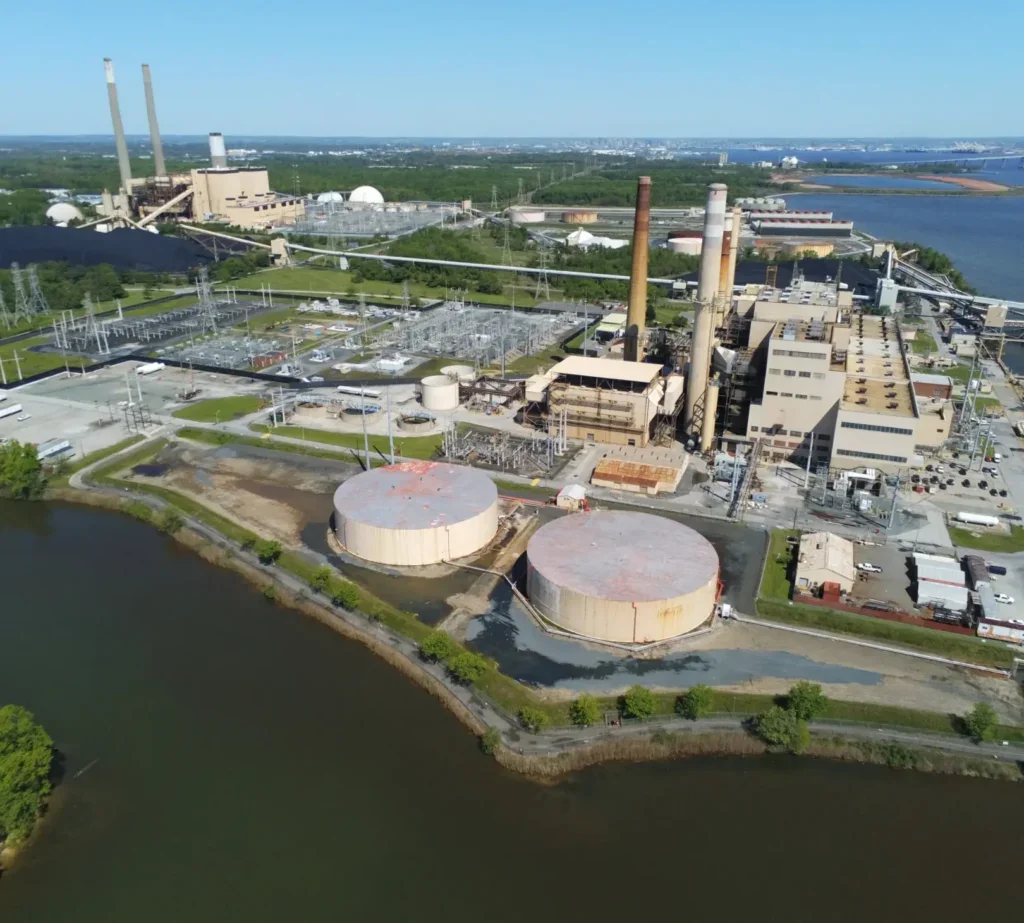
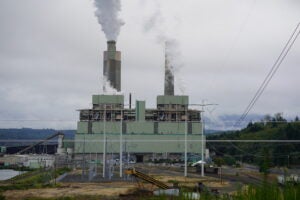
The last coal-fired power generation unit in Washington state, scheduled to close by year-end, is the latest U.S. coal facility ordered to remain in operation by the Trump administration.
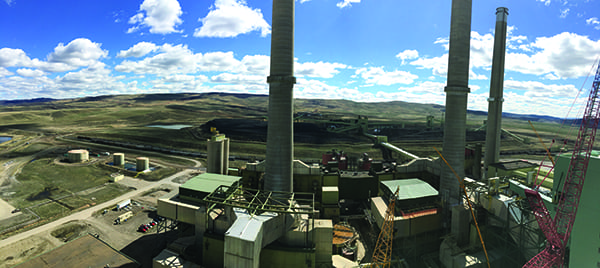
The U.S. Dept. of Energy (DOE) on December 16 told TransAlta, a Calgary, Canada-based independent power producer (IPP), to keep the 730-MW, coal-fired Centralia Unit 2 online. DOE Secretary Chris Wright, as he and his agency have alleged in previous orders, said the region faces an energy emergency.
Officials in several states, along with power industry experts, have said no such emergency exists, although several agencies—including grid operators—have warned that increasing demand for electricity, including from artificial intelligence and data centers, threatens grid reliability.
It is not known how the DOE order could also affect TransAlta’s recently announced plan to switch the Centralia unit to burn natural gas. TransAlta on December 17 said the company is evaluating the DOE’s order. TransAlta on Wednesday said it would provide more information once available.
For more insight into how the Trump administration is using emergency orders in the energy sector, read “Federal Grid Interventions Enter a Second Phase as DOE Extends Emergency Orders,” published by POWER earlier this year.
“The shutdown of our last coal plant [in Washington] is two weeks away, and now the Trump administration has manufactured a fake emergency ordering TransAlta to keep burning coal against everyone’s wishes,” said Patti Goldman, an Earthjustice attorney, in a statement.
There is bipartisan support for keeping coal-fired power plants online. The U.S. House of Representatives on Tuesday passed legislation aimed at forcing utilities to keep coal-fired units operating beyond their scheduled retirement dates. The Republican-backed bill has support from some Democrats.
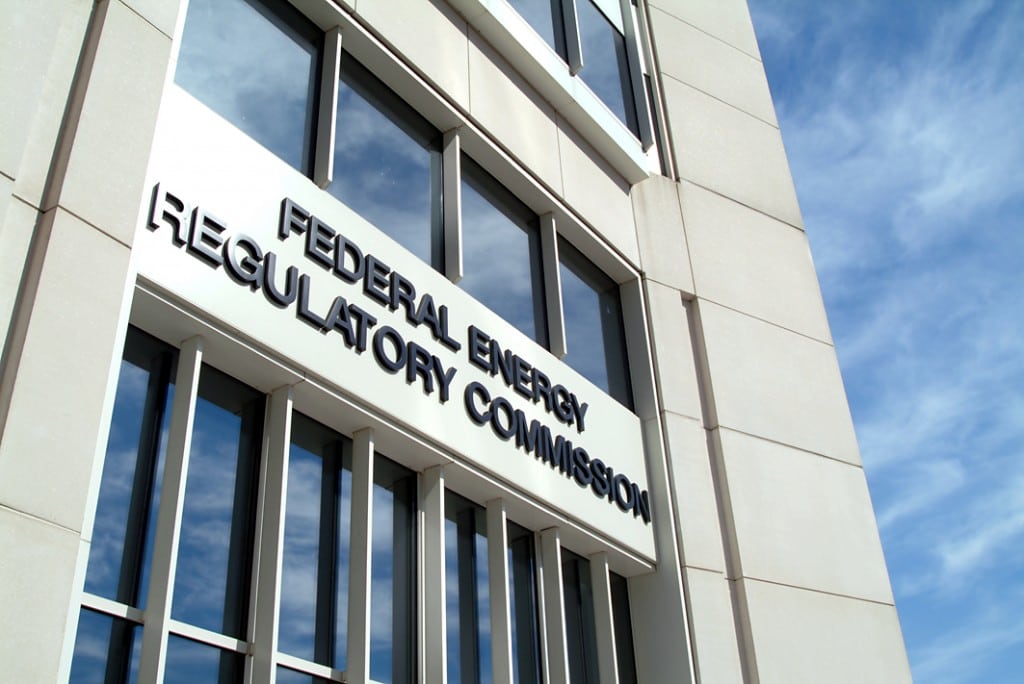
The “Power Plant Reliability Act,” H.R. 3632, is sponsored by Rep. Morgan Griffith (R-Va.). The bill, which passed 222-202, would grant the Federal Energy Regulatory Commission (FERC) new authority to require utilities to continue operating power plants if their closure would threaten reliability of the power grid.
“Nothing can be more destructive to our communities than a blackout,” said House Energy and Commerce Subcommittee on Energy Chair Bob Latta (R-Ohio). “When a state seeks to close a power plant without identifying sufficient replacement, there is little recourse for consumers.”
More Operational Orders on Tap
Tuesday’s order signed by Wright said closing the plant “could lead to the potential loss of power to homes, businesses, and facilities [in the region] critical to the national defense in the areas that may be affected by curtailments or power outages, presenting a risk to public health and safety.” The DOE, citing Federal Power Act section 202(c), already has told coal-fired plants in Michigan and Pennsylvania to remain online. Industry analysts have said at least five other coal-fired plants—all set to retire at the end of 2025—could also be ordered to remain in operation.
“The last administration’s energy subtraction policies had the United States on track to experience significantly more blackouts in the coming years—thankfully, President Trump won’t let that happen,” said Wright. “The Trump administration will continue taking action to keep America’s coal plants running so we can stop the price spikes and ensure we don’t lose critical generation sources. Americans deserve access to affordable, reliable, and secure energy to heat their homes all the time, regardless of whether the wind is blowing or the sun is shining.”
Legal challenges to the DOE’s orders already are underway in federal court, with the cases centered on Consumer Energy’s coal-fired 1,420-MW J.H. Campbell power plant in West Olive, Michigan, and Constellation Energy’s two 380-MW gas- and oil-fired units at its Eddystone power plant near Philadelphia. The suits in part charge that the DOE has not shown any evidence of energy emergencies that would impact the plant’s service territories.
The grid operators for both Michigan and Pennsylvania— the Midcontinent Independent System Operator (MISO) and the PJM Interconnection (PJM), respectively—had signed off on the closures, saying retirements of the power plants would not impact the reliability of the power supply in either region.
The Sabin Center for Climate Change Law at Columbia Law School earlier this year wrote that “Government research and independent assessments (from RMI, also known as the Rocky Mountain Institute and Energy Innovation) contradict President Trump’s findings about insufficient energy supply and grid unreliability.” The group also noted, “There are, of course, legitimate grid reliability challenges to tackle, such as those brought on by increased extreme weather events caused by climate change. But evidence suggests that current energy supply and price conditions simply do not constitute a national emergency.”
The DOE’s emergency order for Centralia noted, “The North American Electric Reliability Corporation (NERC) determined in its 2025-2026 Winter Reliability Assessment that the WECC Northwest region is at elevated risk during periods of extreme weather, such as prolonged, far-reaching cold snaps.”
90-Day Order
Wright in issuing a 90-day emergency order ordered the Centralia unit to remain running until March 16, 2026. Wright said the plant should operate under the auspices of either the Bonneville Power Administration—in its role as a balancing authority in the Pacific Northwest— or the California Independent System Operator, which is the reliability coordinator for the region.
Washington legislators passed a state law ordering the Centralia plant to retire, and Unit 1 at the site was retired by TransAlta in 2020. The state’s Clean Energy Transformation Act bans the use of coal to produce electricity starting in 2026; Washington Gov. Bob Ferguson said the order issued Tuesday would violate that law.
TransAlta’s financial filings show the IPP has sold the power produced at Centralia on a merchant basis and through long-term contracts.
Opponents of keeping U.S. coal-fired plants operating past their scheduled retirements have said the cost of continuing operations will fall on ratepayers. Consumers Energy in an October filing with the Securities and Exchange Commission wrote that the costs of complying with the order for the Campbell plant—which was scheduled to close in May—had reached $80 million through the end of September. The utility said the cost of operating the plant was being paid by ratepayers in Michigan and 10 other states.
Earthjustice and other advocacy groups have said the emergency orders amount to a “power grab” by the Trump administration. The groups have argued that forcing what they call “unreliable and uneconomic” power plants to stay online will lead to higher bills for ratepayers, and will threaten the health of those in communities served by the facilities.
Wright told TransAlta to propose tariff revisions, or seek waivers with FERC, “as needed” to pay for operations at Centralia. Wright said rate recovery is available through the federal regulation governing energy emergencies.
Officials have said that with regard to the plants in Michigan and Pennsylvania, Consumers Energy and Constellation will be paid via charges imposed by MISO and PJM on the loads on their systems. Officials said that’s because the emergency orders for the Campbell and Eddystone plants were directed to MISO and PJM, not the power plant owners. Consumers Energy in its October SEC filing said its costs to continue operating the Campbell facility totaled $164 million from May through September, but said it was able to offset a portion of those costs through $84 million of revenue it earned from selling power to the MISO system.
TransAlta earlier this month announced it had agreed to sell Puget Sound Energy electricity, capacity. and ancillary services across a 15-year period starting late in 2028, after the Centralia plant was converted to burn natural gas. TransAlta had said it expected to make a final investment decision on the project after receiving needed regulatory approvals from the Washington Utilities and Transportation Commission, which are expected in 2027.
Other coal-fired units that had been scheduled to close by year-end include:
- The 590-MW Big Cajun II Unit 3 in Louisiana (part owned by Entergy).
- The 90-MW F.B. Culley 2 in Indiana (CenterPoint Energy).
- The 772-MW R.M. Schahfer power station in Indiana (Northern Indiana Public Service Co.).
- The 335-MW Comanche 2 in Colorado (Public Service Co. of Colorado/Xcel Energy).
- The 427-MW Craig 1 in Colorado (jointly owned by PacifiCorp, Platte River Power Authority, Salt River Project, Tri-State Generation and Transmission Association, and Public Service Co. of Colorado/Xcel Energy).
Merrillville, Indiana-based Northern Indiana Public Service Co., known as NIPSCO, already has filed plans to build a 2.3-GW natural gas-fired power plant at the Schahfer site in Wheatfield. The utility, which earlier said it would build a gas-fired peaker plant at the location, has said new generation is needed to support potential load growth from data centers.
Xcel Energy in November filed a petition with the Colorado Public Utilities Commission to extend operations at its 50-year-old Comanche 2 unit in Pueblo for an additional year. The agency approved the petition earlier this month. The utility has said the generation from Unit 2 is needed because the 750-MW Unit 3 at the site—scheduled for closure in 2031—has been offline since mid-summer due to “notable damage,” and is not expected to return to service for several months.
The Craig 1 unit in northwest Colorado also is expected to continue to operate. Mark Stutz, a Tri-State spokesperson, earlier this month told POWER that the utility “expects to receive an order before the end of the year” to keep the Craig unit operational. Stutz said Tri-State is following the court cases filed around the earlier emergency orders.
—Darrell Proctor is a senior editor for POWER.