
A group developing small modular reactors (SMRs) that could be installed one mile underground said the U.S. Dept. of Energy (DOE) has approved the company’s safety design.
California-based Deep Fission on August 6 said the DOE signed off on the Nuclear Safety Design Agreement (NSDA) for its Gravity Nuclear Reactor. The group called it a major regulatory milestone that confirms Deep Fission’s reactor design warrants advancement under the DOE Reactor Pilot Program.
“This approval is a major step forward for Deep Fission,” said Liz Muller, co-founder and CEO of Deep Fission. “We believe our mile-deep design gives us the ability to move faster in the stages ahead.”
The NSDA approval establishes the safety framework that will guide the reactor’s continued development. Deep Fission will now move to the next segment of DOE authorization, which includes demonstration and eventual deployment of the underground nuclear reactor technology.
Kansas Pilot Project
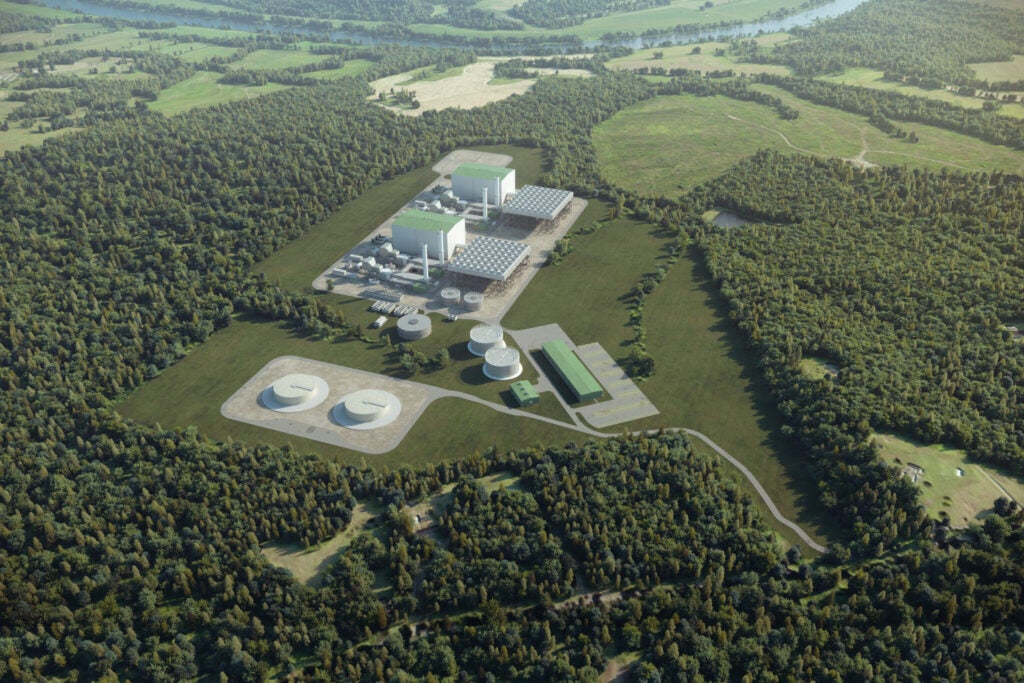
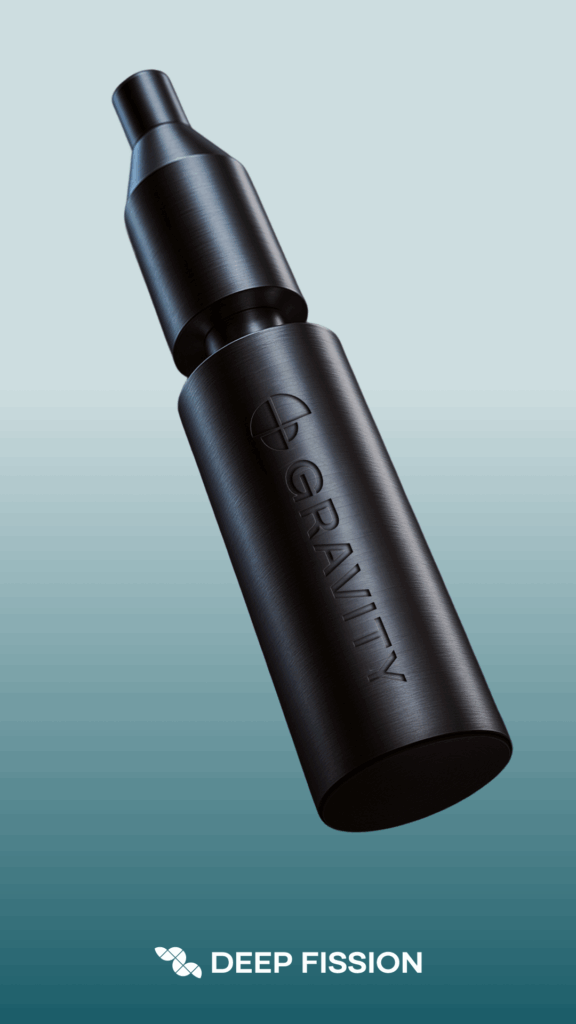
Deep Fission continues work on its commercial pilot project at the Great Plains Industrial Park in Parsons, Kansas, where it broke ground in December 2025. The company has drilled its first data acquisition well to 6,000 feet, already more than one mile underground, and recently delivered a prototype reactor canister to the site. Deep Fission is progressing with its proof-of-concept program, which includes large-diameter well drilling and installation of prototype that would precede full-scale demonstration at the site.
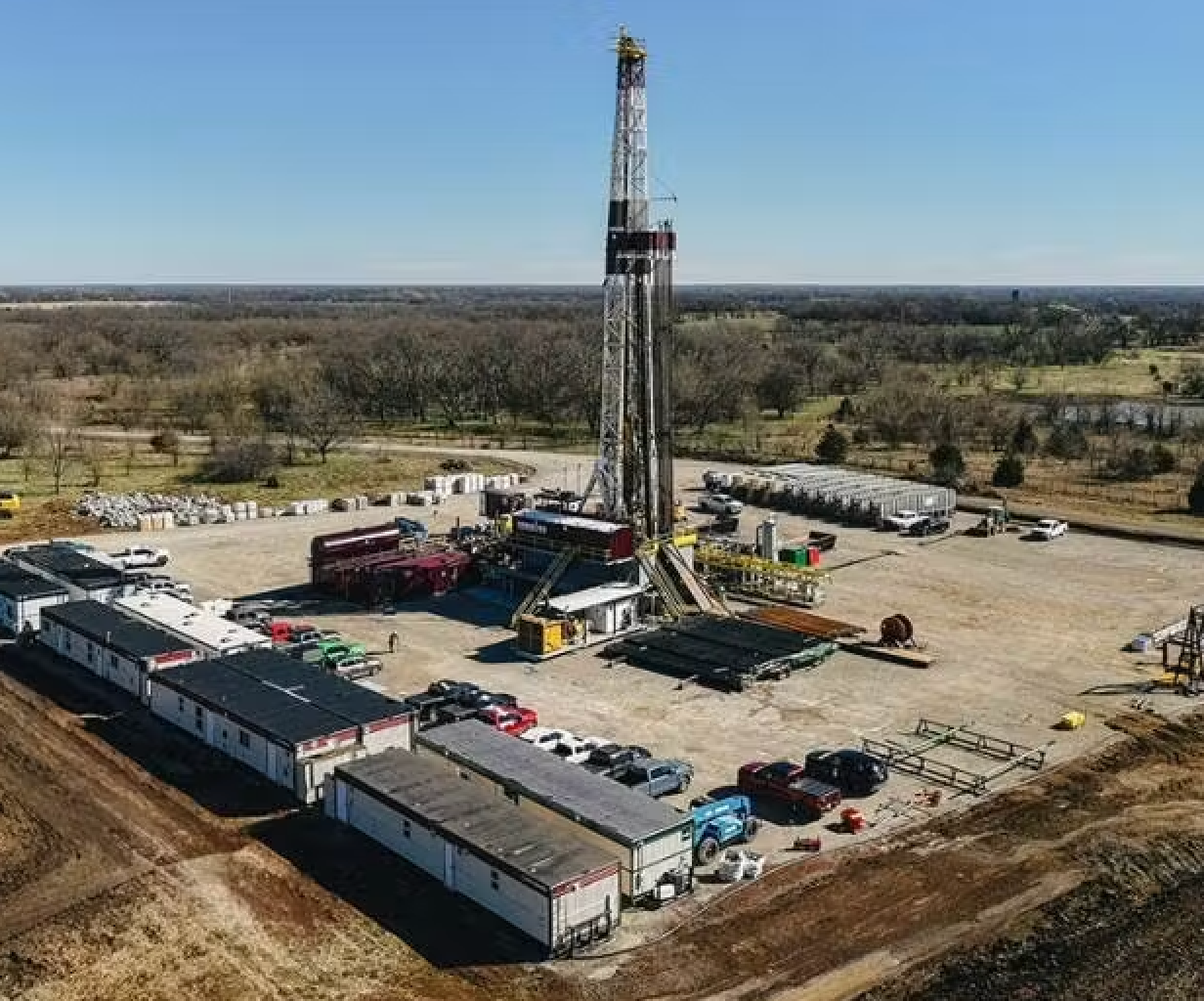
The company on Thursday said the Kansas project is not designed as a one-time criticality test. It instead said in a news release that “Consistent with the intent of Executive Order 14301 and the Reactor Pilot Program, the Company intends for its demonstration reactor to become a fully Nuclear Regulatory Commission-licensed, commercially operating unit, delivering power after initial testing and receiving DOE authorization.” The company said its current strategy supports its “commitment to building a direct, credible path from demonstration to commercial deployment.”
Deep Fission was founded in 2023 by the father-daughter team of Elizabeth (“Liz”) and Richard Muller. Liz Muller previously co-founded and served as CEO of Deep Isolation, a nuclear waste disposal company. Her father also co-founded Deep Isolation, and is a professor emeritus of physics at the University of California-Berkeley. He also has served as a national security advisor to the U.S. government.
15-MWe Generation Capacity
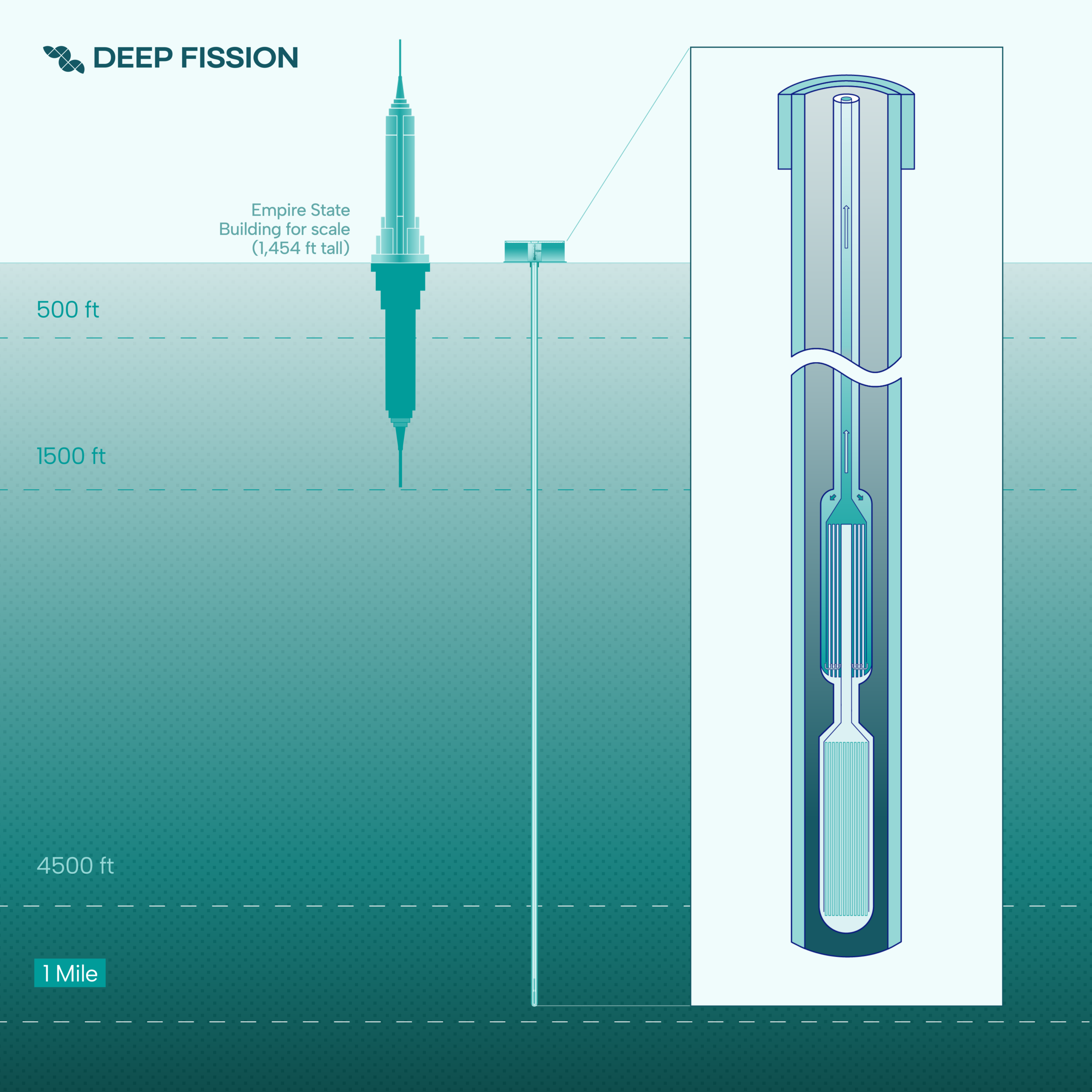
Deep Fission has said its Gravity Nuclear Reactor would be placed in boreholes at least one mile underground, and could generate 15 MWe of power. The company has said its technology is scalable, noting that “With a small footprint and dense power output, 10 reactors produce 150 MWe, while 100 reactors on one site can deliver 1.5 GWe, requiring a fraction of the land needed for traditional surface nuclear.”
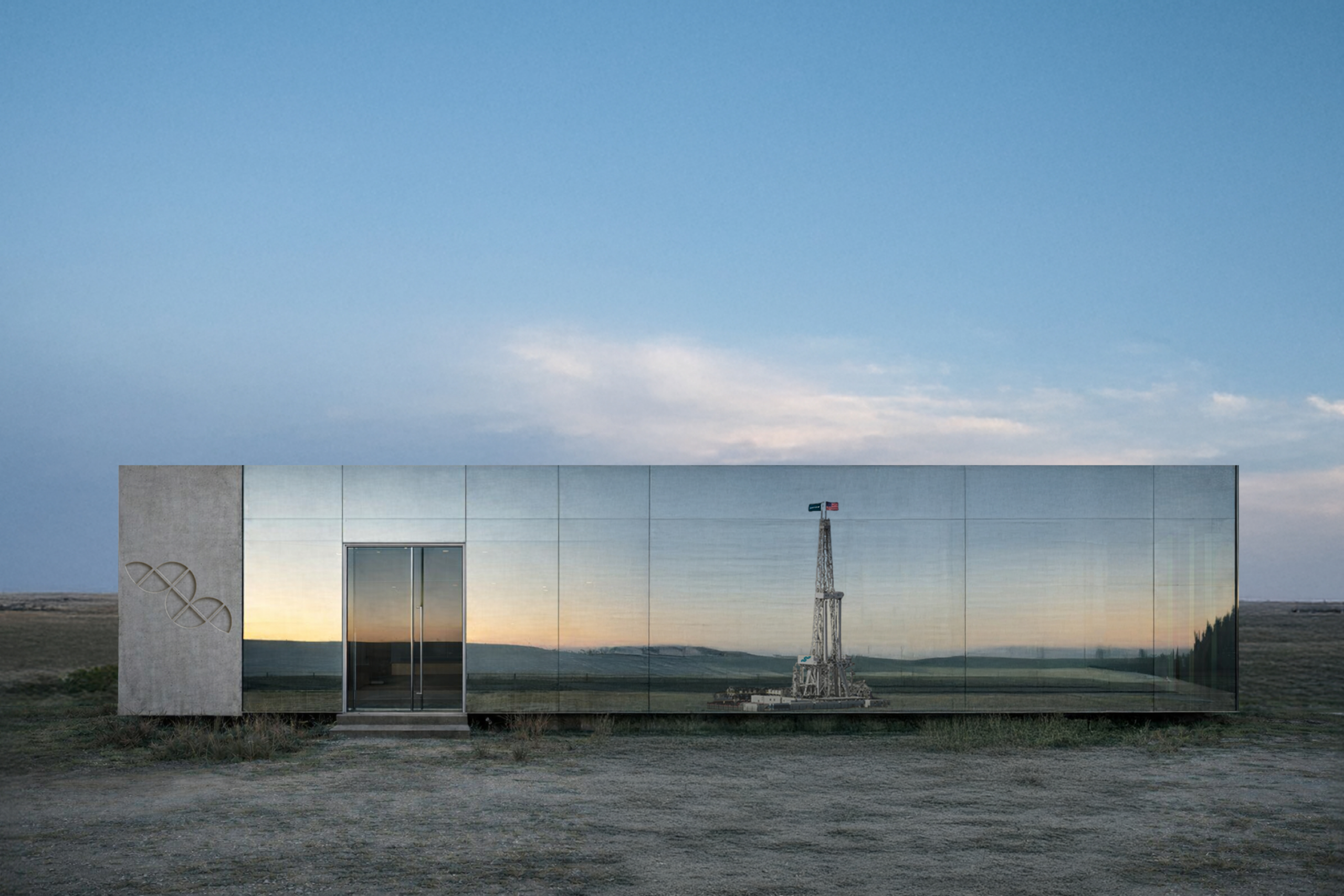
The company said it uses the traditional pressurized water reactor (PWR) design for its fuel assemblies and power control methods. It said its Gravity reactors “operate at the same ~315°C core temperature, and hydrostatic pressure from a one-mile-deep column of water provides the same 160 atm of reliable pressure, safely and naturally.
“The heat produced is transferred to a steam generator at depth to boil water. This novel deployment approach applies proven geothermal components and processes for energy transfer. Non-radioactive steam rises rapidly to the surface, where a standard steam turbine converts the energy to electricity. Cables attached to the reactor allow it to be raised to the surface, if inspection is deemed necessary.” The company said its PWR uses low-enriched uranium (LEU) fuel.
The company in October of last year said it had signed Letters of Intent (LOIs) with data centers, co-developers, industrial parks, and strategic partners totaling 12.5 GW of power generation. The LOIs outline plans to pursue commercial deployment of Deep Fission’s SMRs.
—Darrell Proctor is a senior editor for POWER.