The U.S. Department of Energy (DOE) has issued another emergency order to keep a coal-fired power plant operating, this time saying a Colorado facility must remain online at least another three months.
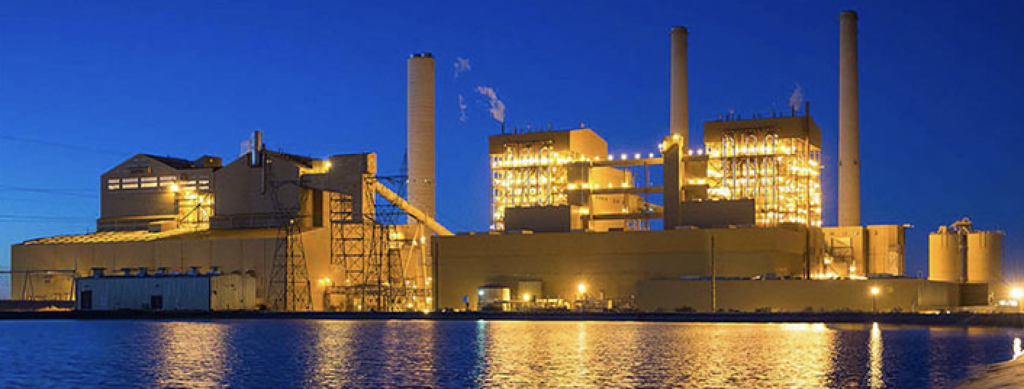
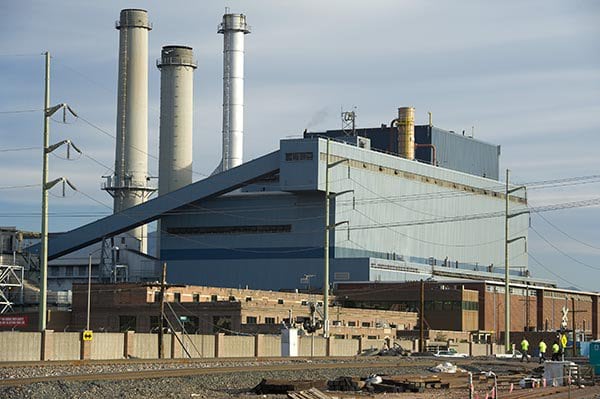
Unit 1 at the Craig Station in Moffat County, in northwest Colorado, had been slated to close December 31. The DOE issued the order late on December 30. The order issued Tuesday, which could be extended, means the 427-MW unit must continue to remain operational until March 30, 2026. The Craig plant includes two other coal-fired units, with 410 MW and 448 MW of capacity, respectively, that are scheduled for retirement in 2028.
Craig Unit 1 is the latest in a series of U.S. coal-fired power plants ordered to postpone their closure by the Trump administration, which has claimed the moves are necessary due to an energy emergency. Many energy industry analysts, along with government officials and environmental groups, have said no such emergency exists. The DOE earlier this month ordered two coal-fired power plants in Indiana to remain online, and earlier this year issued orders to postpone the retirement of coal-burning units in Michigan, Pennsylvania, and Washington state.
A state law in Colorado requires large-scale utility power providers to generate 100% of their electricity from renewable resources by 2050, which has helped shape timelines for plant retirements for the state’s electric utilities.
Unit 1 Currently in an Outage
Tri-State Generation and Transmission Association, an electric cooperative that operates the Craig plant, has for months said it expected the Trump administration to order the plant to remain online. A Tri-State spokesperson reiterated that expectation in a conversation with POWER earlier in December.
The co-op in a statement issued Wednesday said, “Since 2016, Unit 1 has been scheduled for retirement by Dec. 31, 2025, for economic reasons, and to comply with numerous state and federal requirements. This retirement decision has informed operational and maintenance decisions, and Tri-State has planned for adequate resources to maintain reliability on its system following the unit’s retirement.
“Separately, Unit 1 went into an outage on Dec. 19, 2025, due to a mechanical failure of a valve, and Tri-State and the other co-owners will need to take the necessary steps to repair the valve in a timely manner.”
Duane Highley, Tri-State CEO, in a statement said, “Tri-State has a policy of 100% compliance, and we will work with Unit 1 co-owners, and federal and state governments to determine the most cost-effective path to that end. We are continuing to review the order to determine what this means for Craig Station employees and operations, and the financial impacts. As a not-for-profit cooperative, our membership will bear the costs of compliance with this order unless we can identify a method to share costs with those in the region. There is not a clear path for doing so, but we will continue to evaluate our options.”
The co-op in its statement also wrote: “As a result of the order, retaining Unit 1 will likely require additional investments in operations, repairs, maintenance and, potentially, fuel supply, all factors increasing costs. Tri-State is continuing to review the order to determine how best to comply while limiting the costs to its members, and the impacts to its employees and operations.”
Colorado Governor Criticizes Order
Colorado Gov. Jared Polis (D) in a statement criticized the order, saying, “This order will pass tens of millions in costs to Colorado ratepayers, in order to keep a coal plant open that is broken and not needed. Ludicrously, the coal plant isn’t even operational right now, meaning repairs—to the tune of millions of dollars—just to get it running, all on the backs of rural Colorado ratepayers!”
DOE Energy Secretary Chris Wright, himself a Coloradan, invoked Section 202(c) of the Federal Power Act to keep the plant open. The law allows the federal government to order power plants to stay open during emergencies, such as during times of war, in the aftermath of disasters, or when there’s a shortage of electricity. The Trump administration since January has said it intends to order retiring power plants, mostly coal-fired facilities, to remain operational.
“On Day One, President Trump declared an energy emergency and directed the government to reverse the dangerous energy subtraction policies of the previous administration,” Wright said in a statement. “Keeping this coal plant online will ensure Americans maintain an affordable, reliable, and secure supply of electricity.”
The DOE in its order regarding the Craig plant said Colorado is on the verge of a dire energy emergency, citing the retirement of power plants and increased demand for electricity. The order in part said that the closure of Unit 1 at Craig could lead to a “loss of power to homes, and businesses in the areas that may be affected by curtailments or power outages, presenting a risk to public health and safety.”
U.S. Rep. Jeff Hurd, a Republican who represents the district that includes Moffat County, in a statement on Wednesday praised the emergency order. Hurd said Colorado’s energy policy “has been driven by ideology instead of reality,” saying that “plants were scheduled to close to satisfy political timelines, even though the power was still needed and local economies would feel the loss.”
Hurd also has asked the Trump administration to keep the Comanche coal-fired power plant in Pueblo (also in Hurd’s district) in operation. Comanche, operated by Xcel Energy, retired its first unit in 2022. A second unit at Comanche was set to close by year-end, but operations have been extended because a third unit at the site has been out of service for months due to equipment issues. Unit 3, which is scheduled for retirement in 2031, is expected to remain offline at least into the summer of 2026.
Hurd said keeping Unit 1 at Craig online “keeps reliable, dispatchable power available when the grid needs it, protects good-paying jobs, and strengthens Colorado’s energy infrastructure at a time when demand is rising and the grid is under strain.”
Environmental Group Calls Order ‘Illegal’
Earthjustice, an environmental group, in a statement said the order is illegal. The group also said the DOE’s claims of an energy emergency are unsupported. Earthjustice has already sued the Trump administration over other emergency orders calling for coal-fired power plants to remain online.
Perry Wheeler of Earthjustice in an email to POWER wrote, “The illegal emergency order, issued under the Federal Power Act, will force the coal plant to remain available for 90 days, but may be renewed. The order threatens to raise ratepayers’ utility bills and worsen air quality for surrounding communities. Under the order, the plant should operate only as a last resort in an actual emergency (and the Department of Energy presents no evidence of any actual emergency). According to a new analysis by Grid Strategies, if the plant is dispatched at its average output over the last few years, costs could rise to $20 million over 90 days, equating to approximately $85 million per year, or even upwards of $150 million per year if the plant is required to operate in must-run fashion. Those needless costs are likely to be borne by electricity customers in Colorado and nearby states.”
Michael Hiatt, deputy managing attorney with Earthjustice’s Rocky Mountain Office, in a statement said: “Keeping this dirty and outdated coal plant online will harm the health of surrounding communities and hurt all of our pocketbooks. This unlawful order will benefit no one but the struggling coal industry. We are prepared to take action to defend Colorado communities and ensure a just transition.”
Tri-State in its statement on Wednesday noted that the retirement of Craig Unit 1 “was specified in Colorado Air Quality Control Commission Regulation No. 23 on Regional Haze Limits, and the Regional Haze State Implementation Plan put in place in 2016. Tri-State’s 2020 and 2023 Electric Resource Plan (ERP) modeling reflected the previously announced retirement date for Unit 1. The model results of the 2023 ERP showed adequate resources to maintain reliability on Tri-State’s system following the retirement of Craig Station.”
Units 1 and 2 at Craig are part of the Yampa Project, jointly owned by Tri-State with Platte River Power Authority, PacifiCorp, Xcel Energy, and Salt River Project, with Tri-State as the operating entity. Tri-State owns 100% of Unit 3.
—Darrell Proctor is a senior editor for POWER.