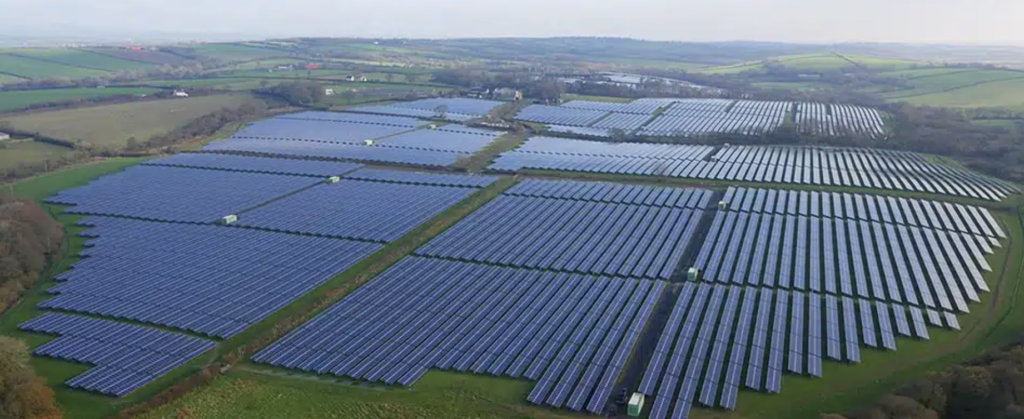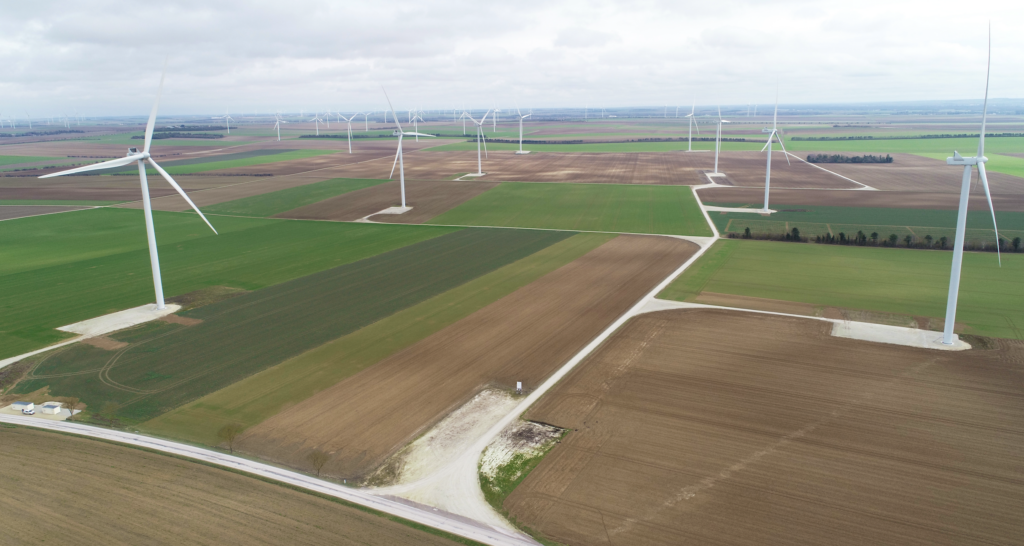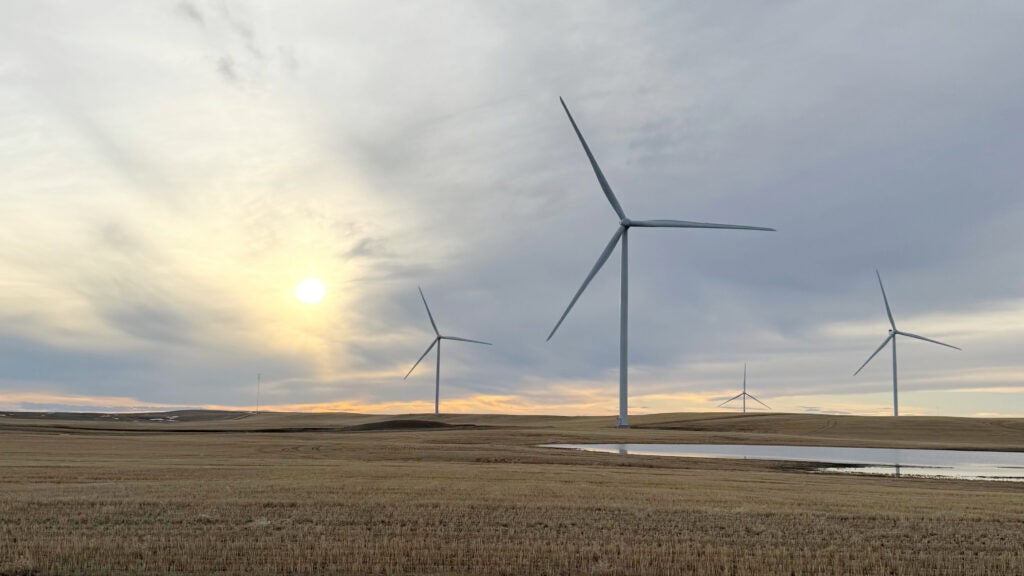
For most of the last century, electricity and heat have been planned and regulated as two separate systems, a design choice that made sense when both were produced by burning fuel on demand. However, that design is a poor match for how the grid actually runs today. Generation, transmission constraints, and price all shift by the hour, while a building’s need for heating, cooling, or hot water follows its own separate schedule. Sector coupling closes that gap by giving grid operators a way to turn surplus electricity into stored heat instead of losing it.
That mismatch already shows up as wasted capacity. The California Independent System Operator (CAISO) curtailed a record 1.46 TWh of power in April 2026, 18% of everything the state’s grid-scale wind and solar produced that month, according to CAISO data tracked by the University of California, Berkeley’s Energy Institute. The Electric Reliability Council of Texas (ERCOT) curtailed 8,422 MW the same hour it set a renewable output record in June 2025. In both cases, the excess grid-generated power had nowhere to go.
Where District Energy Fits
Sector coupling, linking the electric grid to the heating and cooling systems in buildings, is the industry’s answer, and district energy is the most proven way to make it real. A district energy system delivers heating and cooling to multiple buildings, a hospital, a university, a downtown core, from a central plant through underground pipes. A large-scale heat pump or electric boiler added to that plant converts surplus electricity into heat on demand and insulated thermal storage banks that heat when power is cheap and releases it hours or days later.
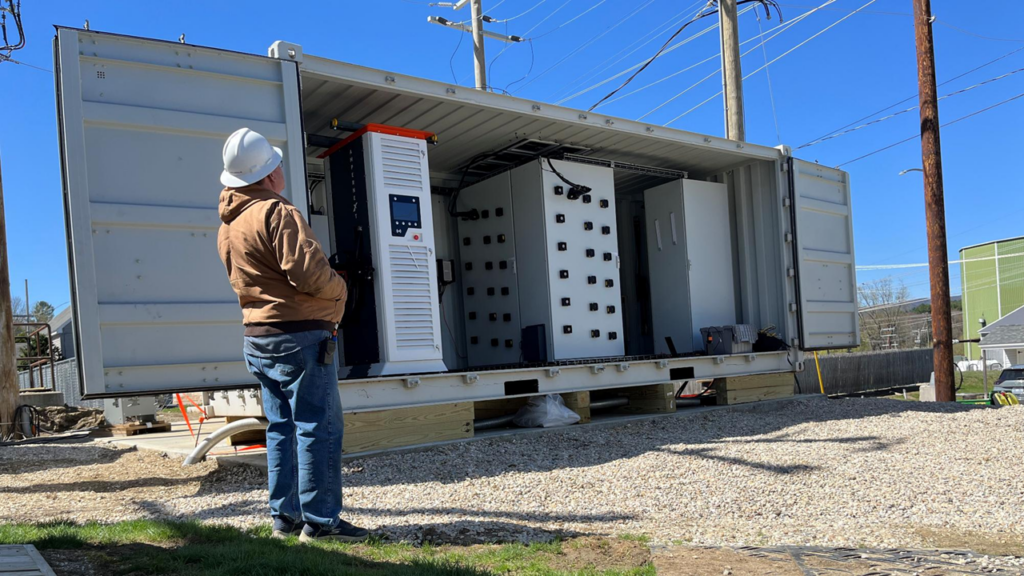
Vicinity Energy’s Kendall Station in Cambridge, Massachusetts, is a working example of what that equipment looks like at scale. The plant historically ran as a combined heat and power facility, generating electricity for the grid and steam for buildings across Cambridge and Boston. In November 2024, Vicinity brought a 42-MW electric boiler online there, connected to the regional grid at the wholesale transmission level and built from concept to commissioning in 24 months. That single unit can serve nearly 30 million square feet of connected building space, displacing a portion of the plant’s natural gas combustion with electricity drawn from ISO New England’s mix of nuclear, wind, hydro, and solar resources. Vicinity is bringing a smaller, 9-MW electric boiler online this year at its system in Grand Rapids, Michigan, the same basic equipment sized for a smaller network, evidence this isn’t a one-off retrofit at a single flagship plant but a piece of equipment utilities are installing at more than one scale.
This only works where a network already exists, and adding that capacity is a real, long-lived capital outlay. European operators have learned to make that cost pay for itself. In Denmark, some district heating companies produce half their heat from electric boilers on cheap power, earning more from grid-balancing services sold back to the power system than from the heat itself, without subsidy. That’s a revenue model U.S. utilities should study rather than reinvent.
The Regulatory Fix
While the technology to build sector coupling exists, the regulatory model to pay for more of it does not. Utilities earn their return on capital spent on substations and transmission. A utility that adds an electric boiler to an existing steam loop spends less capital than building new wires, and under most state rate structures that gives it no reason to do so.
Ontario offers a workable template to build from. Utilities there must evaluate a lower-cost alternative before making any distribution investment above roughly $2 million, and a mechanism called margin on payment lets a utility earn a return on a non-wires investment even inside someone else’s thermal system. That gives utilities a financial reason to add flexible thermal load instead of building around it, especially in dense cores, where new substations have nowhere to go and old steam and hot water pipes already sit underground, waiting to become a grid asset.
Doing that requires treating electricity, gas, and heat as one system, and bringing thermal networks into resource planning before a capital plan is finalized.
A U.S. Pilot in the Works
Through its Utility Thermal Energy Network and Jobs Act, New York state is already building sector coupling into law by allowing utilities to rate-base neighborhood-scale thermal networks exactly the way they’d rate-base a substation. Twelve pilot projects are now moving through engineering statewide, drawing heat from sources as different as wastewater and geothermal wells.
Any time the grid produces more power than the wires can carry, or the price drops low enough to reward flexible load, sector coupling gives operators somewhere useful to put it. New York already has a template running, Ontario already pays utilities to build the equipment, and power-to-heat capacity is available now, half-built and sitting underground in cities that already run steam or hot water loops. The hardware exists—we’re just missing a rate structure that lets utilities earn a return on using it.
—Rob Thornton is president and CEO of the International District Energy Association (IDEA), a global nonprofit founded in 1909 that advances efficient, resilient, and sustainable district energy systems. Learn more at districtenergy.org.