Brazil’s power industry has long been dominated by its vast hydro resources, which historically have accounted for over 80% of the country’s generation capacity. With engineering marvels like the massive Itaipú dam and the proposed Belo Monte project, the country is a leader in the development and use of hydroelectricity on a grand scale. But as the 2001 energy crisis proved, dependence on a single source leaves the country vulnerable to severe shortages. Thanks to government programs designed to take advantage of the country’s favorable climate, Brazil is committed to diversifying its energy mix while continuing to maintain a renewable energy focus.
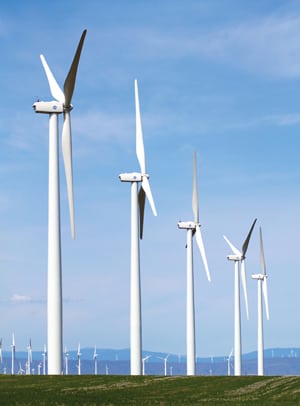 |
| Energy demand in Brazil, the fifth-largest country by area, is expected to grow nearly 4% per year. Developers see opportunities for growth in wind and solar as well as the country’s traditional hydro resources. Courtesy: GE |
From an investment perspective, Brazil is an enticing market. The country, with a population of close to 200 million people, is experiencing rapid growth. As the decade unfolds, Brazil will be the focus of the world’s attention during the 2014 World Cup and the 2016 Olympic Games in Rio de Janeiro. Thanks to the dynamic economy and a growing middle class, energy demand is set to grow by nearly 4% per year.
“Brazil is a fast-growing market; the quality of life has to grow, and therefore power generation will be a very important business over the next 20 years,” said José Antunes Sobrinho, president and CEO of Desenvix, a renewables-focused project developer. “What happens if you cannot build large-scale hydro projects on the Amazon River, or if you have trouble with the environment? You must shift to renewables.”
Brazil’s energy portfolio is dominated by hydropower, with natural gas a distant second, accounting for less than 10%, despite the country’s large gas reserves. The strongest growth is expected to come from wind projects, which in 2011 received a record amount of funding from the Brazilian national development bank, BNDES.
Mauricio Tolmasquim is president of Empresa de Pesquisa Energética (EPE), Brazil’s energy research company—an entity under the Ministry of Mines and Energy that aims to provide studies and research to support energy sector planning. According to Tolmasquim, a noted figure in the energy community, Brazil’s generation portfolio will consist of 90% renewable sources in the future, compared with 18% globally. “In 2020 hydroelectric capacity will be at 67%, and alternative sources of energy will increase to 16%, which is nearly double today’s figure,” he explained. “We will see a reduction in hydro and an increase in renewables, with the remainder comprised of thermal power plants.”
The massive 14-GW Itaipú dam is second only to China’s Three Gorges in installed capacity and supplies nearly 20% of the country’s electricity. Three new dams are scheduled to come on stream over the next five years: Santo Antonio, with 3,150 MW; Jirau, with 3,300 MW; and Belo Monte, which is slated to begin construction in early 2012 if environmental conditions are met (Figure 1).
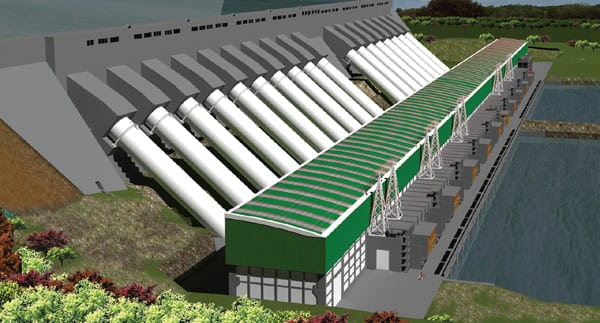 |
| 1. Awaiting final approval. Belo Monte powerhouse overview, as designed by Engevix, a Brazilian company that is responsible for “basic and executive design” of the project. Courtesy: Engevix |
However, this dependence on hydropower leaves the country increasingly reliant on a potentially volatile resource. In 2001, a few years of low rainfall left reservoirs with only enough capacity to supply power for a few months, and with limited thermal generation capabilities, the country faced power supply shortages. The government quickly formed a committee of ministers and industry experts who were tasked to develop immediate solutions to the growing challenge.
“The committee decided that each household would have to reduce consumption by 20%, based on the levels of usage from previous years,” said Mario Veiga Pereira, CEO of consultancy company PSR and himself a member of the committee. “This applied to people across the board, from government downwards; we took care not to show favoritism.”
The system of quotas also allowed bonuses for consumption well below average levels and helped the government to avoid rolling blackouts. It also provided the opportunity for large consumers to trade their credits on a secondary market.
“Interestingly, after the rationing, loads never returned to pre-crisis levels; people learned the delights of having an energy efficient system,” continued PSR’s Pereira. “Overnight, we went from having a shortage to having excess capacity. The population realized that they were wasting a lot of energy.”
As a result, within Brazil’s power industry, there is a growing push both from the public and private sector to diversify the country’s energy sources. Blessed with good winds and an abundance of sunlight, conditions are ripe for wind, biomass, and solar projects.
“The renewable potential in Brazil is very high, not only for wind but also for other sources,” said João Carlos de Oliveira Mello, CEO of Andrade & Canellas, a leading Brazilian energy consultancy. “If those nonconventional sources have not been more developed, it is because in Brazil we have an immense capacity of hydro generation.”
The country also has largely untouched gas reserves that, once developed, could ensure a reliable supply. “The production of gas in Brazil in the next 10 years will increase exponentially, and prices should come down as supply becomes higher than demand,” de Oliveira Mello explained. “We expect gas-fired generation to gradually become more and more competitive and progressively develop within the next decade.”
Meeting the energy needs of a booming population and robust economy will be a key challenge for Brazil’s power sector, from generation and transmission and distribution companies to the engineering and contract players in the market.
“Brazil needs nearly 5,000 extra megawatts per year to support our GDP growth over the coming years, so it is a good country to be working in at the moment,” said Eduardo Karrer, CEO of MPX, an integrated resources company that, in addition to developing the country’s first solar plant, operates a number of thermal plants.
“Brazil is a country of renewables,” said Desenvix’s Antunes. “As more people move into the middle class, the power market is a motor behind everything in society.”
Regulatory Framework and Challenges at a Glance
The Brazilian energy sector is organized around five main institutions: the Ministry of Mines and Energy (MME); the Conselho Nacional de Politica Energética (CNPE); the regulatory agency Agência Nacional de Energia Elétrica (ANEEL); the national transmission grid operator Operador Nacional do Sistema Elétrico (ONS); and the Câmara de Comercialização da Energia Elétrica (CCEE), which manages the wholesale power market. Alongside those federal institutions are many bodies charged with management and regulation at a state level.
The MME has responsibility for policy setting in the energy sector, receiving consistent support and expertise from the CNPE. ANEEL, created in 1996 by Law 9427 and linked to the MME, although mainly independent from it, regulates and controls the generation, transmission, and distribution of power in compliance with existing legislation and directives and policies dictated by the central government. ONS is a private entity created in 1998 and monitored by ANEEL that is responsible for the control and coordination of transmission and generation facilities linked to the National Interconnected System (SIN).
In addition, there is a dense network of associations representing different players in the Brazilian energy sector: Associação Brasileira de Geração de Energia Limpa (ABRAGEL), Associação Brasileira das Grandes Empresas de Transmissão de Energia Elétrica (ABRATE), and Associação Brasileira de Distribuidores de Energia Elétrica (ABRADEE) gathering respectively generators, transmitters, and distributors, as well as Associação Brasileira de Concessionárias de Energia Elétrica (ABCE) for concessionaires and the Association of Independent Electrical Energy Producers (APINE) for independent power producers.
These associations play a crucial role as active interlocutors between energy companies and the authorities. Nelson Fonseca Leite, president of ABRADEE, explained the kind of support associations provide: “ABRADEE helps its members to understand the regulatory environment in Brazil, as the distribution sector is highly regulated, so we must interact all the time with regulators to discuss regulation modifications in order for our members to be updated.”
An intricate question within the Brazilian energy market is the fixing of energy prices. The regulated energy tariff is determined every five years in each concession area by ANEEL and is revised annually on the basis of a computational model. Energy tariffs are thus geographically differentiated, taking into account the specific generation, transmission, and market attributes of each concession area. Moreover, in accordance with Law 8.987/1995 approved in 1995, the energy tariff established by ANEEL has to guarantee the economic and financial balance in each concession area. With the approval of Law 10.848/2004, the cost of energy bought by distribution companies from generators is determined through public auctions, thus providing increased transparency as well as improved competition.
Charles Lenzi, president of ABRAGEL, the Brazilian association for small hydro (which recently changed its name to Association for Green Energy Generators to comprise other types of renewable projects), pointed out another variable affecting energy prices: “In Brazil, tax burdens on the electric sector are high; Brazil has some the lowest electrical production costs in the world but some of the highest tariffs on consumers.”
On this matter, José Simões Neto, president of ABCE, added: “Brazil has a long road ahead in order to have a better-resolved tax relation. We have much inefficiency in our tax structure, and this is penalizing the electric power industry.”
One of the main specificities of the Brazilian power sector is that energy auctions are how distribution companies acquire energy to serve their captive consumers. The current auction’s model has been effective since 2004, when Law 10.848/2004 and Decree 5.081/2004 were enacted. The auction’s scheme aims to secure the constant and centrally organized expansion of power facilities while ensuring a fair balance between universal service access and return on investment together with the provision of progressive tariff adjustments. One of the most notorious effects of this particular model is increased competition within the Brazilian power sector, which introduces downward pressure on energy prices, which benefits end users.
Renewal of the Concessions. Today one of the concerns in the Brazilian energy sector is the controversy over the renewal of concessions in 2015. An impressive number of concession contracts were extended for a 20-year period in 1995 and are thus set to expire in 2015. This includes 112 generation units representing 28% of total generation capacity; 37 distribution contracts corresponding to 40% of the regulated market; and nine transmission contracts amounting for 73,000 kilometers (km) of transmission lines, equivalent to 82% of the total grid. According to Law 10.848/2004 for generation concessions and Law 9.074 for distribution and transmission, legislation currently in force does not provide for a second renewal of the concessions; on the contrary, it envisages a return of the concessions to the federal state for a prospective reattribution.
If the actual legislation remains untouched, the government will have to transfer the expiring concessions to other players or implement a bidding process in which companies will compete for new contracts. This possibility is supported by consumers and industrial associations, which forecast that the convocation of new auctions will considerably reduce energy tariffs. Many private investors also back this possibility, as they expect it will bring new investment opportunities.
The alternative would be modifying the legislation in order to let current contract holders extend their contracts for a third concession term. This option is backed by those companies concerned by the renewal, among them, the Brazilian energy giant Eletrobras as well as other relevant players including Companhia Energética de São Paulo (CESP); Companhia Energética de Minas Gerais (CEMIG), the energy company of the State of Minas Gerais; Companhia Paranaense de Energia (COPEL), the energy company of the State of Paraná; and the privately owned transmission company ISA-CTEEP.
De Oliveira Mello of Andrade & Canellas justified support for a renewal of concessions this way: “Today the Brazilian energy sector is in the middle of a large expansion stage, and without the assets from the old concessions, companies won’t be able to support their development plans.”
Between these contending positions is a middle option that would involve renovating the concession’s contracts and lowering energy tariffs in a way that would take into account the individual features of each conceded facility. This would satisfy consumers’ demands without jeopardizing the position of current concession operators.
The debate is as intense as the interests at stake, but there is a point on which every party agrees: Whichever solution is preferred, federal authorities have to make public their final decision as soon as possible if they want to reduce the harmful effects derived from uncertainty.
Luiz Fernando Vianna, president of APINE, illustrated the damaging effects resulting from such uncertainty: “A few years ago, when the government of São Paulo decided to sell CESP, most of CESP’s concessions were close to an end; this discouraged potential buyers, and the government of São Paulo decided not to sell. Now, the state’s government has to wait for the final decision on the concessions before being able to decide on the future of the company. These uncertainties are making the market increasingly nervous. Last year was an election year, and the government did not want to deal with the issue, but this year a decision must come.”
Environmental Licenses. Another hot subject concerns the delivery of environmental licenses. This does not constitute an insubstantial issue in a country known for, and proud of, its biodiversity and its opulence in natural resources. However, in a country that must increase its generation capacity by an average of 5 GW to 6 GW per year, impediments imposed by the granting of environmental licenses are often seen as a threat to the energy industry.
Environmental licenses are delivered by state agencies, if the project is geographically limited to a single state, or by IBAMA (the Brazilian Institute of Environment and Renewable Natural Resources), the federal institution, when it is an interstate venture. PSR’s Veiga explained that his company offers services that help investors with environmental regulations: “PSR is also working on the design of hydro plants, and doing more work in environmental consulting. We have done three river basin assessments in Brazil to determine which are the best combinations of hydro plants. PSR is also involved in environmental auditing; when a transmission line is constructed, we are hired by the investors to ensure that they meet the environmental requirements. We are working on the economical-environmental plan for the state of Bahia, and have helped to plan the water supply for São Paulo State. As the engineering arm of PSR keeps growing, we are contemplating the possibility of creating a spin-off to focus exclusively on environmental engineering.”
The question of environmental licenses especially affects the development of new transmission lines and hydroelectric projects. ABRAGEL’s Lenzi pointed out a paradox in the constraints posed by the delivery of environmental licenses: “It is not always understood that hydro is generally a clean source, and it is today easier to get approval for a thermal power plant than for a hydroelectric facility.”
Indeed, belated issuance of environmental licenses or negative answers often imply turf wars pitting IBAMA and the Ministerio Publico against those bodies working for the development of the Brazilian energy infrastructure: the MME, ANEEL, and EPE.
Many industry players see a need to clarify the prerequisites for acquiring environmental licenses and to simplify and hasten procedures associated with their delivery. Many energy associations, like ABCE, are working with the authorities to make the licensing process more predictable. “We are aiming to end the uncertainty generated by the opaqueness of environmental licenses’ delivery procedures,” ABCE’s Neto said.
Overall, despite some complexities related to the setting of energy tariffs, the delivery of environmental licenses, and the concessions’ renewal, the Brazilian energy regulatory framework has improved significantly, especially with the reforms accomplished after the energy crisis and approval of the new regulatory framework for the electric market in 2004. Today, Brazil is a secure haven for investment, as contracts are respected and regulatory risks are reduced.
Brazil’s Generation Mix: Renewables Rule
The increasing demand for energy in Brazil offers opportunity for power generators to expand their capacity. Coupled with the country’s gross domestic product (GDP) growth, this reduces many of the risks found in the power markets of other emerging economies.
“There are two key issues in Brazil’s generation sector,” explained Antunes Sobrinho, CEO of Desenvix, a power generation company that, in addition to operating large hydro plants like the 74-MW UHE Monjolinho, also has a variety of small hydro and wind projects in its portfolio. “First, the risk of deficit is very low. There are not many other countries in the world that keep the risk of not supplying power at 5% or less. Second, distribution companies must keep supplying power, so it is a business that will experience continuous growth. If you consider Brazil’s GDP growth, the elasticity of power over the GDP is 1%, which means that it is a continuous market that will grow by 6,000 MW per year, keeping the risk level very low.”
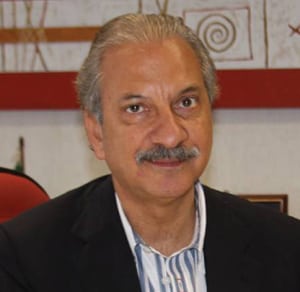 |
| Jose Antunes Sobrinho, President and CEO, Desenvix |
These factors have helped build a market of impressive diversity, which is essential for a growing economy such as Brazil’s. Although hydroelectricity remains the dominant generation option, Brazil has many sources of energy: natural gas, wind, small hydro, solar, biomass, and nuclear power. Eletrobras alone, the federally owned energy generator and biggest electric utility company in Latin America, has 36 hydroelectric plants, 126 thermoelectric plants, and two nuclear plants.
Eletrobras accounts for 37% of Brazil’s generation capacity, although other state players have been able to make their mark. Much of the country’s capacity is in the hands of state-owned companies such as COPEL in Parana, CEMIG in Minas Gerais, and CESP in São Paulo. The primary objective of these companies is to guarantee the energy necessary for the economic growth of the states they serve. According to Lindolfo Zimmer, president of COPEL, “COPEL is thoroughly planning the development of new projects based not only on hydroelectric and thermal generation but also on the development of nonconventional renewable sources like wind energy. COPEL cannot miss the opportunity to develop the potential of the wind industry, and we are strongly investing in the development of new wind parks in Brazil.”
Private companies, the largest being Tractebel Enegia and AES Corp., account for nearly 30% of generation assets. According to the World Bank, this number is set to increase to nearly 45% in the near term.
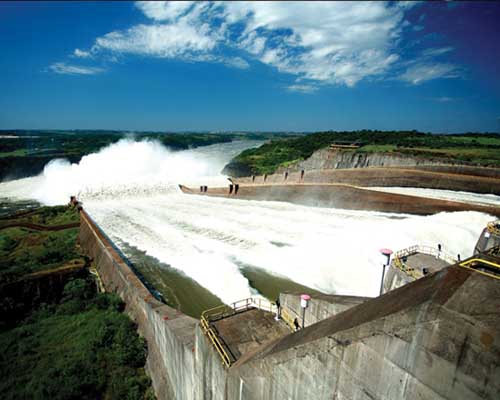
Hydro. Brazil is at the forefront of hydroelectricity generation. The single largest supplier of electricity in the country is the Itaipú dam (Figure 2), which sits on the border between Brazil and Paraguay in the city of Foz de Iguazu. Other mega-projects are in the works: Construction has begun on the Madeira River hydroelectric complex, which will consist of the 3,300-MW Jirau and 3,150-MW Santo Antonio dams, as well as two smaller projects in the planning phase.
 |
| 2. Massive powerhouse. Eletrobras’s Itaipú Hydroelectric Power Plant is one of the largest in the world. Courtesy: Caio Coronel, Itaipú |
Despite the integral role of these mega-projects, much of the potential for future hydro development lies in smaller dams. “It is very difficult to build big hydro plants now,” said ABRAGEL’s Lenzi. “[Small hydro dams] are more decentralized and easier to control, and it is much easier on the electrical grid to distribute the sources of generation than having one big plant in one region.”
One of the main benefits of small hydro is minimal environmental impact compared with larger dams. “Any energy project will have some impact, but the idea of small hydro is to minimize it,” said Lenzi. “Furthermore, local communities can participate in small hydro projects because they are built close to them.”
For many companies, the emphasis on small hydro has led to a shift in focus. “In Desenvix’s portfolio, the majority of projects are small hydro,” said Antunes Sobrinho. “We have medium-sized hydro, sugarcane bagasse, and wind projects as well. We want to expand our portfolio from 400 MW to 1,000 MW within the next five years, but we do not want to damage the internal rate of return in our projects, and [power purchase agreements, PPAs] are going down in auctions.”
However, high tariffs remain a significant challenge to the development of further small hydro potential. At the moment, the price per megawatt-hour (MWh) makes these projects much less competitive than other sources such as wind.
EPE, the Brazilian government’s energy research company, which is responsible for the long-term strategic planning of Brazil’s electricity sector, remains optimistic about the future of smaller hydro plants, according to its president, Tolmasquim. “When you build a hydropower plant without [a] reservoir, you lose economically and in terms of energy, but you win in reduction of load going back into the biodiversity and local population,” he said. “The trend is to continue to build plants that fulfill these conditions.”
Natural Gas. Currently, gas-fired thermal plants account for nearly 8.6% of Brazil’s energy supply. With new reserves identified that will decrease the country’s reliance on Bolivian imports, that number is forecast to increase. In a move designed to lower energy costs, Brazil’s biggest gas provider, Petrobras, recently reduced natural gas prices in order to curb worries about inflation.
The biggest advantage of natural gas for Brazil’s electricity supply is its reliability, especially when compared with more potentially volatile renewable sources. “Brazil will need many thermal power plants to face the reduction created by the hydroelectric generation,” said Carlos de Carvalho Afonso, chief financial officer at UTE Norte Fluminense, a special purpose company controlled by France’s EDF with the goal of supplying power to the state of Rio de Janeiro. “In the future, we will need thermals to support the wind plants when we run out of wind.”
Natural gas’s reliability is important for a country like Brazil, which learned significant lessons from the 2001 energy crisis, which resulted from a lack of energy diversity. “The only way we can keep the system safe, especially with different seasons, is with more oil and natural gas,” said Robson Campos, managing director of Wärtsilä Brasil. “We must avoid a repeat of the problems of 2001 when the economy suffered in the dry season from no back-up energy sources.”
Many companies are optimistic about the growth of gas in the near term. Those willing to take calculated risks will have good growth over the next 10 years, according to Jorge Alcaide, regional director for power plants for Wärtsilä Brasil. “For power plants we provide everything, which no competitor has done or is willing to do,” he said. “The second fastest growth behind the wind sector is going to be for thermal, especially gas. The volume of gas that will be available soon is huge, and its best use is in power plants.”
“Gas may not be renewable, but it is the cleanest fuel for thermal generation,” said Eduardo Prado, CEO of Diferencial Energia, a Brazilian company headquartered in Rio de Janeiro that began as an energy trading firm but recently shifted focus to project development, including a 200-MW thermal plant. “Brazil will continue to develop as much hydro as possible but will need different sources of energy to complement the system. Since there will not be sufficient reservoir capacity, we will need reliable generation.”
EPE’s president Tolmasquim emphasized the growing importance of gas for Brazil’s future. And even Wärtsilä’s Campos concluded: “We have no doubt that there will be a growth in gas for December’s auctions. The limitations posed by EPE of dispatch and labor cost make our products much more competitive.”
Finnish corporation Wärtsilä brings new technologies to the market: “We have the biggest gas engine on the market, at 18.7 megawatts, for which we have a flat cycle solution. It is a really interesting and efficient technology, specifically for stand-by power plants used for only three months per year in the Brazilian dry season. We have to demystify gas engines in combined cycles and prove that they are the best solution for the Brazilian market. It is not easy to demonstrate this to customers without subjecting the raw figures to feasibility analysis,” explained Alcaide.
Nuclear. Nuclear energy accounts for nearly 4% of Brazil’s generation and is the sole responsibility of Eletronuclear, a subsidiary of federally owned Eletrobras.
“In a country that mostly uses unpredictable hydropower, nuclear power provides reliability,” said Paulo da Costa Carneiro, advisor of Eletronuclear. “We can operate at 80% or above, and our production increases when thermal production has to go up because we can provide the cheapest fuel costs.”
Eletronuclear currently operates two plants: Angra 1 (Figure 3), with a capacity of 640 MW, and Angra 2, with 1,350 MW. Plans for a third plant, aptly titled Angra 3, have been shelved due to environmental concerns. However, Carneiro still advocates for the role of nuclear energy in Brazil’s power sector. “Capacity is not the only important factor; with most hydropower plants distant from the consumption centers, it helps a lot to have 2,000 MW located in this region, just 200 km from São Paolo and Rio de Janeiro,” he said.
 |
| 3. One of two. This aerial view shows Eletronuclear’s 640-MW Angra 1 in the state of Rio de Janeiro. Though a third nuclear plant was planned, environmental concerns have put that unit on indefinite hold. Courtesy: Electronuclear |
Wind. The wind sector has seen remarkable growth over the past few years, thanks to decreasing prices and advancing technology.
“The official potential of the wind industry is 143,000 MW, or 10 times the potential of Itaipú,” said EPE’s Tolmasquim. “That potential was measured with towers of 50 meters (m) high; nowadays, we have wind equipment that is 100 m high. Specialists say that the potential could be almost twice the official measurement.”
However, as the industry continues to grow, there has been some cause for concern that the prices per MWh, which fell below 100 Brazilian reais (R$/US$54) at the 2011 auctions, could be unsustainable; manufacturers are facing increased pressure to deliver at such low costs.
“These worries are even more justified considering that our rivals possess key advantages,” said José Luis Menghini, executive vice president of IMPSA’s Brazilian operations. “On the one hand, European companies have strong support from their national governments, with subsidies that increase their competitiveness. On the other hand, we have to beat Chinese and Indian producers that count with much lower labor costs. As such, both categories benefit from an artificially reduced capital expenditure, and this is an unstable equilibrium that goes against our interests.
“While I do not expect subsidies, I do think that local producers need better protection.”
A related challenge to the industry can be attributed to the strength of the Brazilian real versus the dollar, according to Lauro Fiuza Jr., president and founder of Servtec. “When we signed PROINFA [Programa de Incentivo às Fontes Alternativas de Energia Elétrica], the exchange rate was four reais to the dollar; today it is 1.7 reais, causing the price to drop,” he explained.
According to Ricardo Delneri, cofounder and CEO at Renova, a wind-focused operator (Figure 4), such low prices also serve the purpose of separating well-managed wind projects from those that are not. “In order to assess this sustainability, it is necessary to analyze each project individually, as differences between projects are enormous,” he said. “With today’s price of wind energy under 100 reais per MWh, only those projects that are really profitable and excellently managed will be sustainable in the long term. This consideration applies especially for those projects developed by private companies. As for public ones, sustainability is guaranteed given that they can work with lower rates of profitability.”
 |
| 4. Onward and upward. Construction operations at a Renova Energy wind farm in the Brazilian state of Bahia. Courtesy: Renova |
The continued development of what remains a relatively young industry, and full exploitation of its potential, will require further regulation geared specifically toward the wind sector.
According to Marcelo Hutschinski, sales director at Vestas’s Brazil operations: “We need to move towards establishing a more regulated market in order to encourage continued investment into factories and the industry as a whole.”
Biomass. Brazil’s focus on renewables extends to the development of various biomass projects, which flourish in the country thanks to its favorable climate and vast areas of arable land. An established core of local companies and international players has taken an increased interest in the country’s efforts to include biomass in the generation mix.
André Luis Salgado, managing director of Areva-Koblitz, multinational Areva’s merger and acquisition with the local Koblitz, explained that the company’s Brazilian operations account for 60% of Areva’s global biomass business (Figure 5). “Our most important contribution is that we have the know-how to integrate all the necessary equipment that allows us to deliver our projects on a turnkey basis,” he explained. “This expertise has made Areva a well-established leader of the Brazilian bioenergy market.” In the past decade, Areva diversified its operations, becoming a supplier of energy generation and cogeneration for many different industries.
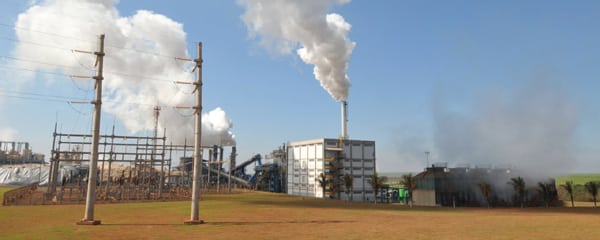 |
| 5. Bioenergy. Areva Koblitz’s 33-MW Ibitiuva biomass power plant is located in Pitangueiras, São Paulo state. Courtesy: Areva Koblitz |
As Brazil is the leading producer of ethanol worldwide, many companies are examining biomass projects in order to complement the system as a whole. “The weather conditions in Brazil are very good for biomass production; we have good soil, plenty of sun, and lots of water—all of which are important to having huge productivity,” said Felipe Barroso, CEO of Bio Energias, a biomass-focused project developer.
Land usage, often a target for criticism from those who claim biomass cultivation pushes up food prices, is relatively uncontroversial in a country as large as Brazil. Roughly 8.5 million acres of farmland are used for ethanol production, compared to just under 500 million acres used for cattle ranching. “In Brazil we can grow the bioenergy business without jeopardizing the food market; growth can be sustained through an increase in productivity,” said Areva’s Saldago. “Moreover, land availability in Brazil means that, unlike in Europe, there is not a tradeoff between harvesting for food or energy; we can grow bioenergy without compromising food production or affecting the environment.”
The use of sugarcane to produce ethanol also makes more efficient use of land than some other alternatives. “Sugarcane ethanol is the best renewable fuel compared to other crops such as corn or wheat; for each unit of energy consumed in the production process, you get 9.3 units output in terms of energy, compared to three units with other methods,” said Marcelo Mancini Stella, executive director for commercial, logistics, and supplies at ETH Bioenergia, a bioenergy company within the Odebrecht group aiming to produce 3 billion liters (0.79 billion gallons) of ethanol and 2,700 GWh by 2013 (Figure 6). “Sugarcane ethanol also reduces carbon emissions by 60% when compared to other sources. Sugarcane is the best crop to produce fuel, and Brazil is the most competitive country producing the crop. Over the last 40 years, Brazil has developed an expertise in sugarcane. In Brazil we have huge areas without irrigation with high levels of productivity. On average, you reach 90 tons per hectare [2.5 acres], but in Brazil there are areas where you can reach 140 tons per hectare.”
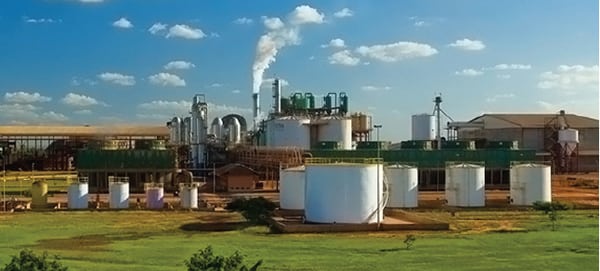 |
| 6. Triple duty. ETH Bioenergia’s Eldorado plant in Rio Brilhante, Mato Grosso, was acquired in 2008. The Odebrecht Group, ETH Bioenergia’s parent company, decided to enter the sugarcane and ethanol market by acquiring the Alcidia and Eldorado mills. Both produce ethanol, sugar, and electricity. Courtesy: Bio Energias |
Despite this privileged position, Brazilian bioenergy companies are nonetheless exploring the potential of other crop sources in order to generate energy. “We have been developing a project to use eucalyptus-based biomass potential,” said Diferencial Energia’s Prado, whose company also develops gas-fired plants. “The conditions in Brazil allow eucalyptus to grow very fast, so it makes sense to develop generation based out of the crop. Diferencial has 400 MW in development of biomass that we are planning on putting in the auction,” he said. “Eucalyptus is different from sugarcane because it can be easily controlled; it is a flexible fuel with good reliability.”
Bio Energias has been examining the potential of elephant grass, which can be burned to produce energy with a very high rate of efficiency. Thanks to the grass’s zero sugar content, it can be boiled to produce electricity. “We are studying methods of planting elephant grass to use the biomass to burn in the middle of the harvest, while the sugarcane is growing, in order to make the plants more efficient,” said the company’s CEO, Barroso.
However, like wind, in order to aid in developing the biomass sector in Brazil, Mancini of ETH Bioenergia believes that separate auctions and more specific regulations are needed. “When you put wind, thermal, and biomass together to compete for prices, you are not comparing the same things,” he said. “In Brazil, there should be a specific legislation for biomass energy; it should go to auctions with different characteristics. This would permit biomass energy to continue to grow in Brazil. More than 20% of mills cogenerate to sell to the grid; if all the mills were cogenerating energy from sugarcane biomass by 2017, there would be an amount of energy similar to the capacity of Itaipú. There must be conditions for small mills that do not cogenerate to invest in new boilers and new generators to produce electricity to sell to the grid.”
Solar. Most renewable-focused companies agree that some of the biggest potential for development lies in solar energy. “The sun in Brazil is from January to January, so the efficiency of the plant is much better than those in North America and Europe,” said Helcio Camarinha, president of Braxenergy, a project developer with a significant focus on solar energy whose philosophy in Brazil is to work exclusively with renewable energy to provide socioeconomic sustainability. “The cost of the installation is less and the equipment prices are much more competitive here than the ones built in the U.S. and Europe.”
Integrated energy company MPX recently inaugurated Brazil’s first solar plant, MPX Taua, in the Inhamuns region (Figure 7), which will supply more than 1,500 homes: “MPX have a very active R&D group in the company looking to diversify our generation matrix and predict future power trends; given the country’s characteristics, we never understood why Brazil did not go more aggressively into the solar business,” said Eduardo Karrer, the company’s CEO. “Although we will have the chance to move into the wind industry in the future, the short-term opportunity was the Taua solar plant. We are currently at 1 MW, with authorization to go up to 5 MW, which we hope we can achieve.”
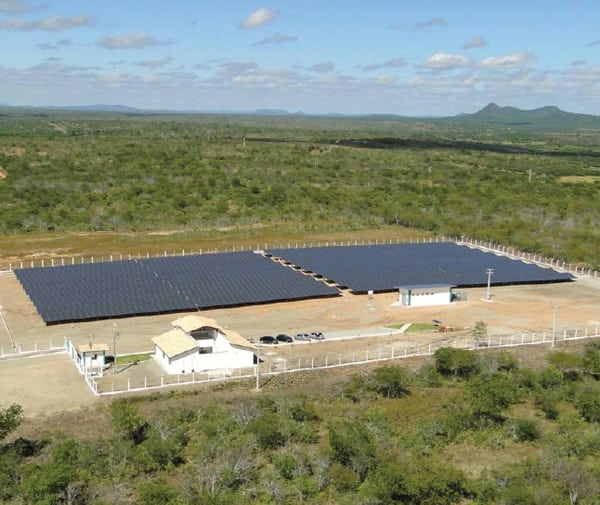 |
| 7. First solar project. MPX Taua is the first solar park in Brazil. Its 4,680 photovoltaic panels cover 12,000 square meters (3 acres). Courtesy: MPX |
Renova, a wind-focused operator, is also examining the viability of a solar plant in Brazil. “We believe that it is still too early for the development of the solar industry, but we keep on studying and seriously considering this opportunity,” said Delneri, the company’s CEO. “Our R&D department is studying to collaborate with our partner CEMIG to build a pilot solar plant in order to assess its real potential.”
International interest has been piqued by Brazil’s potential, with the above-mentioned Braxenergy recently signing an agreement with U.S.-based parabolic trough maker SkyFuel to cooperate in building concentrated solar power (CSP) plants in the northeast of the country. “The Northeast region is growing at a rate of 7.5% annually, more than the rest of the country,” said Camarinha. “CSP’s role is to provide the need for distributed generation in the most remote areas, where the community really needs options.”
“We want to be the leaders in solar energy in Brazil, specifically in CSP,” said Braxenergy’s chief procurement officer, Fred Jordan. “We love the fact that there is nothing in the Brazilian market yet, so it is wide open for us. We already have experience in Peru, in the province of Moquegua, where Clemisi’s private community and Braxenergy made a trade-off from 1,000 hectares to develop a solar plant combined with greenhouse projects. Today, Braxenergy is the first company to have the official permissions and environmental licenses to build a [concentrating solar power] plant in Brazil; it is currently in the phase of financial structuring.”
However, current prices, which average around R$450 ($242) per MWh, make solar projects less competitive with other sources of energy such as wind and pose a huge challenge to an industry in its infancy.
“Subsidies exist everywhere; if Brazil wants to have an even cleaner energy matrix, they have to incentivize this renewable energy,” said Antonio Merino Ciudad, general manager of Abengoa Brazil. “This was done before with wind power, with the creation of PROINFA, and the same could have been done with solar energy. Abengoa wants to develop this sector, but for that it needs subsidies.”
The Brazilian government through its program “Luz Para Todos” (Light for All) aims to provide every community with electricity, no matter how isolated. Guascor, recently acquired by Dresser-Rand, is a company specializing in providing isolated communities with a reliable electricity source. As James Mattos, Guascor’s commercial director explained: “Since the late 90s, Guascor has been providing isolated communities in different points of Brazil with its own-made motors, and now we also deliver and develop generation facilities based on renewable energies, providing these isolated communities with enhanced self-sufficiency. Apart from its work with isolated communities, Guascor also provides commercial facilities with complementary renewable energy sources.”
Referring to the acquisition of Guascor (Figure 8) by Dresser-Rand, an international company offering a wide range of turbomachinery and steam and reciprocating products, Mattos noted: “We believe that there are many complementarities between Guascor’s and Dresser-Rand’s activities: while Dresser-Rand has experience with large turbines, Guascor can bring its knowledge in small plants. Guascor’s know-how on wind and solar can also be complementary with Dresser-Rand’s experience with turbines. Another area we think we will have a very good synergy with Dresser Rand is services, as Dresser-Rand has in Campinas a large structure and technology to provide a comprehensive range of services.”
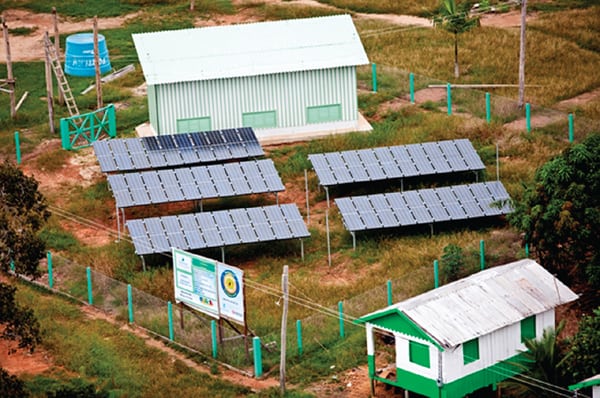 |
| 8. Local power. Guascor owns and operates 59 power plants (including gas, biodiesel, and small hydro facilities) that benefit remote areas. This Novo Airào solar plant is part of the Projecto Amazonas Energia. Courtesy: Guascor |
Future Outlook. Brazil’s vast energy sector faces two significant challenges over the next 10 years. First, the need to develop alternate generation sources to complement hydro is a key priority. Second, as the country enters a period of renewed growth and international prominence, Brazil’s energy planners must ensure that supply keeps pace with demand.
Despite these challenges, according to the country’s energy research company president, Brazil can rest assured that the energy shortage that threw the country into crisis in 2001 will not be repeated in the near term. Substantial efforts are already being made to overcome the challenges posed by the country’s exponential growth. “We have bought, through the auctions, 70% of our power needs over the next 10 years,” assured Tolmasquim. “In the next four years, the plants that are finishing construction will enable us to have a surplus of 500 MW. We have a surplus that can guarantee Brazil almost two years of demand. With this surplus, the Brazilian economy could grow nearly 7% by 2014, so there is no problem in terms of security of supply.”
Focus on Wind: The Future Is Now in Brazil
In early September 2011, the focus of the global wind industry was centered on a large conference hall in Rio de Janeiro, Brazil, where Brazil Windpower 2011 was being held. Joining the few hundred exhibitors were developers and operators from as far away as China, India, Germany, and Canada. Brazil Windpower is an event of growing international relevance organized by the Global Wind Energy Conference, the Brazilian Wind Energy Association (ABEEolica), and local press group Canal Energia, which provides daily updates to Brazil’s power and energy leaders. Throughout the exhibition and in numerous conferences, key industry players were discussing the palpable excitement surrounding Brazil’s burgeoning wind sector.
This excitement has grown in recent years as the cost of wind energy in Brazil has fallen. Improvements in technology and government incentives such as PROINFA, the renewable energy program developed in 2002, mean that prices per MWh are now below R$100. The program (roughly translated as the Program of Incentives for Alternative Energy Sources) provided grants and other fiscal initiatives to bolster the amount of renewable energy production over the long term.
“This is a very exciting moment in Brazil for wind,” said ABRAGEL’s Lenzi. “Wind farms, thanks to tax incentives, have reduced their costs and are now more efficient than small hydro. The growth in this sector in the last three years has been amazing, and huge potential remains.”
Armando Abreu, founder of Braselco—a company that specializes in providing services in projecting, engineering, consulting, and technical assistance in the area of renewable energies, especially wind—said that when he began the company in 1997, he was one of the pioneers in developing the wind industry: “There was no wind sector in Brazil at the time, so I had to create a new market. I tried to convince the various institutions in Brazil that wind, biomass, solar, and small hydro were a good complement to hydropower in Brazil’s energy sector. Now, wind energy is a reality in Brazil; the first wind program was PROINFA in 2002, from which the federal government bought 1,400 MW of wind energy, and Braselco developed about 500 MW of that program.”
The sector’s growth in recent years has been bolstered by macroeconomic trends, said Pedro Perrelli, executive director of ABEEolica. “In Brazil, we are experiencing a favorable conjunction of different factors,” he said. “The real is strong; there is a very high confidence in the country’s economy.”
The majority of Brazil’s wind farms and projects in development are concentrated along the northeast coast, in the states of Bahia, Rio Grande do Norten, and Ceara, whose capital Fortaleza has become the de facto capital of Brazil’s wind industry.
“In the Northeast, the wind blows in the same direction throughout the year, the range of variation is very small, and the velocity range is very short—no more than 15 meters per second,” said Lauro Fiuza Jr., founder and owner of Bons Ventos, a wind energy developer that is part of the integrated energy company Servtec Group.
Dante Aguiar Bonorandi, president & CEO of Mercurius, a construction and engineering company that has been involved in the building of a number of wind parks since the start of the wind sector in Brazil, agreed: “We have excellent wind conditions along the northeast coast. The country has a wind capacity factor of over 40%, which is far above that of European countries.”
Notable Players and Projects. The number of wind farms in operation has been steadily rising since creation of PROINFA. More than 50 parks are in operation or development, amounting to about 1 GW in installed capacity, up from 587 MW at the end of 2009.
“In 2009, at the first auction ever specifically organized for wind power in Brazil, Renova was the most successful player by winning 294 MW of energy, or 17% of the total amount of energy available in the auction,” said Ricardo Delneri, cofounder and CEO of Renova. “In the second auction held in August 2010, Renova was again the dominant player by acquiring 18% of the total energy auctioned, amounting to 162 MW. At the last auction in 2011, Renova was awarded contracts reaching a total of 212 MW, an impressive 25.3% of the total energy auctioned by the CCEE.” With its success at the recent auctions, Renova has nearly 2.8 GW of wind projects either in operation or development.
Bons Ventos, another big winner in the latest auctions, is spreading its project pipeline into four different regions in Brazil, with the potential to develop 800 MW in both Rio Grande do Norte and Bahia (Figure 9). “By the end of the year Bons Ventos will have close to 2 GW of wind projects; our goal is to add another 1 GW per year,” said Fiuza.
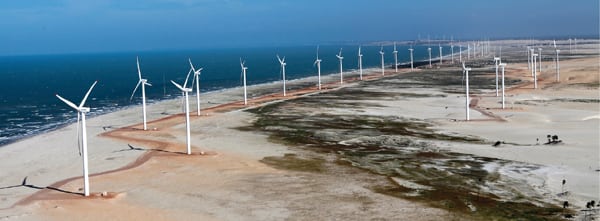 |
| 9. Capturing ocean breezes. The Bons Ventos Aracati Park is 150 kilometers from Fortaleza in the north of Brazil. Its 67 Suzlon wind turbines have an installed capacity of 138.5 MW. Courtesy: Bons Ventos |
The sector also offers opportunities for new players to develop targeted projects. Odebrecht Energia, the recently formed subsidiary of the Odebrecht Group (best known in Brazil as a leader in large-scale engineering and construction projects), was created to invest in power generation, primarily from renewable sources (Figure 10). The company has accumulated in its portfolio more than 1,000 MW of installed power in projects based on renewable sources, which now account for all of its investments.
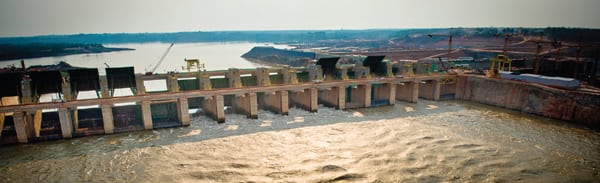 |
| 10. Hydro heft. The 3,150-MW Santo Antonio hydro plant in Porto Velho is one of Odebrecht Energy’s investments. Courtesy: Odebrecht Group |
Last year the company won the government’s August energy auction with four wind farms in Corredor Senandes, located in the Rio Grande do Sul state in southern Brazil. “The total capacity of these parks is 116 MW. The environmental permits are under way to start construction in June 2012 and expected generation for 2014. In the same complex, the company has in stock over three projects with a generation capacity of approximately 50 MW,” said Henrique Valladares, president of Odebrecht Energia. “Odebrecht Energia has 400 MW of wind projects, with an option to purchase an additional 100 MW. The company will also participate in the government’s next energy auction to be held in December 2011. In the quest to better serve our customers, we decided to increase our scope of work, offering comprehensive and integrated solutions such as construction and investments in generation.”
Energimp, a subsidiary of Argentine wind developer IMPSA, is developing nearly 300 MW of wind energy in the southern state of Santa Catarina. “Energimp was founded in 2005 with the goal of developing wind parks in Brazil,” said Energimp’s CEO, Alvaro Nelson Assis Araujo. “Since then, it has sold 830 MW of energy through auction, making us the largest wind energy company in Brazil in regards to energy already sold. These parks are being built and will be delivered until September 2013.”
With seven years of experience in the wind sector under its belt, Energimp has already developed the successful Ceara 1 project, consisting of five wind farms, which was sold to state company Cemig in 2008. “Energimp is working on a business plan that intends to include up to an additional 200 MW per year, which is our goal with wind energy,” explained Araujo.
In addition to wind-focused players, many power companies previously focused on hydro or thermal power are taking advantage of the enthusiasm surrounding Brazil’s wind sector. Desenvix, which has a portfolio of 162 MW of renewable energy in operation, plans to develop wind farms in the near term. “By the end of 2011, Desenvix will put 90 MW of wind farms in operation in Bahia,” said CEO Antunes Sobrinho.
Brazil’s Manufacturing Excellence: International Attention, Local Talent. Brazil has been a hotbed of attention for major international wind manufacturers, which are all clamoring to either gain or expand their footprint in the country. “We held our first wind auction right around the time of the global economic crisis, so the global manufacturers were looking for new markets outside of the United States and Europe,” explained Pirelli of ABEEolica.
Industry leaders such as Suzlon, General Electric (Figure 11), Vestas, and Wobben have all taken measures to increase their presence in Brazil in order to serve the demand for their products and expertise.
 |
| 11. Perfect conditions. GE Energy wind turbines at work in Brazil’s northeast. Courtesy: GE Energy |
“When Wobben first started to install the first wind farms, people saw the huge potential and today, everybody knows that wind can contribute a reasonable percentage of the Brazilian energy matrix,” said Pedro Angel Vial, CEO of Wobben Windpower, the Brazilian subsidiary of the German turbine manufacturer Enercon.
“Brazil is undoubtedly IMPSA’s biggest market, having even outstripped the Argentinean one,” said José Luis Menghini, executive vice-president of IMPSA, which own two production plants in the country. “By installing its production plants in Brazil, IMPSA got closer to its Brazilian clients and gained in competitiveness as compared to those rivals that kept on importing their equipment from abroad.”
“Brazil is one of the top five markets on which Vestas is focusing worldwide,” said Hutschinski. “We see how important and aggressive the Brazilian wind market is, and Vestas is a worldwide leader, so we want to be the market leader in Brazil in the coming years.”
The potential of the wind industry has also provided opportunities for local players, many of whom have been involved in projects since the birth of the sector over a decade ago. “We saw a niche with the developing wind industry that was very interesting. It is new, and few companies in Brazil have the know-how to build these farms,” said Bonarandi of Mercurius, which began its involvement in the wind industry 10 years ago.
Bruno Vilela Cuna, CEO of Aeris, a startup wind blade manufacturer that recently installed a factory in Ceara, believes his company’s logistic advantage would allow its customers to compete in the Brazilian market. “There is no way for all of the wind turbine manufacturers to install a manufacturing base in Brazil, so I think we will see a consolidation of the market,” he explained. “Blades are the most important component of the turbine, and you must expend a lot of effort into creating the best possible product, which is what Aeris will do.”
As the industry continues to evolve, making room for a variety of international and local players, the future remains bright for Brazil’s wind sector.
Distribution and Transmission
The Brazilian distribution industry provides energy to 67 million customers, and every year it adds another 2 million new clients. As in every industry, such constant growth demands steady investment. Until 1995 the distribution sector was mainly in the hands of the government. Nevertheless, the system did not provide the necessary resources to execute the required modernization and expansion. This led the Brazilian government to implement a partial privatization of the distribution sector. Today private companies distribute to 70% of the market, and the rest is supplied by state-owned companies such as CEMIG and COPEL.
The arrival of these private players in the Brazilian distribution sector has allowed for an average yearly investment of R$8 billion, expected to rise to R$11 billion by 2015 in order to maintain growth levels and to secure energy supply during the coming World Cup and Olympic Games.
A prime example of how privatization of the distribution sector allowed for the arrival of new players is AES. As AES President Britaldo Soares affirmed: “AES arrived to Brazil in 1997 and took advantage of the process of privatization of the energy distribution sector. Through its successful strategy of acquisitions, AES provides energy to 25 million Brazilians and is the biggest private energy distributor in Latin America.”
Despite partial privatization, the distribution sector is still a regulated market. Ricardo Perez Botelho, president of Energisa, claimed that private distributors’ growth ambitions are constricted: “There are very few opportunities to grow in the distribution sector at the moment, and the government tends to be very restrictive. Discussions with the government on changing the rules applied for energy tariffs have been very difficult; it continues to impose very unrealistic conditions on returns on investment, and it is reluctant to orchestrate further privatizations.”
In Brazil, distribution is a system of geographic monopoly, and as such there is no real competition between distribution companies; each one is confined to a limited area. Indeed, only customers with demand over 3 MW can choose their supplier; the rest are bound to the distributor operating in their area. Energy tariffs are divided into a portion for energy itself and a fraction equivalent to the transmission of that energy. According to Fonseca Leite, president of ABRADEE, the Brazilian Association of Energy Distributors, this implies that companies “do not make money on energy but on the delivery of the energy.”
On the question of energy tariffs, Leite also pointed out a recurrent problem related to distribution tariffs: “45% percent of the bill paid by final consumers corresponds to taxes; consequently, energy prices are very high, and this constitutes a considerable day-to-day concern for many Brazilians.”
An issue especially promising for the distribution industry is the prospective development in Brazil of the so-called “smart grid.” In the words of Welson Regis Jacometti, president of CAS Tecnologia: “The market is now describing the regulatory marks that create the ideal scenario for utilities to evolve towards smart metering. Indeed, today the immediateness of smart grid is a reality.”
Intelligent energy meters, by providing distribution companies with accurate and immediate information on different variables of electricity consumption, could considerably mitigate and even potentially suppress nontechnical energy losses (such as theft) in the transmission of distributed energy. Moreover, the smart grid will constitute a revolution in the relationship between distribution companies and their customers, providing for the adoption of different tariff schemes tailored to consumers’ needs while maximizing the grid’s overall efficiency.
Notwithstanding these advantages, ABRADEE’s Leite warns about some of the difficulties that must be overcome before effectively introducing a smart grid: “Right now we are discussing the implementation of smart grids in Brazil and working on trying to establish public policies for smart grids; but this is a very complex task, as we have to take into account the diversity amongst power distribution companies across the country in order to grant tailored solutions for each region.”
Marcelo Prado, marketing director of General Electric (GE) Energy for Latin America, offered his company’s insight on the future of the smart grid in Brazil: “Today distribution companies have many losses, and developing the smart grid would greatly reduce those losses. ANEEL is clearly positioned in favor of the development of the smart grid, and we expect that in three years’ time there will be an exponential investment growth aiming to develop the smart grid in the country. Through our extensive offer of transformers, substations, measuring devices, and specialized software, we want to participate in the future of the smart grid, and we are already involved in pilot projects that have shown to be successful.”
Contrasting with the panorama of the distribution sector, the transmission business is still largely controlled by public companies, both federal (Eletrobras’ companies Furnas, Eletrosul, Chesf, and Eletronorte, representing 57% of Brazilian transmission lines) and state (CEMIG in Minas Gerais and COPEL in Paraná). Though some private actors like Abengoa, Alstom, and CTEEP have a stake in transmission activities and are developing new lines, their part in the business remains modest.
Unlike other national systems, where the transmission system is segmented into independent regional power grids, Brazil’s electricity runs through a huge interconnected network formed by more than 40,000 miles of transmission lines. Originally, the Brazilian electricity system was structured in an integrated fashion through regional coordinating groups. But in 1998, the government, headed by Fernando Henrique Cardoso, established the National Operating System (ONS), a federal body responsible for operation of the National Interconnected System, commonly known as “SIN.” This newly created institution prompted development of new transmission lines connecting the different Brazilian regions, leading to today’s interconnected national grid.
In a country with predominantly hydropower, the national interconnectivity of the transmission system performs an essential role: It counters the effects of seasonal droughts on hydro capacities by enabling power to be transmitted from areas where water is abundant toward areas where generation capacities have been reduced. Indeed, the rationing imposed during 2001 and 2002 could have been prevented if there had been at the time sufficient transmission capacity.
However, interconnectivity has a disadvantage: The downing of a single transmission line can create a cascading effect on the transmission system, threatening to collapse vast segments of the SIN. The November 2009 blackout is a clear example of this vulnerability. The knockout of two transmission lines by a storm in São Paulo induced a domino effect that crippled roughly 15 transmission lines, provoking automatic shutdown of the Itaipú dam and a blackout that cut off 17 GW of power affecting 10 Brazilian states. (See “Brazil: Latin America’s Beacon” in the January 2010 issue of POWER.)
The dominance of hydropower means that the distance between generation facilities and end-user markets can be vast. As a consequence, power losses in the transmission system are high, amounting to an average of 16% of generated power. Investments in grid efficiency are needed to reduce such energy losses. Despite this need, César Augusto Ramirez, president of ISA-CTEEP, pointed out that, in the next years, the most pressing investments will be devoted to extending the power grid: “On average in the next decade Brazil will need to auction around 3,500 km to 4,000 km of transmission lines per year, representing a 30% total increase.”
CTEEP, which is one of the main private transmission companies in Brazil, was acquired by Colombian ISA in 2006. Today, ISA-CTEEP owns and operates 12,300 km of transmission lines and plans to soon inaugurate the 2,350-km Araquara line, which will be one of the longest transmission lines in the world, interconnecting the generation capacities of the Rio Madeira with the São Paulo region.
Many of those new lines will be devoted to connecting new major hydro facilities in development in the north with the southeastern region, which consumes 60% of all power produced. Abengoa Brasil’s Ciudad recalled that those huge transmission projects are not without difficulties: “Abengoa is now developing a 2,375-km transmission line linking a 6,450-MW hydroelectric complex in the Amazon to the national grid. These are very complex projects, and it is hard not to affect the environment with the construction.”
However, the enormous hydroelectric projects won’t be the only ones requiring new transmission lines. Ramirez said: “Because of their geographical dispersion, connecting wind farms to the interconnected transmission system will represent an important challenge for transmission companies. Moreover, there is also a need to further integrate the Brazilian power network with the ones of its Latin American neighbors.”
The Free Market
The dynamism of Brazil’s power sector extends to a robust group of energy traders, who buy and sell energy on the free market to feed a consumer demand that exceeds 3 MW. About 25% of the electricity market is freely negotiated between agents. As electricity needs can constitute the majority of production costs for energy-intensive industries, companies are enticed to source alternative means of procuring energy to lower their costs.
Since 2004, when President Lula da Silva’s government introduced a series of regulatory changes designed to avoid any discrepancy between supply and demand, independent trading companies began competing on a more significant level with the trading arms of large generation companies such as CPFL Energia and Grupo Light.
“Brazil is a new market, less than 10 years old,” explained Gustavo Machado, a partner at Nova Energia Commercializadora, who, as a member of the CCEE, helped to design the rules of the free market. “Until 2004, the free market was very small, with only four or five consumers. President Lula’s government instituted major changes in the model and gave consumers more peace of mind to invest in the free market. Today we have 1,200 free consumers, and we expect very large growth, with some estimates at nearly 4,000 consumers.”
This growing market has led to an increased number of energy traders who buy and sell energy for their clients from both conventional and renewable sources. The increasing importance of the free market has introduced brand new players within this booming business sector. One of the advantages of the newcomers is that they often are formed by experienced professionals who have been working in the energy and trading sector for decades, allowing them to be fully competitive and guarantee the satisfaction of their clients.
Ricardo Junqueira, owner of Atico, the majority shareholder of Bolt Energias, gives a sound explanation of how its subsidiary, Bolt Energias, has been able to blossom during its first year of activities: “Our company, Bolt Energias, even if young, is totally ready to operate not only in the Brazilian market but also internationally. Bolt Energias has successfully managed to marry the trading business with the participation in generation activities. Now we are looking forward to increase our generation assets as well as our trading business. For that we are open to work with new partners in Brazil but also in the surrounding countries such as Uruguay, Chile, and Peru. Indeed, our strategy within the generation business is to grow through the creation of partnerships: We intend to have a diversified generation portfolio through acquiring minority shares in different generation facilities; thus, we avoid an excessive risk while ensuring the provision of energy for our clients.”
Erico Evaristo, CEO of Bolt Comercializadora, the trading arm of Bolt Energias, expects a bright future for the energy trading business in Brazil: “The trading market is very competitive; it has grown very quickly and today represents 26% of the power market in Brazil. We hope that in the midterm this share will evolve steadily, eventually reaching 40% of the whole energy market.”
The Energy Trading Sector: Providing Opportunities for Growth. Many large power generators use this free market to sell excess energy. The advantages of a commercialization arm include higher profit margins and strategic significance.
Light Esco is the commercialization division of Grupo Light, an integrated energy company, and represented 3% of the group’s revenue in 2010. “This percentage will increase in 2013 due to the expiration of existing contracts,” said Marco Donatelli, superintendent of Light Esco. “Light Esco will sell two-thirds of the energy generated by Light Group, leading to increased revenues as well as benefits, because the margins are broad and investments are already covered.”
Many integrated energy companies with energy trading arms derive a significant portion of their revenues from their trading activities. Such is the case with Bio Energias Comercializadora, which has built a strong position in the free market. “Bio Energias Comercializadora will sell nearly R$350 million of energy in 2011, which accounts for 90% of our revenue,” said Felipe Barroso, the company’s president. “We are the third-biggest trading company in the renewable energy market and the seventh biggest of all trading companies.”
Capitale Energia was founded by two young traders, Rafael Villano Mathias and Daniel Augusto Rossi, and has experienced significant growth since its inception roughly two years ago. “In 2010, our revenue reached 70 million reais,” said Augusto Rossi. “This year we expect that we could sell 200 million reais, equivalent to 300 MWh, an important growth compared to the preceding year,” added Villano Mathias.
Capitale Energia’s long-term plan includes a focus on a diversified business platform. “The principal objective will be trading,” said Augusto Rossi. “We would also hope to participate in some generation projects, perhaps through a partnership. In the future we plan to go beyond energy trading, expanding to other commodities like ethanol, sugar, and natural gas. The energy and the natural gas market are linked, and we are structuring our capital to capture this opportunity.”
Often, independent power traders begin electricity generation in order to help guarantee supply for their customers. Safira Energia, a trading company that has been involved in the market since 2008, recently invested in wind generation. “The trading company remains at the forefront, but we are trying to open our minds and expand our portfolio with the generation and asset projects,” explained Mikio Kawai, CEO of Safira.
Companies involved in energy trading usually offer other services, such as consulting or asset management. Eduardo Prado, CEO of Diferencial Energia, which also develops thermal power plants and other energy generation projects, explained the mutually beneficial relationship between the two core businesses: “The trading side is very important for project development; when you are too involved in the development aspect, you tend to assume that the market has to come to your price structure and technologies. The advantage that the trading brings to our projects in development is that we understand the importance of having a well-structured project so that it can find its market. We use a lot of the insights gained in trading to structure the projects, and not many companies are able to do that. It is a good mix for the company, even though it is two different mindsets.”
The success of many new traders can be attributed to internal policies. According to Evaristo of Bolt Energias, well-defined internal management strategies are essential when trading a volatile commodity such as energy. “The company has imposed upon ourselves a strict risk protocol that establishes the boundaries of our activities, and we make sure not to act outside of these limits. This policy has allowed us to quickly become a robust player, as we are ready to face any potential crisis.”
Brazil’s Energy Market: Key Challenges. The main challenge facing Brazil’s free market is that it still suffers from a closed system that does not allow for competition, which keeps energy prices high.
The trading industry’s voice is ABRACEEL, which advocates for a more open energy market. According to Reginaldo Almeida de Medeiros, president of ABRACEEL, a more competitive market leads to a more efficient allocation of resources in the economy, thus reducing energy prices.
In Brazil, the free market is open to consumers over 3 MW and special consumers who have a load between 500 kW and 3 MW. Special consumers pay only 50% of transmission and distribution costs. “The goal is to reduce the limit to 1 MW or 2 MW. The market is 75% captive and 25% free; we need to change this,” explained Luis Fernando Vianna, president of APINE, the association for independent power producers. “APINE advocates a free energy market; we believe that the country needs this free market in order to be competitive.”
APINE is working on a manifesto with consulting firm Andrade & Canellas advocating the need for a more open energy market in Brazil. “Andrade & Canellas strongly believes in the future of the free market and is pushing for a legislative agenda providing for its extension,” said the consultancy’s de Oliveira Mello. “Such a broadening of the free market will bring many benefits to the Brazilian energy industry, beginning with enhanced competitiveness within the market itself as consumers, and especially industrial ones, will be empowered and able to negotiate prices.”
However, the regulated market protects not only distribution companies but also many consumers. “Free” consumers enjoy the security of the regulated market, which protects them against the potential volatility of Brazil’s energy supply. According to Pedro Seraphim, partner at law firm Tozzini Freire and head of the group’s energy division: “If companies decide not to renew a contract with a distribution company and enter the free market, and then return to the regulated market, they must give a five-year notice. The way the market is structured, it is difficult to find a generator willing to sign a contract for five years. So it is not a legal problem but a structural one. We are always on the verge of a rationing here in Brazil; if we have a bad year in terms of rain, we would be in serious trouble. This means that companies are unwilling to sign longer-term contracts because it is not so easy to predict energy prices in the future.”
For the traders themselves, most of whom are members of ABRACEEL, a more open market is essential to the growth and development of the energy sector. “Our aim is to demonstrate that by using the free market we can grow and provide many advantages to Brazilian society,” said Kawai of Safira Energia, an ABRACEEL member.
“We consider that the market should be absolutely free,” said Gabriel Rosa, trading manager at Delta Energia, one of the first companies involved in the trading sector in Brazil. “If players buy their energy in the free market instead of buying it in the captive one, it is because it is less expensive. If you limit the economic agent’s capacity to access the free market, you are also reducing their competitiveness. The free market could easily be extended to new commercial clients.”
Small changes to the structure of the energy market can lead to increased growth by including major power consumers who currently buy energy from the captive market. “We estimate that the free market in Brazil can grow by 10,000 MW, or 20%, just by including the industrial sector,” said Felipe Barroso at Bio Energias. “This growth can be achieved by changes in regulation, but the political incentive to have a free market is missing. To build a project, you need to have a PPA for 15 to 20 years, and the free market does not provide those long-term contracts. Most industries only draft five-year business plans and do not want to commit to longer projects. We are discussing how to finance the sector without having to give 20-year contracts.”
As the energy trading market is still quite young, legislation governing the industry is still in the development phase, and traders themselves are having difficulty navigating the regulatory waters. “With so many changes, the model is getting more difficult to understand,” said Machado of Nova Energia Commercializadora. “Because the market is so new, all of the rules and regulations are constantly changing. Keeping up with these regulatory evolutions is one of the key challenges of the industry itself.”
Some energy traders take an optimistic view, believing that the free market needs more time to reach stability. “The market is still young, and it will progressively mature with the expansion of the free market towards new consumers,” said Augusto Rossi of Capitale Energia. “It is a market that is naturally becoming more competitive and profitable, but to facilitate this process we need regulatory reforms.”
While energy traders continue to push for a more open and competitive market, the future for the industry looks bright, thanks to an increasing number of free consumers entering the marketplace.
“We expect that the trading volumes in Brazil will increase and the market will become more competitive,” said Prado of Diferencial Energia. “There will be more liquidity, more players, and more opportunity, so we want to grow as the market does. The market will become more sophisticated, which is good for us because we have the tools and the mindset to become more sophisticated.”
“We think that liberation will deepen, but to reach the residential customers we will need more time, as we would need to change all electricity meters to adapt to the free market system,” said Donatelli at Light Esco. “The free market could be easily opened for the ‘middle market’ customers, perhaps in two years. Competition will always benefit the client.”
The Service Sector
The steady growth experienced by the Brazilian energy sector during the past decade and optimistic predictions for its future expansion have fed the development of many actors that base their activities partially or integrally around the energy industry. In particular, this has been the case for service providers, equipment manufacturers, and engineering companies. In a reciprocal manner, the enhanced maturity of these players provides the necessary conditions for expanding energy sector activities and projects.
E&C: Building Brazil’s Energy Future. The engineering and construction (E&C) sector in Brazil is dominated by Brazilian firms, as local engineering companies are exceptionally consolidated. This local strength is spread over various fields, including the energy sector, and in the past, Brazilian engineering companies have had a dominant role in the development of the country’s energy facilities and infrastructure, being involved in the construction of such complex and significant projects as the Itaipú and Tucuruí dams.
During the past 15 years, national companies such as Andrade Gutierrez, Camargo Correa, and Odebrecht have become even stronger. They have built a strong local presence and have the capacity to expand internationally, especially across Latin America, Africa, and Asia. This international aptitude was exemplified through Brazilian participation in the development and construction of the Three Throats dam in China.
However, within the Brazilian engineering panorama there is also space for more modest engineering groups that have shown their strength and capability by thriving in such a competitive and challenging environment. Engevix, with 46 years of experience, has ensured its place in the market. As Antunes Sobrinho, president and CEO of Desenvix, the owner of Engevix, stated: “Engevix is active on a broad range of engineering services: from feasibility studies, engineering consulting, and project management to fully integrated solutions mainly for power (generation and transmission), industry (oil and gas, steel, fertilizers, biomass, and pulp and paper), and infrastructure (water and sanitation, transport, and urban planning) sectors.”
Added to the important expertise accumulated in the development of conventional energy facilities, such as hydroelectric dams or thermal generation facilities, today Brazilian E&C firms are gaining important experience through the development of nonconventional renewables—experience that has been boosted in recent years by the blossoming of the wind energy sector. Ricardo Cortez, president of Cortez Engenharia, underlined the rising importance of nonconventional renewables for E&C firms: “Cortez Engenharia is very focused on wind energy; we specialize in renewable energies. Within the renewables we have also solar energy, and we are responsible for the civil construction of the first Brazilian solar park developed by MPX.”
Energy-related infrastructure represents an important part of the portfolio of Brazilian E&C companies, and the remarkable dynamism of the energy market suggests that its importance is destined to increase. As Cortez stressed: “While the country has an expectation to grow 5% per year, the energy sector could even attain a 10% growth annually.”
The vitality of the energy sector is demonstrated by some construction companies taking their commitment to it a step further. Some E&C companies have decided to engage the sector directly by creating their own energy companies. This practice is exemplified by Odebrecht, a well-known Brazilian E&C company that has decided to invest in the energy market through Odebrecht Energia, its recently created energy branch. Valladares, president of Odebrecht, explained the move: “Energy is a very strong market in Brazil, so it is almost natural that Odebrecht became more heavily involved. With the Santo Antonio project, we decided to enter into the market ourselves.”
A main factor inducing E&C companies to invest in the energy market is the synergy derived from combining both activities. As Valladares explained: “Our initial motivation was to open the construction market; if we were investors, then it would be easy for us to construct the plant. Through this, we saw that we can generate value for our shareholders if we really act in the energy market, so we decided to invest in the long-term market.”
In a country proud and thoughtful of its natural resources, one of the main concerns around E&C activities is environmental sustainability. Within the energy sector, concerns of environmental impact affect hydroelectric and transmission projects in particular. Due to their location and characteristics, they have the greatest impact on the environment. E&C companies operating in Brazil are very conscious of the importance of minimizing the environmental impact of their projects. Nelson Branco Marchetti, president of Skanska Brazil, exemplified how E&C companies are coping with this sensitive matter: “In all our projects we comply with the local rules and regulations. In many of our projects we even go further than the required environmental standards, reaching the lowest possible consumption of water and energy, and CO2 generation. Skanska Brazil seriously addresses those environmental concerns, and today we are projecting new programs to foster environmental sustainability.”
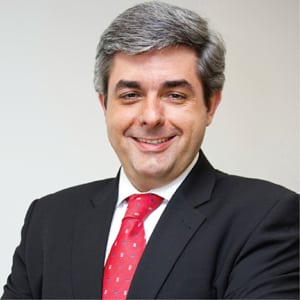 |
| Nelson Branco Marchetti, President, Skanska Brazil |
The rising awareness of environmental issues, as well as the complexity of the environmental regulatory framework, has led to the development of environmental engineering services. Habtec, for example, is the Brazilian pioneer in providing environment consulting studies for the engineering area. Operations Director Ricardo Tavares explained the role his company plays in ensuring that environmental requirements are fulfilled: “Habtec is the oldest company offering consulting in environmental engineering. Concerning the environmental side of energy projects, we do all the licensing processes, all necessary studies, and we implement every necessary action to comply with the environmental standards—first during the construction phase and later during the operation of the facility.”
The aforementioned strength displayed by local engineering companies implies that it is exceptionally difficult for foreign E&C firms to thrive on their own. However, competition is far from the only challenge confronted by foreign engineering companies aiming to prosper within the Brazilian energy industry. Joaquim Manuel Canhoto, partner of EFACEC do Brasil, a Portuguese E&C and service provider operating in Brazil, claimed: “In Brazil, technical norms are not an impediment for the establishment of foreign E&C companies, as they are in consonance with the international standards. What constitutes a first-order barrier are Brazil’s fiscal and work regulatory frameworks that are extremely complex and definitely need to be modernized.”
The characteristics of the Brazilian energy sector alone constitute quite a challenge for newcomers. Hydroelectricity is the core of the nation’s power infrastructure, and being involved in the E&C of such projects demands not only huge investments but also long-term commitment, as the development phase of a hydro project can stretch over a decade. Moreover, hydroelectric projects are often located far from inhabited zones and, in a huge country like Brazil, operating in such isolated places requires impressive logistics that are often out of neophytes’ sight. As André Glogowsky, president of Hochtief Brazil, explained: “The local component is very important. If you want to overcome all the obstacles related to the complexity of the regulatory and administrative system, you need to be local and behave accordingly.”
Nevertheless, complex does not mean impossible. With the proper strategy and planning, and appropriate local partners, it is possible for E&C companies to thrive in Brazil. Skanska Brazil is a very good example. As Marchetti asserted: “In Brazil, Skanska’s DNA is energy. We work on hydro and gas-fired power plants. We are able to develop our projects in a consortium base or alone. Our projects are spread all over the country, from north to south, and we have already developed 500 MW of energy generation capacity and are planning to triple this amount within the next years.”
Making Things Work: Services and Equipment for the Energy Sector. Services devoted to the improvement of energy efficiency are flourishing in Brazil. As energy demand is expected to grow exponentially during the next decade, the country will require an impressive increase of generation capacity. In conjunction with this, energy efficiency looks set to play an important role. Tania Cosentino, president of Schneider Electric in Brazil, believes that “The best energy is the one that is not generated.” As a matter of fact, according to Cosentino, “The potential for energy savings in the next 10 years is the equivalent of the generation capacity of Rio Madeira, and the key to fulfill this potential resides in investing in energy efficiency.”
Specific services not only reduce energy waste rates but also, by lowering energy consumption levels, can reduce average energy costs, thus improving overall business performance. Energy-efficiency services, therefore, are an ideal answer to the challenges of increased energy demand.
Finnish corporation Wärtsilä brings new technologies to the gas market: “We have the biggest gas engine on the market, at 18.7 MW, for which we have a flat cycle solution. It is a really interesting and efficient technology, specifically for stand-by power plants used for only three months per year in the Brazilian dry season. We have to demystify gas engines in combined cycles and prove that they are the best solution for the Brazilian market. It is not easy to demonstrate this to customers without subjecting the raw figures to feasibility analysis,” explained Jorge Alcaide of Wärtsilä Brasil.
The Brazilian energy sector faces another dilemma related to increased demand: Energy generation is going to increase dramatically during the next decade while there is a need to reduce CO2 emissions. This conflict has pushed some companies to offer CO2 emissions reduction services. Although general consciousness in Brazil of the importance of these services remains behind that of Europe or the U.S., things are evolving quickly.
The potential of this market is vast, with customers’ awareness of efficiency increasing due to two essential factors: the high cost of energy impacting overall production costs and companies’ desire to pursue an image of sustainability. Cosentino promotes a strategy that embodies the growing awareness around the need to reduce CO2 emissions: “Schneider Electric is investing a lot in this field. We are already performing very well in energy management, and we are now linking our energy management services to services related to the reduction of CO2 emissions.”
Emissions reduction is not the only service that is growing around carbon emissions. Some companies, such as Brennand Energia and Voltalia do Brasil, have developed carbon credits trading services. Nevertheless, in Brazil these kinds of services are still in an embryonic phase. As Robert Klein, president of Voltalia do Brasil, explained: “There is a tremendous potential for carbon credits trading within the Brazilian energy market; however, there are many uncertainties on the evolution of carbon credit prices, so it is difficult to forecast revenues, and this has restrained the development of carbon credits trading in the country.”
Together with services focused on reducing energy consumption and CO2 emissions, many consulting companies specialized in the energy sector have thrived in Brazil. These consultancies provide services to the whole energy value chain, from generation to distribution, and to all sources of energy. De Oliveira Mello of Andrade & Canellas emphasized the value that offering integrative solutions has for consultancy firms: “This holistic approach allows Andrade & Canellas to be well known in the Brazilian energy business as a ‘one-stop shop.’”
The expertise of Brazilian energy consultancy firms is spread over many different fields, among them environmental, engineering, accountancy, regulatory, and operational. Mario Veiga, president of PSR in Brazil, explained how PSR, an international consultancy firm, developed its activities in Brazil, extending its services over a wide variety of domains: “PSR started providing consultancy services to investors throughout the privatization of generation and distribution companies, and today PSR works in several different areas, including strategic valuation, price forecasting, risk assessment, regulation, and environment. Due to our experience in organizing Brazil’s power sector model, we became advisors on institutional arrangements for electricity markets. Today our engineering division is growing steadily, and we want to develop our arm committed to environmental engineering services.”
Other firms have a much more focused scope of activity, as is the case with Ativo Energia, a Brazilian company chaired by João Batista de Carvalho, that specializes in asset management and physical inventory for energy companies.
Acknowledging the wide variety of actors as well as the contending interests within the Brazilian energy market, José Said de Brito, president of Excelência Energética, a Brazilian consultancy specializing in the energy regulatory framework, pointed out: “For consultancies, it is essential to avoid any conflict of interest. Our company is structured and works to guarantee neutrality and independence, as those together with expertise are the foundations of our business.”
In addition to those providing services to the energy sector, companies along the entire supply chain—from cables to transformers and electrical equipment—are experiencing increased growth in order to serve the needs of the energy industry. Many equipment providers have reinforced their presence in Brazil to satisfy increasing demand for their products. Indeed, the importance of the Brazilian market has pushed equipment and component providers to adapt their products to fulfill the specific needs of the Brazilian market.
As noted by Douglas Rodriguez Buzo, president of Vulkan do Brazil, a German components and services company present in the worldwide market since 1889 and established in Brazil for 36 years: “Vulkan has a product engineering department in Brazil very demanded by our clients within the energy sector and exclusively devoted to provide our clients with tailored products that fit their most detailed requirements. We have also recently established Vulkan Seacom, our arm providing distance monitoring services to different activities ranging from mining to wind power plants and hydroelectric facilities. Besides that, our VULKAN Drive Tech division—focused on couplings and brakes production—has local manufacturing in Brazil and it is ready to attend the local energy market. Our brakes line for wind turbines, for example, is already certified by GL-Germanischer Lloyd Industrial Services GmbH Renewables Certification, and it is also approved by BNDES FINAME Brazilian bank for credit lines. Our Drivetech division was delocalized from Germany to Brazil, and the majority of our products are fully manufactured in Brazil.”
Competition in the country’s energy equipment industry is very aggressive. Brazil is in the eye of the hurricane, and the economic crisis in Europe and the U.S. has pushed many companies to enter the Brazilian market.
Simultaneously, due to currency levels and high Brazilian labor costs, many Brazilian companies have to confront harsh competition coming from Asian newcomers. A clear reflection of how international energy equipment producers have pledged their commitment to the Brazilian market is that, despite Brazil not being renowned for industrial competitiveness, many equipment producers are opening new production plants in Brazil or expanding existing ones.
This is the case for IMPSA, an international energy equipment company that recently enlarged its Brazilian aerogenerator (wind turbine) production plant in Suape. IMPSA Executive Vice-President José Luis Menghini clarified the benefits brought by his company’s establishment in the country: “By installing our production plants in Brazil, IMPSA got closer to its Brazilian clients, being able to satisfy the growing demand for its aerogenerators and hydroelectric equipment. Besides, the local character of our R&D has resulted in capital advantages to our competitiveness. Unlike our competitors’, IMPSA’s aerogenerators are perfectly conceived for the specific wind conditions of the Brazilian coast.”
One of the most senior foreign companies present in the heavy equipment sector is General Electric, which arrived in Brazil 92 years ago and offers a wide range of equipment for generation, distribution, and transmission companies. Marcelo Prado, marketing director of GE Energy for Latin America underlined how GE’s equipment fits the Brazilian market: “GE provides, for example, flexible turbines adapted to the specific conditions of the Brazilian energy market; depending on the level of hydroelectric reservoirs, those gas turbines can be turned on and off without reducing performance or damaging equipment.”
GE also provides its clients with integrated services aiming to ensure the perfect performance and operation of its equipment. As Prado stated: “General Electric services are offered on a service contract or service as-needed basis and range from operation and maintenance activities to upgrading services and emissions control services. Services contracts are especially indicated for those clients who acquire our heavy equipment such as substations, transformers, electric motors, and generators.”
Balancing Development and Sustainability: Brazil’s Environmental and Social Challenge
Brazil’s famed natural beauty is a significant point of pride and a major driver of the tourism sector. The challenge for energy companies is to maintain the balance between conservation and the need for further development to power a rapidly growing economy.
“In a country like Brazil, it is difficult to discuss energy generation without discussing the sustainable use of environmental assets,” said Izabella Teixeira, Brazil’s minister of environment. “We are working hard in our ministries to develop a new environmental agenda that takes into consideration the challenges for our sustainable development over the next 20 years.”
“The environmental question is very important; we need to create a national consensus on how to minimize costs and how clean we want our energy to be,” said Charles Lenzi, president of the Brazilian Association of Clean Energy Producers.
A major dilemma for power companies is that much of the country’s unexploited hydro potential lies along the Amazon River, which is populated by a number of endangered species and many indigenous peoples. There has been international outcry over planned development of large-scale hydroelectric dams, highlighted by the Belo Monte controversy.
The Belo Monte dam, which is to become the country’s second-largest hydroelectric dam in installed capacity at almost 11,200 MW, has been in development since the late 1970s but has continuously been halted due to environmental concerns regarding the depletion of fisheries and the resulting effect on the livelihood of the local people, who rely on fishing for their income. The construction phase was slated to commence in late 2011, but in September 2011, a judge barred any activity related to “building a port, using explosives, installing dikes, building canals and any other infrastructure work that would interfere with the natural flow of the Xingu river, thereby affecting local fish stocks.”
Though the project is supported by the Brazilian government, it remains to be seen whether or not the dam will go forward as planned.
The fault does not lie with the regulatory system or the companies themselves, according to Juan Piazza, CEO of environmental consultancy JGP Consultoria, which develops environmental assessments and biodiversity surveys for the energy industry. “The environmental permitting system for hydropower projects in Brazil is adequate, and the quality of environmental assessments has improved significantly. Hydropower project developers need to invest up front on project engineering and environmental assessments. Once preliminary permits are obtained, projects are opened to bidding through auction and all front-end costs, previously audited by the regulatory agency, are passed on to the winning bidder. Hence, it is in the interest of the front-end developer to produce a high-quality assessment, ensuring that a permit will be obtained.”
However, there is room for improvement, particularly with respect to the assessment of social impacts. JGP’s Piazza noted: “In Brazil the social aspects of impact assessments are frequently downplayed.”
Thus, it falls upon companies themselves to prioritize corporate social responsibility. “As a part of the environmental impact assessments that Habtec does for different sectors, we have to propose a social project to attend to the needs of the community,” said Guaraci Sathler, the company’s executive director. According to Sathler, Habtec dedicates a specialized, in-house team to attend to the social impact assessments as part of its environmental work.
Wind engineering firm Mercurius, an award winner for its community work, believes that it is essential that companies take into consideration the effect that development will have on local communities. According to Bonorandi, the company’s CEO, “It is important to help the community in simple ways; for example, when we use concrete for the bases, we can also build a play area for children or help a church to rebuild. As a construction company, we are the first to get in and the last to get out. Two years ago, Mercurius won recognition for our help with the locals. We try to see what we can do for the community at no extra cost. The community is very happy with this partnership, and happy to see that Mercurius is not just there to build and get out. Of course we have to do good work and have competitive pricing, but we believe that if you have this philosophy, then it is much better for us as the company and for our clients.”
Odebrecht Energia’s Valladares highlighted his company’s commitment to community development, as one of the largest constructors of large-scale hydroelectric projects: “The social and economic join the environmental challenge. The commitment to the development of areas in which Odebrecht operates and the efforts for the interaction of Odebrecht in these communities are part of our culture and integrated into the company’s business.”
Odebrecht’s Programa Acreditar (“Aspire Program”) trains professionals to work in the construction industry and promotes the inclusion of local communities in the labor market. Initially developed for the large-scale Santo Antonio project, the program is now replicated throughout Odebrecht’s projects in Brazil and abroad. Today, more than 104,000 people subscribe from 17 states across the country. Valladares said: “The program was the result of a R$25 million investment, and it emerged from a survey in Porto Velho which underlined the low availability of skilled manpower to meet the great demand that the construction of the Santo Antonio hydroelectric plant would generate. To prevent a flow of migrants and its potential social impact, Odebrecht developed the project in February 2008. Today, 80% of the approximately 17,000 workers employed are residents of Rondonia, and in addition, about 10% are women.”
Ricardo Botelho, CEO of Energisa, one of the largest electricity distributors in the developing northeast region, believes that his company has a role to play in the economic growth of the area. “Energisa is involved in many different areas; for example, if someone wants to set up industry in our areas, we are quick to provide the infrastructure. We help the state in promoting areas, and have activities in social responsibility. We are at almost 100% already in rural electrification. We have a strong presence in culture and believe that it can move economics. In a dry area of the northeast, people were stealing energy to provide water, so Energisa went beyond our charter to set up a new irrigation system to save them money.”
As Brazilian energy companies work towards the development of environmentally and socially sustainable projects in more remote regions, the need to preserve Brazil’s natural resources and habitats is becoming increasingly apparent. According to Piazza of JGP, the regulations regarding environmental and social impact assessments are becoming more demanding. “Some people believe regulation swings like a pendulum,” he said. “My view is that it is a linear process, where everything is getting more rigorous and professional. I do not see requirements in Brazil being relaxed, only increased. The environmental and social aspects of projects are coming to be seen as strategically important, and project developers are becoming increasingly competent in dealing with them.”
The responsible development of Brazil’s energy industry lies with both the government and the private sector. As the country continues to experience rapid growth and urbanization, public and private participation remains essential for Brazil to provide sustainable power to meet the demands of its flourishing economy.
—Written and researched by Clotilde Bonetto Gandolfi, Angela Harmantas, and Ovidio Soler-Leonarte of Global Business Reports (info@gbreports.com).