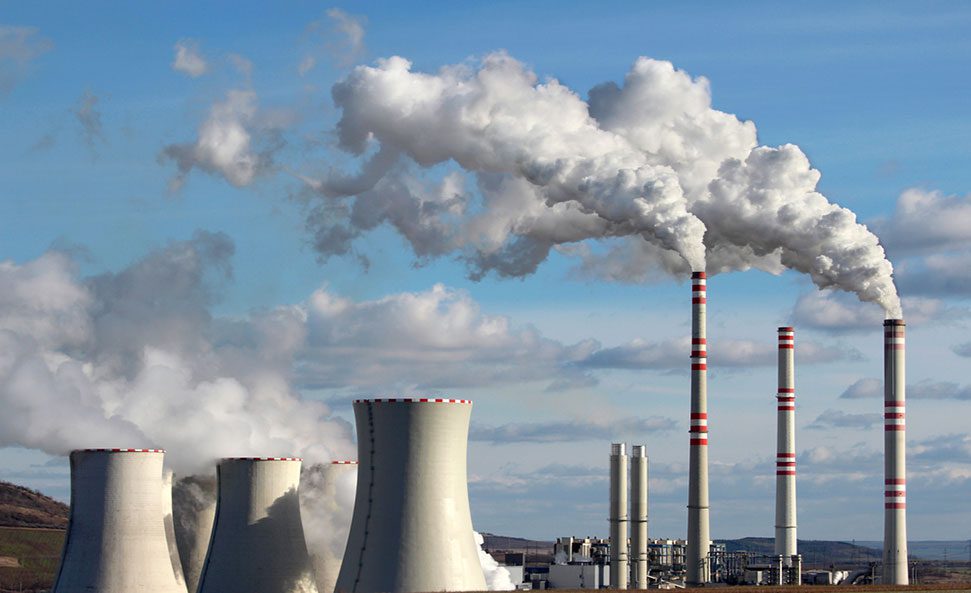
The U.S. Environmental Protection Agency’s (EPA’s) new Mercury and Air Toxics Standards (MATS) rule for power plants has critics’ tempers flaring. Not surprisingly, a number of electric power representatives, industry groups, and elected officials oppose the rule, which was released on Dec. 21, 2011.
The MATS rule, also known as the Utility Maximum Achievable Control Technology (MACT) Rule, applies to electric generating facilities that burn coal or oil and are larger than 25 MW. All existing sources will have at least three years to attain the standards, and state permitting authorities could grant sources an additional year (which the EPA expects states typically will grant), as needed for technology installation.
The new rule contains a number of major provisions. For example, it sets numerical emission limits for mercury, filterable particulate matter (as a surrogate for toxic nonmercury metals), and hydrochloric acid (as a surrogate for all toxic acid gases). The regulation also implements several important changes, such as setting work practice standards during startup and shutdown that require units to minimize toxic emissions during these times by burning “clean fuels.”
Opponents Open Fire on MATS’s Financial Impact
As far as the new regulation’s economic ramifications go, the EPA predicts that it could cost the electric power industry $9.6 billion annually and raise U.S. electricity prices by an average of 3.1% in 2015.
However, the EPA also emphasizes the financial benefits of the new rule. The agency issued a statement in December in which it declared that the new standards ensure “public health and economic benefits that far outweigh costs of implementation.” The agency estimates that for every dollar spent to reduce pollution from power plants, the American public will see up to $9 in health benefits. The EPA projects that the total health and economic benefits of the MATS rule will be as much as $90 billion annually.
In contrast, many critics of the new rule argue that it is too expensive and will trigger the premature closure of a large number of coal-fired power plants.
Scott H. Segal, an attorney and director of the Electric Reliability Coordinating Council, commented in December about the new rule. “The bottom line: this rule is the most expensive air rule that EPA has ever proposed in terms of direct costs,” he said. “It is certainly the most extensive intervention into the power market and job market that EPA has ever attempted to implement.”
Likewise, Steve Miller, CEO of the American Coalition for Clean Coal Electricity (ACCCE), complained about the rule’s impact on U.S. jobs. “The EPA is out of touch with the hard reality facing American families and businesses,” he commented. “This latest rule will destroy jobs, raise the cost of energy, and could even make electricity less reliable.”
An analysis prepared for ACCCE by National Economic Research Associates (NERA) found that the proposed MATS rule and other pending EPA regulations would destroy an average of 183,000 jobs every year from 2012 through 2020 and increase electricity and other energy prices by $170 billion. The NERA analysis also found that the average American household would have $270 less to spend each year because of new EPA regulations.
Facing an Uncertain Future
The regulation of mercury emissions from power plants has been on a rollercoaster ride in recent years. For example, in February 2008, the U.S. Court of Appeals for the D.C. Circuit overturned the EPA’s Bush-era Clean Air Mercury Rule (CAMR), which was enacted in 2005. After the appeals court’s ruling went into effect, the 2000 Clinton-era EPA determination, which mandated that utility emissions of mercury and other hazardous air pollutants be regulated under the more-stringent MACT standard, was reinstated pending the EPA developing a new MACT standard. In February 2009, the U.S. Supreme Court declined to consider the appeal brought by the Bush EPA to overturn the U.S. Court of Appeals’ 2008 ruling that vacated CAMR.
The proposed MATS rule is scheduled to become effective 60 days after the date of its publication in the Federal Register. Based on the recent heated comments from critics, it looks as if the new rule might be headed for a bumpy ride reminiscent of CAMR’s experience. It could be challenged both in court and in Congress.
For example, Sen. James Inhofe (R-Okla.), ranking member of the Senate Committee on Environment and Public Works, announced in December his intention to block the new regulation by filing a joint resolution of disapproval of the new rule under the Congressional Review Act.
“Sadly, this rule isn’t about public health,” Inhofe said. “It is a thinly veiled electricity tax that continues the Obama administration’s war on affordable energy and is the latest in an unprecedented barrage of regulations that make up EPA’s job-killing regulatory agenda.”
In the past, a number of power companies planning to build new coal-fired power plants had to put their projects on hold waiting for certainty in the mercury standards. As it stands now, with all the controversy surrounding the new MATS rule, the electric power sector may have to wait a while longer until a sensible air quality policy is implemented that successfully balances economic and reliability demands with the protection of human health.
— Angela Neville, JD, is POWER’s senior editor.