The electric power generation system is the backbone of our economy. Recently, however, sudden outages or rolling blackouts have increased. Some power producers argue that “new” environmental regulatory burdens make U.S. generation capacity even more vulnerable. Other producers argue that the direction of regulation and the need for retrofits or new technology has long been clear. Reliability regulators say that, even if the direction of regulation were obvious, some regions are power-starved and new capacity has not filled the potential void.
Generating companies, system managers, and the U.S. Environmental Protection Agency (EPA) all have roles to play in ensuring electric power reliability; however, they must coordinate their actions and policies to avoid potentially disastrous near-term supply shocks.
System Reliability Risks
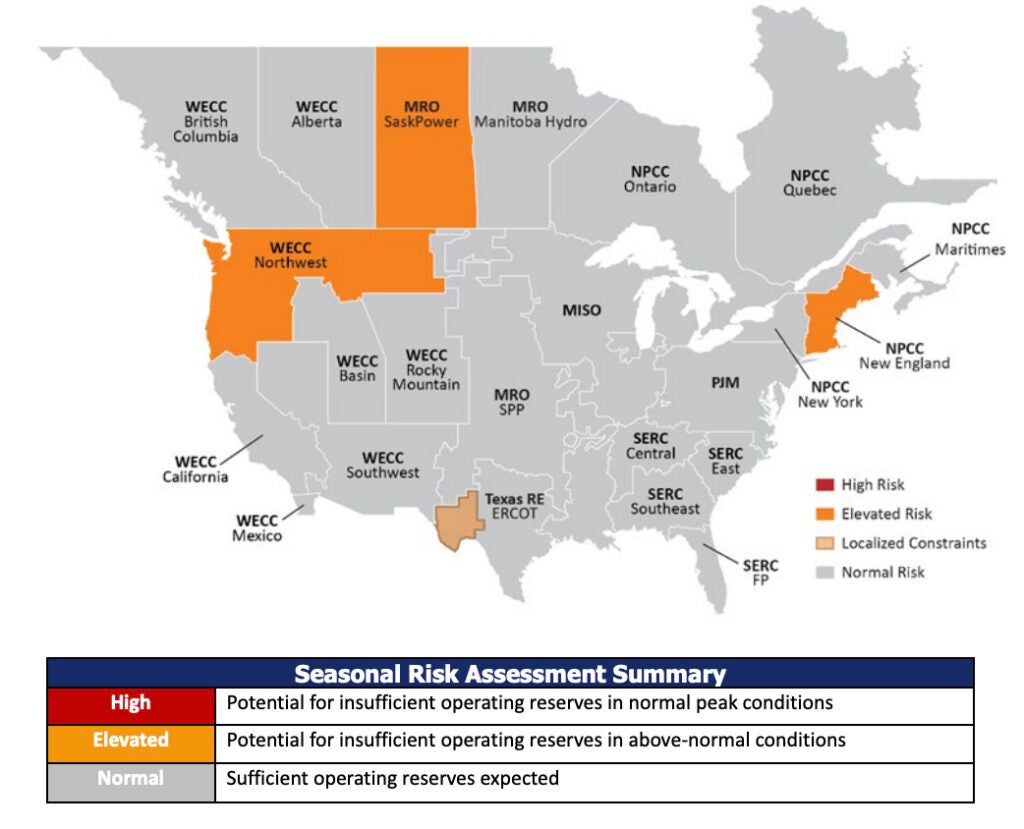
Several interrelated factors challenge the reliability of U.S. electric power production. Peak demand has grown faster than anticipated. For example, in February 2011, the Electric Reliability Council of Texas (ERCOT), the Texas grid operator, recorded a winter peak demand of 57,315 MW. Thereafter, ERCOT recorded a 2011 summer peak demand of 68,379 MW. These levels had not been projected until 2014. An economic recovery would exacerbate this trend.
Growth in demand is intensified by demanding operating conditions. The U.S. Southwest experienced severe drought conditions during 2011. It is estimated that in Texas alone, 9,000 MW of capacity is dependent upon drought-depleted water resources. If these conditions persist, up to 3,000 MW could be unavailable due to lack of water resources. Adverse operating conditions include increased output cycling in normal baseload power plants. Increased cycling is likely due to environmental emission limits and will increase maintenance and capacity outages.
Reliability issues are made more acute by inevitable retirement or retrofit of portions of the coal-powered generating fleet. Several proposed or recently effective EPA regulations will require retrofits, fuel switching, or decreased operation of coal-fired units. In the short term, 2,000 MW to 6,000 MW of capacity may be unavailable for summer 2012 due to the EPA’s Cross-State Air Pollution Rule.
Increased generation from renewables is not likely to address peak-related reliability concerns. Wind and solar are generally intermittent and require commitment of load-balancing capacity. Demand response measures are projected to provide only a fraction of potential capacity shortfalls. Increased nuclear capacity is decades away and appears politically unacceptable.
In contrast, gas-powered generation seems to appeal to several key stakeholders: environmental stakeholders (gas plants produce far lower levels of CO2, mercury, and SO2 but imply increased use of hydrofracking); elected officials (gas production will help to offset losses in coal-related jobs); and system operators (gas power provides flexibility for low production/fast ramp-up).
New Capacity Deferred
If a transition from coal is under way, why haven’t gas plants quickly filled the void? One partial answer is that in “competitive, energy only” markets such as ERCOT, the purchase price for electricity includes only the delivered power and may not provide a price signal that incentivizes the creation of new capacity or results in higher reserve margins.
Political uncertainty also undercuts these price signals. The EPA has doggedly proposed, litigated, and re-proposed rules to reduce coal-derived mercury emissions and regional transport of NOx and SO2. Just as this litigation has preserved the value of many coal-fired assets, it has also undercut investment in alternatives to coal. Current opponents of the latest EPA rules propose legislation to void the rules or defer effective dates. This strategy seems counterproductive to long-term system reliability. Legislative amendment of EPA rules creates an expectation that these and future rules may be overturned entirely. Although the political resilience of these rules suggests that repeal is unlikely, legislative tweaking of compliance schedules creates uncertainty for coal competitors and delays investment.
One EPA response has been to propose negotiation of consent decrees and consent orders that extend compliance deadlines. Such case-by-case negotiation has two potential flaws. First, compliance deferrals are, in essence, forgiveness of statutory violations. A formal exercise of enforcement discretion typically involves several stages of negotiation within and between the EPA and the Department of Justice, public notice of negotiated terms, response to public comment, and judicial approval.
This process is ill-suited to address short-term reliability and offers operators little certainty as to whether violations will be fully excused or when and how operators will exit this enforcement process. Additionally, consent decree negotiations would define the operating schedules and production from the facilities without reference to the capacity impacts from other operators’ compliance-driven retrofits or shut-down schedules. Other operators will have to make unilateral capacity-scheduling decisions or defer these decisions until the completion of EPA negotiations. Such multi-stage scheduling of investments and retirements will certainly not encourage new construction.
Instead, the EPA, regional system operators, and the Federal Energy Regulatory Commission should take coordinated action to craft schedules for retrofits and capacity reductions where necessary to ensure power availability until long-term capacity is online. This coordination is necessary not just to ensure short-term system reliability but also to more clearly define when investment in new capacity will be rewarded.
— Patrick J. Larkin (patrick.larkin@strasburger.com) is the practice leader of the Environmental Industry Team at the law firm of Strasburger & Price LLP, in Dallas.