
The power industry is experiencing unprecedented demand growth, driven largely by data centers and artificial intelligence (AI) applications. This surge is creating both opportunities and challenges for utilities, equipment manufacturers, and the broader power generation ecosystem.
As a guest on The POWER Podcast, Seth Harris, growth director for Emerson’s Power business in North America, discussed how the company is helping the industry navigate this transformative period. With 20 years at Emerson across various roles, Harris brings a comprehensive perspective on the evolving needs of power generation facilities.
The Data Center Effect
The conversation around power generation has fundamentally shifted. Data centers are forcing utilities to rethink everything. “I’m focused on the power markets, but I can’t tell you the last time I was able to have a conversation about power without somehow referencing the data center aspect of it,” Harris said.
This demand is affecting multiple stakeholders simultaneously. Manufacturers of turbines, heat recovery steam generators, control systems, valves, and instruments are all facing unprecedented orders. The challenge extends beyond simply meeting demand. Companies must rapidly scale up manufacturing capabilities and engineering resources that have been stagnant for years.
Extending Plant Lifespans
Among the things that must be rethought are decisions on existing plant operations. In some cases, power plants that were previously scheduled for retirement are now being extended. Harris noted that existing assets must now “focus on driving the most efficiency and reliability they possibly can” as the race to deliver power for AI and data center applications has made quick power delivery a top priority.
However, many owners haven’t been investing in these plants beyond the necessities, which means upgrades are often needed to keep the plants operating efficiently. “The technology has come a long way since those facilities were originally built,” Harris explained. Furthermore, operational expectations are changing. Rather than operating as baseload units, these legacy facilities may now only be called on to provide peaking or backup power, which means control systems may need upgrades to accommodate for that as well. Harris said retrofitting existing plants “has been a bit of a boom from an Emerson standpoint.”
Retrofitting with Modern Technology
The evolution of power generation technology over the past two decades presents opportunities to upgrade aging facilities. Harris explained how Emerson is bringing innovations developed for newer generation types back to legacy assets that may be 40 or 50 years old.
One example Harris mentioned involves radar technology for high-pressure drum level control on steam recovery units. This traditionally challenging application benefits from more precise measurement capabilities, enabling tighter control during startup and shutdown cycles. The result is improved reliability, especially when plants are operating near the limits of their pressure and temperature specifications.
AI Integration in Power Systems
AI is playing a dual role in the power industry—both as a driver of electricity demand and as a tool for improving plant operations. Emerson’s approach focuses on leveraging the wealth of data already available from field instruments and valves.
Beyond primary measurements like temperature, pressure, and flow rate, many modern instruments and valves contain diagnostic capabilities that are often underutilized. These device variables can provide insights into calibration health, flow profiles, and equipment condition. When integrated with AI-enabled control systems, this data becomes significantly more valuable.
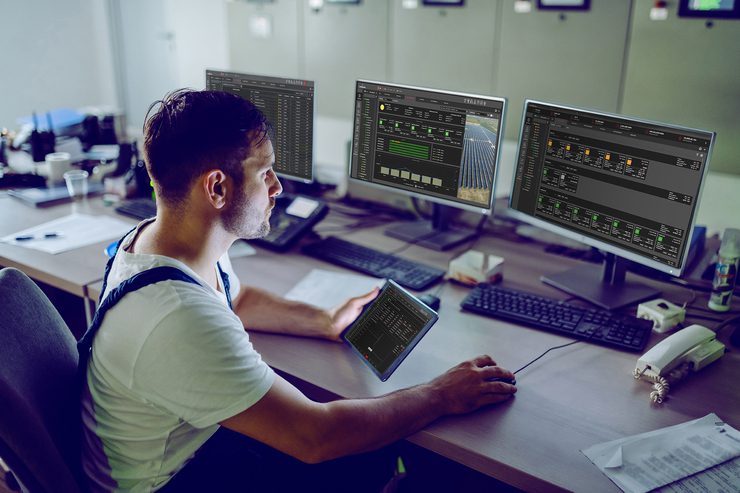
Emerson’s Ovation 4.0 platform, released earlier this year, includes AI capabilities out of the box. Harris explained that Ovation Virtual Advisor can help with everything from basic operator queries to advanced applications that capture the knowledge of experienced operators and make it available to less experienced personnel. “We like to think about it as taking your best, most seasoned operator and essentially empowering the AI engine with the expertise that seasoned operator has,” he explained.
Meeting Diverse Generation Needs
While natural gas plants and nuclear renaissance grab headlines, the reality is that diverse generation sources are here to stay. Emerson has positioned itself to serve this mixed portfolio, from wind and solar to combustion turbines and coal plants.
The company’s strategy includes native integration between generation assets and transmission and distribution systems. The Ovation Green portfolio enables utilities to optimize across their entire network, which becomes increasingly important as large data center loads come online.
Addressing Workforce Challenges
Meanwhile, the power industry faces significant workforce challenges, with experienced operators retiring and fewer technically skilled personnel entering the field. Technology can help bridge this gap through more intuitive interfaces and intelligent assistance. In addition, utility companies are building and deploying high-fidelity simulations of plants to train the next generation of operators before facilities are finished being built.
The redesigned human interface in Ovation 4.0 takes cues from consumer technology, providing screen alerts, diagnostic notifications, and prioritized alarm management. The goal is to help newer operators leverage the accumulated knowledge of retiring experts while making day-to-day operations more manageable.
Execution as Priority
Perhaps the most critical challenge facing the industry is simply execution. The demand is clear, and the future vision is understood, but the path from today’s capabilities to tomorrow’s requirements requires careful navigation.
Harris emphasized Emerson’s role as a long-term partner, providing not just equipment but also engineering resources, project management, and support throughout the construction lifecycle and beyond. As the industry navigates the remainder of the 2020s and into the 2030s, this partnership approach will be essential for meeting the power demands of an increasingly digital economy.
To hear the full interview with Harris, which contains more about Harris’s background and Emerson’s capabilities, listen to The POWER Podcast. Click on the SoundCloud player below to listen in your browser now or use the following links to reach the show page on your favorite podcast platform:
For more power podcasts, visit The POWER Podcast archives.
—Aaron Larson is POWER’s executive editor (@AaronL_Power, @POWERmagazine).