A major data center complex that would be served by new natural gas-fired generation has been given the go-ahead by county commissioners in Wyoming.
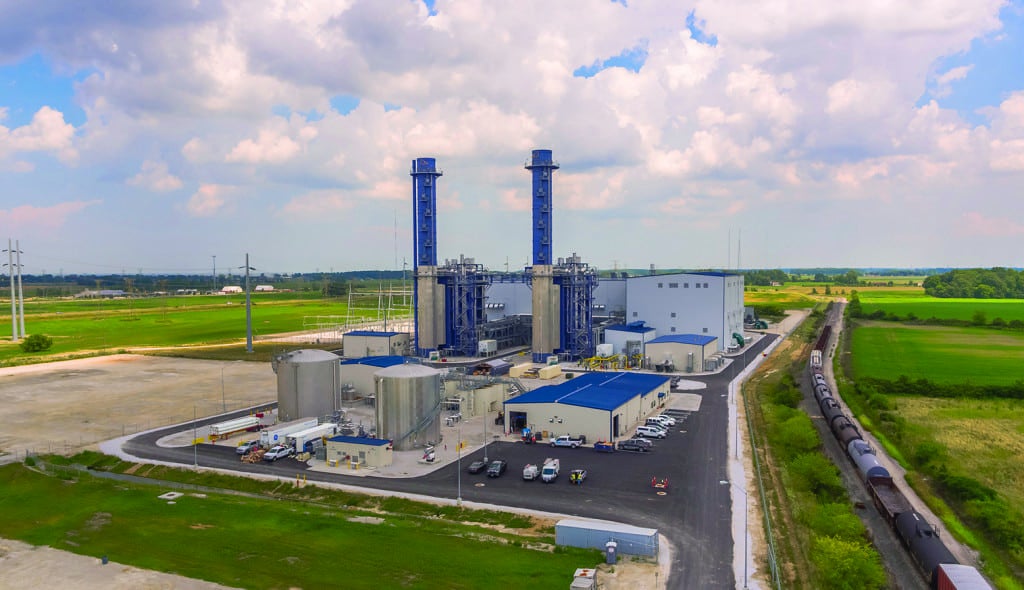
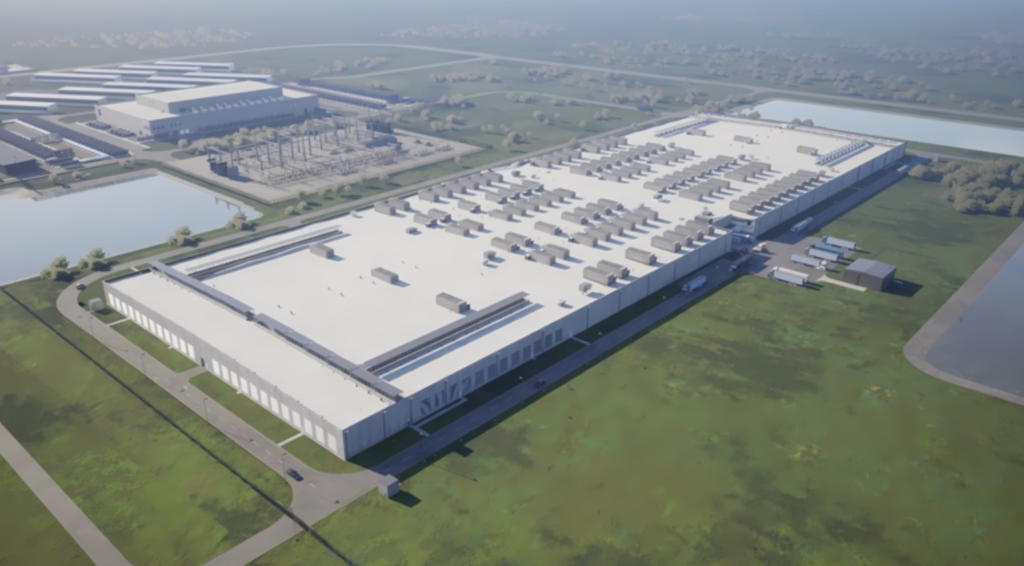
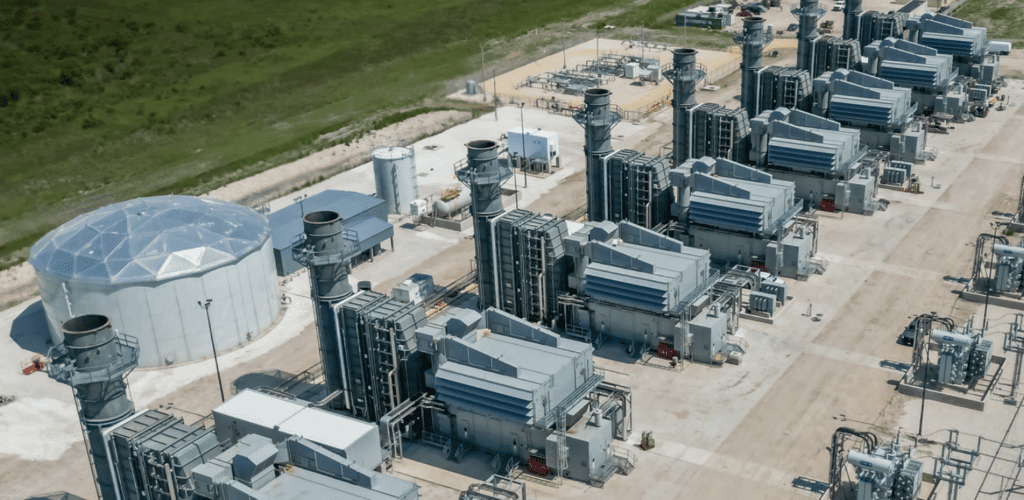
Officials in Laramie County, which includes Cheyenne, the county seat and the state capital, in a unanimous vote on January 5 approved Project Jade, an artificial intelligence data center campus proposed by Denver, Colorado-based Crusoe Energy Systems. Commissioners also greenlighted the BFC Power and Cheyenne Power Hub, which includes 2.7 GW of natural gas-fired generation capacity being developed by Tallgrass Energy.
The energy infrastructure by itself represents a $7-billion investment, according to Raymon Williams, project director for Tallgrass, also headquartered in Denver. Williams said the total capital expenditure for the data center campus is likely more than $50 billion. Williams said the development would feature a “bring your own power” model, and would be designed to be “very self-sufficient for our industrial facility,” which would lessen the impact on existing energy and other utilities in the area.
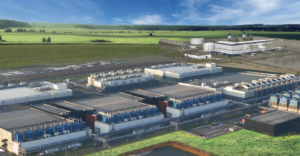
The projects would be part of the newly formed Switchgrass Industrial Park, a nearly 1,400-acre development approved in October of last year. A planning document said Project Jade will be developed on 600 acres, and would include five data center buildings, along with two support buildings and other associated infrastructure. The BFC Power and Cheyenne Power Hub site will be developed on 659 acres, and would include two gas-fired power plants along with other needed infrastructure.
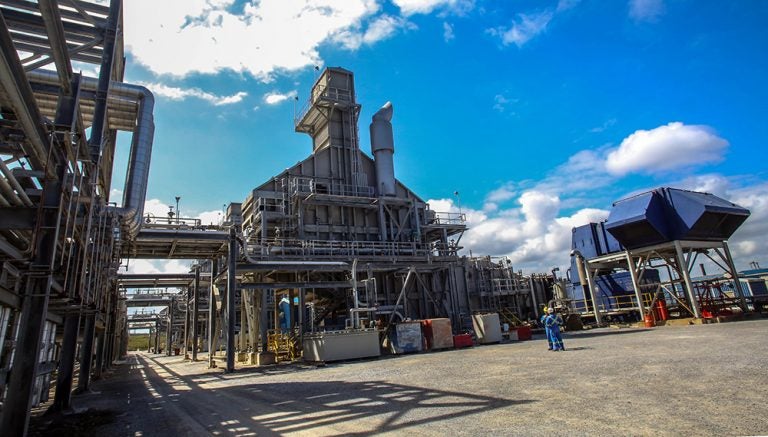
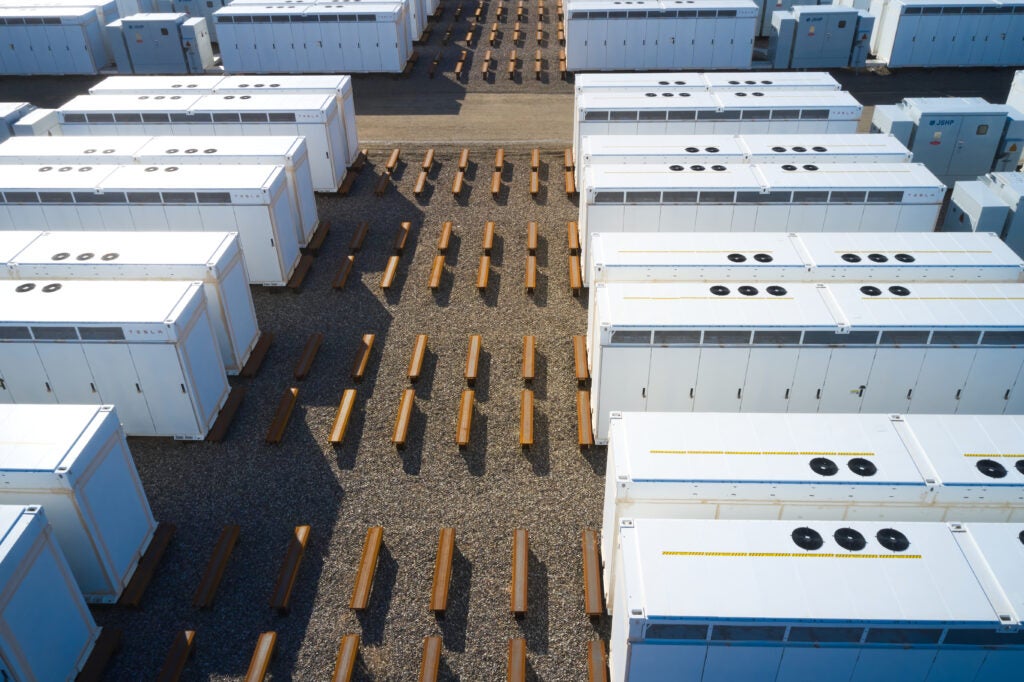
Planning documents filed last year said the BFC Power and Cheyenne Power Hub would use fuel cells from Bloom Energy, along with natural gas-fired generation, to support the data center campus. Officials have said the data center complex would be designed to eventually scale to as much as 10 GW of capacity, which would require additional power generation resources.
Local Concerns
Commissioners on Tuesday approved the development despite local concerns about the environmental and social impacts, including potential water contamination and lost views of the countryside.
The developers have said the complex would drill wells into deep aquifers to protect drinking water. It also would utilize closed-loop cooling technology, which would reduce water consumption. The data center and power station would be sited on what is now mostly pasture land.
Wyoming leaders, including Republican Gov. Mark Gordon, are in support of the project. Drew Perkins, Gordon’s chief of staff, characterized the installations as important for national security.
“One of the things that [U.S. Interior] Secretary [Doug] Burgum shared with us was that this administration believes very, very strongly that if we do not win this … race for AI, that we are conceding leadership and even dominance to China,” Perkins said.
Gunnar Malm, chair of the county board, referencing Wyoming’s history said, “For Laramie County to play a major role in that like we did with the nuclear deterrence is very, very exciting for me as a community because I’m very, very proud of our military service and what we have accomplished here for generations in Laramie County. This just continues that in a new forefront in the new age of fighting.”
Cheyenne is home to the Francis E. Warren Air Force Base, which is considered a vital U.S. nuclear defense installation.
Officials said construction of the projects will begin soon, and could employ as many as 5,000 workers. They said the first buildings at the site could be operational by mid-2027.
Crusoe said it has developed 3.4 GW of data centers, including a 1.2-GW campus in Abilene, Texas, for Oracle and OpenAI. That site is operational and expected to be fully in service this year. The company also is developing natural gas-powered data centers in Alberta, Canada.
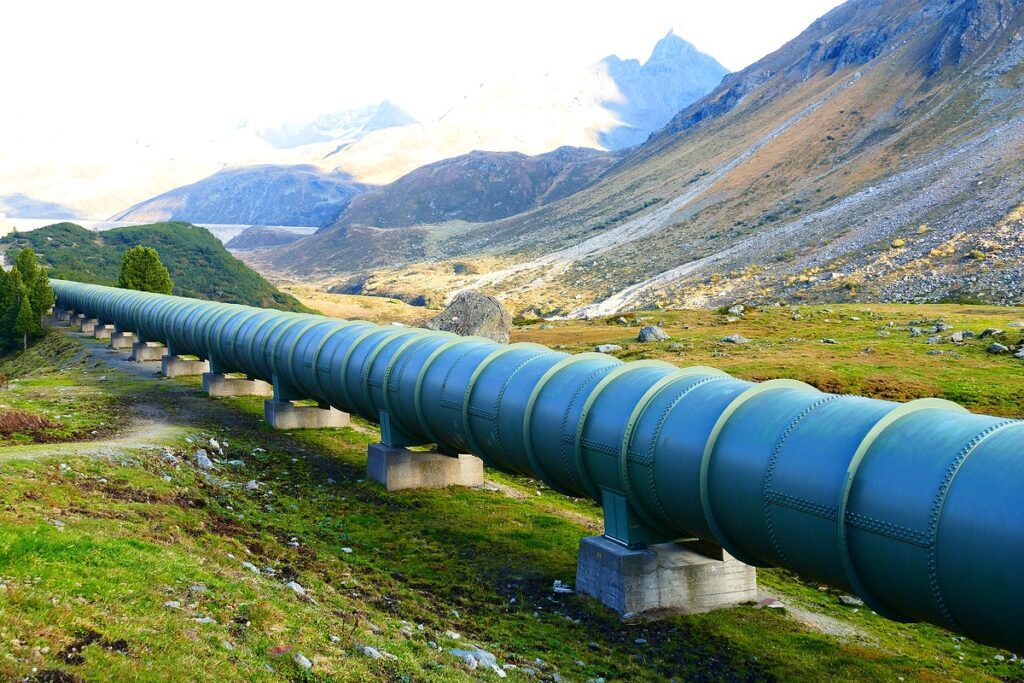
Tallgrass is best known for operating more than 7,000 miles of natural gas pipelines and gas storage systems in the U.S. The company touts its support of U.S. agriculture, and has advisors from that sector help with project planning, as much of its infrastructure is located in rural areas.
—Darrell Proctor is a senior editor for POWER.