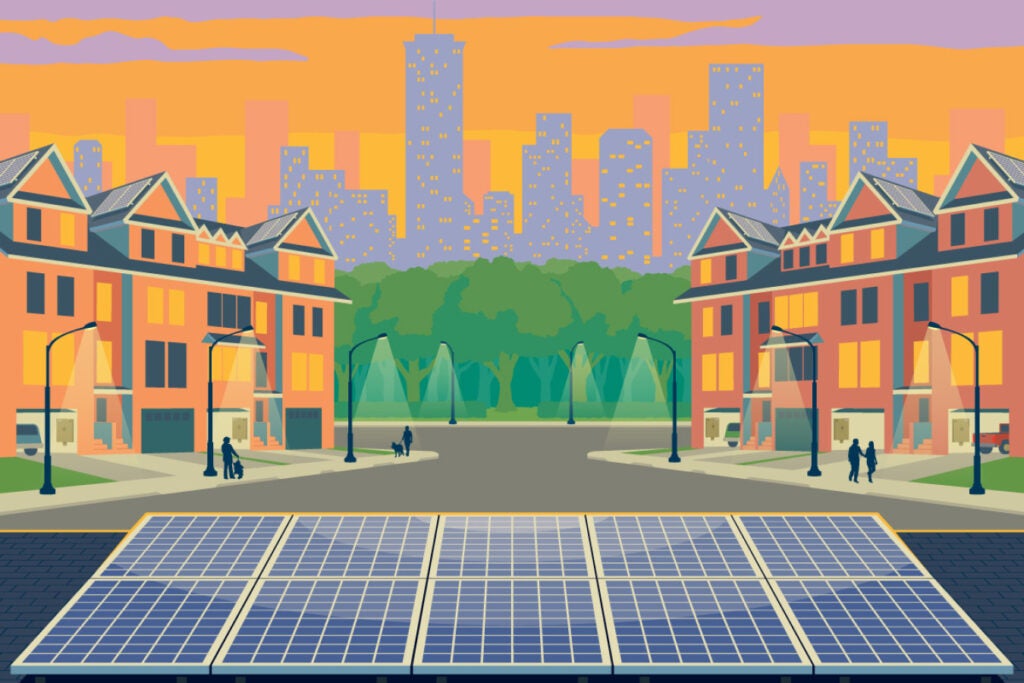
The commercial and industrial (C&I) sector has been a major contributor to the growth of solar power, as business owners look for ways to generate more of their own power, and do it in a sustainable way. Industries interested in decarbonizing their operations are adopting cleaner forms of energy; the effort has spread to the commercial housing sector, particularly in areas with dense populations.
Crauderueff Solar is a New York-based group that helps multifamily and affordable housing providers own and operate solar power projects. Crauderueff provides independent project financing, engineering and ownership services from project inception through completion. The group supports portfolio retrofits and new construction projects owned by property entities.
Rob Crauderueff, CEO of Crauderueff Solar, has more than 20 years of leadership in advancing clean energy and climate-resilient projects across New York and nationwide. Crauderueff leads the company’s strategy and oversees a rapidly growing portfolio of solar initiatives serving affordable housing providers, nonprofits, and mission-driven property owners.
Want to learn more? Click here to read how Crauderueff Solar designed and developed solar power for housing properties in New York City.
Crauderueff is an active member of the New York Solar Energy Industries Association, where he played a key role in extending New York City’s solar property-tax abatement. Prior to founding Crauderueff Solar, he served as policy director at Sustainable South Bronx, managing initiatives in clean energy, land use planning, and workforce development. Crauderueff provided POWER with insight into his company’s work and trends he sees around distributed energy in the C&I sector.
POWER: What are some of the advancements in electrical equipment you’re seeing in the C&I space (swithgear, panelboards, transformers, etc.)?
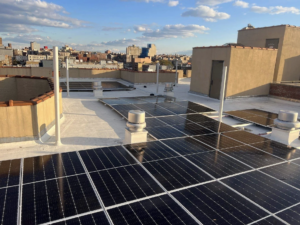
Crauderueff: With one of our biggest design challenges in the NYC being minimizing shading impacts from obstructions while maximizing energy output, one of the most important technologies that we leverage is module-level power electronics (MLPE), such as power optimizers. Their functionality and cost effectiveness provide an important advantage in these scenarios.
The data center sector further highlights the need for UPS (uninterruptible power supplies), something previously recognized as necessary for hospitals, military bases, and other critical infrastructure.
POWER: What advancements are being made in UPS?
Crauderueff: Energy reliability is a growing concern for everyone. It is no longer just hospitals and more recently data centers. With (grid operator) NYISO recently announcing that it could face power reliability issues and significant short falls that should alarm residents, UPS and BESS are of growing importance. Because these buildings are the homes for a vulnerable senior community, our design approach ensured that the PV systems are future proof for backup energy storage.
POWER: How had the trend toward decentralization impacted C&I power systems? How much reliance on the central power grid should C&I customers maintain?
Crauderueff: The trend towards distributed generation has created a significant opportunity to aggregate and scale clean energy portfolios. Just for the multifamily rooftop sector, this presents a GW-scale opportunity across the country. However, as this opportunity grows, it is critical that meaningful policies are in place so that these programs are designed to benefit vulnerable communities, both in terms of economic benefit as well as public health.
For example, policies should include requirements for both backup power onsite and grid-scale backup, along with financial incentives to make these projects pencil. This type of redundancy is a crucial ingredient for reliability, especially when it comes to life-supporting and safety equipment for vulnerable communities, like senior tenants.
As C&I solar and batteries continue to scale, the question won’t be how much reliance they should maintain on the central power grid. The question will flip to be how can the grid and distributed systems support and strengthen each other, especially as the grid is dealing with aging equipment and facing one of its biggest demand growth challenges in decades.
POWER: Many C&I customers have been transitioning to cleaner forms of energy, but is there a need to keep thermal elements such as coal and natural gas as part of the energy mix to ensure reliability?
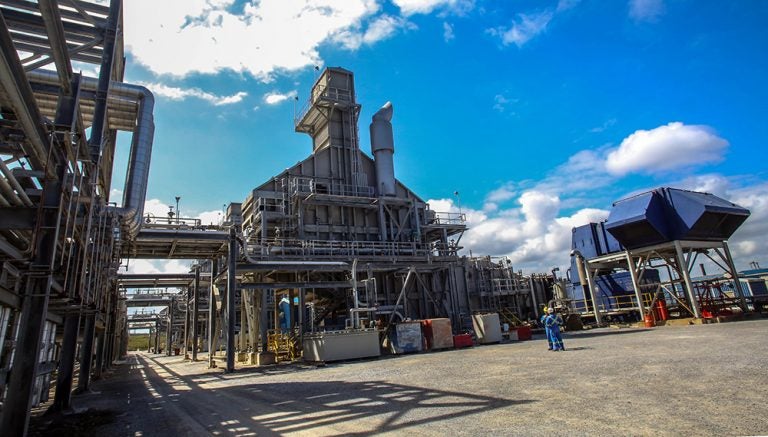
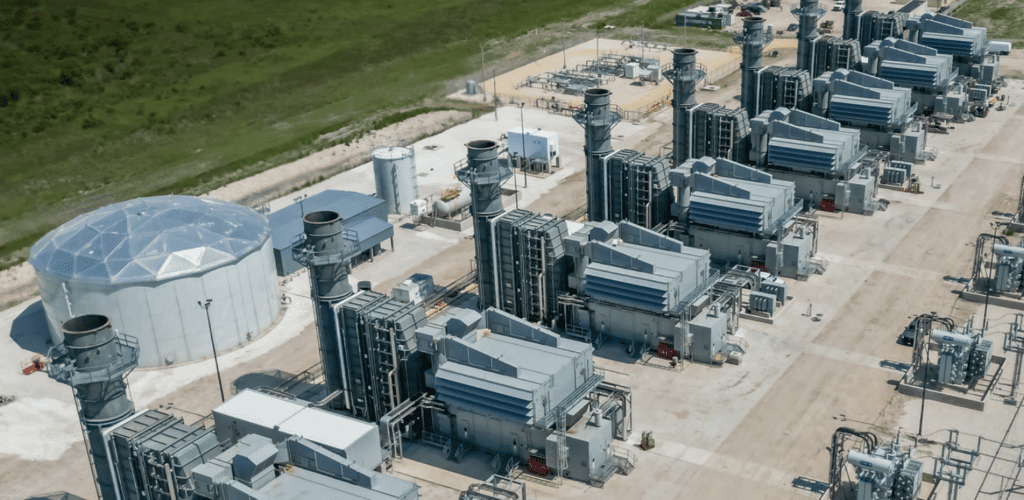
Crauderueff: Thermal elements should be minimized and phased out as soon as practical across the country. For example, the majority of power for NYC needs to be produced within city limits due to transmission constraints. Fossil fuel generation within the city causes severe pollution, while bringing in new transmission lines is expensive. Due to both these health and economic reasons, NYC is strategically transitioning away from fossil fuel generation. One such policy is the NYC Housing Preservation & Development “Solar Where Feasible” program that requires PV for properties undergoing refinancing, so long as the PV systems achieve at least a 10-year payback period.
POWER: What role could nuclear power play in C&I power systems?
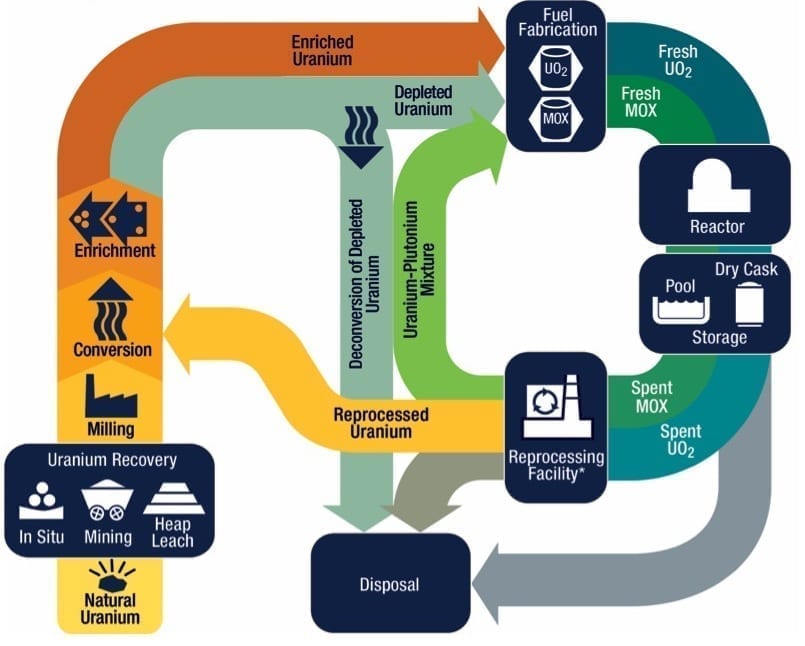
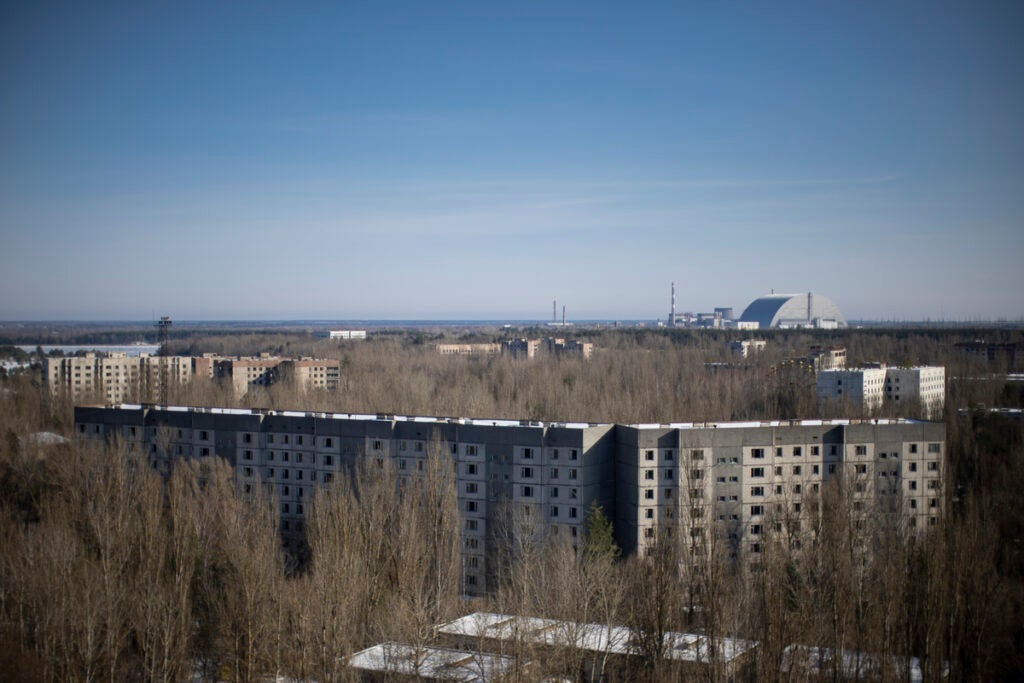
Crauderueff: Given its historical cost and timeline overruns, nuclear does not provide a cost-effective form of energy as these cost shifts are often passed along to ratepayers. Unfortunately, it is often affordable housing communities and low-income customers that can be disproportionally impacted by these cost overruns.
POWER: What role could (or should) energy storage have in the C&I sector?
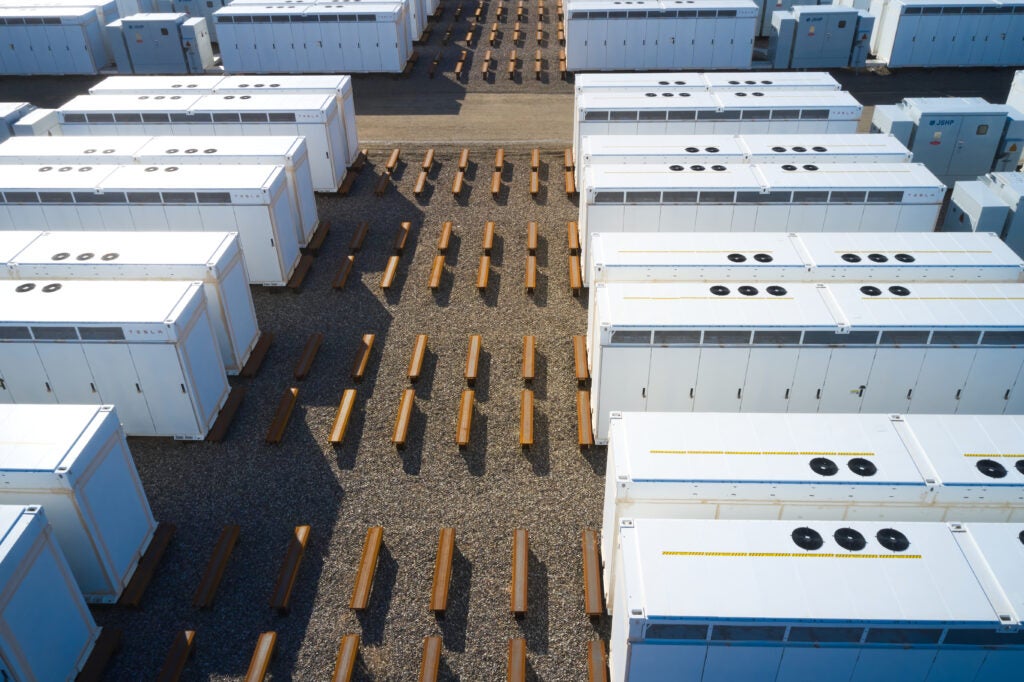
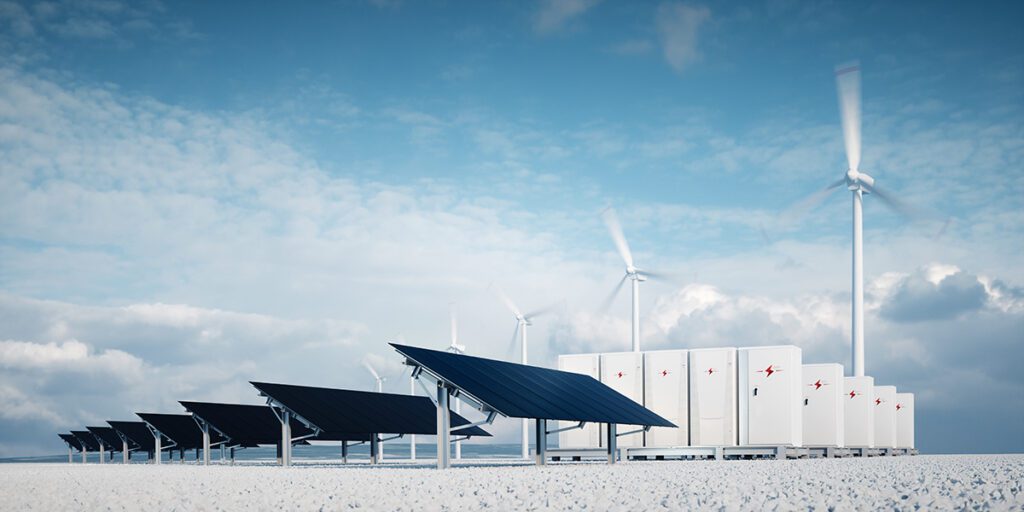
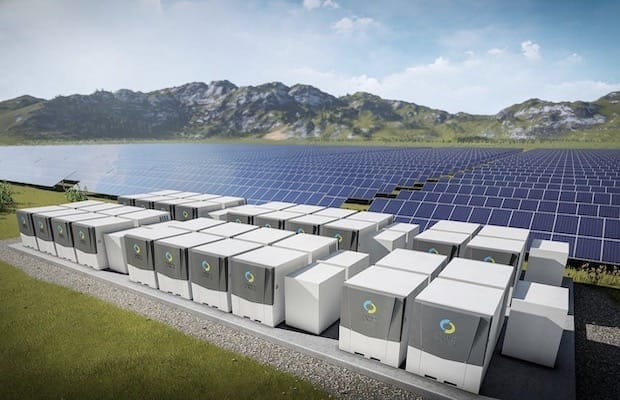
Crauderueff: There is massive opportunity across New York City and the country as a whole to build resiliency against increasingly frequent extreme weather events and support vulnerable populations. That’s one of the reasons that we envision a network of climate resiliency hubs with solar coupled with backup energy storage at affordable housing and community facilities. In addition to providing onsite back-up capacity, batteries can also be sized for incorporation into VPPs (virtual power plants) to meet the larger goal of grid reliability.
Our partner, Laudato Si Corp, the development arm of Catholic Charities of Brooklyn and Queens, is interested in piloting one storage project at a senior housing property to help strengthen energy independence and protect its tenants during grid blackouts.
—Darrell Proctor is a senior editor for POWER.