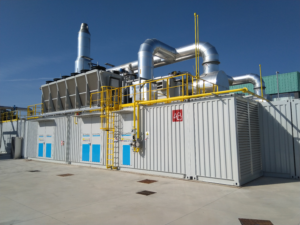
For decades, most large electricity users in the U.S. relied on the grid for the vast majority of their power needs. As long as the grid could deliver reliable, affordable power, there was little reason to think differently. Now, electricity demand is rising faster than new generation, transmission and distribution infrastructure can often be planned, permitted and built. A grid interconnection is no longer a given.
COMMENTARY
My conversations with data center developers, manufacturers and industrial operators that once focused on energy costs and efficiency now begin with: How quickly can we secure reliable power? The answer is shaping where and how projects are built. To supplement grid power, more operators and developers are turning to a range of distributed generation resources as part of their long-term energy strategy.
The Return of Cogeneration
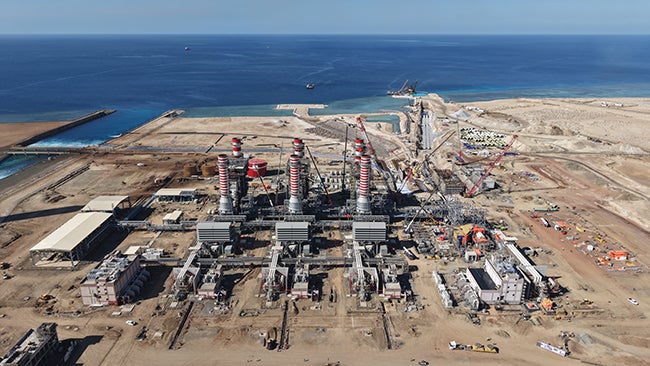
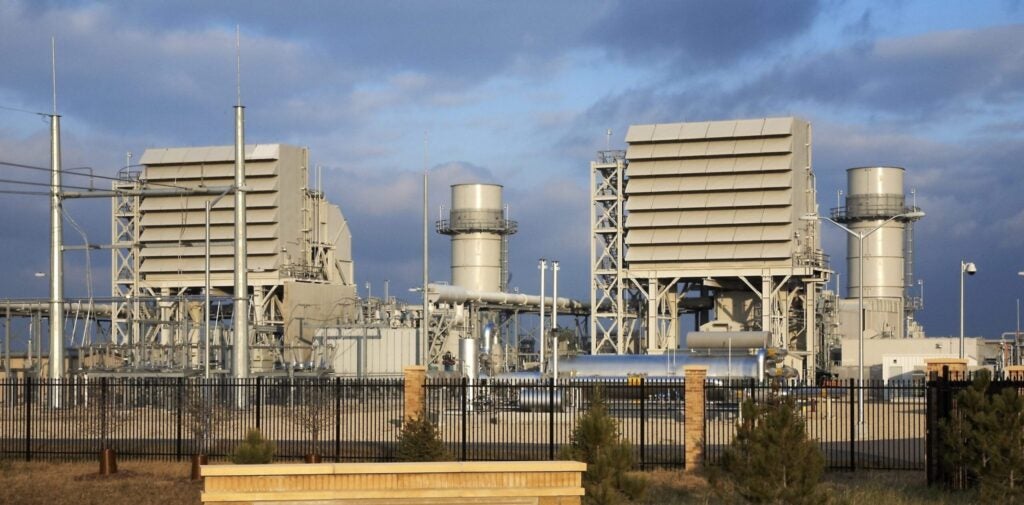
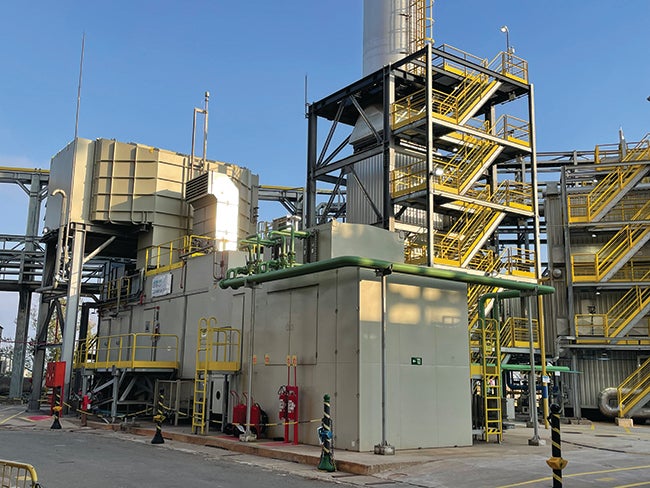
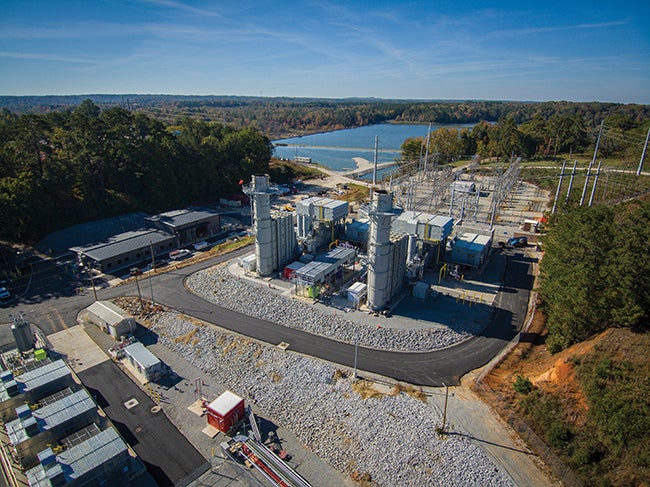
This growing need for distributed generation is making an established technology newly relevant: combined heat and power (CHP), or cogeneration. Cogeneration has quietly powered manufacturers, hospitals, universities and other mission-critical facilities for decades. Nearly 80 GW of CHP capacity operates across more than 4,000 sites in the U.S.
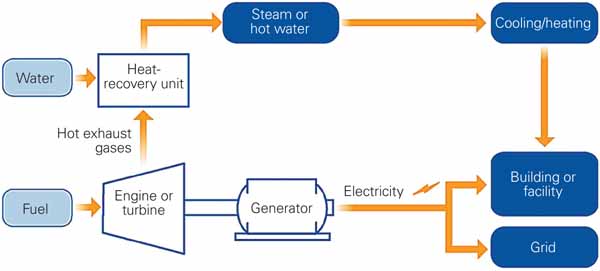
At its core, CHP is a more efficient way to use fuel, and in North America, that fuel is most often natural gas. A cogeneration plant generates electricity onsite while capturing heat that conventional power generation would otherwise waste. Instead of letting energy escape through exhaust, it puts heat to work as useful thermal energy.
But efficiency is no longer the only consideration. Today’s reciprocating engine-based CHP systems combine efficiency with the operational characteristics many large energy users now need: continuous prime power, rapid response to changing loads, modular scalability and the ability to integrate with other onsite energy assets.
As grid access tightens, we’re seeing organizations prioritize speed-to-power and reliability, and as a result, evaluate technologies like cogeneration that they may not have considered just a few years ago.
Power, Cooling, and the AI Data Center
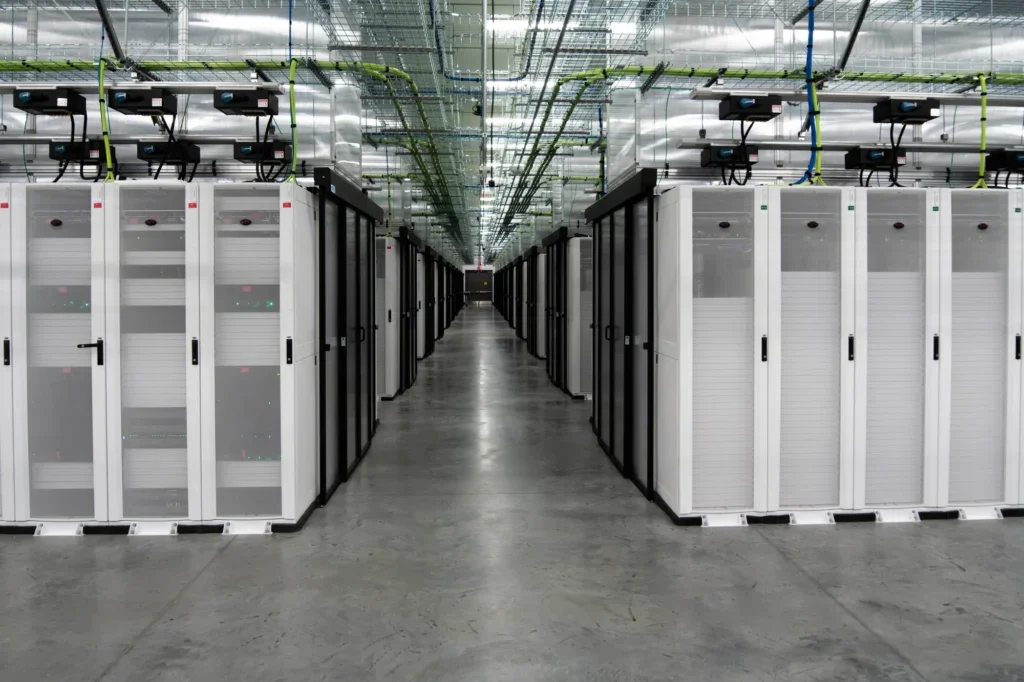
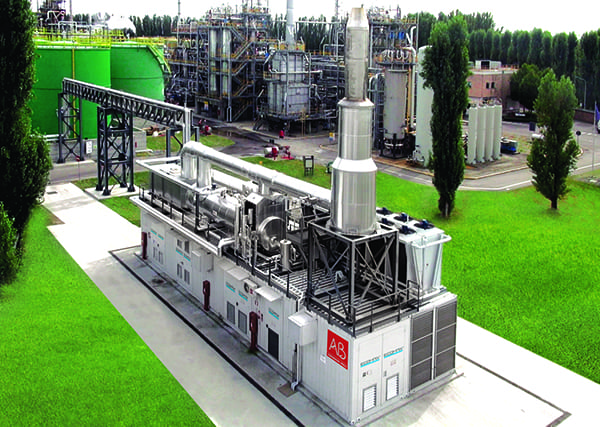
In data center applications, cogeneration is only part of the story. For many developers and operators, the conversation is expanding to trigeneration, which takes cogeneration a step further, using recovered heat to drive absorption chillers. With trigeneration, a single natural gas fuel source can then deliver electricity, useful heat, and cooling in an integrated system.
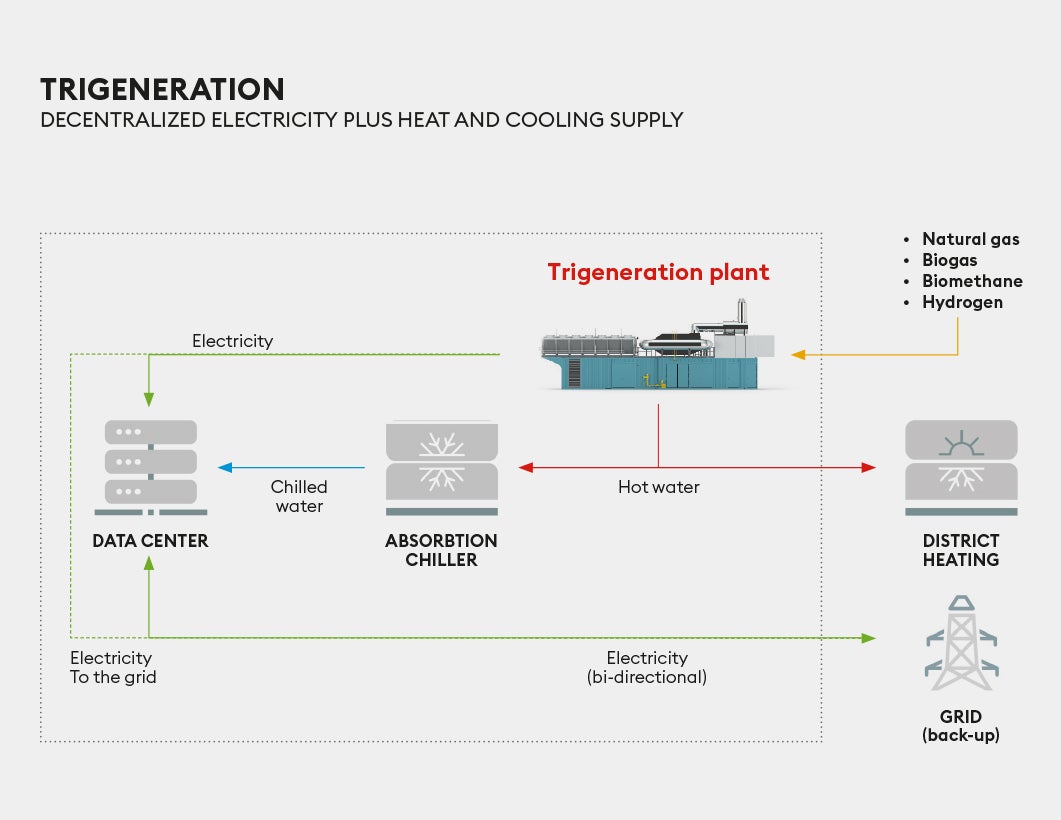
Every new rack added to an AI campus increases both electricity demand and the amount of heat that needs to be removed. As computing density rises, power supply and thermal management become two sides of the same engineering challenge. Data centers need power sources that can operate continuously to maintain uptime, and they need high-efficiency cooling that protects servers.
Trigeneration reduces the electricity required for cooling, improves power usage effectiveness (PUE), and, through hybrid or dry-cooling configurations, can significantly reduce water consumption. As data centers expand into new regions, minimizing water use is often just as important as minimizing energy use, making power, cooling and water an increasingly integrated design challenge.
Modernizing Onsite Generation
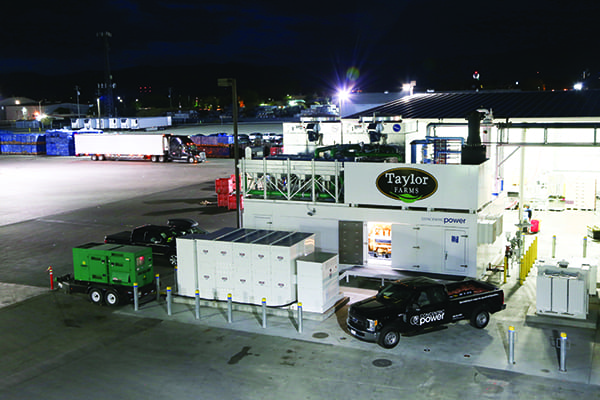
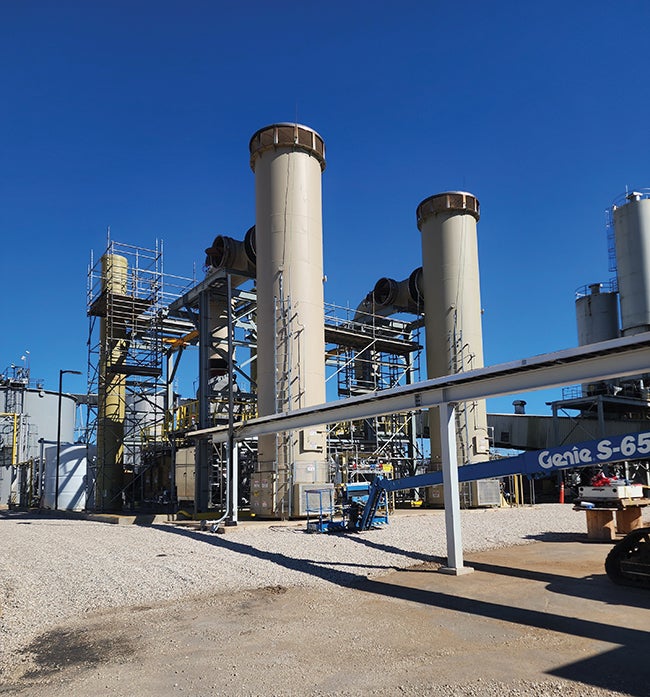
As customer requirements have changed, CHP technology has evolved alongside them. Many people still picture cogeneration as a large, custom-engineered industrial plant. Increasingly, it looks more like modern infrastructure: factory-assembled, containerized power modules that can be expanded over time if an AI campus or manufacturing facility is scaling in phases.
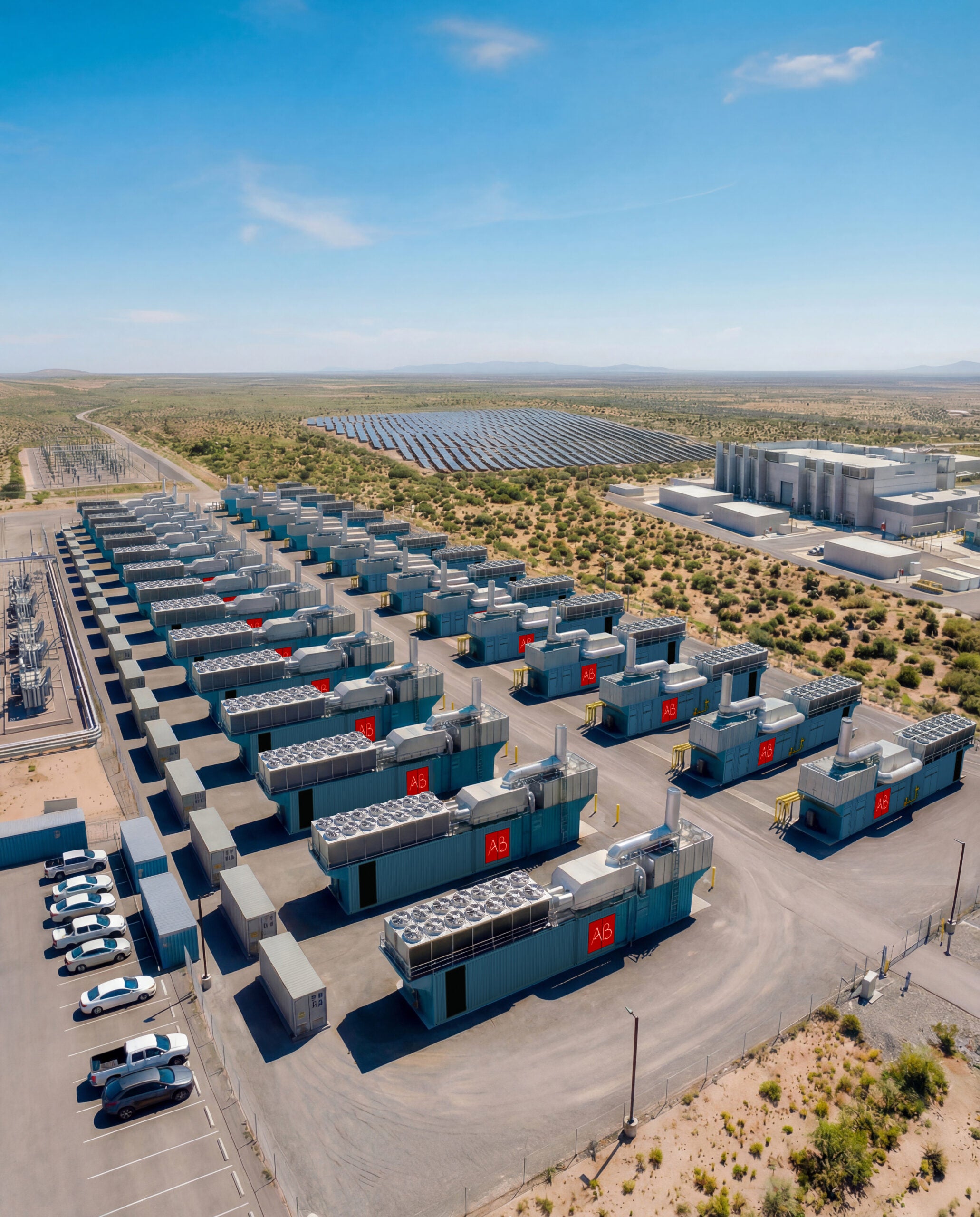
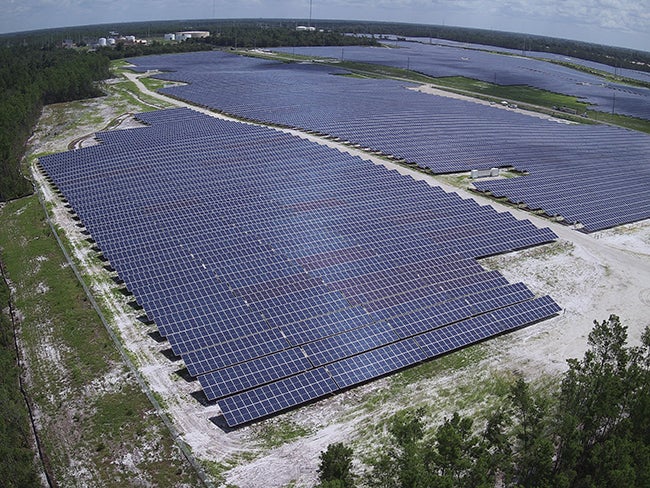
Just as important, modern CHP systems are designed to operate alongside other distributed energy technologies. A campus may combine natural gas-fired CHP with battery storage, solar generation, UPS systems and microgrid controls. Each asset serves a different purpose. Batteries provide fast response and flexibility. Renewables reduce carbon intensity. CHP delivers continuous onsite generation and reduces peak demand draw from the grid while making more productive use of fuel.
The value comes from how those resources work together. A well-designed system can operate in parallel with the grid, support islanded operation when needed and give owners greater control over reliability, efficiency and future growth.
The Next Chapter of Power
For more than a century, electricity largely followed a one-way path, from the power plant to the customer. The next chapter is already looking a lot different. Some of the country’s largest electricity users are increasingly becoming part of the generation strategy, producing a portion of the power they need while remaining connected to the grid.
That broader shift is why cogeneration is re-emerging. While the core principle of the technology hasn’t changed, its role in the market has. With a grid under pressure to grow faster, operate more flexibly and support a new generation of energy-intensive industries, cogeneration is finding renewed relevance as one of the technologies that can help meet those demands.
—Giuseppe Fiorella is Chief Commercial Officer for AB Energy USA.