By Thomas Seeber, Managing Director, Data Center Power Solutions, INNIO
How flexible, decentralized power solutions can help communities support AI growth without compromising grid reliability or local water resources
America’s race to build the infrastructure needed for artificial intelligence does not have to collide with quality of life and sustainability. Today, residents, local officials, utilities, regulators, and advocacy groups are increasingly demanding clear answers on electricity costs, grid reliability, water consumption, emissions, and noise. The good news is: the technological answers do already exist.
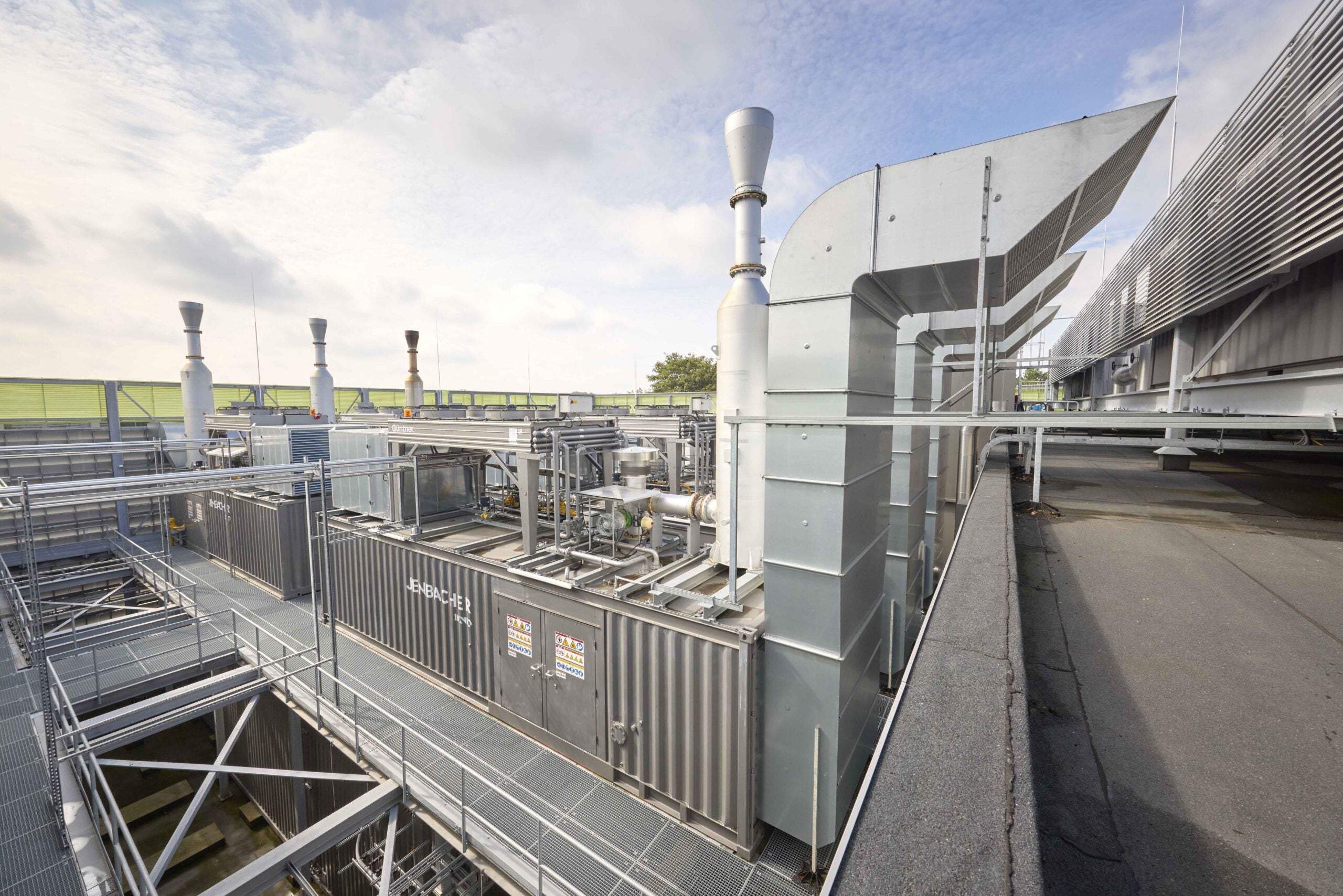
U.S. data center power demand could rise from approximately 40 GW in 2024 to more than 100 GW by 2030. At the same time, AI is changing the operating profile of that demand. As training and inference workloads fluctuate, power systems must ramp up and down accordingly while maintaining mission-critical voltage, frequency, and reliability.1,2
The issue is therefore not simply whether sufficient electricity can be produced. It is whether reliable power can be delivered without shifting undue cost, grid strain, water demand, or infrastructure risk onto the communities asked to host the facilities. Increasingly, that is the benchmark against which new data center projects will be judged.
Those concerns do not argue against growth or on-site generation. Instead, they underscore the importance of choosing the right power architecture. As AI-driven demand grows, developers need solutions that can deliver dependable capacity, operate independently of the grid, follow variable AI loads, and reduce water use, emissions, and noise. Behind-the-meter generation can play an important role in meeting those requirements.
Water Has Become a Defining Local Concern
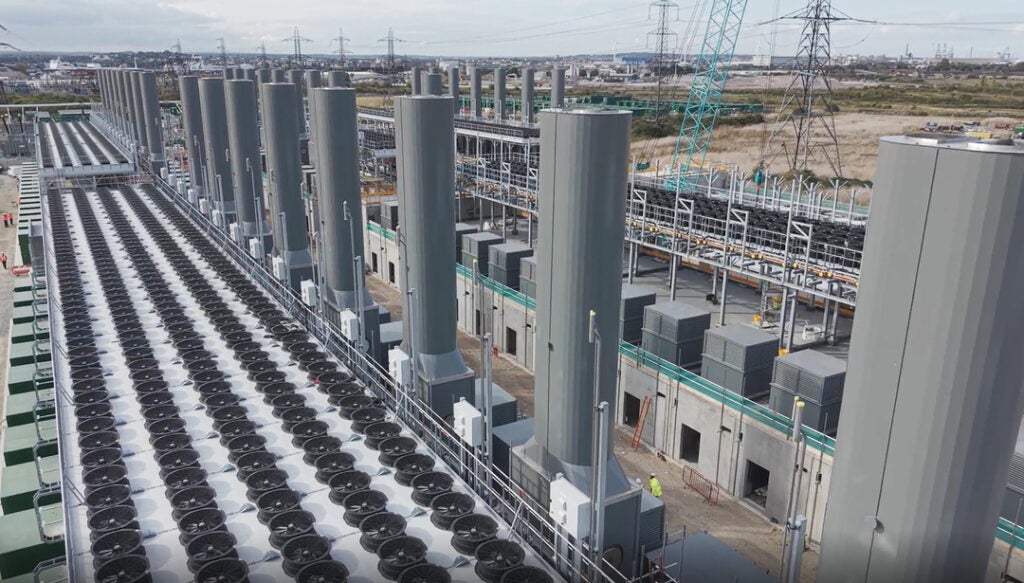
Water availability has become a growing concern in some communities evaluating new data center projects. INNIO’s Jenbacher address the power-generation side of that challenge without relying on continuous water cooling. A closed-loop dry-cooling system is filled once with approximately 4,500 liters (about 1,190 gallons) of treated water and long-life coolant. The fluid is recirculated, does not normally evaporate, and can remain in service for up to 30,000 operating hours with only minor replenishment during maintenance. As a result, recurring water demand associated with power generation is clearly lower than with more water-intensive alternatives.⁴ To put this into perspective, a 1 GW INNIO power plant requires less water in an entire year than a single average U.S. household consumes annually.
Time-to-Power Now Includes Community Confidence
Time-to-power traditionally has meant how quickly a site can secure enough electricity to operate. Projects without credible answers on grid effects, water, emissions, noise, and local cost exposure can encounter opposition, redesign, or delay. Developers increasingly choose behind-the-meter power because it helps address those concerns. Community confidence has become part of time-to-power.
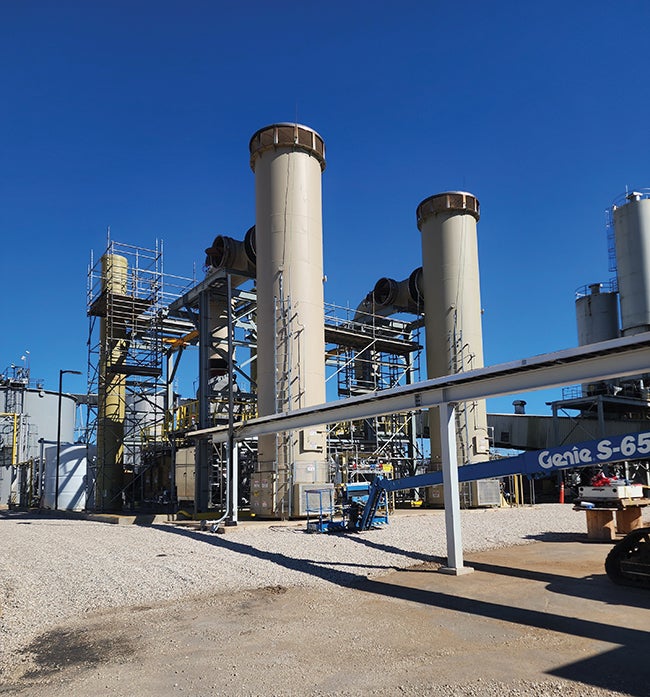
The grid remains essential, but transmission construction, permitting, generation retirements, and supply-chain constraints mean capacity cannot always arrive when projects need it. INNIO’s behind-the-meter power plants address this challenge by providing a fully off-grid energy solution for data centers. Operating independently of the local electricity grid, they do not place additional demand on local infrastructure or impact electricity costs for the surrounding community.
“The grid will remain fundamental, but communities should not be asked to carry the full burden of AI growth. Decentralized power can help data centers secure mission-critical capacity while protecting the reliability and resources their neighbors depend on. Behind-the-meter exists not only because the grid is constrained today. It exists because it offers structural advantages that remain valuable even in a future with stronger grids. Even in a future with stronger grids and additional centralized generation, BTM power continues to offer meaningful advantages for communities and operators alike, enhancing resilience, flexibility, scalability, and local impact.”
Thomas Seeber, Managing Director Data Center Power Solutions at INNIO
Why Gas Engines Are Part of the Solution
Community pushback is not an opposition to growth. It is a demand for projects that limit water use, emissions, noise, and grid strain. Behind-the-meter gas-engine systems can help provide capacity quickly, operate independently of the grid, follow variable loads, and help reduce community impacts.
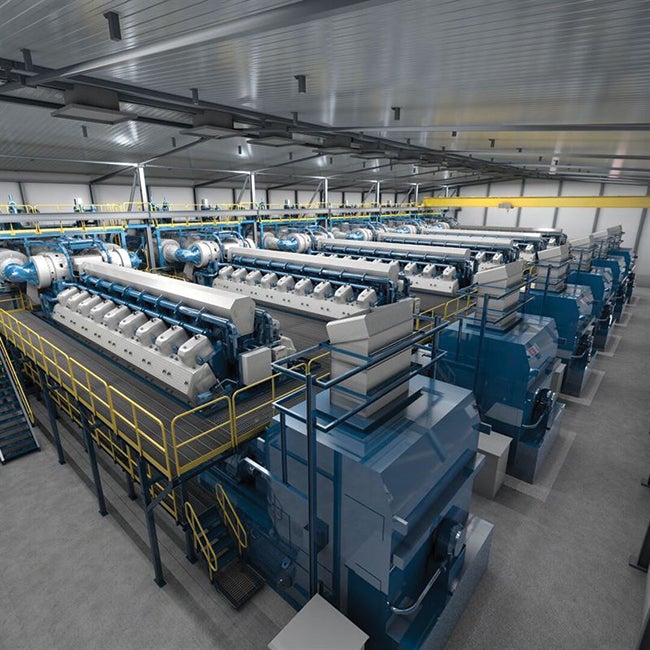
INNIO’s gas engine technology provides decentralized, reliable power for mission-critical operations, including airports, hospitals, municipalities, and AI data centers. INNIO’s Jenbacher solutions can operate with or without grid connection and scale alongside campus development. Pre-engineered modules can expand to several 100 megawatts, allowing capacity additions as data halls come online.⁶
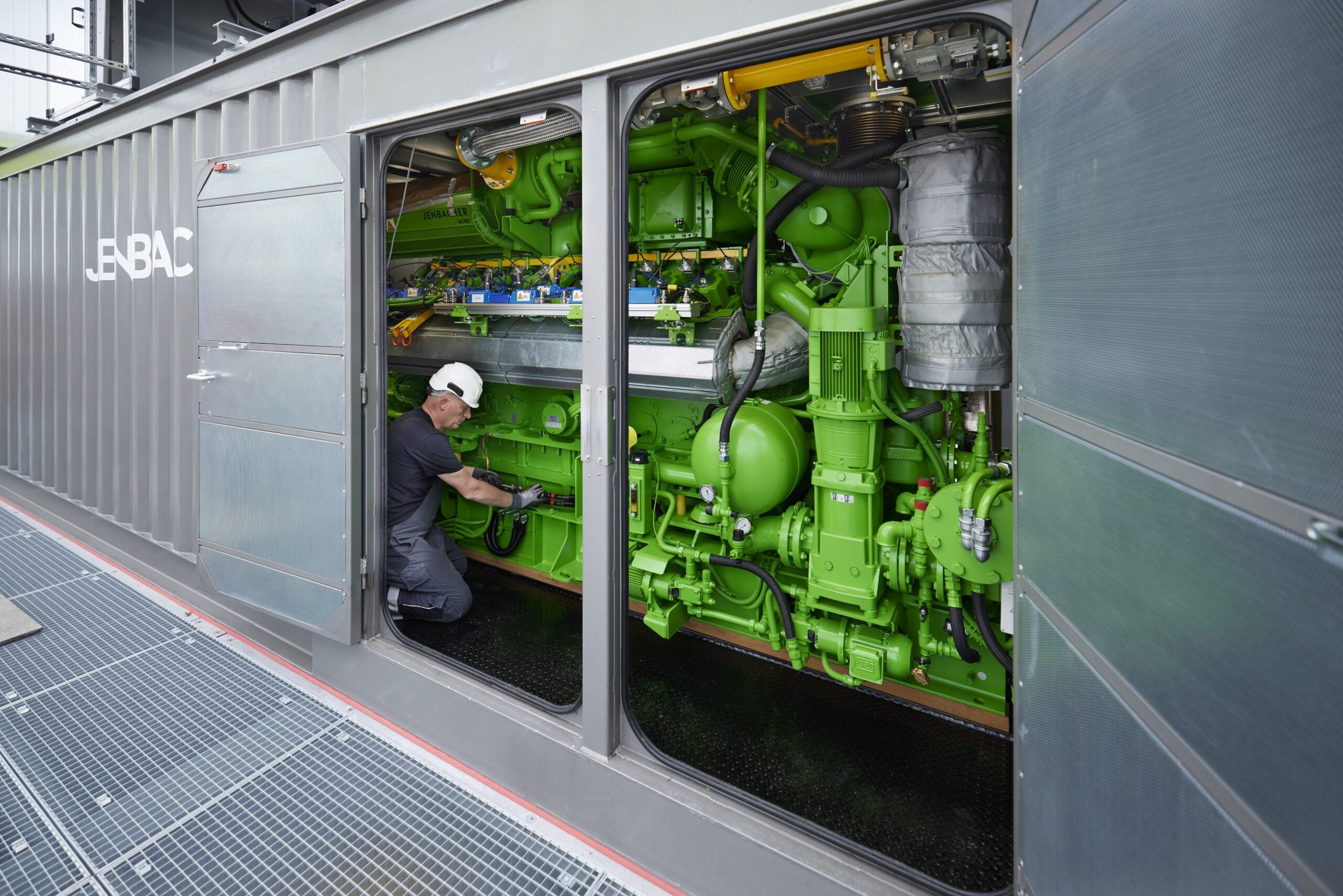
Only the engines needed at a given time must run, reducing unnecessary generation, while maintenance or faults can be isolated at the module level. Jenbacher 5-MW class engines provide fast startup, strong transient response, and efficient part-load operation, reaching first load in approximately 15 seconds in backup applications.⁴ Their dry-cooling design avoids continuous water consumption for power generation. Emissions controls and acoustic attenuation help address local air-quality and noise requirements, while gas engines can provide lower-emissions generation than conventional diesel backup across multiple operating roles. They can also be converted to operate on up to 100% hydrogen, preserving a future fuel pathway without delaying deployment today.⁷
From Technology to Execution
Technology is credible only when it can be delivered and serviced at scale. INNIO operates across approximately 100 countries with more than 1,600 service specialists. North American facilities in Welland, Ontario; Waukesha, Wisconsin; and data center containerization centers in Trenton, New Jersey, and Waller, Texas, support local execution and reduce supply-chain risk.8
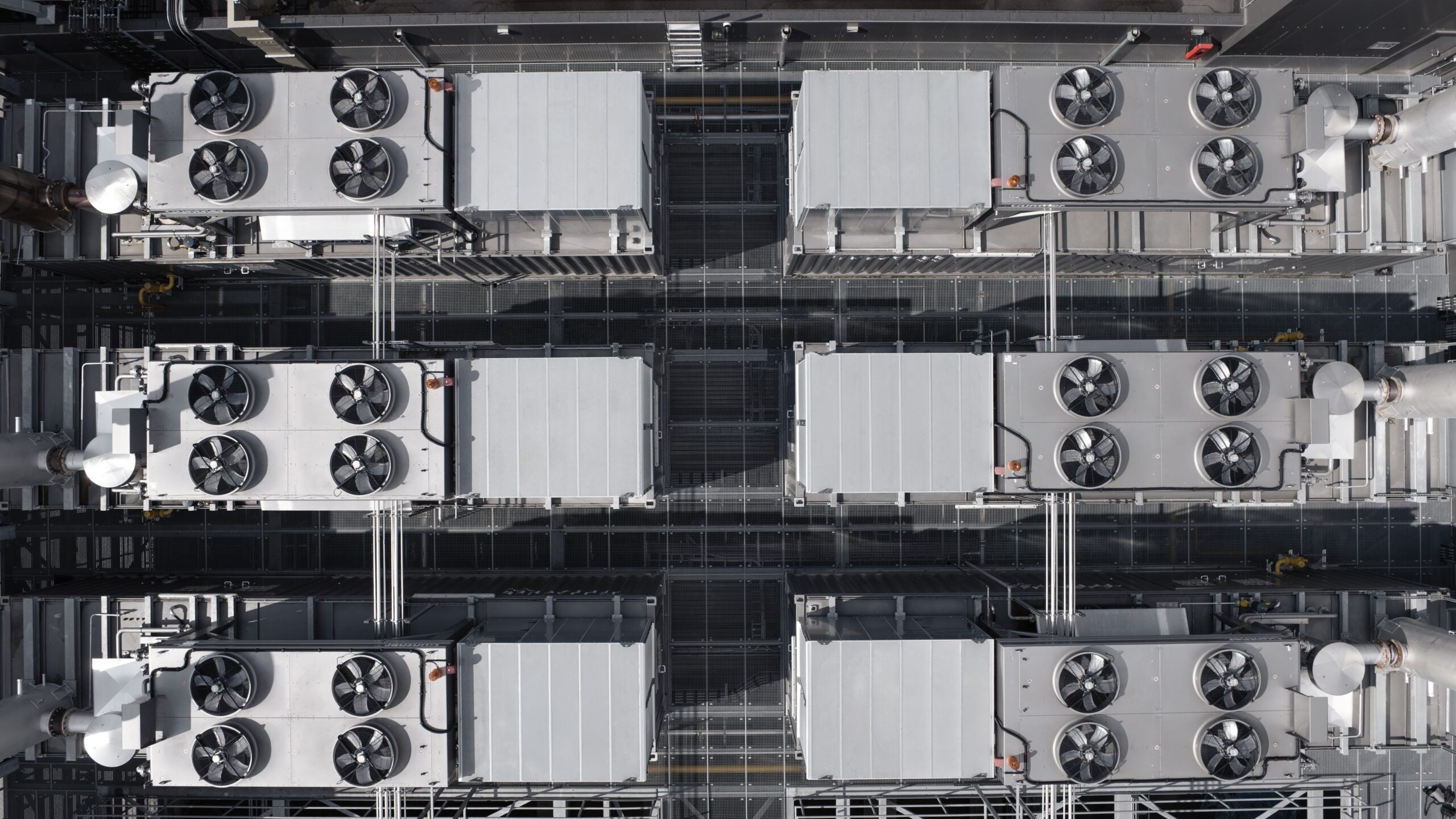
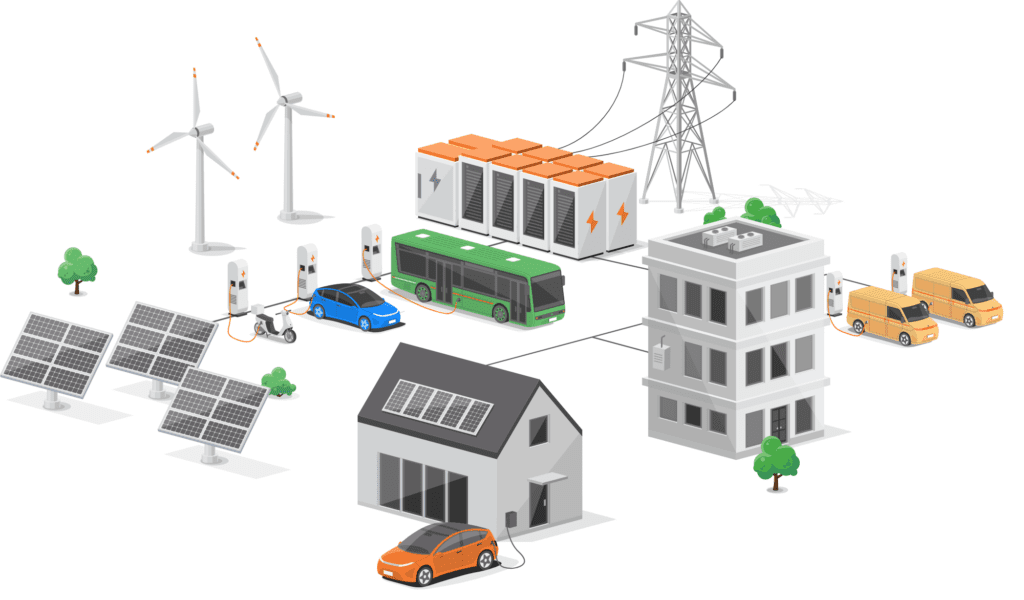
The AI economy will require the grid, decentralized generation, storage, renewables, and future fuels to work together. By bringing dependable capacity closer to demand, behind-the-meter gas engines can improve developer certainty, help utilities manage load growth, and give communities confidence that new infrastructure will not strain the systems on which they rely.
Technology-neutral planning should evaluate each proposal’s full footprint: reliability, deployment speed, water, emissions, noise, transmission, and resilience. By that measure, gas engines are part of the solution.
Learn more about INNIO