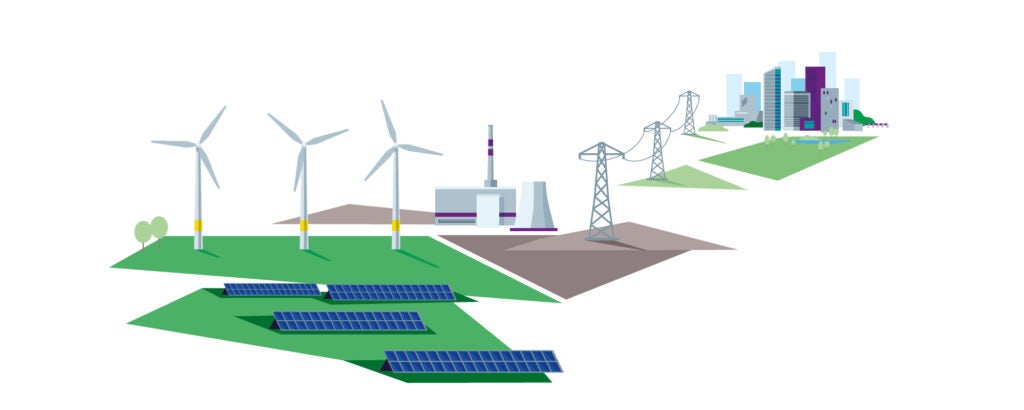
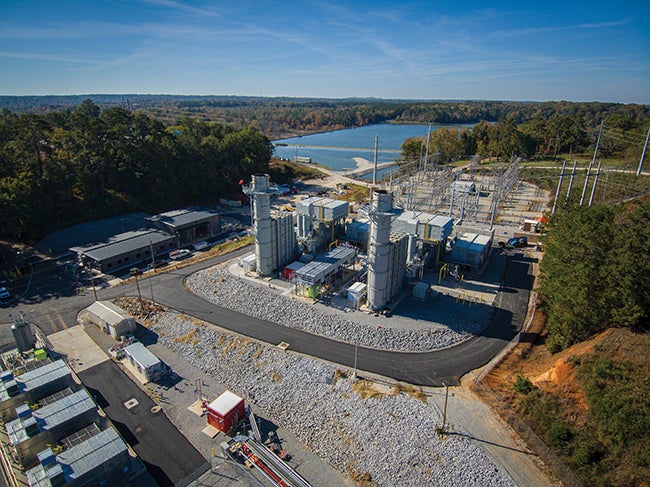
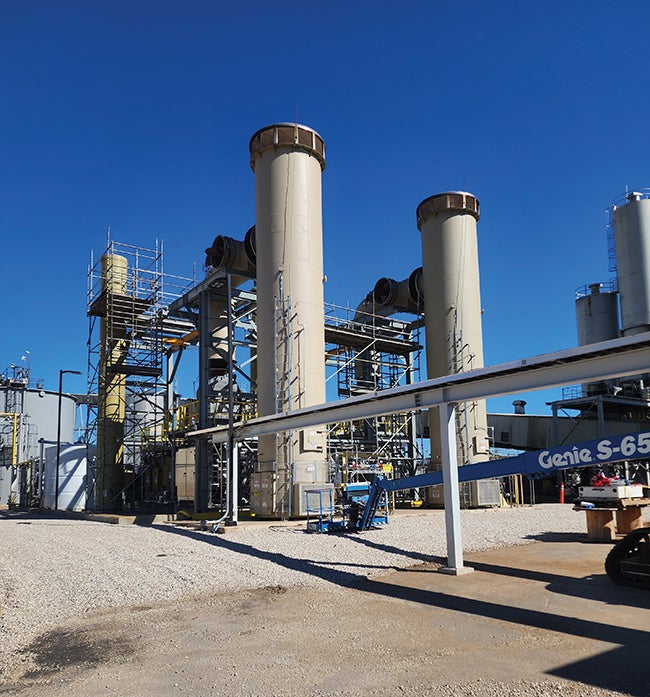
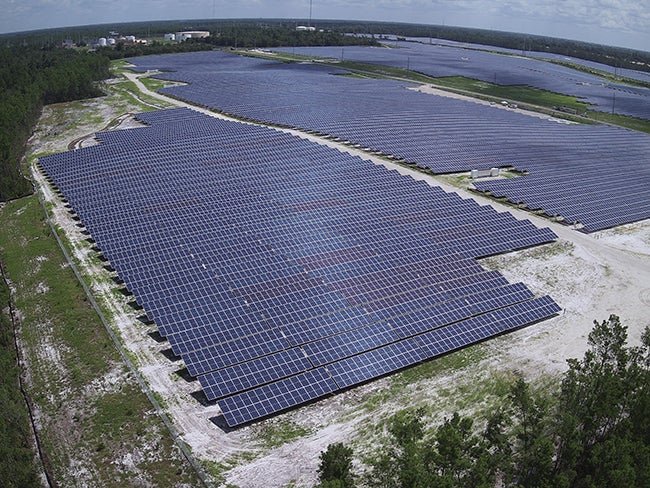
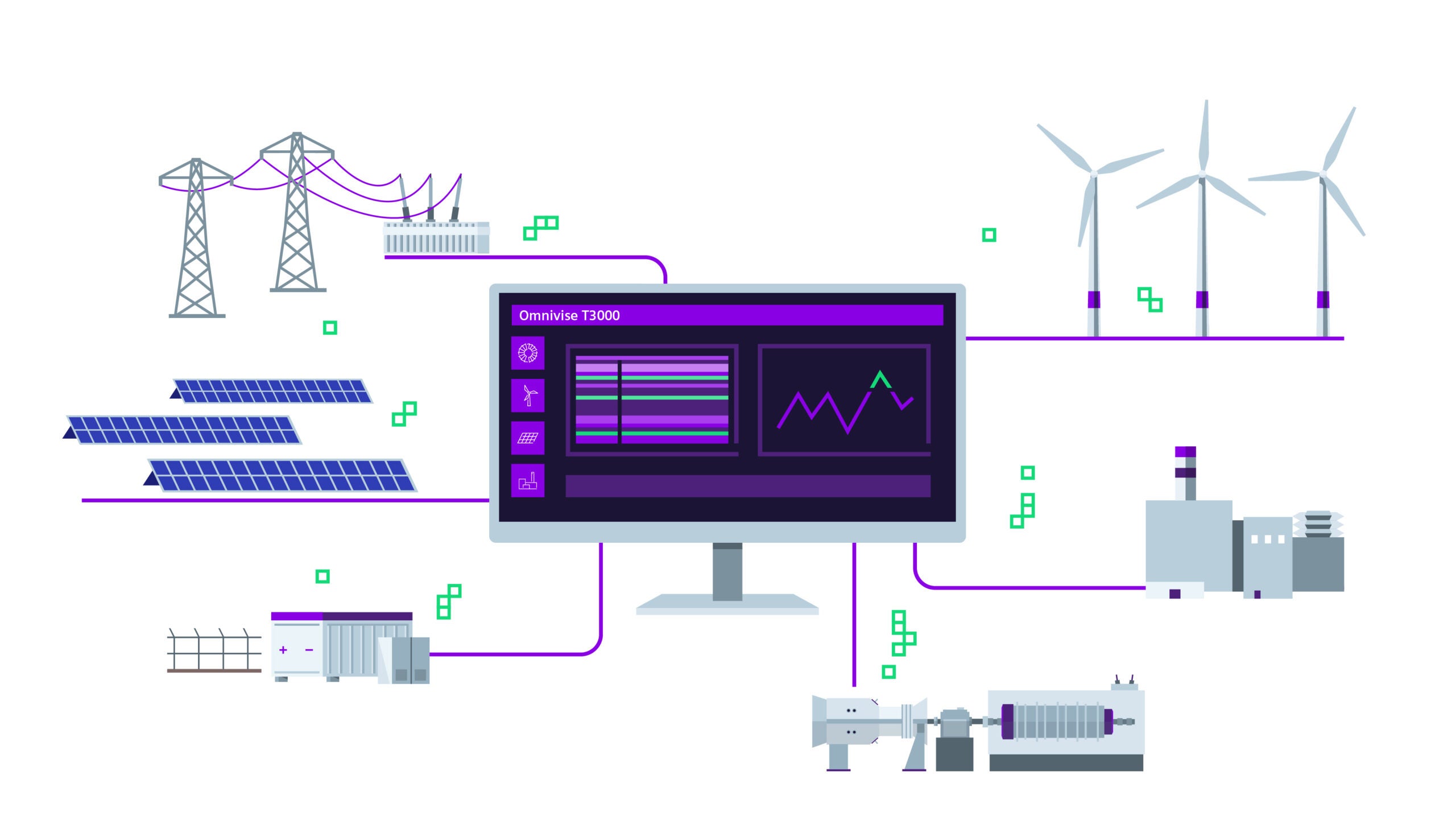
Power generation is no longer a single-technology business. A utility that ran combined cycle gas plants five years ago is now as likely to be balancing wind, battery storage, and grid-support services from the same control room. The assets are more varied, the interfaces more numerous, and the demands for keeping it all synchronized and secure have grown accordingly.
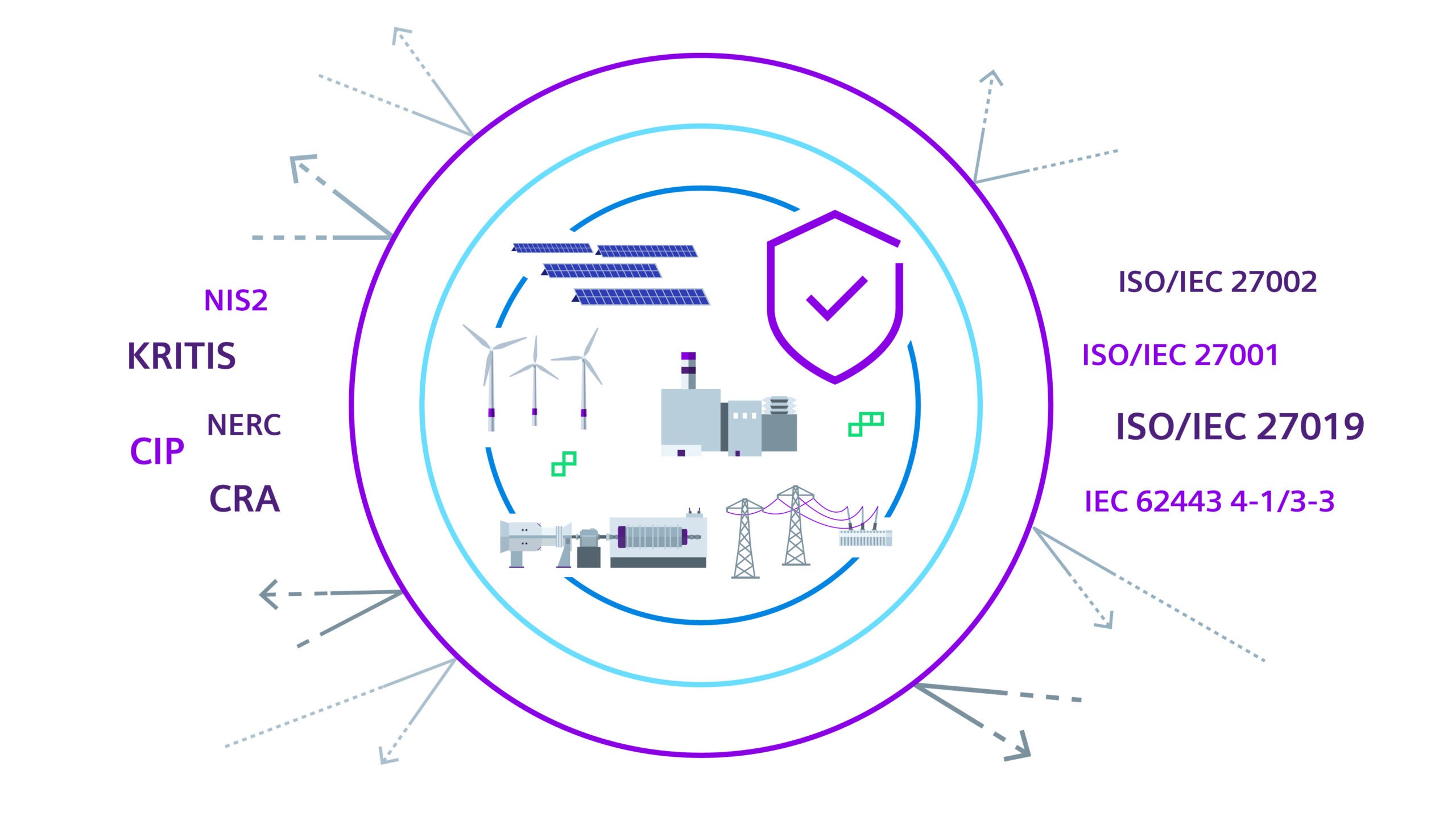
Siemens Energy’s Omnivise T3000 control system, which the company calls “the trusted control core for critical energy operations,” is built for that mix. It is established in both conventional generation and renewables, and release R10.2 strengthens the renewables side with features such as native encryption for cross-location controls and expanded libraries for substation automation and synchronous condensers. Siemens Energy says its cybersecurity is built for SL3 readiness, the IEC 62443 level designed for environments exposed to sophisticated, intentional attacks.
For decades, T3000 has been Siemens Energy’s flagship distributed control system. That same system also carries built-in functionality for supervisory control and data acquisition (SCADA) and for substation automation, serving critical infrastructure whether operators work locally at a site or run multiple assets from a central control room.
Substations and Offshore Wind
Substations sit where generation meets the grid, and variable renewables raise the demands on monitoring, protection, and control at that boundary. T3000 connects protection devices and bay control units through the IEC 61850 standard, so generation control and substation automation run on one system with a shared data model and operator interface, instead of two separate systems with their own engineering, training, and service.
Siemens Energy was the main automation contractor at EnBW’s He Dreiht offshore wind farm in the German North Sea, a subsidy-free project that EnBW inaugurated in September 2026. At 960 MW, it is Germany’s largest offshore wind farm.
T3000 automates switchgear and many secondary systems on the wind turbines. It also integrates various third-party auxiliary systems and provides integrated visualization of them. The 66 kV protection devices were integrated over IEC 61850 (MMS and GOOSE). The Omnivise servers are located at an onshore station, while all other equipment is located offshore.
Siemens Energy’s scope also included an advanced cybersecurity solution, including risk assessment, acceptance testing, and training. According to the company, EnBW required assurance, as a prerequisite for the project, that Siemens Energy would support the cybersecurity and lifecycle of everything in its scope for at least 20 years, to ensure compliance with the latest regulations and standards, such as NIS2 or IEC 62443. The service contract now in place runs five years and is typically extended in five-year increments. The company also says almost all offshore commissioning activities were performed remotely, without the need to send experts on site.
“We have an experienced partner for control systems in Siemens Energy, and we welcome them on board the project for our first unsubsidized offshore wind farm,” Hartwig Schnöckel, EnBW’s project manager for offshore wind, said when the contract was announced in 2022.
Synchronous Condensers
Synchronous condensers are being added to grids as inverter-based renewables displace the inertia and short-circuit strength that spinning generators once provided by default. They require continuous adjustment rather than on/off logic, and their control systems must regulate voltage and reactive power while the machines supply inertia and fault current over lifetimes that can exceed 20 years.
For these machines, T3000 supplies both the control system and the substation automation, so the rotating equipment, protection systems, and grid connection are run from one system. Siemens Energy has deployed T3000 at Uniper’s Killingholme and Grain power stations in the UK, where former steam turbine generators and newly installed units, respectively, were converted or built to operate as synchronous condensers under contracts with what was then National Grid ESO’s Stability Pathfinder program. “I’m delighted that we’ve been able to work closely with Siemens Energy to create a bespoke solution that meets the needs of National Grid ESO, and which is the right fit for our Killingholme and Grain facilities,” said Mike Lockett, Uniper UK country chairman and group chief commercial officer, power.
Hardware for Harsh Environments
Release R10.2 introduces IEC 61850-3-compliant servers and switches designed for harsh offshore and substation environments, rated for operation from –40°C to +70°C with no fans, rotating parts, or traditional hard disks. Siemens Energy says the hardware increases availability and significantly reduces service effort, and that long component lifecycles with extended spare-part support suit remote and unmanned sites.
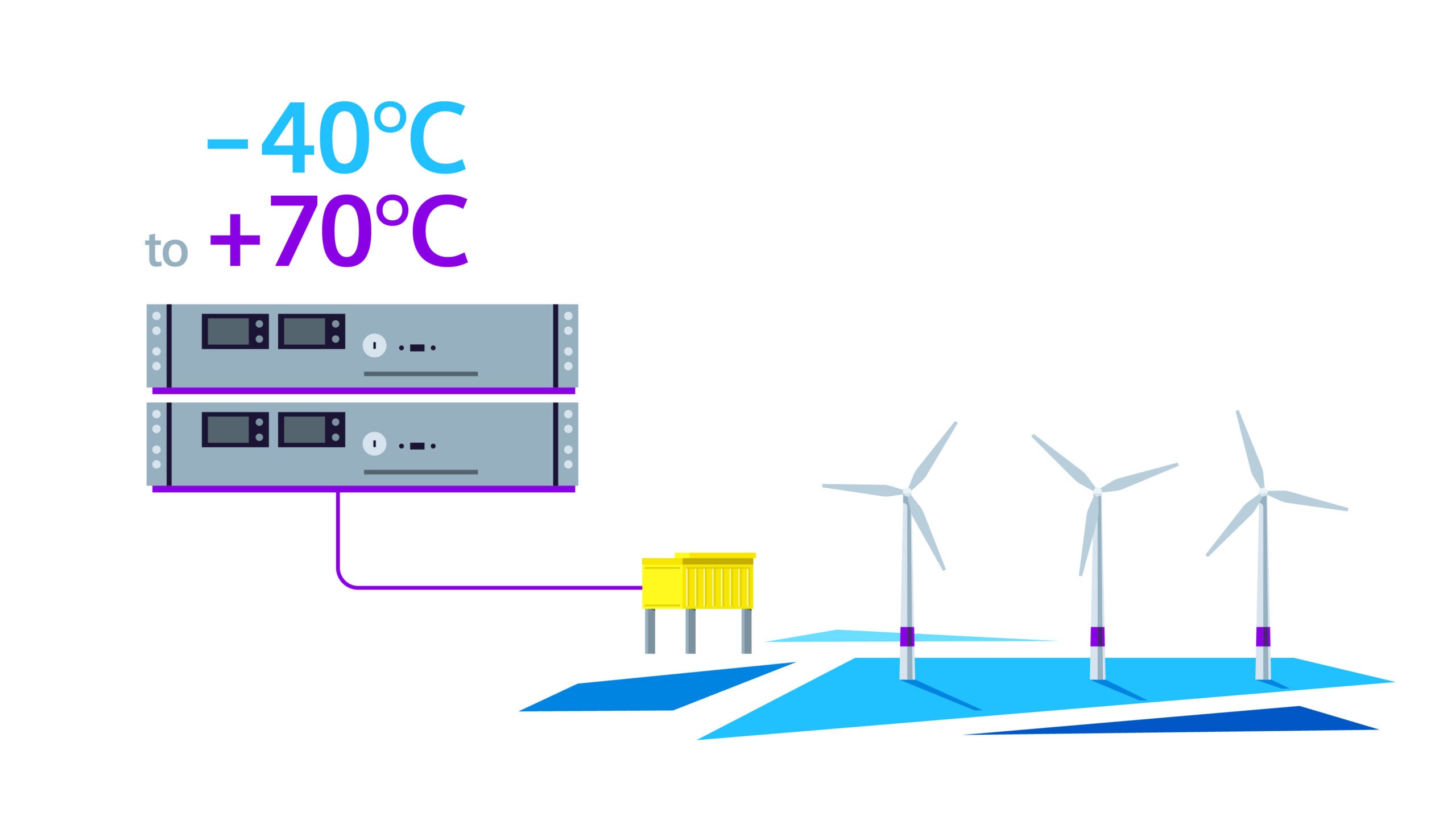
New PRP/HSR switches, which implement substation-grade network redundancy standards that keep data flowing without interruption if a link or switch fails, build redundancy into the device itself, with no external interface box. New fanless industrial PCs replace legacy hardware in smaller plant configurations to provide more flexibility.
One System, Smaller Attack Surface
As generation fleets diversify, each added asset type and subsystem widens the attack surface a plant must defend. Siemens Energy argues that consolidating assets under one control system, rather than patching, auditing, and managing access across several, narrows that surface: one system to secure instead of many.
According to the company, T3000 is certified by TÜV SÜD under IEC 62443, the leading standard for industrial automation and control system cybersecurity, and built for SL3 readiness. It applies a defense-in-depth concept, supports current hardware long term, provides tested security patches during operation, and includes built-in backup and restore, backed by a 24/7 Cybersecurity Operations Center. Siemens Energy says it takes the same standards-first approach to the EU Cyber Resilience Act, embedding the modules and features needed for conformity in release R10.2, alongside preparation for NIS2 and Germany’s KRITIS regulation.
Two Pillars, One Control System
Siemens Energy also serves operators that run only renewables and expect the same availability, lifecycle support, and cybersecurity as conventional fleets. Conventional and renewable plants are now the two pillars of power generation, but the assets do not behave alike. They differ in technical capability, control requirements, and response times, which is why release R10.2 builds in new functions to account for those differences.
For existing customers, the company says its lifecycle approach, including upgrades, migrations, and spare-part concepts, lets them move to the latest version while preserving system continuity and keeps a path open to new applications such as data centers, Power-to-X, and hybrid grids. The aim, as Siemens Energy puts it, is control that is secure, connected, and trusted.
T3000 and the Omnivise Ecosystem
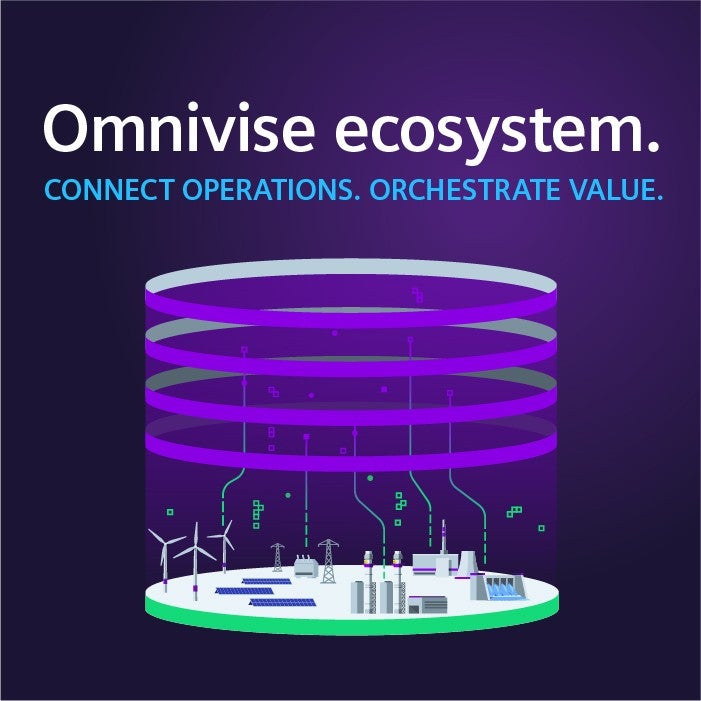
That connectivity reaches beyond the plant. The Omnivise ecosystem is Siemens Energy’s open, vendor-agnostic framework for connecting assets, control systems, and applications across plants and fleets. It builds on existing control environments rather than replacing them, and where T3000 is installed, it serves as the ecosystem’s trusted control core, integrating data and assets at the operational level. The ecosystem’s applications then turn that trustworthy data into ready-to-act insights for coordinating operations and dispatch across technologies, or for opening up new business models.
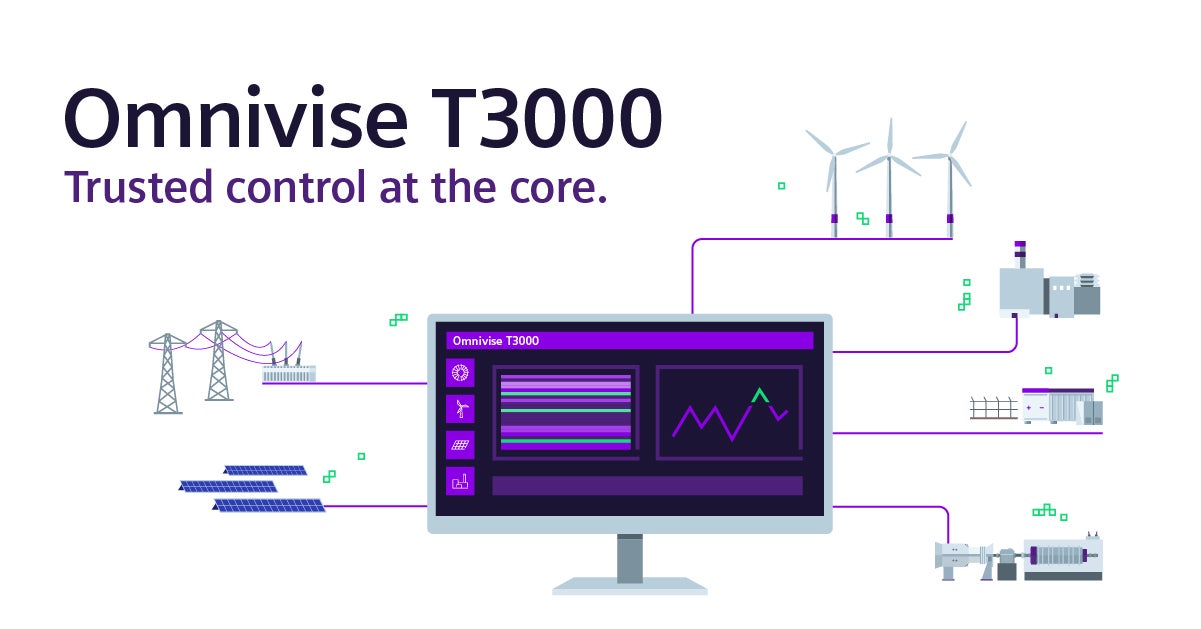
Siemens Energy will be at Enlit Europe 2026 in Vienna, November 10–12, to discuss Omnivise T3000 and the Omnivise ecosystem. Visit the team in Hall A at Booth F60.
Learn more about Siemens Energy´s T3000 control system.