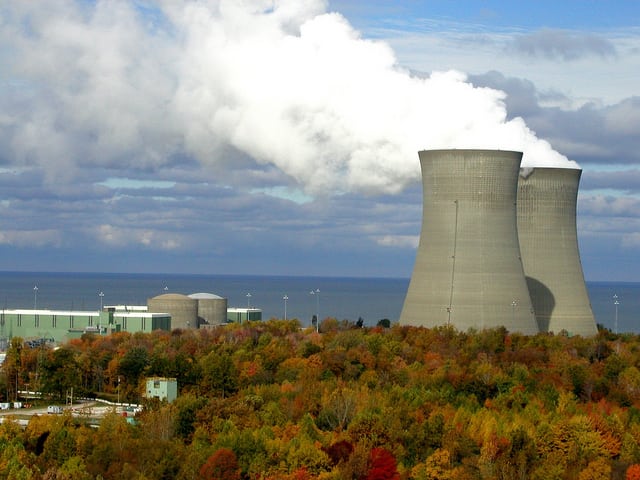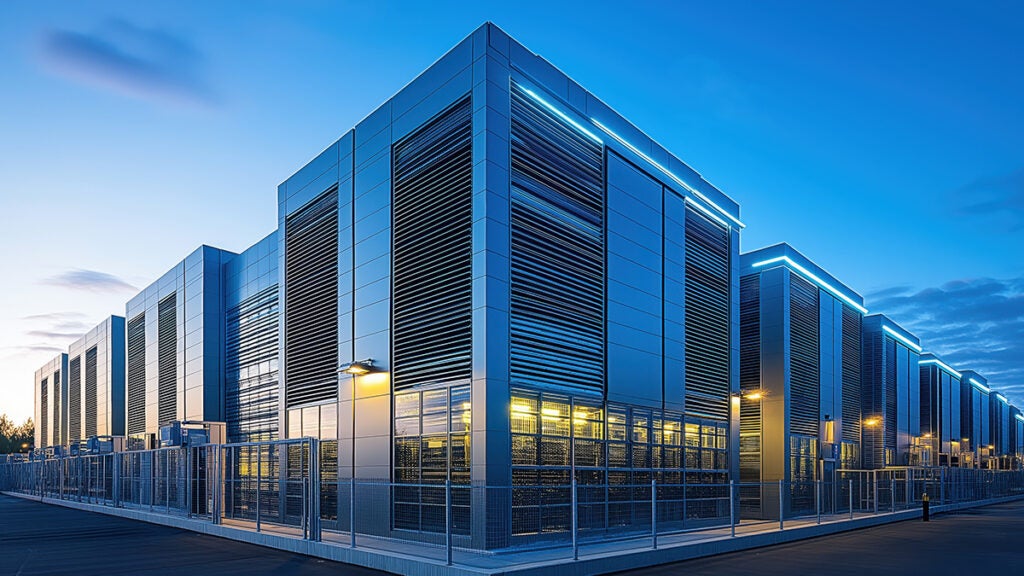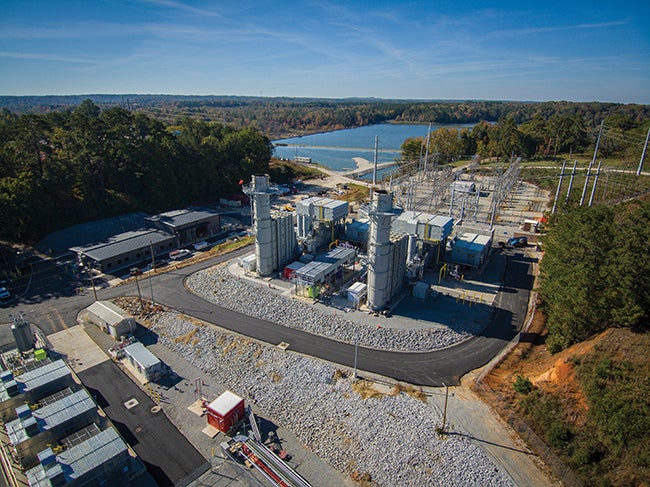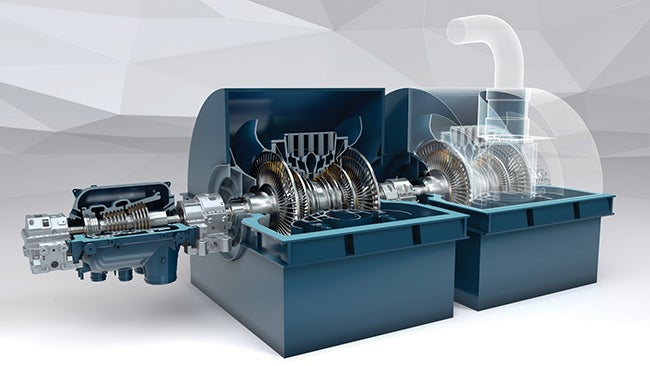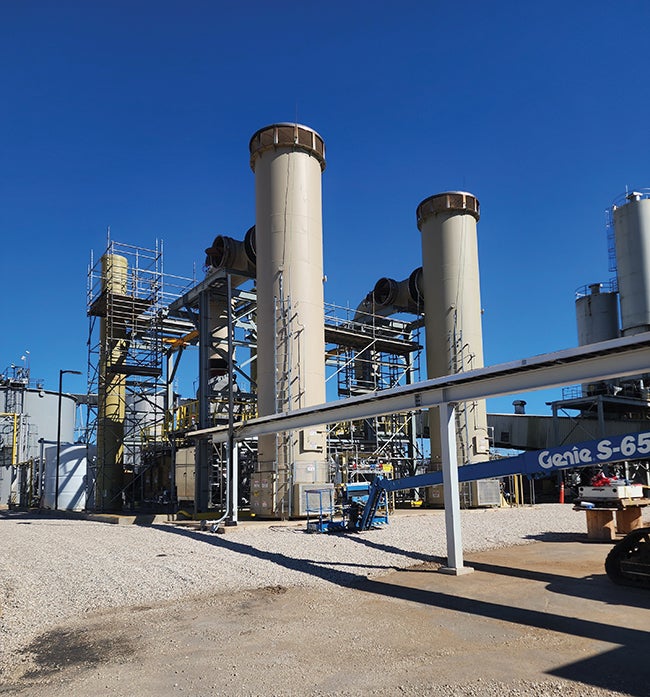
Data centers are ushering in a new era of electricity demand—and existing power plants are being called on to generate more with the infrastructure already in place. As operating hours increase and reserve margins tighten, the reliability of water treatment systems is becoming essential to maintaining power generation.
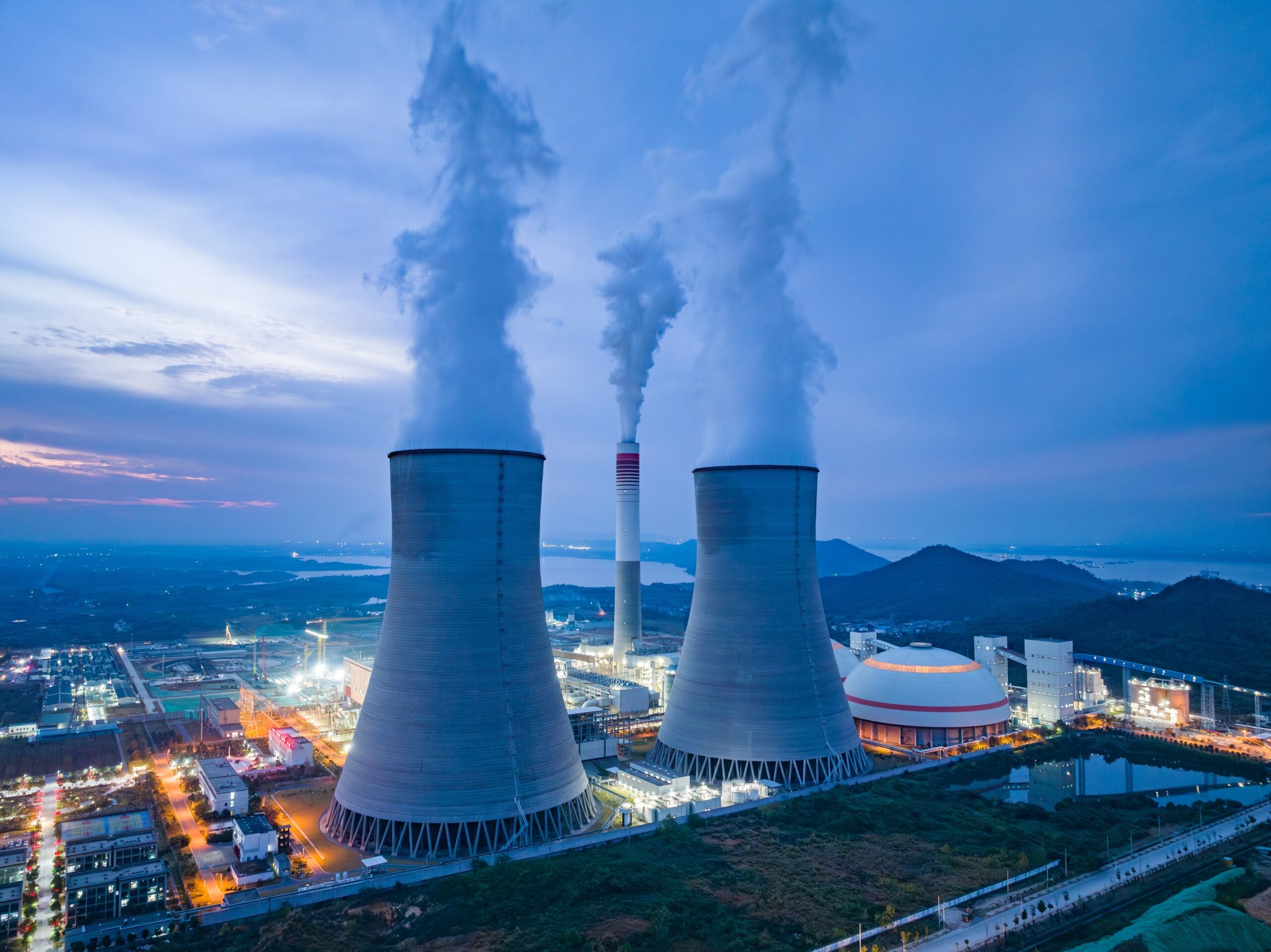
After decades of relatively modest electricity growth, Grid Strategies projects U.S. electricity demand to increase by approximately 5.7% annually over the next five years, with peak demand rising by about 3.7% per year.
While new generation capacity, transmission infrastructure, and interconnections are being developed, those investments will take years to come online. In the meantime, facilities need to rely on existing generating assets to meet growing demand. Higher utilization places additional strain on the water systems that supply boiler feedwater, cooling water, and other critical plant processes.
As plants operate with less flexibility, maintaining resilient water systems is no longer just a treatment priority—it is fundamental to generation reliability.
How rising power demand is reshaping water management
Reliable water treatment is essential for producing the boiler feedwater and cooling water needed to keep generating equipment operating efficiently. As plants increase operating hours and cycling, many are finding that existing systems are being asked to do more than they were originally designed to handle.
Water treatment capacity: Increased generation places greater demand on boiler feedwater and cooling water systems. Equipment sized for lower utilization may have limited reserve capacity as operating hours increase, reducing flexibility during maintenance events, peak demand periods, or equipment failure.
Aging infrastructure: Many facilities continue to rely on decades-old treatment equipment. As maintenance requirements grow, taking critical equipment offline becomes increasingly difficult when plants need to remain available to support grid reliability.
Changing water quality: Seasonal changes, more frequent unit cycling, or drawing from alternative water sources can introduce fluctuations in incoming water quality. Changes in turbidity, dissolved solids, or organic loading can require treatment adjustments and continuous monitoring to protect boilers and turbines from scaling, corrosion, and fouling.
Reduced operating margin: As water systems operate closer to their limits, there is less flexibility to absorb equipment failures, changing water conditions, or maintenance outages. Issues that were once manageable can become operational risks that lead to outages when generation is needed most.
How temporary water treatment solutions improve operational resilience
Not every challenge requires a permanent capital investment. Mobile water treatment systems provide a flexible way to supplement existing infrastructure, restore capacity, or maintain operations while long-term improvements are planned.
These self-contained systems can be rapidly deployed, integrate with existing plant infrastructure and control systems, and operated for as long as needed to maintain water quality and generation reliability while permanent solutions are evaluated and constructed.
Support maintenance: Mobile treatment allows critical equipment to be inspected, serviced, or replaced without interrupting boiler feedwater production.
Restore operations: Temporary pretreatment, reverse osmosis, deionization, and polishing systems can quickly restore production of high-purity process water when critical equipment is offline, minimizing downtime and reducing outage risk.
Increase capacity: Additional treatment can supplement existing systems during periods of higher generation without waiting for permanent infrastructure upgrades.
Adapt to changing conditions: Mobile pretreatment, filtration, reverse osmosis, and deionization provide flexibility when seasonal conditions or changing source water require additional treatment, while integrated monitoring helps operators respond to changing water quality.
Bridge long-term investments: Temporary systems help plants maintain reliable operation while permanent upgrades move through engineering, permitting, procurement, and construction.
When a permanent solution delivers greater value
Temporary treatment is well suited for maintenance events, equipment failures, and short-term increases in demand. For some facilities, however, growing operational requirements reveal a broader opportunity: reducing the burden of owning and operating water treatment infrastructure altogether.
A Build-Own-Operate (BOO) agreement takes a different approach. Rather than owning and operating the treatment system, the plant contracts for an agreed quantity and quality of water, while a partner designs, owns, operates, and maintains the equipment required to deliver it. Performance responsibilities, including treatment system operation, maintenance, and water quality compliance are within the scope of the agreement. Shifting responsibility to the service provider and reducing the burden on plant personnel.
One Florida power plant adopted this approach after staffing shortages made it difficult to operate its deionization system. Under a long-term BOO agreement, a new treatment system was installed and operated by Xylem, allowing plant personnel to focus on generation instead of day-to-day water treatment operations. The treatment system is continuously monitored and maintained by water treatment specialists, delivering consistent performance while reducing demands on plant staff.
The agreement reduced operations and maintenance responsibilities, eliminated onsite chemical handling, and replaced five full-time water treatment positions with a dedicated Xylem AQUA pro service professional who provides ongoing operational oversight and scheduled onsite support. Following the project’s success, the utility expanded the BOO model to six additional generating facilities.
Water reliability for a new era of power demand
As electricity demand continues to rise, water systems will play an increasingly vital role in keeping power plants online. Whether plants need rapidly deployed mobile treatment or a long-term Build-Own-Operate solution, Xylem helps power producers strengthen resilience with scalable treatment systems, operational expertise, and flexible service models that prepare water infrastructure for the next era of power generation.