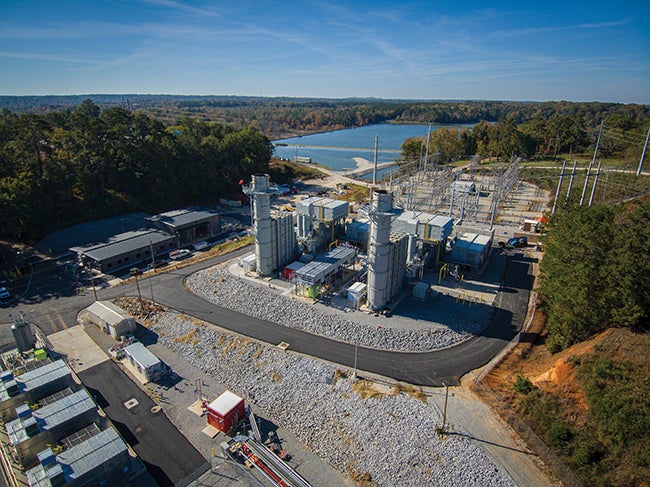
Power generation used to be predictable enough that operational performance and commercial performance could be managed as separate problems. That’s no longer true. Plants are shifting from stable baseload operation toward peaking, cycling, and market-driven dispatch. Operators must run assets reliably under more volatile conditions while reacting faster to price signals and system constraints, often with less room for error and greater financial exposure attached to each decision.
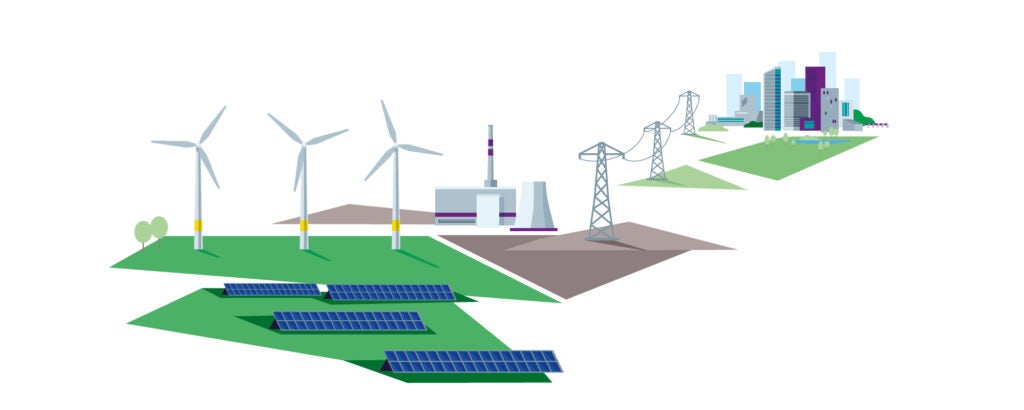
The problem is not a shortage of data. Modern plants generate plenty of it. The challenge is that assets, control systems, data sources, and applications across a heterogeneous portfolio often remain fragmented. This limits fleet-wide transparency, makes dispatch harder to optimize, increases operational complexity, and makes consistent cybersecurity management more demanding as portfolios grow.
Siemens Energy’s response is the Omnivise ecosystem, an open, modular platform approach that connects assets, control systems, applications, and workflows across heterogeneous energy portfolios. Combining secure-by-design connectivity, real-time intelligence, and Siemens Energy’s OEM and operations and maintenance expertise, the Omnivise ecosystem helps operators orchestrate assets, plants, and fleets, improve day-to-day operations, and open paths to additional value.
From Connectivity to Coordinated Operations
Four connected building blocks make this possible: control and connectivity, the Omnivise platform, Omnivise applications, and Omnivise managed services.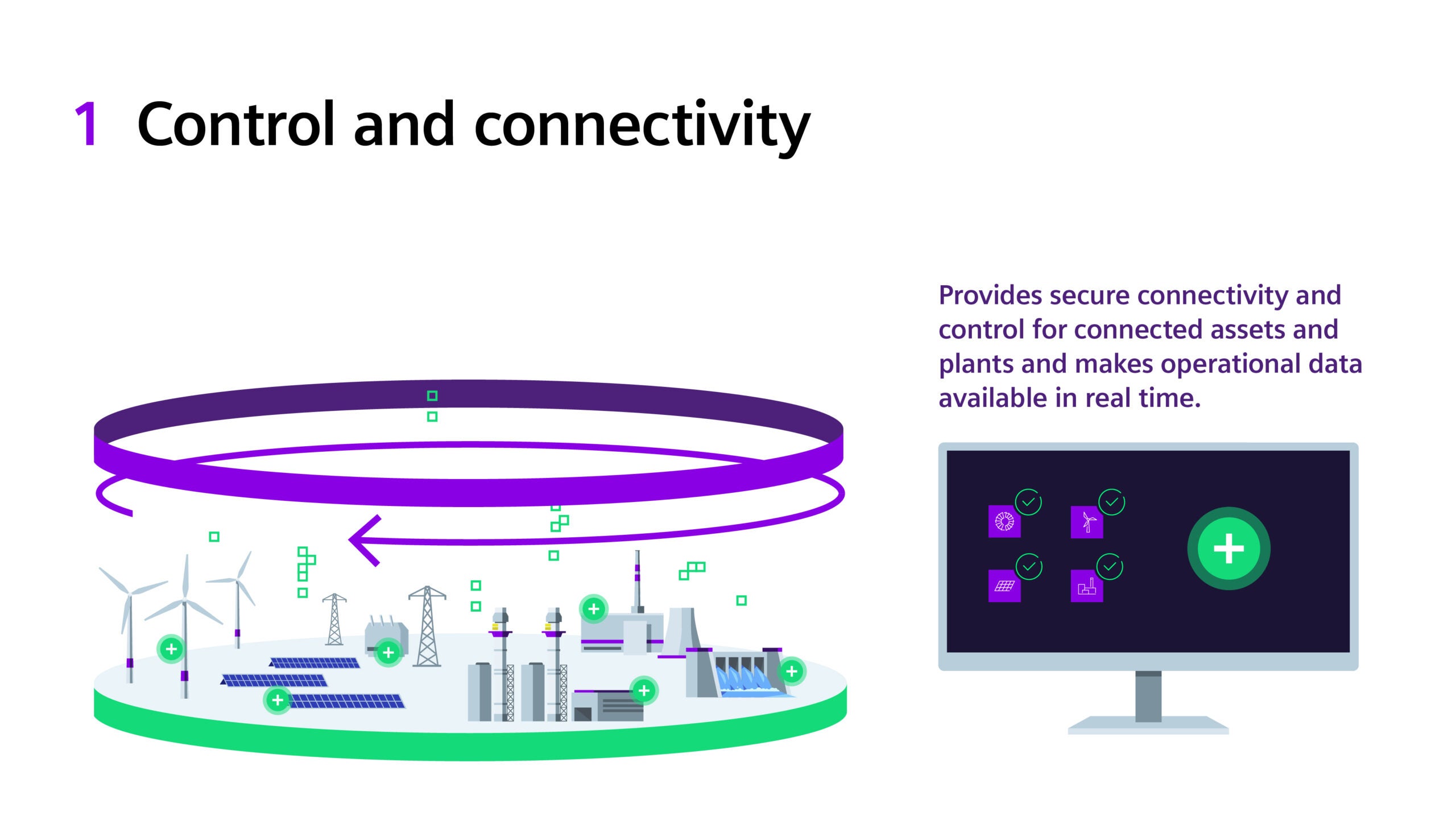 The first building block, control and connectivity, is where plant-level systems live. This includes Siemens Energy solutions such as the trusted Omnivise T3000 control system and Omnivise Hybrid Control, together with edge technology that makes operational data securely available without disrupting real-time plant control.
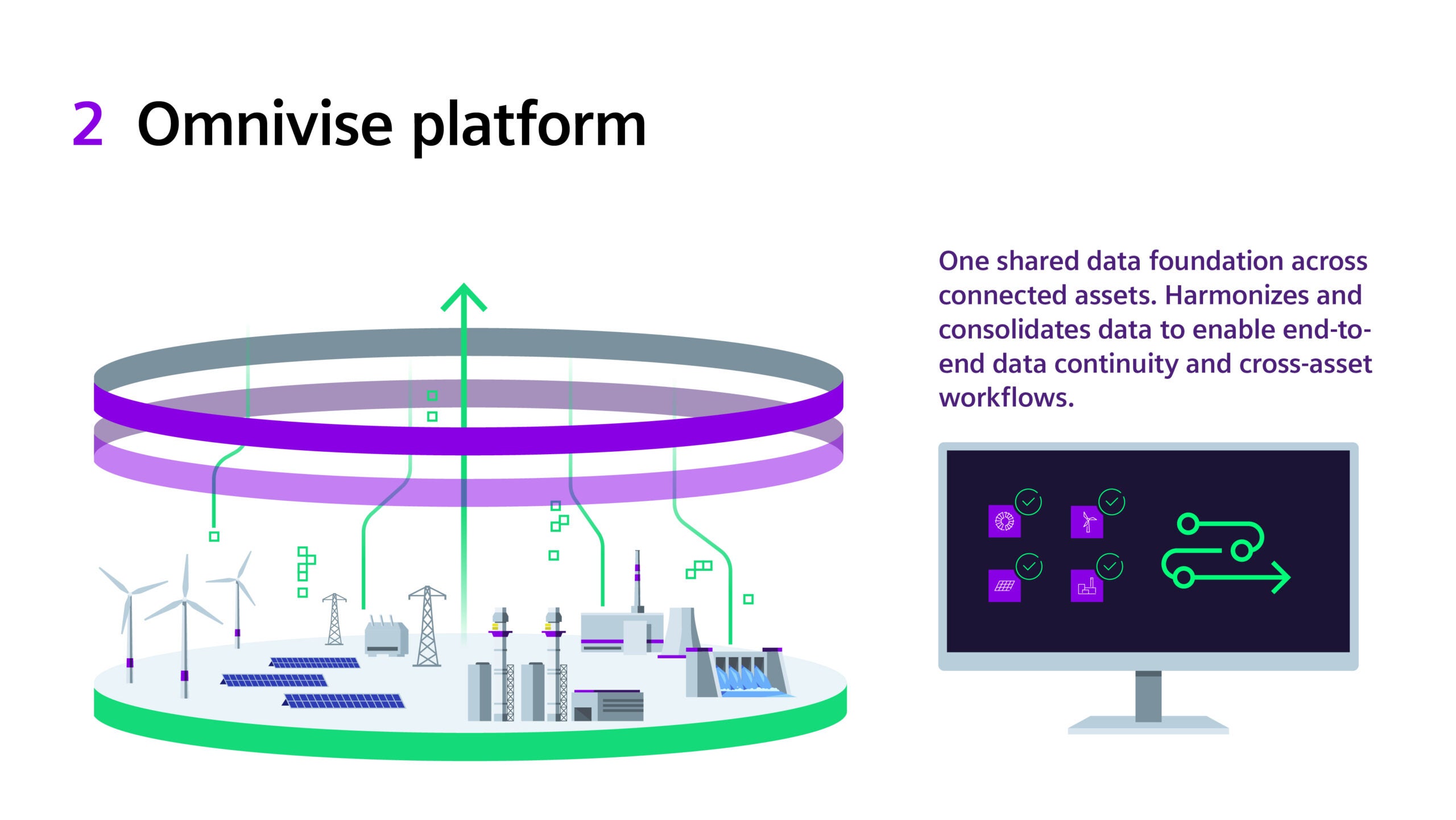 The second building block, the Omnivise platform, provides the secure, shared operational foundation for data management, user access, alarms, logging, and workflows across connected assets and digital applications.
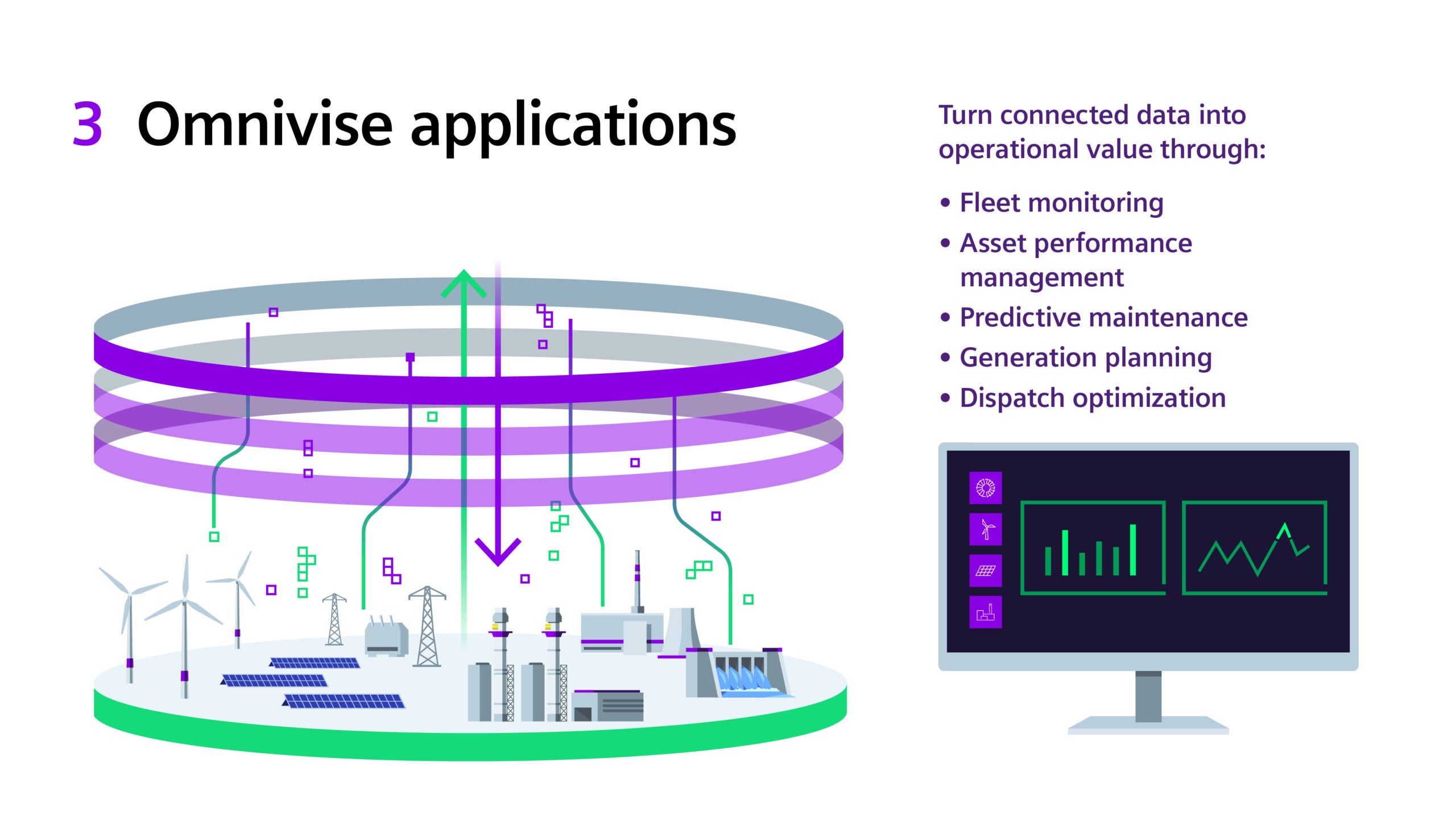 The third building block is where connected data is translated into concrete operational value through applications such as energy management, fleet monitoring, asset performance management, predictive maintenance, and dispatch optimization.
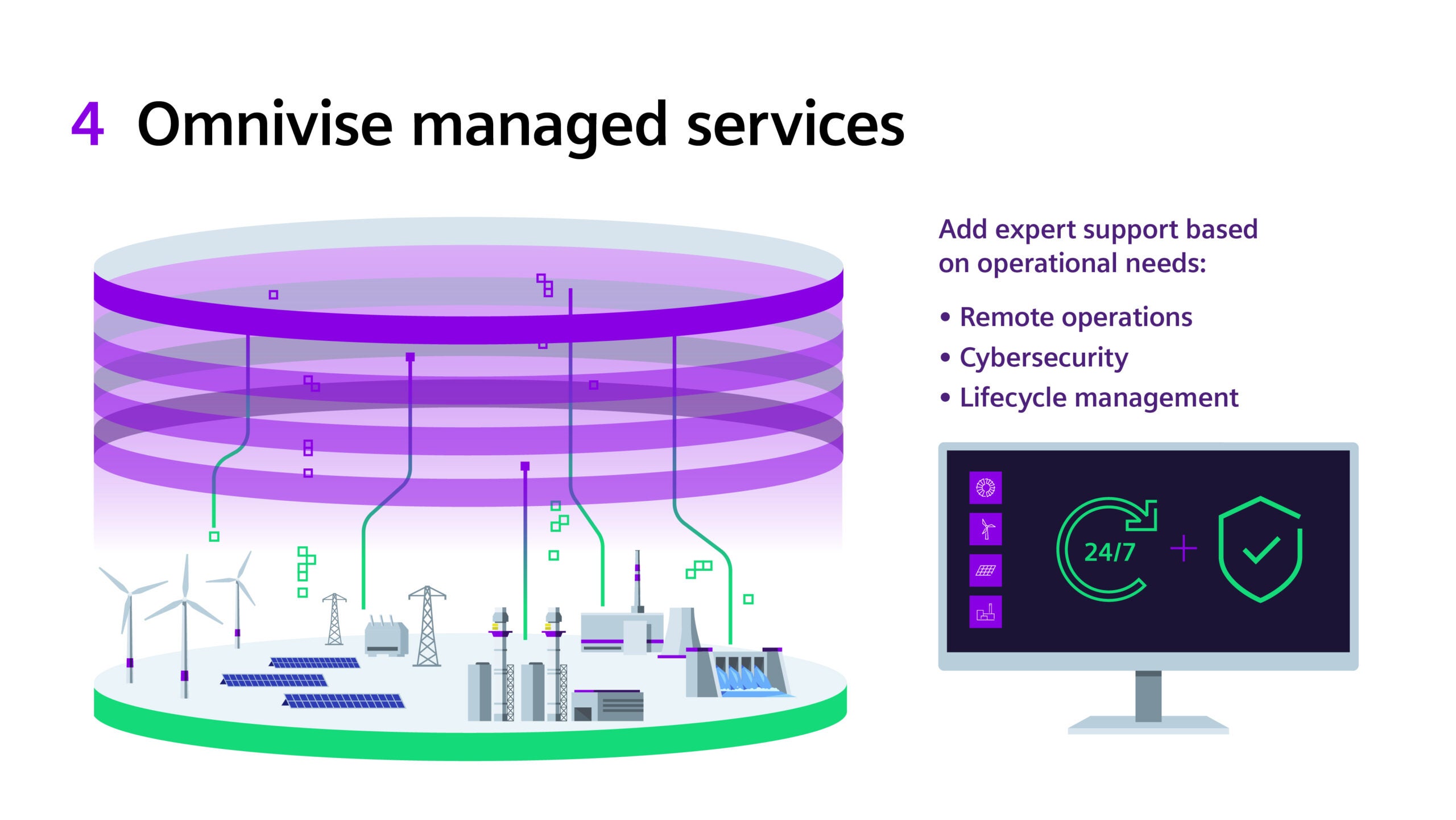
The fourth building block is Omnivise managed services. Operators can choose the level of Siemens Energy support that fits their resources and operating model, including lifecycle, remote operations, and cybersecurity support.
Together, these building blocks create a consistent operational view across assets, plants, and fleets, helping operators act on reliable information instead of reconciling disconnected systems and data sources.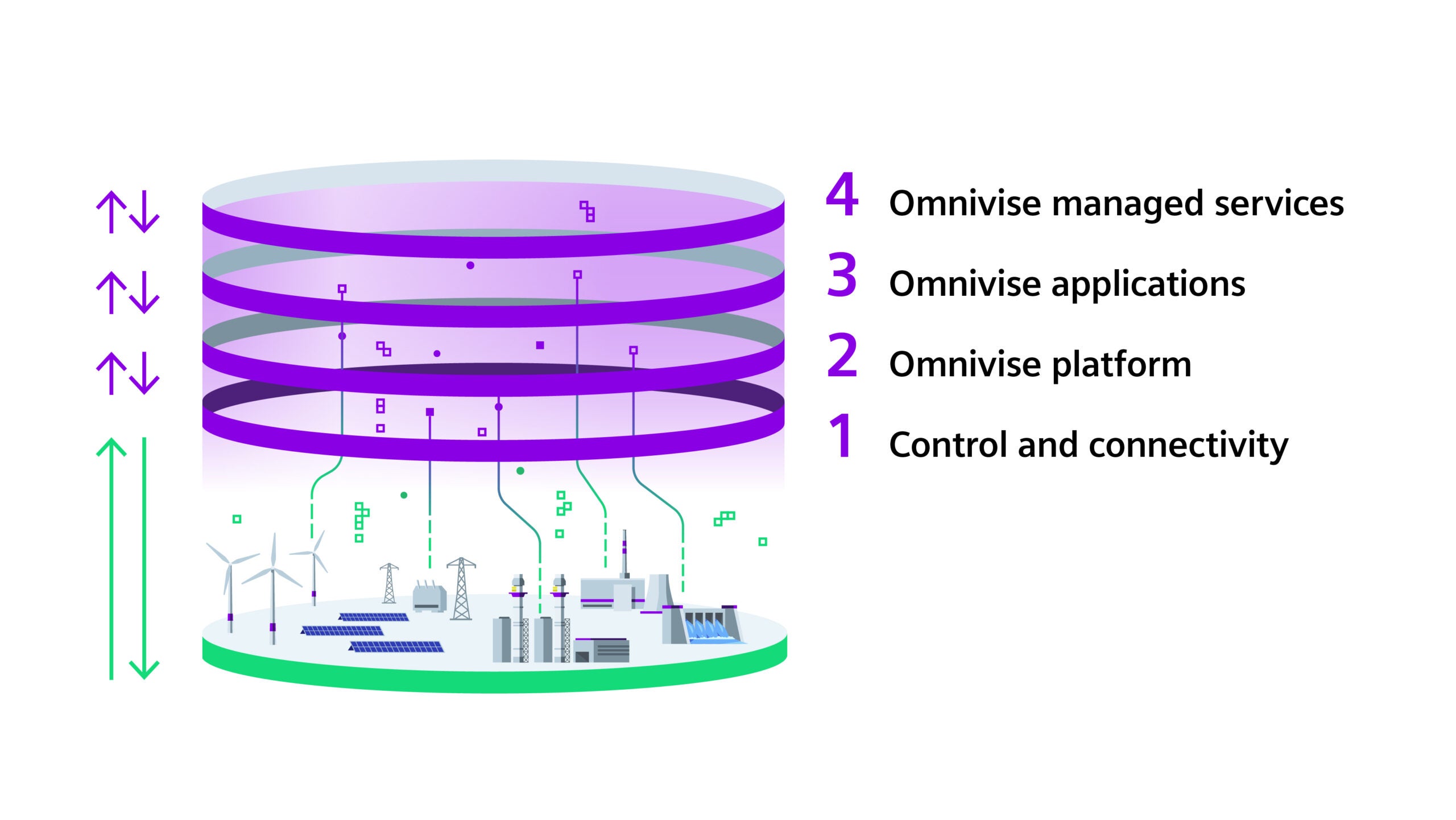
Extending Control, Not Replacing It
The Omnivise ecosystem builds on Siemens Energy’s own solutions while remaining open to relevant third-party assets, systems, and applications. Through standard interfaces, it extends existing control environments rather than replacing them. Where Omnivise T3000 is installed, its trusted control and operationally validated OT data can provide a strong foundation for the ecosystem. The integration scope depends on available interfaces, the solution architecture, security requirements, and the customer’s operating model.
In practice, the approach is designed to build on existing operational setups rather than require a fundamental redesign of the underlying control infrastructure. Customers can start with selected assets and applications, and expand step by step as operational priorities, available interfaces, and market requirements evolve.
From Feed-In Tariffs to Market Dispatch
A project with Portuguese energy company EML S.A. illustrates the operational and commercial value the Omnivise ecosystem can create for operators. EML is moving its renewable fleet from feed-in tariffs toward direct energy market participation. The company operates a combined cycle plant alongside onshore wind farms and used the Omnivise ecosystem to build a centralized fleet management and dispatch solution for its renewable sites.
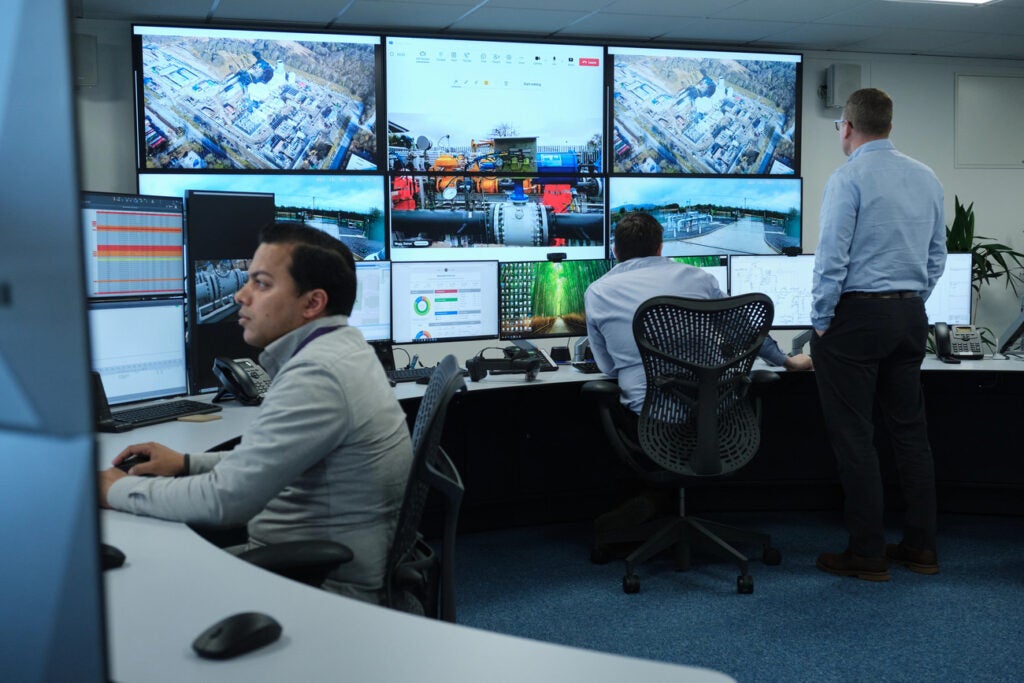
Seven onshore wind farms, totaling about 250 MW, were connected through Omnivise T3000 Edge to a cloud-based operations and analytics environment, giving EML a single interface for fleet monitoring, alarm handling, and supervisory control across all seven sites—the transparency needed to coordinate market dispatch in line with transmission system operator procedures. The setup will also support forecasting, and dispatch and bid optimization, with the goal of scaling toward full participation in electricity markets. Notably, the architecture is built to extend further, toward additional energy management functions and hybrid technologies like solar and storage.
EML’s driver was commercial: preparing its wind fleet for a more active market role. The project shows how the Omnivise ecosystem can bring assets, operational data, and applications into a connected framework, giving operators a basis to coordinate operations and pursue additional value as market requirements change.
The central idea is not simply to produce or collect more data. It is to turn fragmented assets, data, and digital applications into a consistent operational framework that can evolve with changing market and business requirements. In this way, the Omnivise ecosystem supports the transition from isolated assets and decisions to coordinated operations across plants and fleets.
Siemens Energy will be at Enlit Europe 2026 in Vienna, November 10–12, to talk with operators about how the Omnivise ecosystem could fit their portfolios. Visit the team in Hall A at Booth F60.
Learn more about Siemens Energy´s Omnivise ecosystem