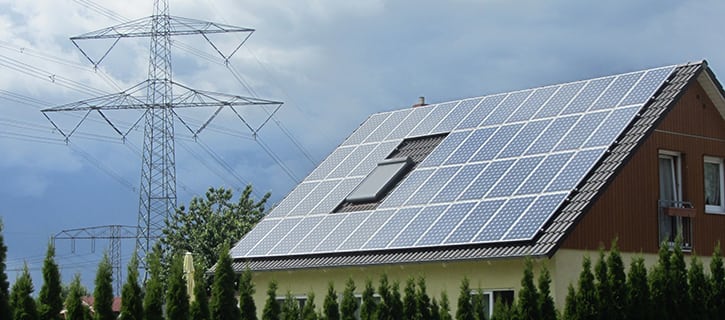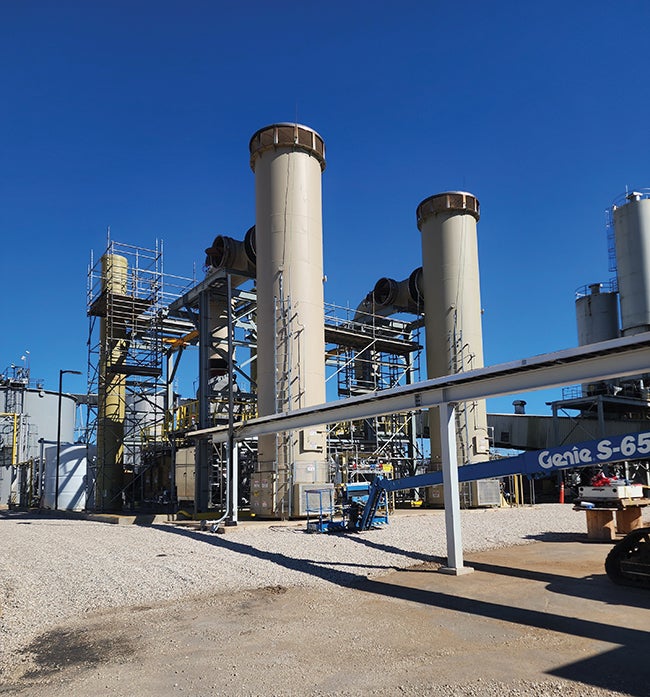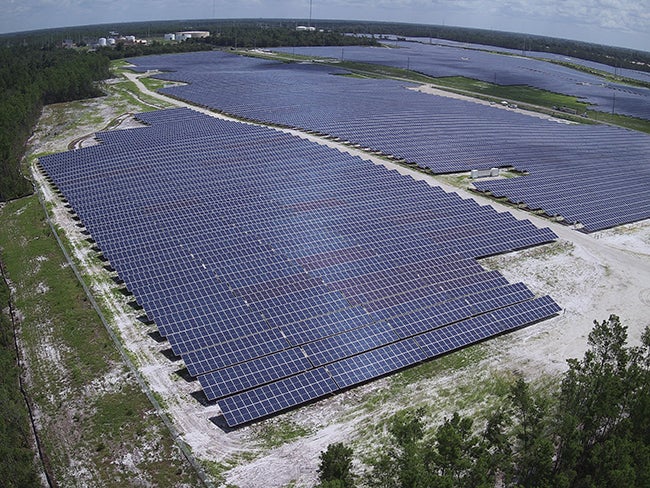
Artificial Intelligence (AI) is a game-changer in energy, dominating discussions globally across organizations, investment banks and governments. By analyzing vast amounts of data, AI algorithms can predict, manage and optimize the performance of renewable energy to facilitate the integration of systems into existing grids.
AI is already delivering transformative change and revolutionizing the way the world produces, distributes and consumes energy. In the future, it will become a critical tool in optimizing efficiency, reducing costs and further enhancing the reliability of renewable energy systems.
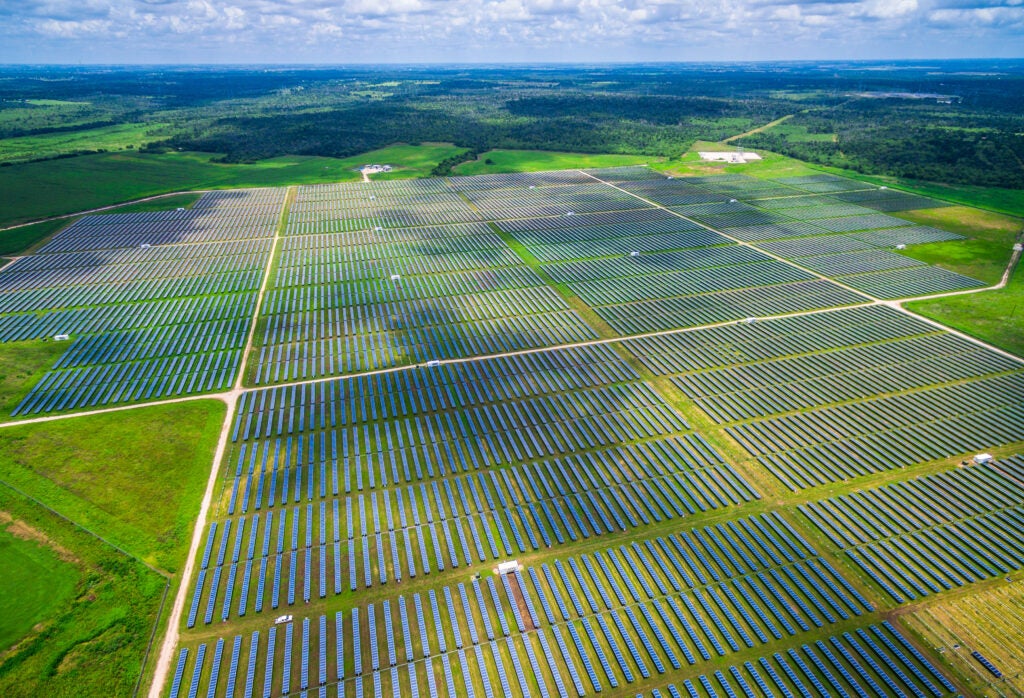
The Role of AI in Renewable Energy
- Predictive Maintenance: AI analyzes data from sensors to predict when maintenance is needed for wind turbines, solar panels and other renewable energy assets. This helps prevent costly breakdowns and ensures reliable supply.
- Energy Forecasting: AI enhances the accuracy of renewable energy forecasting by analyzing historical weather data and real-time meteorological information. This enables better matching of supply with demand, reduces the need for backup fossil fuel power and minimizes waste.
- Grid Management: AI enables power grids to match supply with demand in real time, facilitating the integration of more renewable energy sources. This ensures stability and efficiency while quickly responding to grid disturbances.
- Energy Optimization: AI optimizes renewable energy systems by adjusting parameters such as the angle of solar panels or the pitch of wind turbine blades. This maximizes energy production and increases efficiency and profitability from storage and release demands.
Data-Driven Assessments of Insured Assets
AI is transforming the way insurers draw on better risk intelligence. For example, data from asset integrity management systems used at operational facilities, condensed into dashboards and powered by AI, is now helping insurers visualize the condition and performance of assets quickly and accurately.
Insurers are therefore able to assess risks more precisely, leading to data-driven decisions regarding policy terms, coverage limits and premiums. Adjustments can then be made on premium pricing based on the actual risk profile of the insured assets.
“Organizations with robust asset integrity management practices could benefit from an optimized total cost of risk, as the data offers granular insight supporting the claims process and validity,” says Daniel Ocampo, Aon’s global senior risk consultant for natural resources.
“A well-documented program can also lead to accurate loss quantification and compliance with industry regulations and standards, reducing the risk of regulatory penalties,” adds Ocampo.
Emergence of New Risks
While the potential benefits of AI in the renewables sector are significant, emerging risks must be assessed and addressed to fully
- Data Quality and Governance: Access to accurate and comprehensive data is essential for the successful implementation of AI in renewable energy.
- AI systems are only as good as the data they are trained on.
- Poor data quality can lead to inaccurate predictions and suboptimal decision making.
- Integration and Implementation: There are strategic and legal challenges of deploying AI systems effectively.
- Integrating AI with existing renewable energy systems and power grids can be complex.
- There is potential for disruption during the integration process, with significant investments at stake.
- Regulatory and Ethical Considerations: It is crucial to address ethical concerns like privacy, data security and fairness in AI-driven decisions.
- AI regulations vary by country and are continually evolving.
- Businesses must be transparent, unbiased and stay informed about new laws to gain stakeholder and public trust.
Using AI to Empower the Future of Renewable Energy
The future of AI in renewable energy is incredibly promising, with numerous advancements and applications that are set to revolutionize the sector.
Notable AI Energy Innovations
- Advanced Energy Storage: AI can optimize the operation of next-generation energy storage systems, enhancing their efficiency and integration with renewable energy sources.
- Smart Grids: AI can enable the development of smart grids that dynamically adjust to changes in energy supply and demand, improving the stability and resilience of power grids.
- Decentralized Energy Systems: AI can facilitate the creation of decentralized energy systems, enabling small-scale renewable energy producers to efficiently participate in the energy market.
- Personalized Energy Solutions: AI can provide personalized energy solutions for consumers, optimizing energy usage based on individual preferences and needs.
As the world moves toward a more sustainable and resilient energy system, the effective integration of AI becomes crucial.
Successfully achieving this involves continuous improvement and innovation throughout the organization, equipping employees with the training and resources needed to effectively utilize new technologies, and fostering collaboration among teams to exchange knowledge, insights and best practices in risk management.
Learn More About AON
This document is not intended to address any specific situation or to provide legal, regulatory, financial, or other advice. While care has been taken in the production of this document, Aon does not warrant, represent or guarantee the accuracy, adequacy, completeness or fitness for any purpose of the document or any part of it and can accept no liability for any loss incurred in any way by any person who may rely on it. Any recipient shall be responsible for the use to which it puts this document. This document has been compiled using information available to us up to its date of publication and is subject to any qualifications made in the document.