
In the race to decarbonize and secure America’s energy future, nuclear power is once again in the spotlight. From advanced reactors to fusion breakthroughs, the promise of nuclear energy is clear.
Yet, despite strong bipartisan support and technological momentum, deployment remains slow. The Nuclear Regulatory Commission (NRC)—long seen as a bottleneck—is in the spotlight. While the NRC has increased licensing and oversight efficiency in recent years, bipartisan legislation and recent executive actions are driving unprecedented change on an ambitious timeline. With an energized NRC, the U.S. nuclear sector is poised for a renaissance.
COMMENTARY
Nuclear energy offers a unique trifecta: zero-carbon baseload power, energy independence, and long-term economic growth. Advanced reactor designs, including small modular reactors and microreactors, promise faster deployment, lower costs, and enhanced safety.

Fusion energy, once a distant hope, is now attracting billions in private investment and moving closer to commercial viability. Strategically, nuclear power strengthens national security by reducing dependence on foreign energy and stabilizing the grid amid rising demand for artificial intelligence (AI), data centers, and electrification.
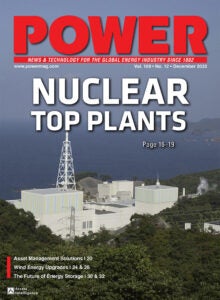
In This Issue
Full issuePassed in July 2024 with bipartisan support, the Accelerating Deployment of Versatile, Advanced Nuclear for Clean Energy (ADVANCE) Act is reshaping NRC operations. The legislation mandates faster, more predictable licensing, a tailored framework for fusion, and lower regulatory costs for advanced reactor applicants. It also focuses on licensing at brownfield sites, supports microreactor deployment, and promotes investment in workforce development.
Key milestones already achieved include reduced fees for advanced reactor applicants, effective fiscal year 2026, and reforms to streamline environmental reviews. Executive Order (EO) 14300, issued in May 2025 as part of a suite of EOs directed specifically to nuclear regulatory reform, marked a decisive shift in federal nuclear policy by directing the NRC to further accelerate licensing timelines and streamline environmental reviews, and to reorganize its internal structure to prioritize licensing. In response, the NRC is implementing reforms across multiple fronts.

Historically, the NRC’s licensing process for new reactors has been slow, expensive, and unpredictable. Designed for large light-water reactors, the regulatory framework has struggled to accommodate innovation. Developers cite multiyear reviews, the hourly billing model, and risk-averse assumptions that delay progress.
But times are changing. The NRC’s review of Kairos Power’s Hermes test reactor is a case in point. Submitted in late 2021, the construction permit was issued in December 2023—on schedule, with both safety and environmental reviews wrapped within two years.
The follow-on Hermes 2 reactor was reviewed in record time. Submitted in July 2023, the NRC issued the construction permit in November 2024—nearly five months ahead of the original schedule. This rapid turnaround reflects the agency’s commitment to streamlining applications while still accomplishing the necessary safety and security reviews.
TerraPower’s Natrium reactor also has benefited from accelerated review. In July, the NRC committed to moving up its construction permit timeline, shaving months off the original schedule. Similar commitments have been made to other developers, signaling a broader shift toward proactive engagement and faster permitting. It is not just reactor projects that are benefiting from a more efficient NRC—materials licenses are also being approved at a record pace. Just a few weeks ago, the NRC approved a novel license application from DISA Technologies to use high-pressure slurry ablation technology for remediating waste at inactive, abandoned uranium mine sites.
Although the review was originally expected to take 18–24 months, the application was approved in just six months. The NRC’s recent Licensing Efficiency Initiatives Update reports that the agency is advancing reforms to shorten review timelines, reduce resource burdens, and improve predictability in licensing—especially for new and advanced reactors—while leveraging process improvements, AI tools, and risk-informed practices.
The agency also is undertaking a “wholesale revision” of its regulations and guidance under EO 14300, with a slate of proposed rules due to be released for public comment by the end of February 2026. And the agency’s culture—long seen as risk-averse—is shifting as the agency continues to embrace risk-informed decision-making. But success depends on more than policy. It requires people, and the NRC faces headwinds. The agency is experiencing workforce attrition, with plans for passive downsizing through retirements and internal reassignments. The agency also is reorganizing to help speed licensing and the adoption of innovative technologies.
Regulatory reform is essential. Quicker deployment relies on early engagement with the NRC and the submission of technically sound license applications. Accelerated timelines mean less room for error; incomplete filings or underdeveloped safety cases can stall even the most promising designs. As the NRC streamlines its processes, the industry must match that pace with technical rigor, transparency, and readiness. And the industry must address challenges outside the regulatory process, such as securing sufficient capital, ensuring a predictable supply chain, and readying a trained workforce that can be timely deployed to bring new reactors to market. The success of a nuclear future depends not just on regulatory agility, but also on industry discipline and follow-through.
—Brooke Poole Clark is a partner with Morgan Lewis; she most recently was general counsel for the NRC. Joseph Azeizat is an associate with Morgan Lewis.