
Coal
-
 Legal & Regulatory
Political Opposition to Clean Power Plan Looms Large, Experts Say
The Environmental Protection Agency’s (EPA’s) Clean Power Plan (CPP) is likely to be complicated at least as much by political and legal opposition as by technological challenges in reducing carbon emissions, several speakers at POWER magazine’s inaugural conference on legal issues in the generation industry noted on Dec. 7 in Las Vegas. “Navigating Legal Implications of […]
-
 Legal & Regulatory
Amid “Corporate Welfare” Flak, FirstEnergy Gets Davis-Besse Extension
FirstEnergy Corp., which may enter into a settlement with Ohio to safeguard the future of its Davis-Besse nuclear plant—a deal critics have blasted as “corporate welfare”—just got the Nuclear Regulatory Commission’s permission to operate the 1978-built reactor until 2037. The 20-year license extension marks a milestone for Akron-headquartered FirstEnergy, which has warned it might have […]
-
 Legal & Regulatory
Unintended Consequences from EPA Rules
New rules from the Environmental Protection Agency (EPA) have several unintended consequences for the power sector, an expert said at a POWER magazine event on Dec. 7. Floyd Self, an attorney with Florida-based law firm Berger Singerman, said that the bevy of new EPA rules have helped forged mergers between electric and gas utilities and necessitated […]
-
 Legal & Regulatory
Climate Change Litigation: Implications for States and Power Generators
Climate change litigation in the U.S. has far outpaced climate litigation in any other jurisdiction. In fact, according to Teri Donaldson, partner with DLA Piper, more lawsuits concerning climate change have been decided or settled in the U.S. than in the rest of the world combined. “The success rate in these cases is very low,” […]
-
 Renewables
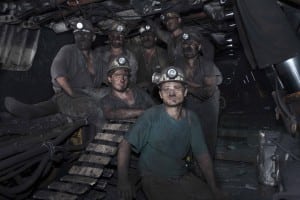
Europe’s New Coal Curtain: Eastern Europe Embraces Coal as Western Europe Deserts It—and Russia Is Still All In
This story is being written as world leaders gather in Paris for the COP-21 climate summit. Much of the reason they are meeting is because of the widespread burning of coal and the resulting carbon dioxide (CO2) emissions that are altering the planet’s biosphere. Though the burning of coal is not the only reason the […]
-
 Legal & Regulatory
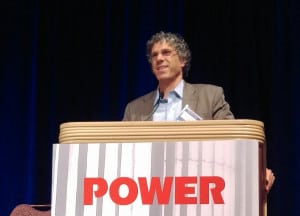
Don’t Fear the Clean Power Plan, Chief EPA Lawyer Says
The power sector should view the Environmental Protection Agency’s (EPA’s) recent drive to tighten regulations on air and water emissions as an opportunity to improve its efficiency and environmental footprint rather than as an obstacle, said EPA General Counsel Avi S. Garbow at POWER magazine’s inaugural conference on legal issues in the generation industry. “We want […]
-
 Renewables
RWE CEO: Conventional Power Role Shifting from Baseload to Renewables Back Up in Europe
Germany’s largest power generator RWE, following in the footsteps of its competitor E.ON, plans to split its company to bank on renewable energy and grid operations, which it says is the future for utility companies. If approved by RWE’s supervisory board, the Essen-headquartered company that produces more than 40% of its power from hard coal […]
-
 Coal
CoalERCOT Braces for Regional Haze Rule, Earlier Coal Retirements
A regional haze program final rule for Texas expected soon from the Environmental Protection Agency (EPA) could speed up the retirement of about 4.7 GW of coal-fired capacity, warns the Electric Reliability Council of Texas (ERCOT) in a new generation outlook. The grid operator’s Dec. 1–released “Report on the Capacity, Demand and Reserves (CDR) in […]
-
 Legal & Regulatory
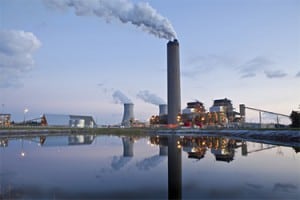
Seminole Electric Cooperative Sees Big Challenges from Clean Power Plan
Florida’s Seminole Electric Cooperative faces what may be the most difficult generation transition in the nation as a result of the Obama administration’s Clean Power Plan. One of the nation’s largest generation and transmission rural electric cooperatives, Seminole owes its origins and its current position primarily to a single coal-fired plant. When electric utility veteran […]
-
 Legal & Regulatory
Goldilocks, Ozone, and Obama’s EPA
There’s an old saying in Washington that when everyone is upset, you’ve probably done something right. By that measure, the Environmental Protection Agency’s (EPA’s) latest update to the National
-
 Commentary
Engaging Youth in Power
The challenge of getting a new generation of workers interested in the power sector is one I hear about frequently. Too many young adults are more fascinated by the tech sector, plant folks say. That may be
-
 Coal
CoalOptimize Boiler Combustion Using Improved Flue Gas Measurement
The presence of unburned fuel in a power plant’s ash indicates an inefficient combustion process, as some of the energy in the fuel is being wasted. Unburned fuel also poses a risk to safety; if ignited, an
-
 Coal
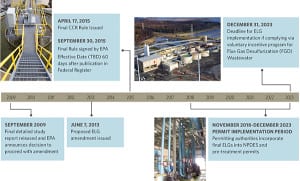
CoalTake These Five Steps Now to Ensure ELG Compliance at Your Power Plant
The first effluent limitation guidelines update since 1982 is game-changing for many U.S. power plants.
-
 O&M
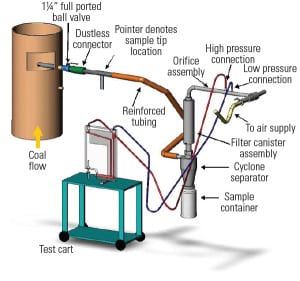
O&MCoal Pulverizer Maintenance Improves Boiler Combustion
Coal pulverizers are the heart of a pulverized coal-fueled boiler. Often, the root causes of nonoptimized combustion lie with the pulverizers. Capacity; reliability; and environmental issues such as slagging
-
Renewables
POWER Digest (December 2015)
GE Completes Alstom Acquisition. GE announced on Nov. 2 that a $10.6 billion deal to acquire Alstom ’s power and grid business is complete. Alstom will now entirely refocus its activities on rail transport
-
 Coal
CoalUK Axes CCS Competition, Puts Two Big Carbon Capture Power Projects at Risk
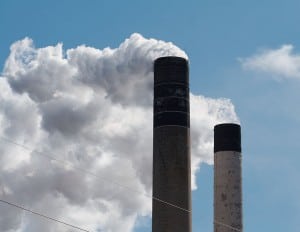
The UK has canceled its flagship £1 billion ($1.5 billion) competition to help commercialize carbon capture and storage (CCS) technology from power plants. The decision by the Department of Energy and Climate Change (DECC) was announced in a three-sentence release to the London Stock Exchange just days before crucial climate change negotiations are due to […]
-
 Coal
CoalCoal Under Fire as Paris Climate Summit Approaches
The news coming out of several countries in advance of the 2015 Paris Climate Conference (COP21) casts an ominous pall over the future of the coal industry. The End of Coal Generation in Alberta Fresh on the heels of last week’s announcement by UK Energy and Climate Change Secretary Amber Rudd that she plans to […]
-
 Legal & Regulatory
Costs of MATS Don’t Change Rule Justifications, EPA Says
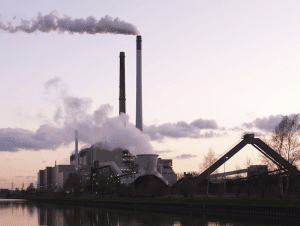
The Environmental Protection Agency (EPA) on Nov. 20 issued a supplemental finding that consideration of costs does not affect its previous conclusion that regulation of coal- and oil-fired power plants is “appropriate and necessary” under section 112 of the Clean Air Act. The finding was in response to a June decision by the U.S. Supreme […]
-
 Coal
CoalUK to Close All Coal-Fired Power Plants by 2025
In a major speech setting out the future direction of the UK’s energy policy, Energy and Climate Change Secretary Amber Rudd announced plans to restrict the use of the country’s coal-fired power stations by 2023 and close all of the facilities by 2025. “Frankly, it cannot be satisfactory for an advanced economy like the UK […]
-
 Legal & Regulatory
Senate Votes to Overturn Clean Power Plan
The U.S. Senate late on Nov. 17 passed a pair of resolutions that would overturn recent Environmental Protection Agency rules on power plant emissions, rules that form the core of the Obama administration’s Clean Power Plan. The two resolutions, S.J. Res. 23 and S.J. Res. 24, were passed under a little-used provision known as the Congressional Review […]
-
 Legal & Regulatory
CSAPR Update Proposed for 23 States in Eastern U.S.
The Environmental Protection Agency (EPA) on Nov. 16 proposed updates to the Cross-State Air Pollution Rule (CSAPR) with the intent of reducing NOx emissions from power plants in the eastern half of the U.S. The proposed CSAPR update identifies cuts in power plant NOx emissions in 23 states. The EPA said these cuts can be […]
-
 Legal & Regulatory
Germany Lays a New Foundation for Electricity Market
The cabinet of Angela Merkel’s ruling coalition has endorsed changes to the German electricity market, ensuring their passage into law. “This is the largest reform of the electricity market since the energy markets were liberalised in the 1990s, and it will make the electricity market fit for the 21st century,” said Energy Minister Sigmar Gabriel. […]
-
 Renewables
Advisory Committee to DOE: U.S. Must Level Playing Field for Coal, Carbon Capture Technologies
The world must have carbon capture and storage (CCS) technology to address climate concerns, but commercializing CCS will require a level playing field, an industry advisory council appointed by the Department of Energy (DOE) underscores in a new white paper. The report released by the National Coal Council (NCC) on Nov. 10 responds to a […]
-
 Coal
CoalCoal Plants Without CCS Can Meet EPA Standards, EPRI Study Says
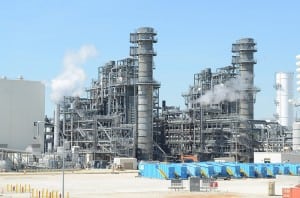
Certain types of coal-fired power plants are capable of meeting the 636 kg CO2/MWh emissions limit in the Environmental Protection Agency’s (EPA’s) new source performance standards for new plants without relying on carbon capture and storage (CCS), but doing so will require leveraging cutting-edge technologies to improve efficiency, according to a new study from the Electric […]
-
 Renewables
Unregulated U.S. Utility Sector to See Downturn in 2016, Moody’s Warns
Falling power and gas prices will impact the operating cash flows of unregulated U.S. utilities in 2016, but regulated utilities will see a more stable outlook owing to a supportive regulatory environment, Moody’s Investors Service said in a new analysis of fundamental business conditions released on Nov. 6. Moody’s changed its 2016 industry outlook for […]
-
 Legal & Regulatory
Regulators and Emissions Trading Experts Tackle Intricacies of Clean Power Plan Multi-State Solutions
One of the “flexibility” measures built into the Environmental Protection Agency’s (EPA’s) final Clean Power Plan (CPP) is the option for states to join multi-state emissions trading programs for carbon dioxide. Panelists in a session focused on this issue at the National Association of Regulatory Utility Commissioners (NARUC) annual meeting in Austin largely agreed on […]
-
 Legal & Regulatory
EPA’s Gina McCarthy Responds to Regulators’ Clean Power Plan Questions
Comments made at the annual meeting of the National Association of Regulatory Utility Commissioners (NARUC) suggest that the regulatory group and the Environmental Protection Agency (EPA) have been in regular dialog throughout the process of developing the Clean Power Plan (CPP), arguably the most complex environmental regulation affecting the power generation sector and electric utilities. […]
-
 Legal & Regulatory
Regulators, System Operators, and Utilities Consider Reliability, Renewables, and EPA Regulations
In a Monday morning session at the annual meeting in Austin of the National Association of Regulatory Utility Commissioners (NARUC), panelists and commissioners traded comments on challenges and successes related to integrating increasing levels of renewables while ensuring reliable grid operation. David Boyd, VP of government and regulatory affairs for the Midcontinent Independent System Operator […]
-
 Legal & Regulatory
House Energy Subcommittee Resolves to Bar EPA Carbon Rules
A subcommittee of the House Energy and Commerce Committee has passed two resolutions under a rarely invoked law to render the Environmental Protection Agency’s (EPA’s) newly finalized carbon rules for new and existing power plants toothless. The joint resolutions introduced on Oct. 26 by Energy and Power Subcommittee Chair Rep. Ed Whitfield (R-Ky.) under the […]
-
 Renewables
GE’s Acquisition of Alstom’s Power and Grid Business Is Official
Following regulatory approval of a $10.6 billion transaction in over 20 countries and regions, GE’s acquisition of Alstom’s energy activities is now complete. GE and Alstom sealed the deal first proposed in early 2014 with the signing of a 1,500-page “master agreement.” GE had initially proposed buying Alstom’s lucrative business for €12.35 billion, but following […]