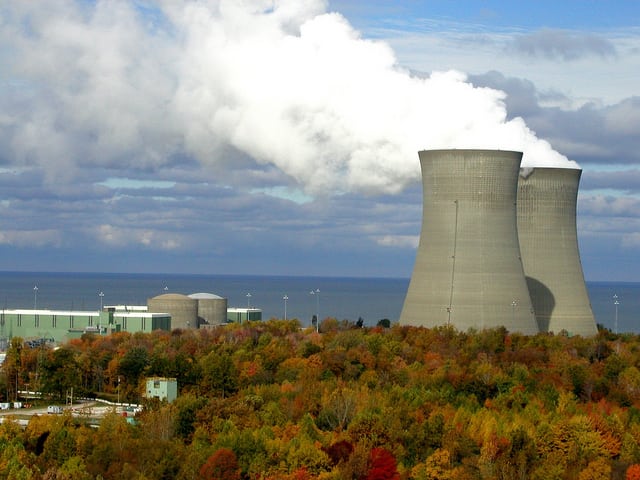
As electricity demand rises and the need for secure, low-carbon electricity grows, nuclear power is playing an increasingly important role in supporting future energy systems. Alongside investment in Small Modular Reactors (SMRs) and other advanced reactor technologies, operators are increasingly focused on extending the operating life of existing nuclear assets.
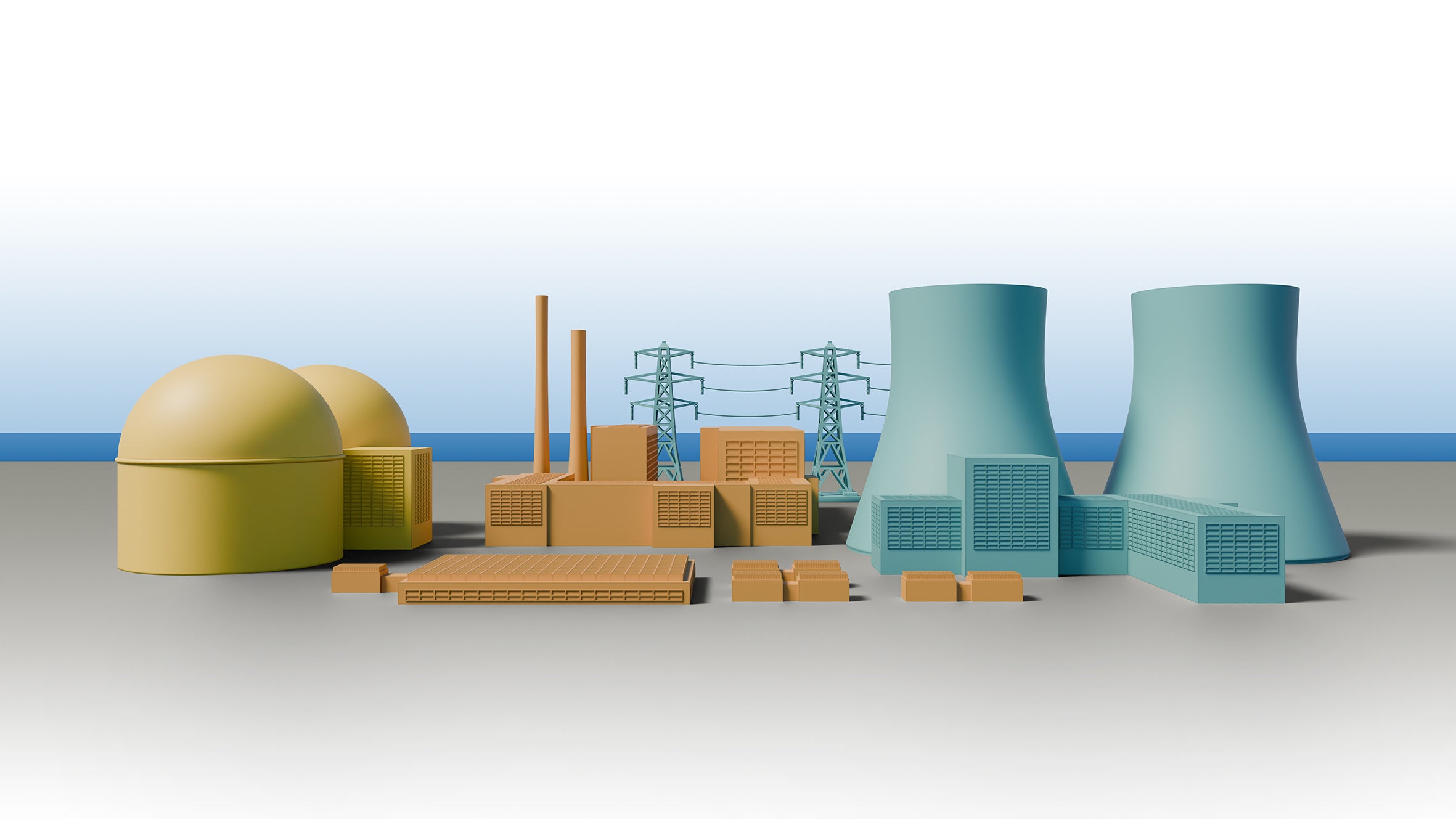
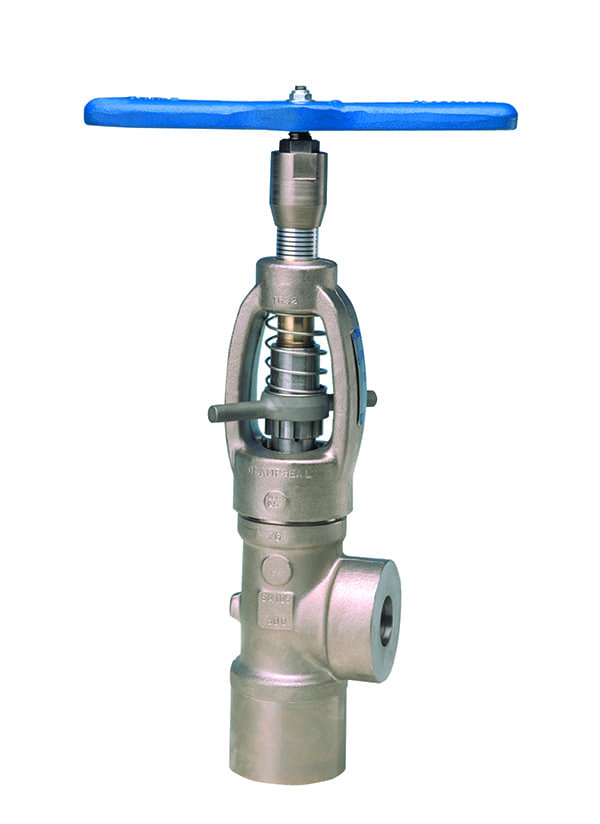
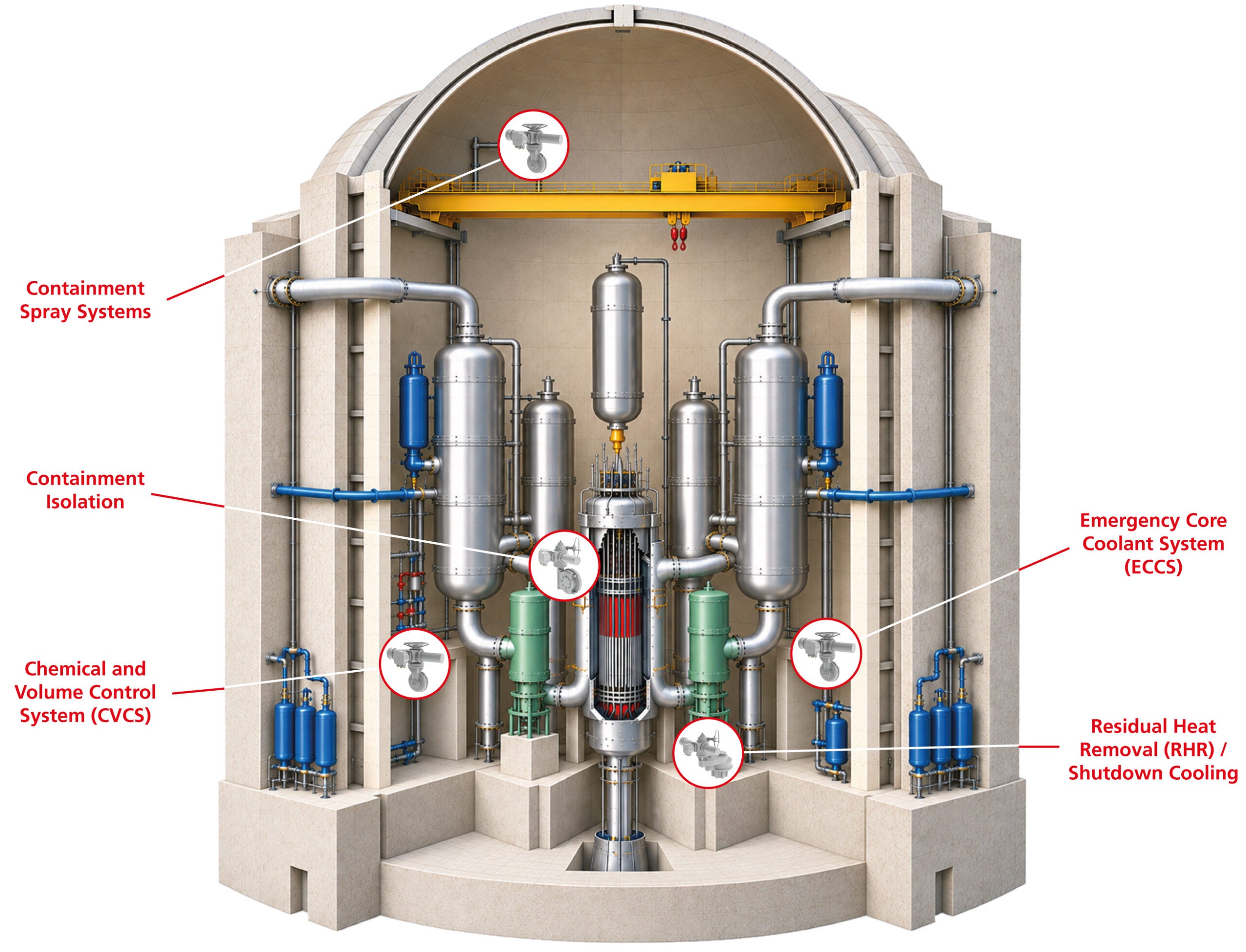
Whether supporting an existing facility or a new reactor design, maintaining safety and reliability depends on the performance of critical process systems. Valves regulate and isolate fluids across applications, including reactor cooling, steam, feedwater, chemical injection and auxiliary systems. Their actuators must ensure that each valve reaches its required position under normal operating conditions and, where applicable, during an abnormal or emergency event.
Valve actuators provide the torque or thrust needed to operate these valves, forming the interface between the plant control system and the mechanical valve assembly. Their specification therefore affects not only valve movement, but also system integrity, equipment protection and plant availability.
Engineering Actuation for Nuclear Applications
Actuator selection involves more than matching a nominal torque figure. Engineers must consider the valve type, stem arrangement, operating loads, number of turns or required travel, operating time, power supply, duty cycle and safety classification. Plant location is also important because equipment inside containment can face different environmental and qualification requirements from equipment used outside containment or in balance-of-plant applications.
Correct sizing requires sufficient margin to overcome the highest anticipated valve loads. However, excessive actuator output can place unnecessary stress on valve stems, seats, gear trains and other mechanical components. This creates a particular challenge in safety-related applications: the actuator must deliver the force and speed required under specified emergency conditions without applying damaging torque or thrust during normal operation.
Mechanical valve-protection systems can help manage this balance. Torque-limiting arrangements restrict the maximum torque transferred to the valve independently of the actuator’s normal torque-switching system. For linear valve applications, a thrust-compensation arrangement can help accommodate valve stem expansion caused by temperature changes, limiting excessive thrust loads while maintaining the valve’s required seating performance. It can also help absorb transient seating loads in high-speed applications.
The actuator’s drive train and enclosure are equally important. A mechanically simple, robust drive arrangement can support dependable operation over an extended service life. Environmental sealing protects internal electrical and mechanical components against the effects of water, humidity and other external conditions. Isolating the terminal compartment from the main actuator enclosure can also prevent the internal mechanism from being exposed when cable connections are accessed.
Qualification for Safety-Related Duty
Nuclear environments can expose equipment to elevated temperatures, pressure, humidity, radiation and seismic loading. Safety-related actuators must therefore be supported by qualification evidence demonstrating their ability to perform their required function under the conditions defined for the application.
Qualification may include radiation ageing, thermal ageing, mechanical cycling, pressurisation, vibration and seismic testing, together with other environmental and accident-condition qualification testing required for the application. The purpose is not simply to demonstrate that the actuator can survive these conditions, but that it can complete its specified safety function when required.
Qualification of safety-related actuators is carried out in accordance with recognised nuclear qualification standards. IEC/IEEE 60780-323:2016 defines the basic requirements for qualifying electrical equipment and associated interfaces for use in nuclear facilities. Where seismic capability forms part of the qualification requirements, testing and assessment are carried out in accordance with IEC/IEEE 60980-344:2020, which provides methods and procedures for seismic qualification. For safety-related electric valve actuators, IEEE Std 382-2019 provides specific guidance on applying the requirements of IEC/IEEE 60780-323 to power-operated valve assemblies. Qualification must also be maintained through controlled manufacturing, material traceability, documentation and quality assurance processes.
Supporting Life Extension and Modernisation
As nuclear facilities operate beyond their original design life, actuator condition and obsolescence become important considerations. Replacement cannot be treated as a straightforward mechanical exchange. Engineers must preserve the original design and safety requirements while reassessing valve loads, operating time, power conditions, environmental demands, interfaces and qualification criteria.
Modernisation may involve replacing an actuator, upgrading associated controls or introducing a retrofit solution that retains the existing valve and plant connection. Gearboxes may also be required to increase multi-turn torque, accommodate higher thrust or convert actuator output for quarter-turn valve operation. The complete actuator, gearbox, and valve assembly must be considered a single engineered system.
Lifecycle support is therefore more than equipment supply. It can include application review, installation, commissioning, maintenance, repair and retrofit engineering, supported by the documentation needed to maintain configuration and qualification requirements.
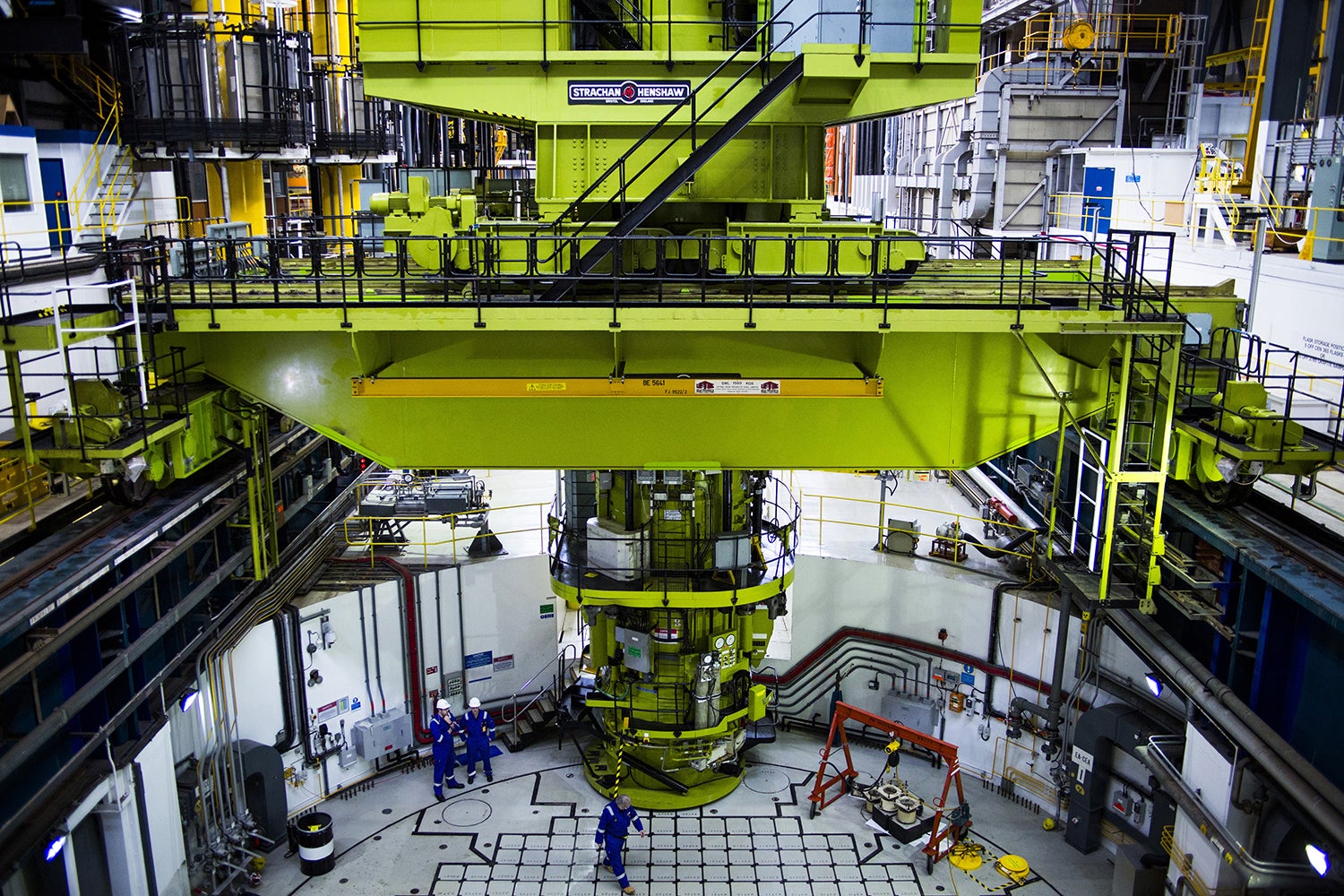
For more than 50 years, Rotork has supplied valve actuation and flow control solutions for safety-related and non-safety-related nuclear applications. Its experience spans nuclear island, containment and balance-of-plant duties, as well as successive generations of reactor technology.
As the nuclear sector combines life extension with investment in SMRs and other reactor technologies, the fundamental engineering requirement remains unchanged. Valves must operate correctly, at the required time, and under the specified conditions. Properly selected, protected and qualified valve actuation is central to achieving that objective and to maintaining nuclear safety and reliability throughout the life of the plant.