As electricity demand accelerates and consumption patterns change, power producers face mounting pressure to deliver dependable energy from a generation fleet undergoing substantial transformation. Ensuring reliability increasingly requires a closer examination of how generating resources perform under stressed conditions, whether fuel and supporting infrastructure will be available when needed, and how much operational flexibility the system can sustain.
In late October, the Federal Energy Regulatory Commission (FERC) convened its annual commissioner-led reliability technical conference, an event Chair Laura Swett jokingly welcomed as the “Reliability Super Bowl.” While the gathering typically brings together utility executives, grid operators, and technical experts to assess threats to bulk power system (BPS) reliability, this year’s proceedings opened with commissioner after commissioner laying out a series of grim, overlapping challenges, each underscoring growing concerns about whether the industry can sustain reliable electricity service as demand surges, generating resources change, and critical infrastructure comes under increasing strain.
A year earlier, the conference had examined the implications of rapid large-load growth, changing generation resources, and the need to modernize reliability standards. This year’s discussions delved more deeply into the operational and regulatory consequences of those changes, particularly as large computing facilities introduce new demands on grid operations and utilities face growing difficulties maintaining and expanding the transmission system. Notably, the agenda also extended to prolonged drought and changing hydrological conditions across the West, where uncertainty about hydropower availability is complicating long-term resource planning.
As FERC commissioners emphasized in their opening remarks, the urgency stems partly from the speed at which these challenges are unfolding and the difficulty of adapting planning methods, operating practices, and reliability requirements to accommodate them. Several pointed to narrowing reserve margins, shrinking opportunities for transmission maintenance, and new risks associated with large loads disconnecting during grid disturbances, while also questioning how emerging technologies, including battery storage and controllable demand, might help operators manage the resulting uncertainty.
But all of it points clearly to a bigger concern: whether the generation fleet, supporting infrastructure, and existing reliability frameworks can continue to deliver dependable electricity as the operating characteristics of both supply and demand evolve.
“BPS reliability, as I think some of you mentioned, is just kind of a paradox right now,” explained Jim Robb, president and CEO of the North American Electric Reliability Corp. (NERC), in his opening assessment. “By all objective measures, the BPS remains extraordinarily reliable. However, near miss events and significant new and intensifying risks challenge the ability to sustain that performance,” he said, adding in his prepared statement: “These risks result in a system that is running ever closer to the edge and increasingly reliant upon extraordinary operator actions with little room for error. While recent policy and industry actions are helping to mitigate these risks, the overall situation remains highly concerning and continues to merit a ‘five alarm fire’ response.”
A Different Kind of Electricity Demand
The scale of the challenge has long been evident in NERC’s most recent long-term outlooks. In its 2025 Long-Term Reliability Assessment, published in early 2026, NERC projected that summer peak electricity demand across North America would increase by more than 224 GW over the coming decade, while winter peak demand would rise by more than 245 GW. Both forecasts marked substantial upward revisions from the previous year’s assessment, which already sought to reflect the accelerating pace of large-load development, industrial expansion, and electrification. And, as Robb cautioned, the projected growth also comes as the industry faces considerable uncertainty over the timing of new generating capacity, transmission infrastructure, and the retirement of existing resources.
But there are other crucial complexities to account for. NERC’s 2026 Summer Reliability Assessment found that record additions of solar, battery storage, and natural gas-fired generation had strengthened resource adequacy across several regions. The number of areas facing elevated risks of electricity shortfalls during abnormal summer conditions declined from six regions in 2025 to three regions and one locality in 2026. However, NERC continued to warn about rising demand, periods of low renewable generation, and the potential for extreme weather to strain resources, even where anticipated supplies were sufficient under normal conditions.
The changing pattern of electricity consumption presents yet another challenge. Historically, grid operators relied on relatively predictable seasonal peaks and daily fluctuations in electricity consumption, scheduling generation and transmission maintenance during the milder spring and fall periods when demand typically subsided. But now, large computing facilities are upending that calculus. In an Oct. 15 assessment, PJM Interconnection Executive Director of System Operations David Souder warned that the nearly continuous electricity requirements of data centers and other large loads, compounded by unseasonable weather, are eroding traditional maintenance windows. The periods previously reserved for equipment repairs and upgrades are becoming more difficult to accommodate as electricity demand increases faster than available generation and transmission infrastructure.
“It is really that rising sort of sea level,” Christopher Pilong, senior director of operations planning at PJM, told FERC commissioners during the October conference. “It’s every hour of the day.” Pilong noted that the consequences were already evident the previous week, when PJM issued emergency procedures under weather patterns that would not have triggered them two or three years earlier. In its written testimony, PJM tied the Oct. 12–14 period to its increasing need to seek federal emergency authorization, relief it said it historically had not needed under comparable temperatures and seasonal conditions.
Meanwhile, the operating characteristics of large computing facilities introduce additional concerns. According to the U.S. Department of Energy’s (DOE’s) Office of Electricity, conventional data centers generally maintain relatively constant electricity demand, while artificial intelligence (AI) training facilities can produce repetitive power fluctuations as thousands of specialized processors execute synchronized computing tasks. The resulting oscillations can adversely affect equipment at nearby power plants.
A separate concern involves the response of large computing facilities to electrical disturbances, particularly when multiple installations disconnect or transfer to backup generation simultaneously. As Robb warned in his October testimony, “These facilities can change consumption quickly or disconnect together during a disturbance, creating risks that planners and operators must understand and manage.”
PJM has already suffered multiple run-ins with such behavior. In written testimony submitted to FERC, Pilong reported that approximately 3,900 MW of large load unexpectedly transferred from the grid to backup generation in response to transmission disturbances on July 22, 2026. PJM had experienced a similar incident involving approximately 1,500 MW in July 2024, and another major event since. PJM is now developing voltage and frequency ride-through requirements informed by the July 2026 event, along with additional measures to improve the modeling, commissioning, and event reporting of large-load facilities.
And even as grid operators grapple with the operating characteristics of large computing loads, uncertainty persists about how much electricity these facilities will ultimately consume. At the October conference, Bobby Olsen, associate general manager and chief power system executive at Arizona’s Salt River Project (SRP), highlighted a substantial difference between the utilization rates reported by PJM and those observed on SRP’s system. According to Olsen, data centers connected to SRP have been operating at capacity factors closer to 60%, compared with the roughly 90% discussed by Pilong. Yet SRP remains obligated to prepare for those customers eventually increasing utilization toward 90%, requiring the utility to evaluate future electricity requirements even when existing consumption remains considerably lower.
Olsen also pointed to SRP’s efforts to distinguish prospective large-load developments from projects prepared to make substantial financial commitments. Under a cluster study process, SRP initially evaluated 24 customers requesting approximately 7.2 GW of electricity service, a level of demand that would have required nearly $13 billion in transmission investments. After customers received the estimated infrastructure costs, the group narrowed to three customers seeking approximately 900 MW, Olsen told commissioners. Separately, SRP reported in August that a restudy of the remaining projects had reduced the estimated transmission investment from $12.8 billion to $1.5 billion. The utility’s approach, for now, requires developers to demonstrate their commitment through deposits and contractual obligations before SRP proceeds with major infrastructure investments.
Beyond Capacity: The Reliability Demands on Generation
For utilities and grid operators, these experiences expose two related planning problems: determining how much proposed electricity demand will materialize and understanding how that demand will behave once connected. Both affect the generating resources, operating reserves, and infrastructure required to maintain reliability. But they also heighten the importance of assessing the capabilities of individual generating technologies, particularly their ability to deliver dependable electricity over more hours of the year and respond to changing system conditions.
Yet NERC’s concerns extend beyond the pace of generation development to the composition and performance of the resources entering service. In his October testimony, Robb warned that most new resources expected over the next five years consist of solar photovoltaic generation and battery storage. “While these resources can make important contributions in some markets, they struggle to make meaningful reliability contributions in others, especially in winter,” he said in his prepared statement.
But conventional generation, too, faces its own problems. Robb pointed to significant retirements expected over the next five years, particularly among plants capable of storing fuel on-site, and warned that the remaining fleet was experiencing deteriorating availability. “And, within the remaining conventional fleet, we are seeing a meaningful increase in forced outage rates,” he pointed out.
For now, the difficulty of maintaining sufficient dependable generation has prompted an extraordinary degree of federal intervention. Since May 2025, the DOE has issued at least 64 separately numbered emergency orders under Section 202(c) of the Federal Power Act, alongside additional renewals and amendments. According to a POWER analysis, the orders tend to reflect two overlapping objectives: preserving generating capacity that might otherwise retire and providing grid operators additional flexibility during periods of anticipated electricity shortages.
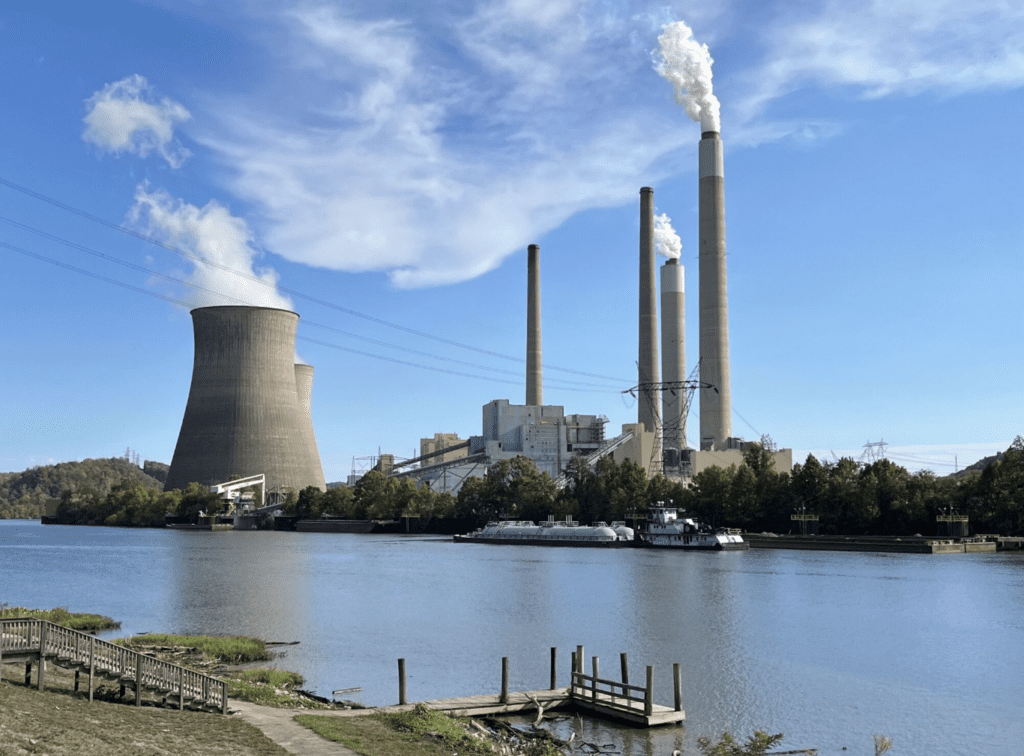
Following an April 2025 executive order directing DOE to expedite emergency authorizations and identify generating resources considered critical to grid reliability, the successive 90-day orders have blatantly kept several fossil-fired facilities available beyond scheduled retirement dates, beginning with Consumers Energy’s J.H. Campbell coal plant in Michigan and Constellation’s Eddystone Units 3 and 4 in Pennsylvania. Other orders have authorized extraordinary operating measures during severe weather, including dispatching specified generators beyond certain environmental operating limits and calling upon backup generation at large facilities. As recently as Oct. 12, the DOE authorized PJM to take emergency measures during the unseasonably warm conditions and maintenance constraints described earlier. Yet the expanding use of emergency authority has raised questions about its appropriate limits. On Sept. 11, the U.S. Court of Appeals for the D.C. Circuit vacated the DOE’s original order keeping the Campbell plant operating, finding that the circumstances identified by the department did not justify immediate federal intervention under Section 202(c). The plant continues to run under subsequent renewal orders.
Robb, meanwhile, warned that energy emergencies have kept climbing despite the federal orders. “Despite emergency orders from the Secretary of Energy, increasing numbers of energy emergencies have been called,” he said in his prepared statement. “These actions should not be normalized—there is clearly more work to be done.”
For utilities planning future generating capacity, the challenge increasingly extends beyond meeting a single seasonal peak. Mike Eugenis, director of resource planning at Arizona Public Service (APS), told FERC commissioners that resource adequacy requirements across the Southwest have shifted substantially over the past five years, as constraints on energy availability increasingly influence planning decisions. APS now explicitly models hydrological constraints and market liquidity, and Eugenis said the utility is getting better at modeling supplies from surrounding regions.
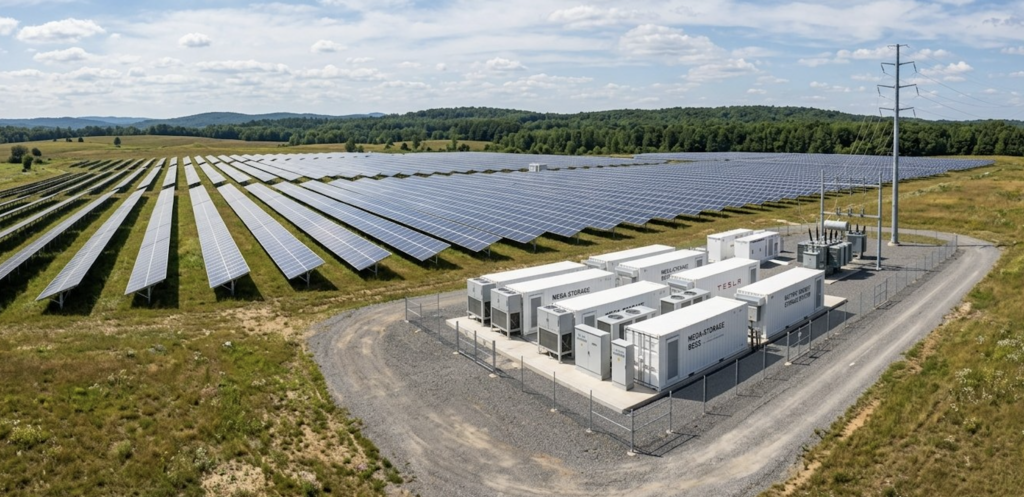
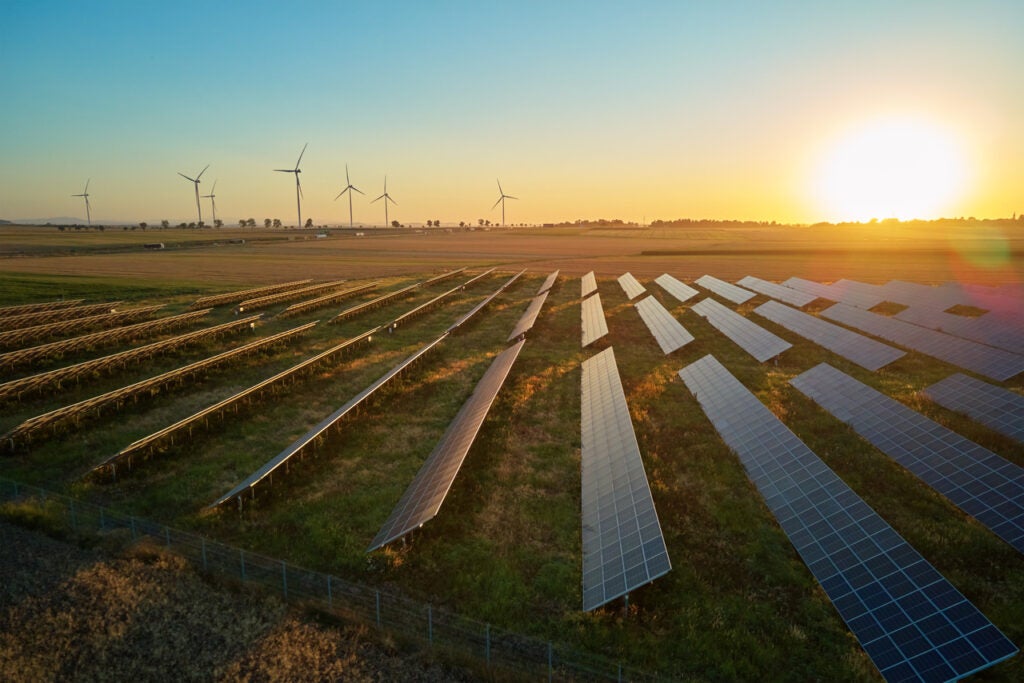
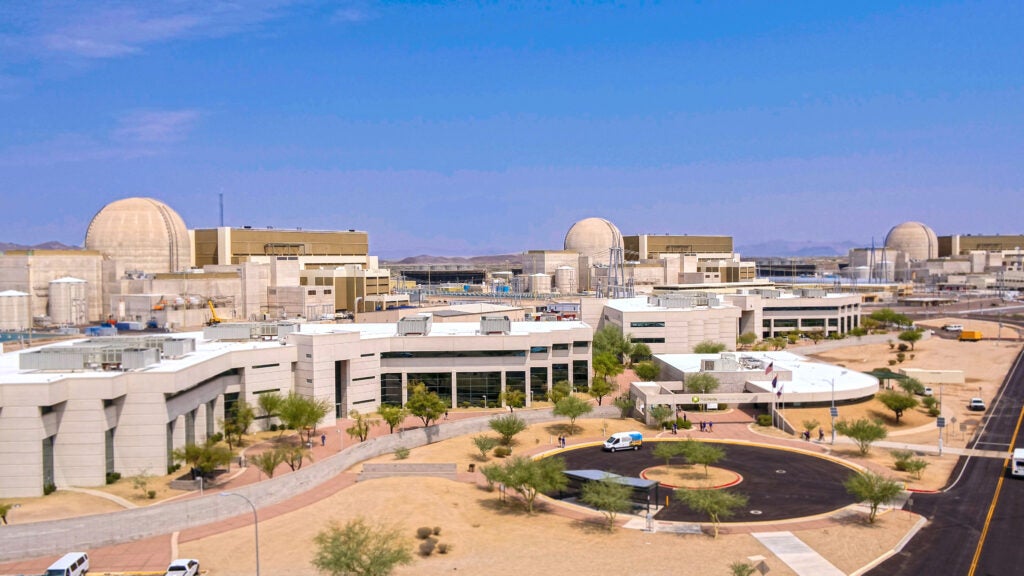
The shift has implications for the composition of future generating portfolios. When asked about the appropriate technologies for maintaining reliability, Eugenis emphasized the need to maintain a balance among resources. “It’s really about maintaining balance across those in any particular system that you’re studying going forward,” he said. For APS, that includes solar generation, battery storage, energy efficiency, and the Palo Verde nuclear plant (Figure 1), alongside natural gas-fired generation capable of providing dispatchable electricity and operational flexibility. And, to support existing and planned generating facilities, APS has contracted for a new natural gas pipeline from the Permian Basin to Arizona, Eugenis said.
Yet installed capacity alone does not establish how long a resource can sustain electricity production during periods of system stress. During the morning panel, David Owens, president and energy consultant at Da’VAS, identified battery storage as a responsive source of operational flexibility. But he cautioned: “It all depends on the state of charge.”
Across the Western Interconnection, meanwhile, the available mix of dispatchable generation is projected to change substantially (see sidebar, “When Water and Wildfire Threaten Generation”). Jeff Droubay, president and CEO of the Western Electricity Coordinating Council (WECC), told commissioners that natural gas and hydropower together account for approximately 57% of the region’s generating fleet, a share WECC estimates could decline to 38% by 2035. Those resources currently provide much of the region’s generation flexibility, he said. As hydropower becomes less predictable, Droubay warned that utilities are relying increasingly on natural gas for dispatchable capacity, reinforcing the importance of fuel infrastructure and gas-electric coordination.
When Water and Wildfire Threaten GenerationAdding to the series of grim challenges facing the bulk power system, prolonged drought across the Western U.S. is creating reliability risks extending beyond reduced hydropower production, experts warned during the Federal Energy Regulatory Commission’s (FERC’s) October reliability conference. The scale of the challenge is substantial. FERC Chair Laura Swett cited estimates suggesting that restoring reservoirs to levels capable of supporting 4,500 MW of Colorado River hydropower could require eight to 10 years of favorable precipitation and snowpack, conditions she said were not expected. Chris Colson, acting chief operating officer of the Western Area Power Administration (WAPA), noted that stored water in Lake Mead and Lake Powell has declined by roughly half over the past two decades. Jeff Droubay, president and CEO of the Western Electricity Coordinating Council (WECC), meanwhile, said preliminary assessments indicate other regional resources could accommodate curtailment or even a temporary cessation of generation at Hoover and Glen Canyon dams (Figure 2) over the next one to three years. He cautioned, however, that the assessment addressed resource adequacy rather than electricity prices, which could face severe impacts. 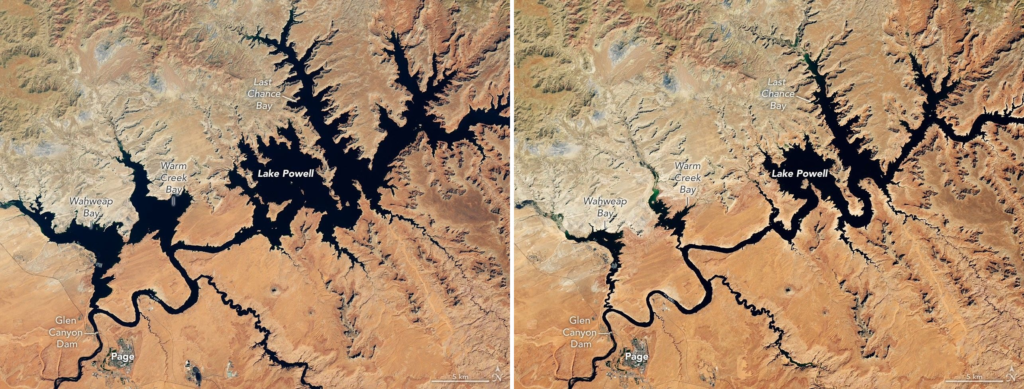 During the panel, Cody Allred, water resource and fuel quality manager at PacifiCorp, identified yet another threat: potential restrictions on Colorado River water rights, even where sufficient water remains physically available for thermal plant operations. PacifiCorp holds interests in 16 thermal generating units representing approximately 4,300 MW of dependable capacity across Utah, Wyoming, and Colorado. Many of its water rights are junior to the Colorado River Compact, Allred explained. The utility is evaluating alternative supplies, including existing storage rights, groundwater from an abandoned underground coal mine, and reservoir contracts. Depending on the facility, those measures could sustain operations for one to two years or, in some cases, four to five years, but longer-term alternatives would be considerably harder to secure, he warned. Meanwhile, hydropower faces different constraints. As Colson explained, reservoir storage allows operators to schedule electricity production during critical hours, but declining water supplies limit available energy. WAPA purchases replacement electricity when hydropower generation falls short of its commitments. Beyond the pressures imposed by prolonged drought, Western utilities are confronting increasingly complex wildfire risks that can disrupt electricity delivery even when generating resources remain available. Droubay identified wildfire as a leading concern among utility executives across the region, particularly because of its unpredictable effects on transmission infrastructure. During periods of heightened fire danger, operators may have to de-energize transmission lines to reduce ignition risks. Washington Utilities and Transportation Commissioner Ann Rendahl warned that such public safety shutoffs could interrupt electricity flows across a much broader area. She also pointed to the difficulties of maintaining vegetation along transmission corridors crossing federal lands, where differing land-management requirements can complicate preventive work. But fire can alter water availability long after the immediate danger passes. As Nathalie Voisin, a research scientist at Pacific Northwest National Laboratory, explained, forests help retain snowpack, which functions as natural water storage. “What happens after a wildfire is that your hydrology is going to be different with faster flows, and so you’re losing this water storage,” she told commissioners. “In addition, you’re getting more sediments in the reservoirs, so you’re also losing some of your active reservoirs for hydropower and for all of the other uses.” |
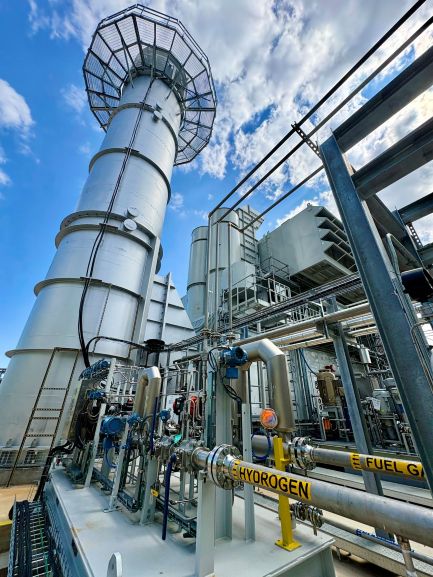
The evolving requirements are already changing how utilities evaluate resource adequacy. SRP’s Olsen said the utility continually reassesses the effective load-carrying capability of its resources, accounting for fuel reliability and other operational constraints. It’s not a one-time study, according to Olsen, “It is a constant review of what our resources are capable of contributing to,” he told commissioners. Rather than planning primarily for peak demand, he explained, “We’re thinking about capacity and energy across all hours of the year.” Increasing the dependable capability of existing plants, including through controls modernization, is one approach to meeting that need (see sidebar, “Beyond Plant Controls: Emerson on Automation, Flexibility, and Power Generation”).
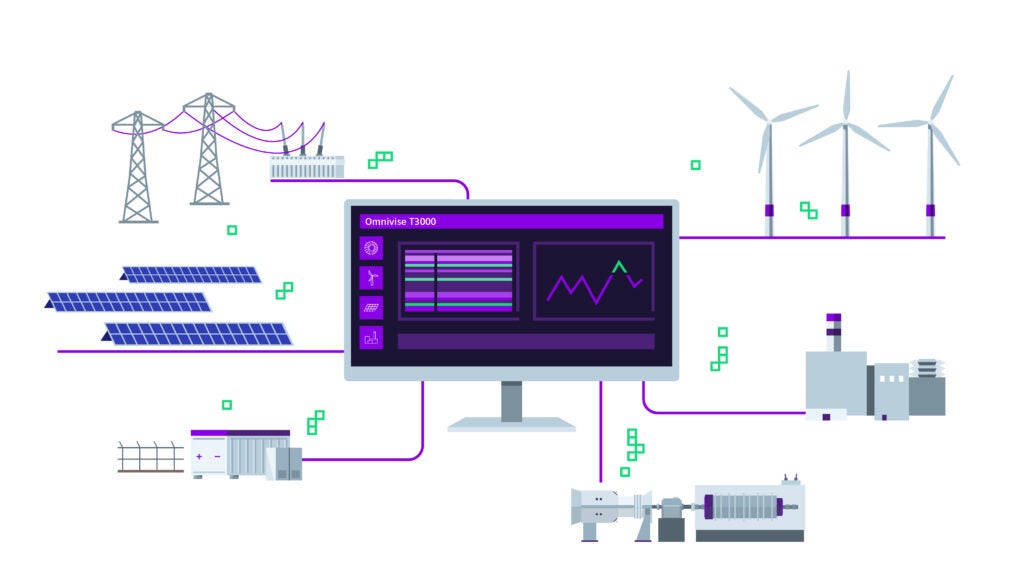
Beyond Plant Controls: Emerson on Automation, Flexibility, and Power GenerationPower plant automation has traditionally focused on controlling individual generating units and their associated equipment. But growing demands on conventional generation, along with the rise of inverter-based resources, energy storage, and large flexible loads, are exposing limits in control architectures built around individual assets. For power producers, the implications extend from managing equipment wear during frequent cycling and faster ramping to coordinating resources that respond differently to system disturbances. Modernization decisions must also account for the operational capabilities that existing plants can provide, the costs of maintaining those capabilities, and the increasingly sophisticated tools operators need to manage them.Mirela Patrascu, vice president of global marketing at Emerson, discussed these issues with POWER, including the evolution toward distributed intelligence, measurable returns from controls modernization, and the growing importance of retaining institutional operating knowledge as experienced personnel retire. Her responses have been edited for length. POWER: As electricity demand accelerates, how are power producers changing their priorities? Patrascu: We’re seeing power producers move away from an either-or mindset. The question is no longer simply, “Do I build new capacity or extend the life of what I have?” Increasingly, they have to do both, while also making the existing fleet substantially more flexible. So we’re seeing three priorities come together: preserve dependable capacity, add new capacity where it is needed, and increase the operational flexibility and performance of both. POWER: What technical consequences arise as existing gas-fired and steam-cycle plants face more frequent cycling and faster ramping? Patrascu: Many existing plants are being asked to operate in ways they were not originally designed to operate. Cycling and faster ramping can place additional demands on thermal equipment, rotating equipment, valves, and balance-of-plant systems. Sustained high-output operation creates a different challenge because it can reduce operating and maintenance flexibility. From a controls perspective, that means operators need much better visibility into the condition of the plant and the consequences of operating decisions. Ultimately, flexibility has a cost, and it needs advance planning and recovery plans. The objective of advanced controls and analytics should be to make that cost visible and help the operator continuously find the best balance between dispatch requirements and asset health. POWER: How are inverter-based generation and storage changing requirements for plant controls? Patrascu: As inverter-based resources and storage increase, power-system behavior changes. Frequency, voltage, and disturbance response can become faster and more complex, and generating assets are increasingly expected to interact with resources that behave very differently from conventional synchronous generation. The next generation of controls therefore needs to understand not only the individual asset, but also the operating context around that asset. That means faster data, better models, stronger coordination, and ultimately control strategies capable of adapting to changing system conditions. POWER: Where do existing automation architectures fall short in coordinating conventional generation, renewables, and storage? Patrascu: Historically, we automated assets. Increasingly, we need to orchestrate systems. A conventional plant, renewable resource, battery, and large flexible load may each be highly automated individually, but optimizing each independently doesn’t necessarily optimize the overall system. The plant-level control system remains essential because deterministic, resilient control close to the physical process is fundamental. But around that foundation, we need an intelligence layer capable of understanding context across assets and helping operators coordinate them. That does not mean replacing operators with AI. It means giving operators significantly better situational awareness and decision support, while maintaining appropriate boundaries around autonomous control. POWER: Can you identify measurable improvements resulting from plant automation modernization? Patrascu: A good example is Salt River Project in Arizona. SRP recently modernized excitation and plant controls across four hydroelectric dams, representing 265 MW of generation, by standardizing on Emerson’s Ovation Automation Platform. The project reduced operations and maintenance costs by 30% and cut troubleshooting time in half, while helping SRP maintain unit reliability in the 90th percentile. Improved operational visibility also helped avoid startup and shutdown delays that could otherwise have doubled their duration. POWER: How should utilities compare modernization investments against new generating capacity? Patrascu: A megawatt of new nameplate capacity and a megawatt of dependable, flexible capacity are not necessarily economically equivalent. Producers should consider what additional capability modernization can unlock from the installed asset: availability, ramp capability, lower minimum load, efficiency, operating visibility, cybersecurity, reduced maintenance exposure, and potentially longer useful life. That’s why I would evaluate investments based on the incremental dependable capability they provide, rather than simply comparing new-build capital costs with modernization capital costs. POWER: Looking toward 2030, which operational challenges are receiving insufficient attention? Patrascu: The challenge I believe we’re underestimating is coordination complexity. And a second challenge we shouldn’t underestimate is workforce transition. We’re simultaneously increasing system complexity while experienced operators and engineers are leaving the workforce. We have already started talking about this challenge, it is already a reality and will start to have enormous impact when institutional operating knowledge leaves and we do not have a knowledge transfer plan for next generation. Capturing operating knowledge digitally and making sophisticated systems easier to understand will therefore be critical. |
NERC is pursuing a similar approach through its proposed energy assurance reliability standard. “Our work on developing an energy assurance standard aims to improve understanding of how much dependable energy is going to be available to serve load during periods of stress,” Robb explained in his opening testimony.
Fuel Security and Infrastructure Dependencies
Even as utilities work to secure additional generating capacity, the infrastructure needed to support those resources is emerging as another source of reliability risk. Natural gas “now provides nearly half of the fuel for power generation in the country,” Robb noted, pointing to a dependency that NERC is addressing through new data collection to better assess supply risks.
In January, that dependency faced a major stress test during Winter Storm Fern, as U.S. natural gas demand peaked at 172 billion cubic feet per day (Bcf/d) on Jan. 24, while unplanned generator outages across the Eastern and Texas interconnections reached 68,169 MW two days later. As FERC later documented, dry gas production fell by as much as 14% nationwide, and the U.S. Energy Information Administration reported a record 360 Bcf storage withdrawal for the week ending Jan. 30. Although no grid operators reported manual load shedding and the gas system avoided widespread interruptions to firm customers, the episode underscored the importance of fuel availability during prolonged periods of extreme demand.
NERC had previously cautioned in its 2025–2026 Winter Reliability Assessment that freeze protection remains voluntary across much of the natural gas industry, while generators that fail to secure firm fuel delivery “are frequently unable to access fully subscribed pipelines.” And now, growing electricity demand is poised to sharpen those pressures. NERC’s 2025 Long-Term Reliability Assessment estimates that nearly 40 GW of planned gas-fired winter capacity additions across six assessment areas could consume as much as 6–11 Bcf/d during a peak winter day.
Although pipeline additions are advancing in those regions, NERC has warned that generators will still have to compete for firm gas supply and transportation during periods of high demand. Compounding that prospect, meanwhile, is that data centers pursuing dedicated gas-fired generation could intensify competition for firm fuel supplies, Robb warned. Large data center operators, he noted, “can afford to firm that gas up in ways that merchant generators can’t.” He cautioned: “We’re looking at a potential fuel crisis down the road if we don’t ensure that the gas system keeps pace with this demand as well.”
But fuel limitations can also constrain the reliability of large-load curtailment arrangements. Wayman Smith, managing director of transmission planning at American Electric Power, representing the Edison Electric Institute, noted that customers relying on backup generators to reduce grid demand during emergencies may have “limited fuel” or air permits that “only allow so many hours” of operation. Such limitations, he suggested, are not sufficiently visible to grid planners and operators.
Yet securing generation and fuel addresses only part of the infrastructure challenge. At Dominion Energy, the increasingly limited opportunities to take transmission equipment out of service are becoming a major impediment to expansion (Figure 3). Brian Starling, the utility’s director of electric transmission system operations, told commissioners that Dominion must schedule outages to connect new loads, perform maintenance, and rebuild existing transmission corridors. But rising demand is making those outages extraordinarily difficult to accommodate.
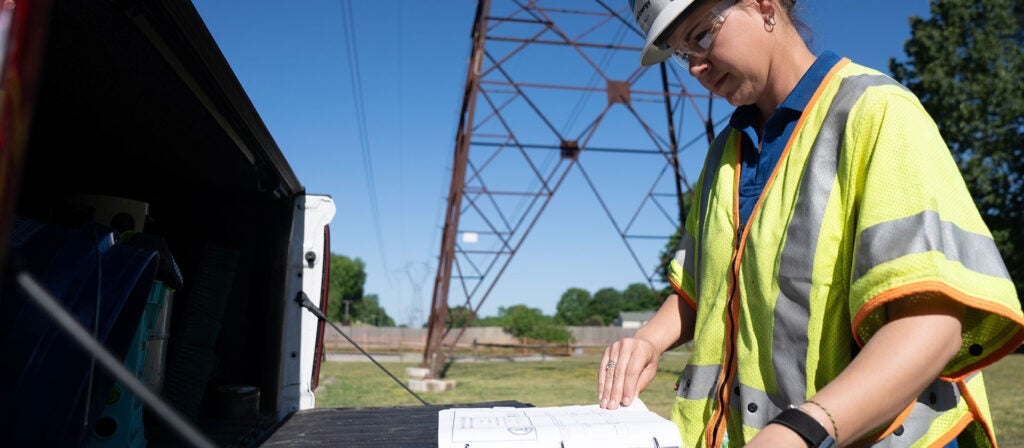
The problem is particularly acute because Dominion is “out of real estate to build new infrastructure,” requiring the utility to expand within existing rights-of-way. “So we may have two transmission lines in a right-of-way currently. We need to come back and add four in that same space. We have to remove the first two. And getting those two elements out of service even during our valley periods has become practically impossible,” Starling explained.
Finally, equipment shortages are imposing further constraints on grid expansion. Medium and large power transformers now face lead times of three to four years, Joe Donovan, executive director of the Transformer Manufacturing Association of America, said during a Sept. 16 webinar hosted by SAFE’s Center for Grid Security. “We’re at full capacity,” he said, noting that manufacturers themselves are struggling to obtain critical components. Bushings rated 230 kV and above, for example, carry estimated lead times of 150 weeks. Wood Mackenzie, in an Aug. 31 analysis, estimated shortages of 15% for power transformers and 8% for substations in 2026.
But the constraints extend well beyond transformers. “A transformer alone doesn’t move the power to the place, right? We need switchgear, we need circuit breakers,” said Bridget Bartol, executive director of industry and regulatory affairs for the grid at the National Electrical Manufacturers Association (NEMA). Manufacturers are also grappling with rising input costs. Since 2019, Donovan estimated, domestic grain-oriented electrical steel (GOES) prices have increased roughly 35%, while copper costs have climbed approximately 120%, even before tariffs. He noted that the U.S. produces only about 6% of the world’s GOES, compared to China’s estimated 65% share at the end of 2025. Similar vulnerabilities extend to grid-scale energy storage, Bartol explained, since diversifying battery chemistries does not necessarily eliminate common dependencies on material processing, manufacturing equipment, and power electronics.
And, at least for now, federal policy may exacerbate those shortages. Executive Order 14421, issued Aug. 26 to address national security risks associated with foreign-produced grid equipment, authorizes the DOE to restrict transactions involving a broad range of technologies, including transformers, inverters, battery storage, generators, turbines, high-voltage circuit breakers, and control systems, as well as associated software and firmware. The restrictions could further narrow equipment supplies at a time when domestic manufacturers are already struggling to meet demand. Although the order requires the DOE to consider “the availability of secure replacements” before directing the removal of installed equipment, Danielle Russo, executive director of SAFE’s Center for Grid Security, warned during the webinar that imposing restrictions without viable alternatives would mean “We’re really just moving risk around. We’re not diminishing it.”
A More Flexible Reliability Equation
Against these mounting constraints, some technology developers are proposing a different approach to managing large-load growth: making the demand itself more flexible. Varun Sivaram, founder and CEO of Emerald AI, told FERC commissioners that advances in computing technology could allow certain AI workloads to be slowed, shifted between locations, or coordinated with battery storage to reduce electricity consumption when grid conditions warrant.
Sivaram pointed to demonstrations involving commercial data centers, including an Arizona project that reduced power consumption by 25% over three hours. He also outlined plans for a 100-MW demonstration involving Dominion Energy, PJM Interconnection, NVIDIA, and Digital Realty, intended to test flexible computing at a larger scale. Emerald has reported responses in less than 40 seconds and curtailment lasting 10 hours or more across its demonstrations.
However, the commercial arrangements needed to make such flexibility dependable remain unsettled. Sivaram proposed offering data centers “priority access to power systems” in exchange for verifiable, enforceable commitments to reduce consumption when directed. In one deployment involving a utility partner, he said, “the circuit breaker gets flipped if you fail to actually achieve the flexibility you’ve committed to.”
Robb acknowledged the opportunity, but cautioned that utilities and large-load operators still lack systematic processes for determining when flexibility should be triggered, how much demand should respond, and how the resulting risks should be assessed. Those arrangements would need to be established before grid operators could reliably incorporate the flexibility into system planning.
The emerging approach could nevertheless change a longstanding assumption about electricity demand. As Robb observed, utilities have traditionally treated load as something they must accommodate. Now, he suggested, the question is “how do we harness load to buttress the reliability of the whole grid for everybody else.”