Huawei partners with solar providers to bring electrification to remote areas.
The price of diesel is a cause for concern everywhere right now. But in remote areas of Latin America, high diesel prices can mean the difference between having light at night or using candles, being able to refrigerate food, and medical facilities being able to run at night.
The overall electrification rate across Latin America and the Caribbean is 98%. That leaves 16 million people without electricity and another 60 million people, primarily in rural and Indigenous communities, enduring frequent blackouts and exorbitant electricity costs. They have traditionally relied on trucks bringing diesel to them over dirt roads, or by boat at prices much higher than in urban areas. As rural communities are often already economically depressed, many found it difficult to afford to run generators to keep the lights on.
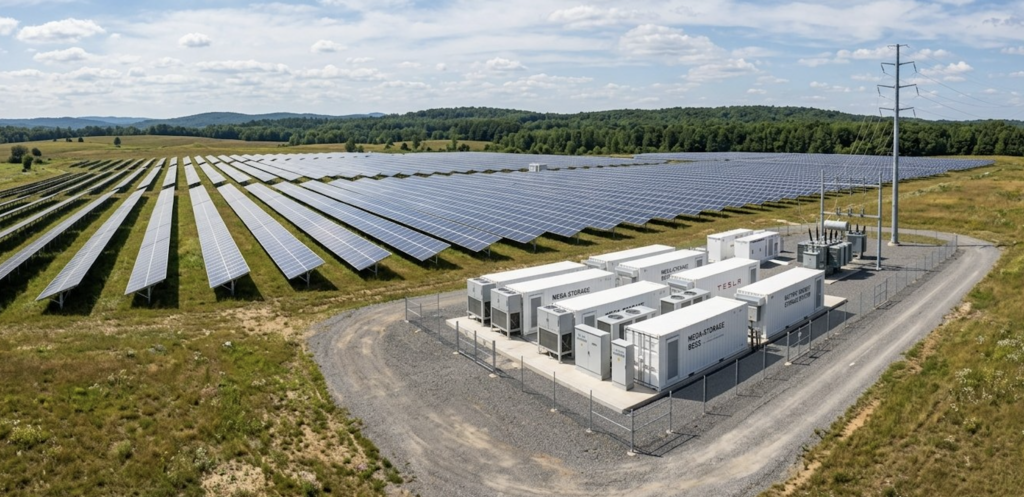
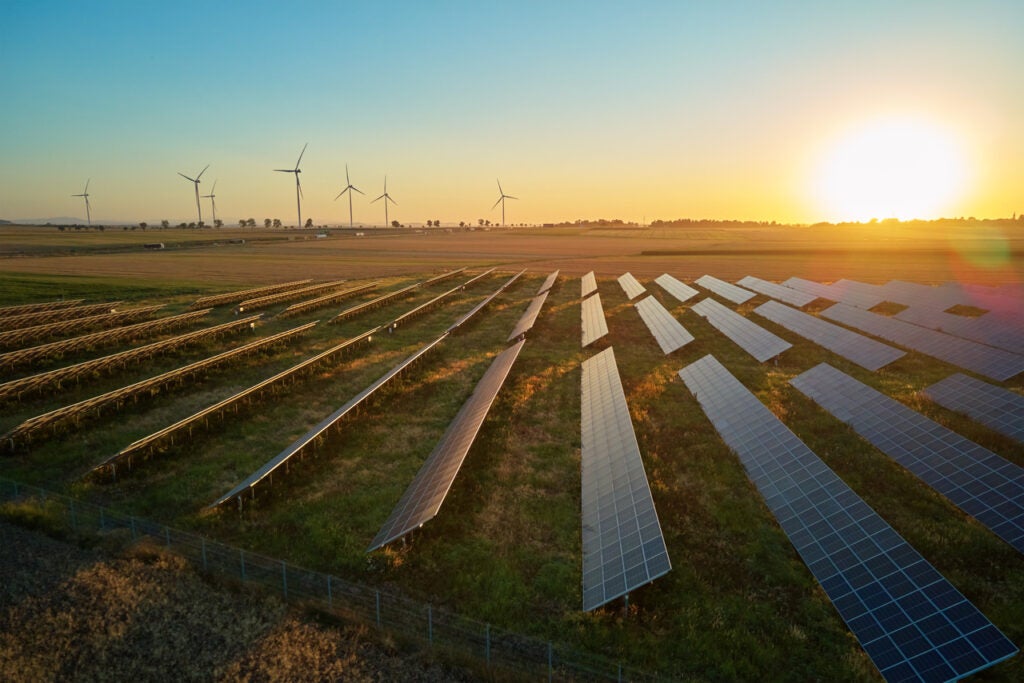
With grid operators struggling with the logistics of bringing power to areas far distant from generation facilities, an alternative is emerging. Solar power developers are partnering with Huawei to implement battery energy storage systems (BESS) to extend the range of solar energy far into the evening.
Remote Energy Problem

Remote areas suffer from lack of electrification across Latin America. The Pan-Amazon region (countries sharing the Amazon rainforest including Brazil, Peru, Colombia, and Bolivia) has five million households that lack access to reliable electricity. In Brazil, for example, 99.8% of households are electrified. What remains entails the construction and maintenance of transmission lines across the forbidding Amazon basin. Hence, 1.2 million people in deep-rainforest indigenous and riverine communities rely on diesel transported via waterways. Another million live completely off the grid.
Power deficits in remote parts of Mexico also constrain rural economic development and quality of life. Although national electricity coverage has reached 99.9%, almost 140,000 remain disconnected due to the prohibitive cost of main-grid extensions. The Federal Electricity Commission (CFE) aims to reach 99.99% coverage by 2028 mainly through off-grid systems.
The best way to increase coverage is via small microgrids that are environmentally sustainable and cost-competitive. A study by Brazilian firm Envol found that the solar panel/battery combination reduces average generation costs by 44% compared to diesel generators. This eliminates the need to transport fuel over enormous distance and across forbidding terrain.
Huawei Projects in Latin America
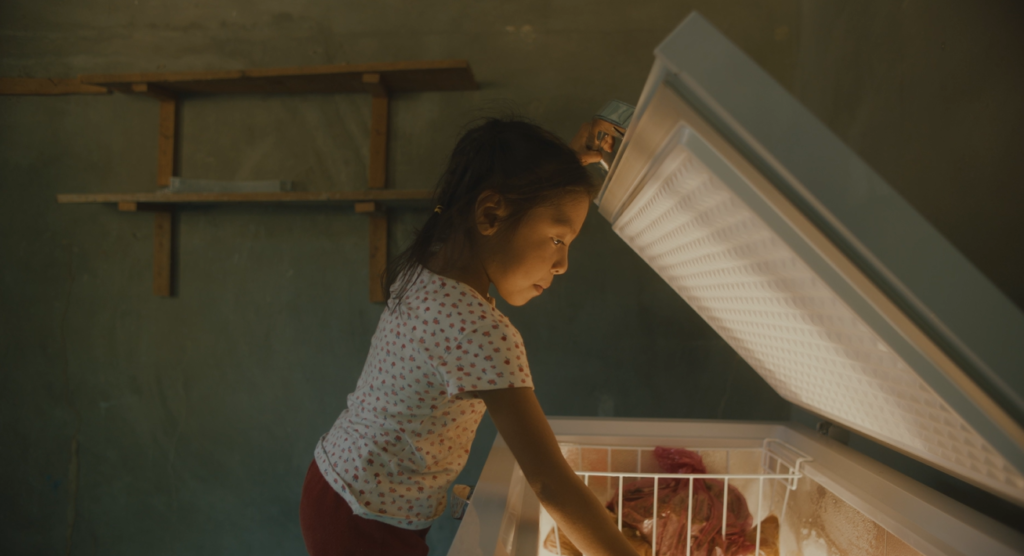
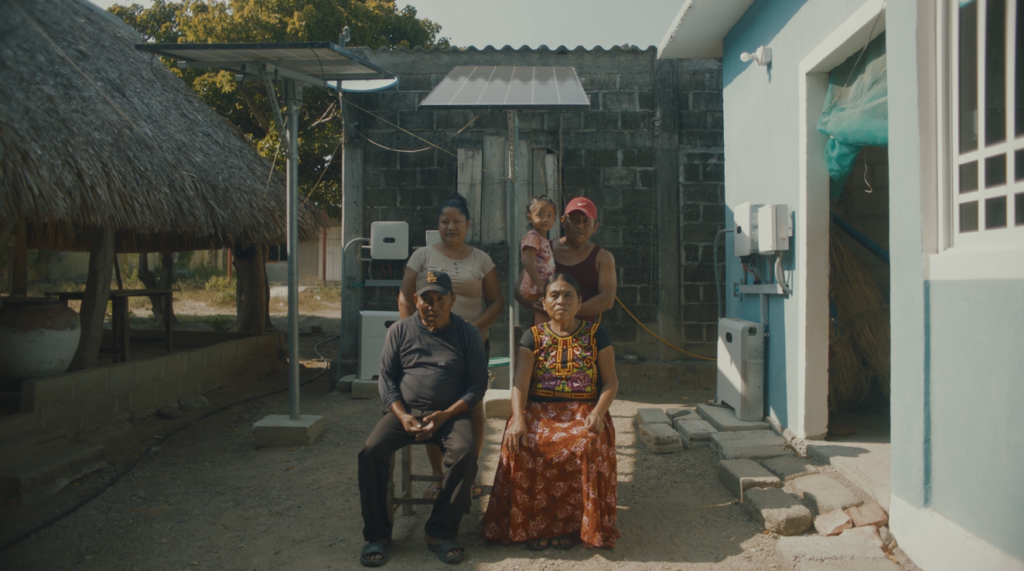
Here are a few of these projects recently implemented in Latin America. In Mexico, Huawei partnered with EPC firm Solarvatio to deploy 73 solar modules with integrated Huawei energy storage in San Dionisio Pueblo Viejo, Oaxaca, delivering stable power to over 100 remote households. The new system provides dependable electricity that supports household lighting, mobile communication networks, agricultural cold storage, and evening educational activities.
“We work with local partners to bring clean, reliable electricity to communities where it’s hard to extend the power grid,” said David Tao, CEO, Huawei Mexico. “In Pueblo Viejo, we paired Solarvatio’s solar panels with Huawei batteries so families could still keep their fridges running and their lights on after sunset.”
Across Mexico, Huawei has enabled partners to power over 2,200 off-grid households. Providing residential inverters and residential energy storage solutions helped partners deploy solar energy rapidly to remote areas facing power shortages. These inverters convert direct current from the solar panels or batteries into alternating current for household use. Huawei’s Lithium Iron Phosphate (LFP) batteries achieve a deeper depth of discharge (DoD) compared to traditional lead-acid batteries, extending the number of evening hours of power. The system supports IP66 dust- and water-resistance, allowing operation when exposed to moisture, rain, and dust, thereby enabling outdoor installation. This ensures safe deployment and reliable operation even in remote communities lacking infrastructure.
Huawei and Aggreko are collaborating on the development of a renewable energy project in Brazil’s Amazon region that will reduce CO2 emissions and diesel consumption in isolated communities. This project entails 122 MWh of battery storage capacity that will operate in synergy with solar microgrids built across communities in 24 locations. This includes cities such as Tefé, which is home to about 75,000 people. The project will take up to three years for full implementation, with the plants coming online between 2027 and 2028. As well as diversifying regional power supplies and reducing dependency on thermal power plants, this development will yield annual benefits that include a reduction of 37 million liters of diesel consumption and 104,000 metric tons of CO2 equivalent emissions.
Also in Brazil, Huawei is involved in the “Light of the Forest,” a joint effort with the Federal University of Acre (UFAC) to deploy a smart hybrid PV system that will provide continuous electricity for the Kaxinawá Indigenous village in Acre. To support the initiative, the company will also provide free professional certification to enable communities to install and maintain their own solar and battery facilities.
Finally, in Peru, Huawei helped 13 community healthcare centers to improve the reliability of their electricity supply. While over 80% of Peru’s population relies on public primary healthcare, remote medical centers frequently face high electricity consumption. Power disruptions have been jeopardizing cold-chain vaccine storage, critical medicine preservation, and maternal care services. To solve this problem, Huawei teamed up with Novum Solar and ELECTROPERU to supply turnkey smart photovoltaic (PV) and BESS systems to these healthcare facilities, featuring high-efficiency PV inverters and a Huawei Smart String Energy Storage System. It uses independent pack optimizers and smart rack controllers to control charging and discharging individually. This prevents serial and parallel mismatches, allowing the system to discharge about 15% more energy over its lifespan and reduce the Levelized Cost of Storage. The system guarantees 24/7 power for medical equipment and cold-chain storage—significantly elevating healthcare service quality and resilience for surrounding rural communities.
Watch a video of how one of these projects impacted a family in coastal Oaxaca, Mexico, at: https://www.huawei.com/en/media-center/tech-cares/2026/mexico-digital-power.