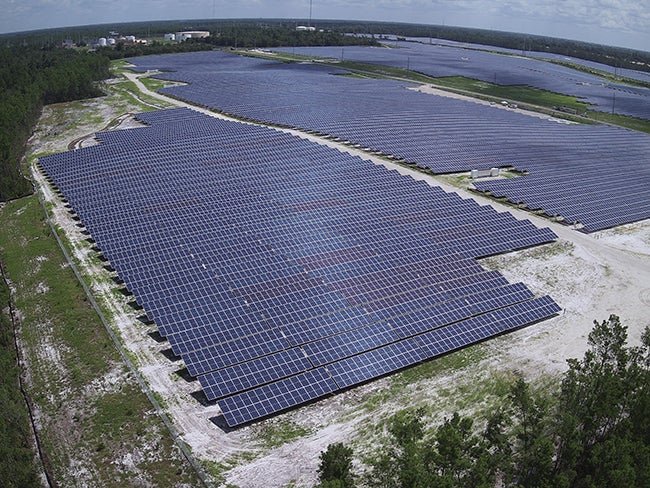
The acceleration of the energy transition in recent years has pushed the renewable energy market into a new phase of its journey. According to the International Energy Agency (IEA), renewables are now relied upon to provide more than a third of the world’s power (and growing), as global narratives around clean energy shift away from net zero toward energy security and resilience.
With renewable energy portfolios increasing in scale and sophistication to meet this need, and the market facing a cocktail of new challenges, the role of the asset manager is fundamentally changing.
 |
|
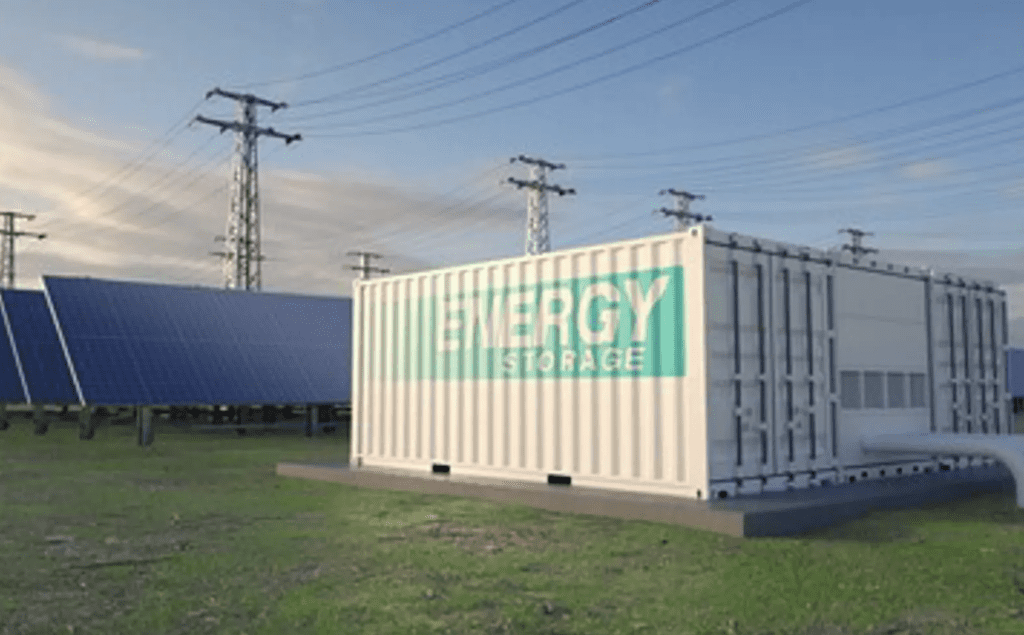
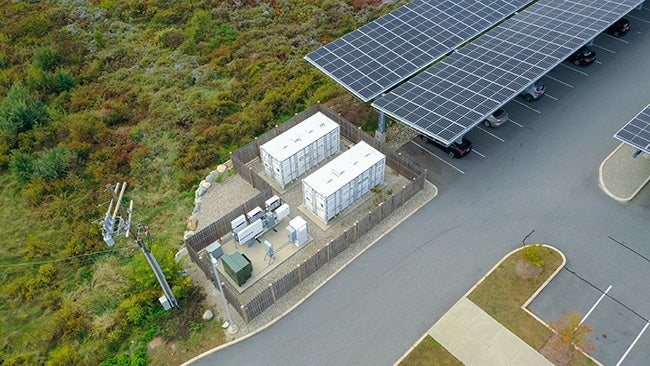
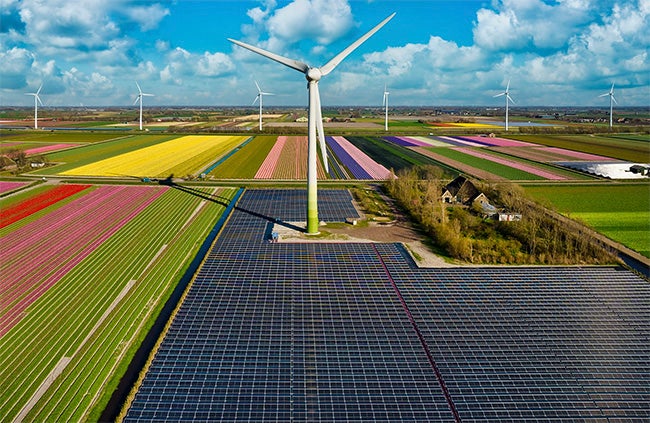
1. A single renewable energy power generation site can now combine wind, solar, and storage, each adding its own layer of technical and commercial complexity. Source: Power Factors |
Specifically, they must adapt to blend their technical and commercial expertise with a strong understanding of how portfolios are performing across diverse technologies (Figure 1) and geographies. They must also find ways to navigate external pressures such as extreme weather, geopolitical uncertainty, shifting energy demand, and the downstream effects of supply chain bottlenecks.
While physical generation and storage infrastructure has rapidly progressed, adoption has lagged behind for the operational and digital infrastructure needed to ensure the highest levels of performance and revenue. Today’s new breed of renewables asset manager needs an upgraded toolkit, including artificial intelligence (AI)-powered solutions—discerningly—to keep pace with market demands and meet the changing expectations of their role.
Expanding Role of the Asset Manager
There was once a time when asset managers were primarily technical experts, their main priorities being to track energy production, supervise performance ratios and asset availability, and analyze the root causes of issues impacting generation. This role remains critical and has become more demanding, now that portfolios have evolved greatly in capacity, technology type, and geographical location. The technical expertise of asset managers is spread much more thinly today than ever before as they strive to manage diverse assets pumping out disparate streams of data. A small portfolio might pull from 10 to 30 data sources; a larger one can mean managing 50 to 200.
However, commercial and financial attributes are just as important as technical attributes for asset managers today as they manage a wider array of contracts and grapple with multiple potential revenue streams. Across an asset’s lifespan, the asset manager is responsible for meeting all kinds of contractual agreements, whether that’s an original equipment manufacturer warranty for the early stage of operational life, a power purchase agreement (PPA) to deliver an agreed volume of clean energy, or an insurance policy to mitigate catastrophic risks.
 |
|
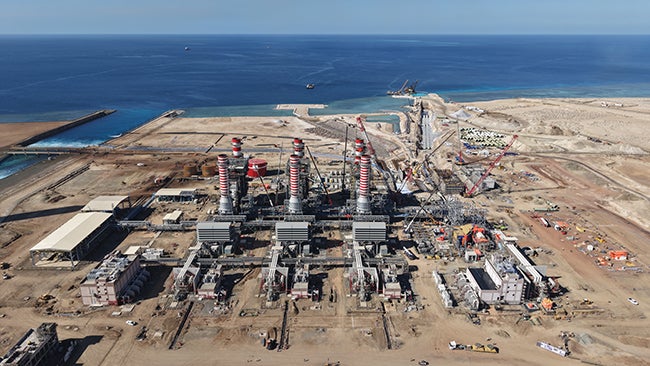
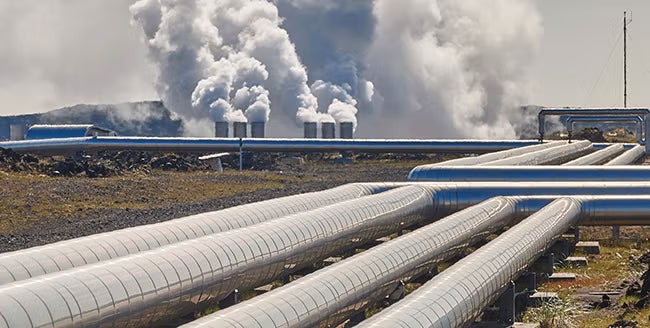
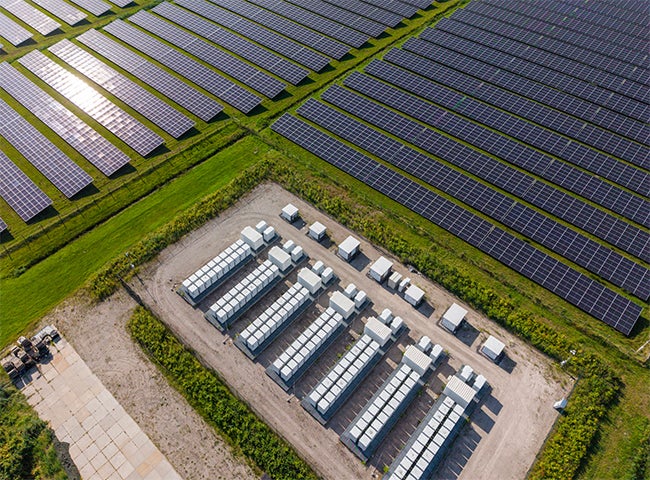
2. Generation and storage now share the same fence line, and increasingly, the same set of commercial decisions. Source: Power Factors |
Meanwhile, the rise of battery energy storage systems (BESS) has increased the number of revenue options available for owners to pursue as renewable energy services expand beyond purely generation (Figure 2). The same battery might earn more through arbitrage, ancillary services, or capacity payments depending on the day and market, and cycling it harder to chase that revenue can accelerate degradation, turning “maximize revenue” into “maximize lifetime value.” Even the underlying contracts are evolving to keep pace. A PPA increasingly pairs generation with a separate tolling arrangement for storage, rather than acting as one fixed agreement.
This shift is turning the asset manager from a solo operator into an orchestrator. Their job increasingly means connecting operations and maintenance teams, commercial functions, and owners and investors, and making sure the right information reaches the right people in time for decisions to be made. The technical work hasn’t gone away; it now sits alongside a coordinating role that didn’t exist in the same way before.
That orchestration role carries real financial weight because the profitability of a portfolio depends on the asset manager’s ability to navigate the changing economics of technical, commercial, and financial performance. At the same time, this job has become more complex due to wider market challenges.
Although renewable energy assets thrive in locations of high irradiance or abundant wind, their resilience against increasingly extreme weather in recent years has been sorely tested. As the global renewables footprint has grown, assets have been more exposed to the elements, and destructive weather events like hail and lightning have caused major losses, forcing asset managers to move faster on damage assessment, insurance claims, and repair prioritization when severe weather hits.
Beyond extreme weather, day-to-day asset management continues to be affected by supply chain bottlenecks that have delayed critical maintenance, repair, and replacement work at great expense; by exploding demand for power as the data center boom gathers momentum, straining grid capacity and complicating how assets are dispatched; and by geopolitical tensions that have caused more volatility in the energy market.
Upgrading the Toolkit
In a market developing at an unprecedented pace, asset managers need ways to make sense of a potentially overwhelming data avalanche. The industry has seen an opportunity with AI-powered solutions to cut through the background noise and extract the data that informs truly value-generating asset management decisions. Increased automation also frees asset managers to focus on the tasks that require their unique expertise.
This ambition is justifiable, but the reality is that while generative AI tools add quite a lot of value in isolated areas, such as summarizing contracts and compliance documents or basic reporting, they lack the foundational context of renewable energy operations to deliver the kind of competitive advantage that today’s asset managers are seeking. Their inability to speak the language of renewables means that these models are more likely to create challenges for asset managers rather than alleviate them.
When we talk about upgrading the toolkit for asset managers to meet today’s exacting expectations for operational growth, we must focus on solutions that actually empower teams to do their best work, rather than introducing new constraints. To connect the technical, commercial, and financial considerations that unlock new value, the AI tools the industry adopts must provide accurate insights that are transparently verifiable. This is the difference between an evidence-based solution and one based on a best guess.
To credibly integrate AI into renewable energy asset management, the model has to be native to the domain in which it is providing support. We trained Unity REMI, Power Factors’ renewable energy management intelligence engine, on operational data from more than 310 GW of renewable energy assets globally, shaped by a decade of domain expertise working alongside renewable energy operators. Embedded in the Unity renewable energy management suite, REMI understands the specific context of every asset it supports so it can act on evidence, not assumptions.
This is crucial because what is commonly overlooked in the goal to optimize operations is the importance of optimizing the role of the asset manager. Discerning use of credible AI-powered systems—rather than time wasted verifying the outputs of an in-house or generic model—can provide the foundation for asset managers to identify and double down on the unique value that sets their portfolio apart.
Consider an asset flagging an unexpected performance dip. A generic AI tool might suggest a likely cause, but the asset manager still has to verify it against the specific turbine, weather pattern, or contract terms involved. A domain-native system checks that context automatically, separating the roughly 20% of signals that actually require action from the 80% that don’t, freeing the asset manager to make the call on whether to dispatch a technician or file a warranty claim.
 |
|
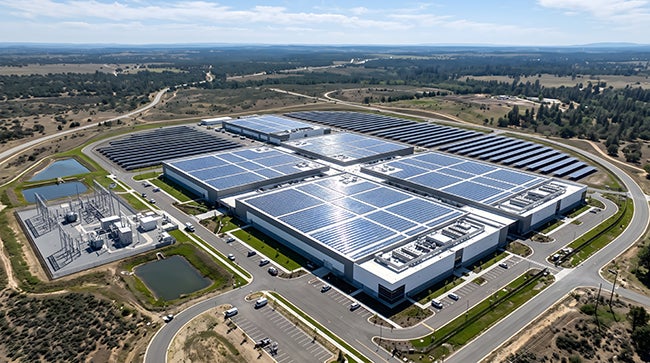
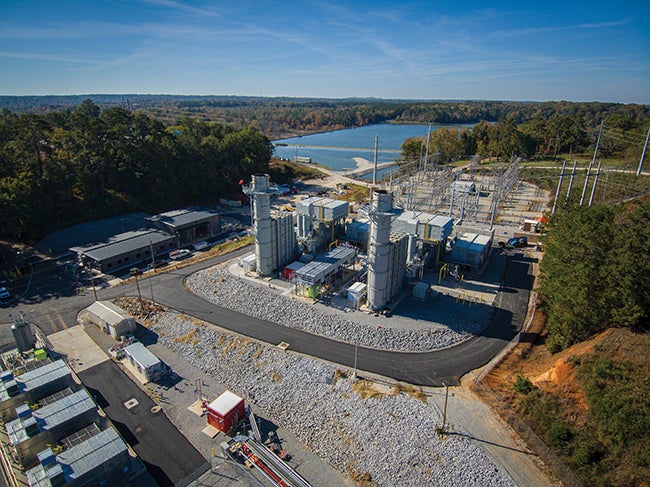
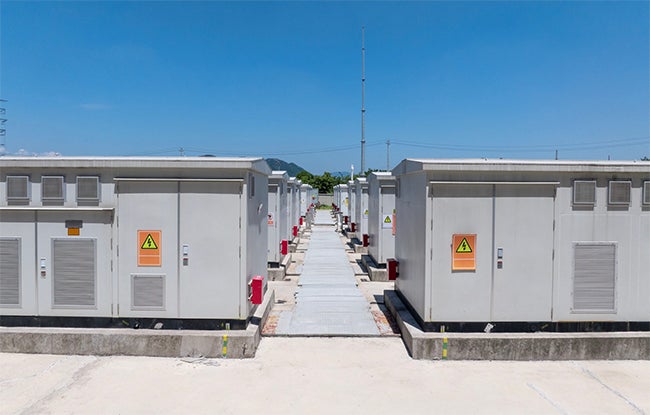
3. Every enclosure here represents a live charge-or-hold decision, not a fixed output. Source: Power Factors |
The same applies to more complex decisions. Facing curtailment, should the battery charge, hold capacity for an ancillary-services opportunity, or meet a PPA obligation, and what does each choice cost in future revenue (Figure 3)? A domain-native system surfaces those trade-offs in one place, instead of the asset manager piecing them together from separate tools.
As the complexity of the market deepens and the gap between technological and operational sophistication widens, the new breed of asset manager needs more than quick- fix solutions to make their current job easier. They need a trusted platform that supports them as both operator and orchestrator, empowering them to focus on connecting the people and information their portfolio depends on, and to find their competitive edge within a fast-changing industry.
—Deborah Beatty is chief strategy officer for Power Factors.