Renewable energy developers, independent power producers, utilities and investors have spent the past several years navigating a shifting trade environment affecting solar modules, batteries and wind components. Due to a recent U.S. Supreme Court decision, that now has changed for those who have utilized international supply chains to build their qualifying electric assets. If you invested into capital expenditures starting as early as November 2024, you may be eligible for a refund under the repealed International Emergency Economic Powers Act (IEEPA) tariffs, but there is potential for additional risk.
COMMENTARY
Tariffs previously paid under IEEPA may be refunded through established customs processes. These tariffs have historically been recorded as a cost of construction and added to the tax and regulatory basis of assets for energy companies. However, being eligible for a refund could have significant implications across project finance structures, tax positions and regulatory filings, which can impact tax investors, asset owners and ultimately rate payers.
Role of Tariffs in Renewable Energy Supply Chains
Large-scale renewable energy projects depend on complex global supply chains. Even when equipment is sourced from domestic manufacturers, many components are produced abroad.
During the period when IEEPA tariffs were in effect, imports of certain energy-related components faced significant duties, with rates varying by product type and country of origin. To further complicate things, tariff rates applied to global shipments, at times, changed weekly depending on the administration’s orders. Solar equipment, in particular, experienced substantial tariff exposure due to global manufacturing concentration.
In many projects, however, the entity paying the tariff was not the utility or project owner, but rather, the importer of record (IOR). The IOR often was:
- An equipment manufacturer.
- A supplier or distributor.
- An engineering, procurement and construction (EPC) contractor.
Those costs were typically incorporated into equipment pricing and ultimately flowed into the capital cost of the project. In most scenarios, the IOR is the entity that can secure the refund.
Why the Supreme Court Ruling Matters Now
As most tariffs were embedded within procurement costs, many project owners may not have visibility into the amount of duty included in equipment pricing. If those tariffs are ultimately refunded, the financial implications may extend across several layers of a project’s structure.
Potential impacts include:
- Capital cost adjustments for renewable energy assets.
- Regulatory implications for utilities recovering project costs through rates.
- Tax basis changes affecting investment tax credit (ITC) calculations.
- Financial impacts for developers, investors and lenders.
For utilities operating under state regulatory frameworks, tariff costs may also influence rate base calculations with the ultimate impact to user rates. If tariffs increased the cost of construction, those costs may have been reflected in regulatory filings and rate recovery models.
Conversely, if tariffs are refunded, utilities and regulators may need to evaluate whether those amounts should flow back through the project economics, which may affect tax investor reporting, minority interest calculations, hypothetical liquidation and book value calculations, tax credit recapture, payments in lieu of taxes, among others.
Contract Structures Will Determine Benefits
A key factor in determining whether project stakeholders can benefit from tariff refunds is the contractual structure of equipment procurement.
In most renewable energy projects, the IOR is the only party that can directly claim a refund from customs authorities. Whether those funds should flow to the project owner or investor depends on provisions in supply and construction agreements.
These provisions may include:
- Cost pass-through clauses.
- Indemnification provisions.
- Purchase price adjustments tied to tariff changes.
- Rebate or recovery mechanisms within EPC contracts.
- Claw-back or trailing fee provisions.
Because these agreements vary widely across projects, each situation requires individual analysis. Unfortunately, it’s not always easy to determine, but doing so can at times mean a significant cost reduction and cash flow injection back to the asset owner.
Additional Tax and Accounting Considerations
Beyond contractual rights, tariff refunds could create downstream tax and accounting implications. If a tariff refund effectively reduces the cost of equipment, the adjustment may affect the tax basis of the project’s assets. In projects claiming federal energy tax credits, this could influence credit calculations and investor returns.
For projects financed through tax equity structures, tariff refunds may also interact with project valuation and investor agreements. In some cases, a refund could be treated as a purchase price adjustment or rebate, while in others it may be treated as income.
The correct treatment will depend on the specific facts and the structure of the project.
Why the Analysis Can Be Complex
Even when a refund opportunity exists, identifying the relevant tariffs can be challenging. Renewable energy equipment shipments often include products destined for multiple projects and customers. As a result, tariffs may have been applied at the shipment level rather than allocated to a specific project at the time of import.
To determine the potential refund amount, companies may need to analyze:
- Import documentation and customs filings.
- Equipment purchase orders and procurement records.
- Bill-of-materials data from manufacturers.
- The timing of tariff changes and applicable duty rates.
As tariff policies changed multiple times during the relevant period, determining the correct duty amounts may require detailed historical analysis.
Projects Most Likely Affected
While tariff exposure varies by technology and procurement strategy, certain renewable assets are more likely to be impacted. Generally, the technologies with the highest reliance on global supply chains include:
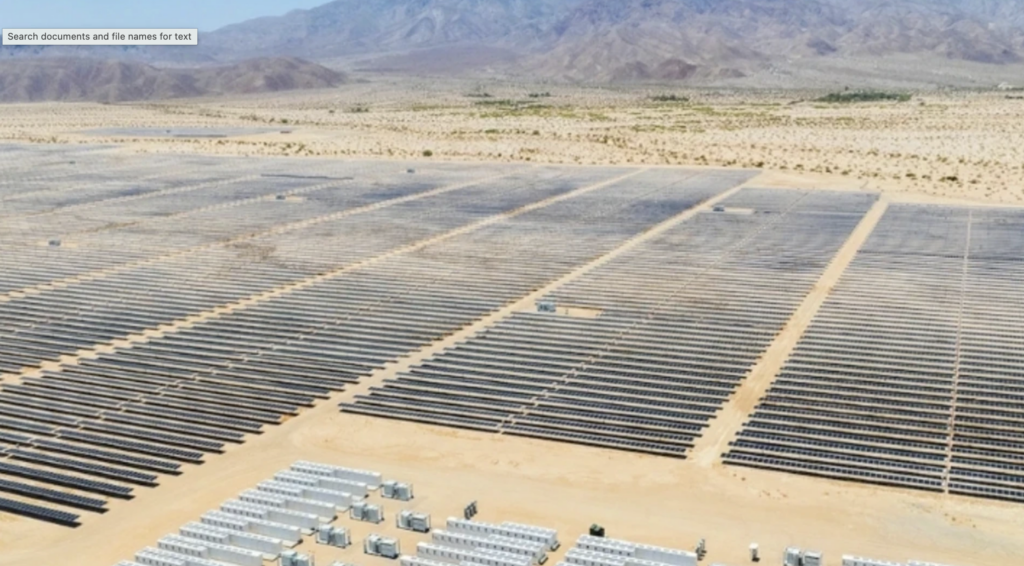
- Solar generation equipment, particularly modules and cells.
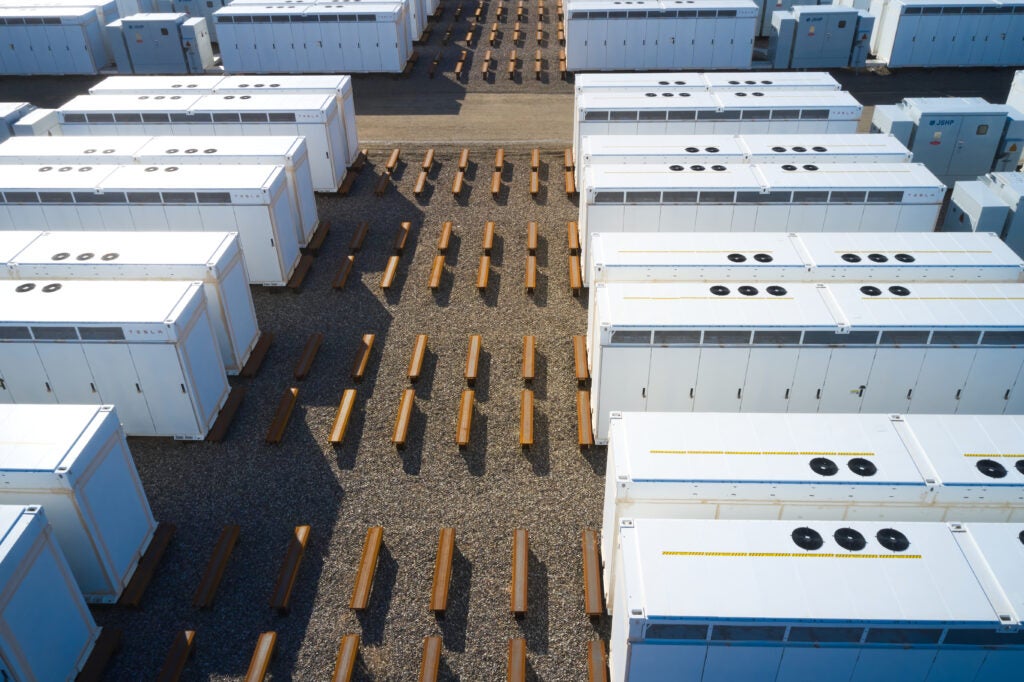
- Battery storage systems, which rely on internationally sourced components.
- Wind energy components, depending on turbine sourcing.
Projects developed or constructed during the period when IEEPA tariffs were imposed may warrant review.
Questions Energy Companies Should Consider
Energy companies evaluating the impact of IEEPA tariffs on their projects may begin by considering several key questions:
- Did the project involve imported equipment subject to tariffs?
- Who served as the importer of record for those imports?
- Do procurement or construction contracts allow tariff costs or refunds to flow through to the project owner?
- Were project costs increased due to tariff-related price adjustments?
- Could tariff refunds affect the tax basis or energy credit calculations associated with the project?
Answering these questions can help determine whether a deeper review is warranted. The good news is that doing your homework can only help since it likely won’t increase project costs but rather save money.
Looking Ahead
The renewable energy sector has experienced significant policy shifts over the past decade—from trade actions and supply chain disruptions, to evolving tax incentives and regulatory requirements. The Supreme Court’s decision regarding IEEPA tariffs adds another dimension to that landscape. For utilities, developers and investors, the ruling may present an opportunity to reassess past project costs and determine whether tariff refunds are available.
Given the scale of capital investment in renewable infrastructure, even modest tariff recoveries could represent meaningful value. At the same time, the contractual, tax and regulatory implications require careful evaluation.
Organizations that proactively review their projects and procurement structures will be better positioned to identify opportunities and manage the downstream impacts of tariff recovery.
—Tom Unke is Managing Principal, Sector Leader—Power and Utilities at Baker Tilly.