A North Carolina-headquartered developer of small modular nuclear power plants announced it has an agreement with the U.S. Dept. of Energy (DOE) for an initiative to build and operate a molten salt reactor.
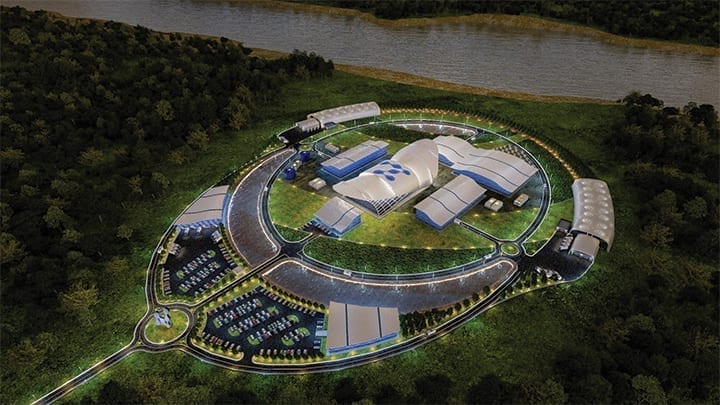
Terrestrial Energy on January 6 said it has executed an Other Transaction Authority, or OTA, deal with the DOE for Project TETRA. Terrestrial calls Project TETRA “a groundbreaking initiative to construct and operate a pilot reactor which will support Integral Molten Salt Reactor (IMSR) plant development.”
Terrestrial on Tuesday said the agreement “marks an important milestone in Terrestrial Energy’s engagement with the Advanced Reactor Pilot Program.” As part of that program, Terrestrial said the company “is targeting IMSR plant deployment facilitated by the DOE’s accelerated authorization of pilot TETRA reactor operation.” The group said DOE authorization will enable a quicker move from design to operation, “laying the groundwork for swift commercialization of IMSR plants.” The company has said it wants to build, license, and commission the first IMSR plants in the early 2030s.
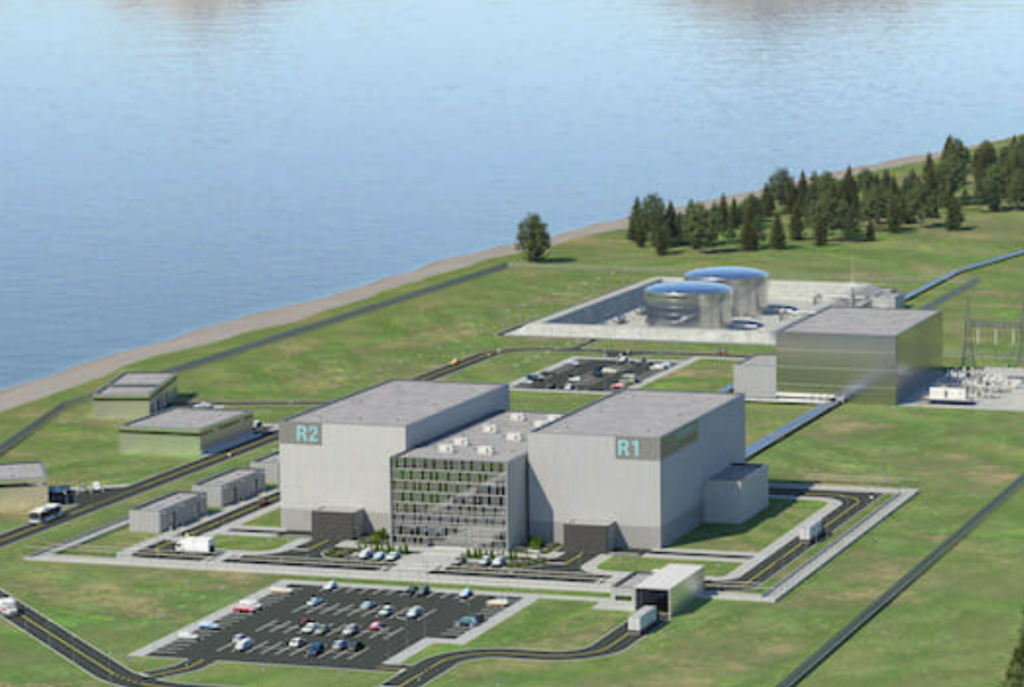
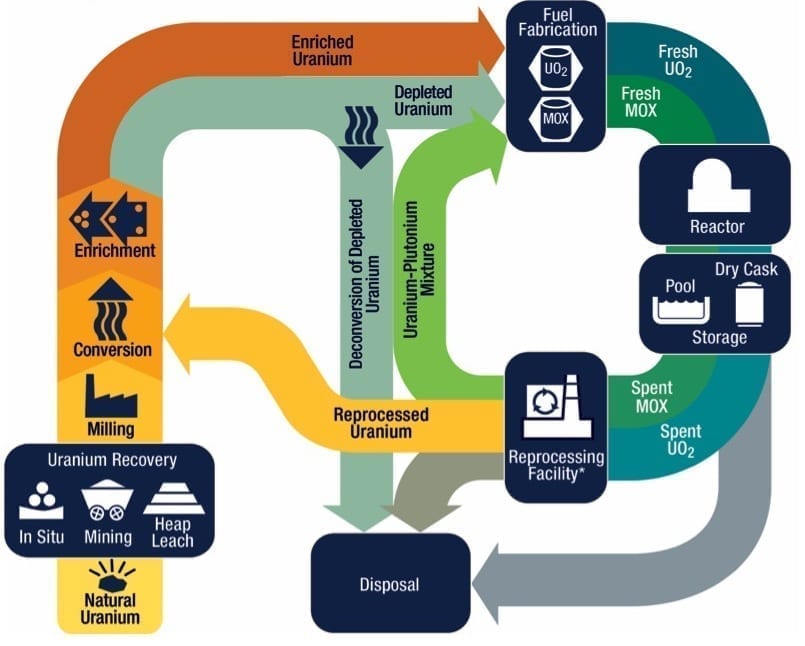
The execution of an OTA supports Terrestrial’s program, which backs IMSR plant commercialization and solidifies the company’s market position in the advanced reactor sector. The group said the agreement “establishes a direct, streamlined collaboration with the DOE to review and authorize the design and safe operation of the TETRA reactor,” which is a molten salt-fueled, graphite-moderated reactor that uses standard assay, low-enriched UF4-based [uranium tetrafluoride] fuel (SALEU) containing less than 5% U-235. The agreement will enable Terrestrial Energy to move quickly from design to operation under DOE authorization, with the ability to operate outside traditional federal contracting constraints. The company said the pact will provide “a flexible and agile framework designed for swift advanced reactor innovation.”
“This OTA is a partnership with the U.S. Department of Energy to accelerate development, licensing, and operation of IMSR plants servicing critical energy needs,” said Simon Irish, CEO of Terrestrial Energy. “The agreement sits on our development center-path, allowing the company to expedite key elements of its program to prepare licensing applications for commercial plant operation. The pilot TETRA reactor project affirms our position as a leading advanced reactor innovator and will demonstrate our ability to deliver the innovations necessary for clean, firm and affordable energy in a competitive timeframe.”
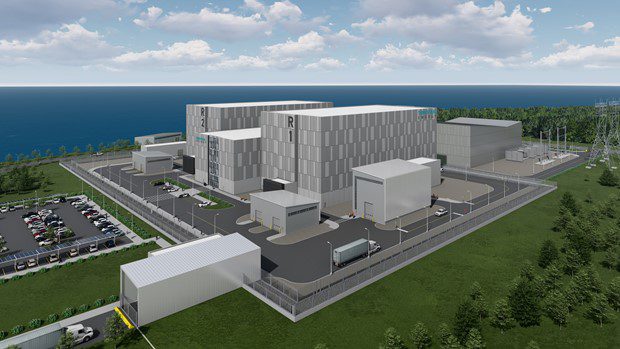
Terrestrial Energy’s commercial IMSR plant is designed to produce 822 MWth (390 MWe) for power generation and industrial heat applications. The reactor’s high-temperature molten salt fuel design “supports electricity generation at superior efficiency and direct thermal delivery for manufacturing, data center operations, and other industrial heat end users,” the company said. The group noted that the use of SALEU fuel “eliminates substantial obstacles from high assay low-enriched (HALEU) fuel dependency, strengthening supply security and enabling rapid scalability with existing U.S. manufacturing infrastructure.” The company said its IMSR technology creates “a short and practical path to low-cost clean firm nuclear energy at scale.”
The Advanced Reactor Pilot Program, established in May 2025, enables the DOE to authorize privately built reactors outside the U.S. national laboratories. It also provides a more streamlined path to regulatory authorization for reactor operation. Terrestrial Energy in September of last year was separately selected for the DOE Fuel Line Pilot Program, part of the DOE’s efforts to expedite commercial operation of small and modular nuclear plants that use advanced reactor technologies.
—Darrell Proctor is a senior editor for POWER.