
Power Demand
-
 Trends
How AI Use Cases from Other Sectors Can Transform Utilities
The AI boom is poised to fuel a rapid—and drastic—surge in electricity demand, placing unprecedented pressure on utilities to modernize their grids, integrate distributed energy resources, and reduce mounting supply chain and customer costs.
-
 Commentary
AI’s Power Crunch: Six Trends That Will Decide Who Wins the Next Decade
For the U.S., keeping up with AI’s insatiable appetite is the biggest systemic risk of the next decade. America needs a massive expansion of power plants, transmission lines, and advanced hardware, while using AI itself to drive grid progress and optimize power distribution.
-
 Trends
How Utilities Can Prepare for the AI-Driven Energy Surge
After more than two decades of relative stasis, electricity demand in the U.S. is expected to increase by 25% by 2030 and by more than 75% by 2050, compared to 2023—a transformation largely driven by the surge in new data centers needed to power the artificial intelligence (AI) boom.
-
 Trends
Microsoft Commits to Full Electricity Cost Recovery in Data Center Communities
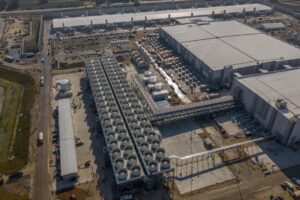
Microsoft has committed to “paying its way” to ensure its data centers will not ramp up residential utility rates, becoming the first major hyperscaler to publicly commit to a comprehensive framework that ties artificial intelligence (AI) data center growth to cost-recovery rate design. The hyperscaler also pledged to advance utility coordination, directly fund grid infrastructure, […]
-
 Renewables
Former Smelter Site Future Home to 1.2-GW Pumped Storage Hydro Project
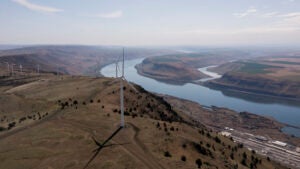
Developers of a new pumped storage hydropower installation in Washington state said the Federal Energy Regulatory Commission (FERC) has issued an operating license for the project. Rye Development, a U.S.-based developer of pumped storage hydropower, and Copenhagen Infrastructure Partners (CIP), on behalf of its Flagship Fund CI V, on January 22 said FERC gave the […]
-
 Interview
The POWER Interview: Grid Integration of DERs
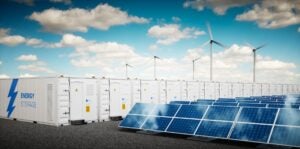
Integrating distributed energy resources (DERs) such as solar, wind, batteries, and electric vehicles into the power grid is an important part of the energy transition. Utilities and transmission system operators know they need more flexibility when it comes to power generation and delivery, which involves modernizing infrastructure, using advanced controls, and developing new market rules to manage two-way power flow.
-
 Commentary
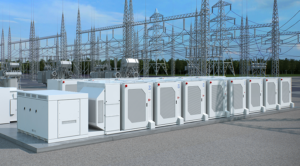
Evolving Technologies, Outdated Regulations Impact Mid-Atlantic Generation Permitting
Energy-generation permitting in the Mid-Atlantic continues to evolve in 2026 not through wholesale deregulation or uniform acceleration, but through procedural and permitting reform and the potential allocation of generation development authority to public utilities. States are enacting these changes to meet the reality of reliability concerns, transmission constraints, large load-growth, and to address frequent obstruction of energy projects by local government.
-
 Data Centers
Data Center Developer, Major Investment Group Plan Gigawatts of New Capacity
A data center development company led by former executives with Amazon Web Services (AWS) has joined with a leading investment group to launch a platform for hyperscale data centers in North America.
-
 Commentary
How AI’s Energy Challenge Is Becoming Its Innovation Engine
As artificial intelligence (AI) models and workloads continue to scale in size and sophistication, their hunger for processing power—and the energy that fuels it—is accelerating faster than any previous wave of digital innovation.
-
 Commentary
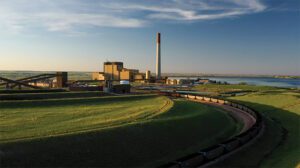
A Simple Way to Prevent Electricity from Becoming Less Affordable
Affordable electricity prices have become a top priority for consumers, policymakers, voters, and elected officials. Electricity prices for the residential, commercial, industrial, and transportation sectors averaged 6.7% higher in September 2025, compared to the same month one year ago. Residential prices alone increased by more than 7%, making it especially challenging for low- and middle-income […]
-
 Data Centers
Liberty Energy Will Develop Gas-Fired Power for Data Center Group
Two Colorado-based groups are partnering to develop power generation solutions for data centers. Liberty Energy, the Denver-based oil and gas company founded by U.S. Energy Secretary Chris Wright, and Vantage Data Centers (also headquartered in Denver) on January 5 announced a partnership to “develop and deliver utility-scale, high-efficiency power solutions,” presumably natural gas-fired units, for Vantage’s continued expansion of its North American portfolio.
-
 Supply Chains
Transformers in 2026: Shortage, Scramble, or Self-Inflicted Crisis?
Analysts still see multi-year deficits in U.S. transformer supply, even as equipment manufacturers invest billions in new factories and advanced manufacturing processes. But some brokers suggest there is no
-
 Trends
The Age of Electricity and 5 Other Forces Reshaping the Global Energy Outlook
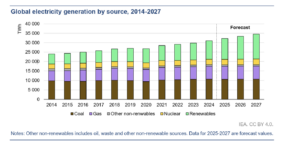
The world has firmly crossed into the “Age of Electricity.” That is a unifying finding in the International Energy Agency’s (IEA’s) 2025 edition of the World Energy Outlook (WEO), which shows a global
-
 Trends
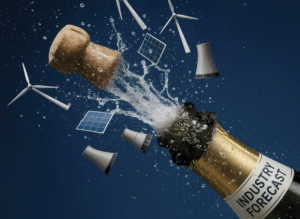
Meeting the Moment: Industry Leaders Chart the Course for Power in 2026
From artificial intelligence-driven efficiency to transmission bottlenecks, power industry insiders share their perspectives on the opportunities and obstacles shaping 2026 and beyond. The power generation
-
 Commentary
Power Generation in the Age of AI: Year-End 2025 Outlook
In early 2020, the prevailing narrative in the power sector was a continuation story of the developments from the decade before: renewable buildout will keep compounding, thermal capacity will keep retiring (albeit at a slower rate), markets will evolve to compensate for flexible generation products, capital will keep moving earlier in the development value chain […]
-
 Data Centers
Data Centers, the Grid, and the Assumptions That Don’t Hold Up
The power sector is grappling with a fundamental mismatch: hyperscale data centers demand electricity at unprecedented speed and scale, while the infrastructure to serve them operates on timelines measured in years, not months. According to Stephen Empedocles, PhD, founder and CEO of Clark Street Associates (CSA), an advisory firm specializing in government funding for technology […]
-
 Data Centers
Amazon Data Centers Aren’t Raising Your Electric Bills—They May Be Lowering Them
[Ed. update 1/6/2026: This article has been updated to include additional context about the scope and methodology of the E3 study referenced herein.] As electricity demand from data centers continues to surge, a persistent question has dogged the industry: Are residential ratepayers footing the bill for massive tech infrastructure? According to Amazon Web Services (AWS) […]
-
 Commentary
AI Is Draining the Grid—and the Power Solution Is Sitting Idle Right Next Door
Data centers are already among the world’s hungriest power users, and artificial intelligence (AI) is pushing their energy consumption to new heights. The International Energy Agency expects data centers’ electricity use to more than double by 2030, reaching roughly 1,000 TWh. That’s a growth rate four times faster than the overall grid. In some scenarios, AI-optimized facilities could […]
-
 Sustainability
Experience POWER
Washington, D.C.Visit our siteExperience POWER Week brings stakeholders across the entire energy value chain (from generation to transmission, distribution, and supply) together in an intimate, solutions-driven environment to learn how to navigate the energy transition while keeping organizational goals on track. Access education focused on new and emerging trends like decarbonization, distributed energy resources, and the hydrogen economy, as well as traditional electric power insights. Share ideas with energy leaders in different sectors. With so many opportunities available at one event, this is where we get what we need to answer the world’s call for a reliable, sustainable energy future.
-
Commentary
The Long Arc of Efficiency: What Refrigerators Teach Us About the Future of AI Data Centers
As AI demand accelerates, the race is on to bend the power curve before it bends the grid. The first electric refrigerators were mechanical curiosities—loud, bulky appliances that consumed staggering amounts of electricity. But they spread anyway, because the productivity gains were too great to ignore. Daily habits shifted. Food systems reshaped. Household labor changed […]
-
 Commentary
Powering the AI Revolution: Why the Energy Race Is the AI Race
The power of U.S. innovation and market incentives cannot be underestimated. The convergence of a business-driven energy transition and the explosive growth of artificial intelligence (AI) have exposed a critical bottleneck within our energy grid.
-
 Legal & Regulatory
Permitting the AI Boom: A New NEPA Landscape for Energy Infrastructure Projects
In the push for more efficient and streamlined permitting processes, recent changes from Congress, the U.S. Supreme Court, and the executive branch have reshaped the National Environmental Policy Act (NEPA) landscape.
-
 Research and Development
INL Taps AWS, GE Vernova, Oil Majors for First MARVEL Microreactor Experiments
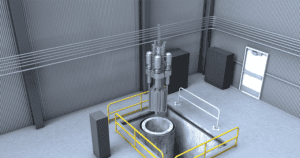
Idaho National Laboratory (INL) has selected the five commercial teams that will potentially demonstrate advanced applications—including data center integration—at its much-watched Microreactor Application Research Validation and Evaluation (MARVEL) platform, an 85-kWth/20-kWe liquid-metal-cooled test bed currently under construction at the lab. The initial selections, unveiled on Dec. 4, mark the “first potential end users for MARVEL,” […]
-
 Coal
CoalHow AI Is Breathing New Life into Aging Coal-Fired Power Assets
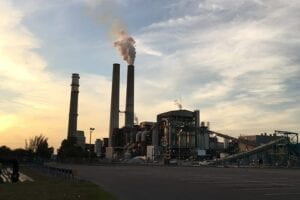
For years, some folks have considered coal-fired power plants relics of a bygone era, overshadowed by the rise of natural gas and renewables. Yet, in an unexpected twist, coal is finding its way back into the
-
 Energy Security
NERC: Winter Grid Reliability at Risk Amid Soaring Demand, Fuel Supply Gaps
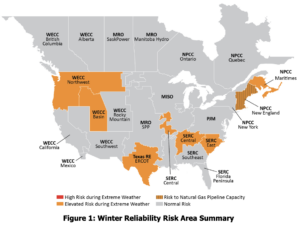
In its recently released Winter Reliability Assessment, the North American Electric Reliability Corporation (NERC) found that while resources are adequate for normal winter peak demand, large swaths of North America face an elevated risk of electricity shortfalls during prolonged, wide-area cold snaps. Noting that four severe Arctic storms have swept across much of the continent since […]
-
 Instrumentation & Controls
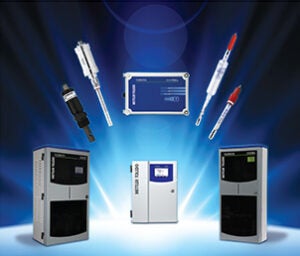
Get the White Paper: Boost Efficiency with Advanced Water Analytics
Sponsored by:Mettler ToledoGlobal shifts in energy demand are prompting power plants to reassess their production and efficiency needs. Energy-intensive AI data centers and increased renewable power loads to grids demand greater plant flexibility. Ramp-up and shutdown cycles require plants to rely more on cycle chemistry analytics to support fluctuations. The loss of personnel expertise due to layoffs […]
-
 T&D
T&DTransmission Lines Will Determine America’s Power Future
For decades, U.S. electricity demand was steady, allowing utilities to plan gradual growth and maintain the grid with modest upgrades. That era is over. The convergence of electric vehicles (EVs), data centers, technology advancements, and population growth and shifting is driving an unprecedented surge in electricity demand. According to the National Electrical Manufacturers Association (NEMA), […]
-
 Business
Procuring Power: Experts Discuss Contract Complexities
Securing a reliable supply of electricity requires plenty of research to balance the risks and rewards of striking a deal.
-
 Interview
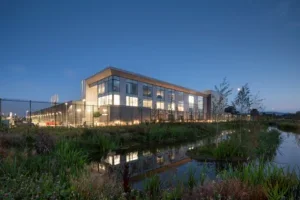
POWER Interview: CyrusOne Expert on How AI Is Reshaping the Data Center–Utility Relationship
CyrusOne’s Jim Roche details how AI-driven workloads, high-density racks, and liquid cooling are transforming the data center–utility relationship. Only a decade ago, few in the power sector could have predicted that the digital economy’s engine—the data center—would become a central concern for utility planners, grid operators, and energy policymakers. For much of its history, data […]
-
 Distributed Energy
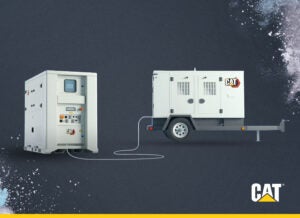
Nothing but the BESS: Why Integrating Temporary Small Batteries Optimizes Your Site
Sponsored by:Caterpillar Electric PowerWith more distributed energy, sharper demand peaks and the push for renewables, today’s energy landscape is more complex than ever. The good news? Battery Energy Storage Systems (BESS) are small, mobile and available to rent or buy from your Cat dealer. Discover how these flexible solutions can help you cut costs, boost efficiency and stay […]