
Climate change
-
 Trends
Seven European Countries Set Ambitious But ‘Necessary’ Target to Decarbonize Power System by 2035
The seven European countries that make up the Pentalateral Energy Forum—Austria, Belgium, France, Germany, Luxembourg, the Netherlands, and Switzerland—will strive for the decarbonization of their interconnected electricity system by 2035. The countries, which form the Pentalateral Energy Forum—a 2005-convened voluntary framework for regional energy cooperation—in a joint statement on Dec. 18 formally concluded, “timely decarbonization […]
-
 Nuclear
U.S. Set to Lead Global Research for Nuclear Fusion
U.S. climate envoy John Kerry said the U.S. is ready to work with other governments on research and development of nuclear fusion, as part of efforts to produce more carbon-free energy and combat climate change. Kerry made the announcement Dec. 5 at the COP28 climate conference in Dubai, United Arab Emirates. Fusion has long been […]
-
 Nuclear
22 Countries, Including U.S., Pledge to Triple Nuclear Power Capacity
The U.S. and 21 other countries have said they want to triple the global generation capacity of nuclear power by mid-century. The pledge, announced Dec. 2 at the United Nations’ COP28 climate summit in Dubai in the United Arab Emirates (UAE), comes as more of the world’s governments say increased use of nuclear power is […]
-
 Coal
CoalTri-State Closing Arizona, Colorado Coal Plants Early, Investing in More Renewables
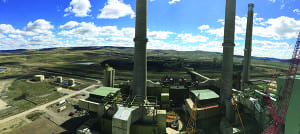
Colorado-based cooperative Tri-State Generation and Transmission Association will accelerate the closure of a coal-fired unit in the northwestern part of the state, and also announced a retirement date for an Arizona coal plant, as part of the utility’s latest electric resource plan (ERP). Tri-State on Dec. 1 also said it wants to acquire at least […]
-
 Coal
CoalIndonesia Outlines Plans for Coal Power, Renewables
Indonesian officials said they would increase their use of renewable energy and move away from coal-fired power generation in order to receive funding from an international public and private decarbonization
-
 Legal & Regulatory
California Climate Bill Targets Business, Utility Emissions
New climate legislation in California, known as the Climate Corporate Data Accountability Act (SB 253), was signed by Gov. Gavin Newsom on Oct. 7. The law—the first of its kind in the U.S.—requires the
-
 Sustainability
How Coal Fly Ash Is Reducing CO2 Emissions and Improving Concrete
Concrete is the most widely used construction material in the world. One of the key ingredients in concrete is Portland cement. The American Concrete Institute explains that Portland cement is a product obtained by pulverizing material consisting of hydraulic calcium silicates to which some calcium sulfate has usually been provided as an interground addition. When […]
-
 Nuclear
America’s Most Powerful Nuclear Reactor Makes a Landmark Revival
Entergy’s Grand Gulf 1—the largest single-unit nuclear power plant in the U.S.—has thrived for four decades by cultivating a culture of continuous improvement, achieving record-breaking performance
-
 Nuclear
The POWER Interview: Nuclear Set to Energize, Decarbonize Industry
A variety of industries are looking at nuclear power as a way to reduce their carbon footprint and provide a reliable source of electricity. Technology companies, along with industries such as mining and shipping, are exploring the use of nuclear energy as a way to cut emissions and electrify their operations. Tech companies such as […]
-
 Sustainability
Five Key Transformations Required to Achieve Net-Zero in the U.S.
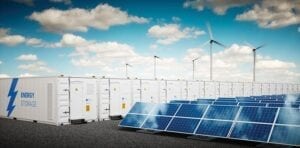
During President Biden’s first year in office, his administration published a document titled “The Long-Term Strategy of the United States: Pathways to Net-Zero Greenhouse Gas Emissions by 2050.” The document says all viable routes to net-zero involve five key transformations. They are: Decarbonize electricity. Electrify end uses and switch to other clean fuels. Cut energy […]
-
 Trends
SRP Shifts from Traditional IRP to ‘Holistic’ Power Planning
Salt River Project (SRP) has become one of the first U.S. utilities to shift from an Integrated Resource Plan (IRP) to an Integrated System Plan (ISP), a “holistic roadmap” that takes into account evolving power system needs, energy affordability, and carbon reduction goals. The pioneering move by the public power entity that provides power and […]
-
 Gas
GasReducing Carbon Intensity with Renewable Propane
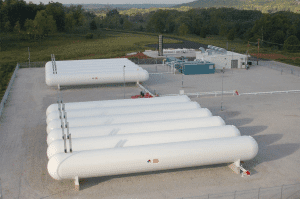
Most propane used in the U.S. today is produced as a byproduct of natural gas processing and crude oil refining, which are not considered “green” technologies. However, renewable propane availability is growing. Renewable propane, like its conventional brother, is commonly made as a byproduct of other fuel production, in its case, often renewable diesel and […]
-
 Commentary
How to Unleash the Climate Action Potential of the IRA
Throughout this past summer, we have seen some of the highest temperatures on Earth on record, and July was possibly the hottest month in more than a century. Wildfire smoke this year has blanketed the East Coast, marine heat waves have buffeted the Southeast, and Antarctic Sea ice has reached record lows. Washington lawmakers can […]
-
 Interview
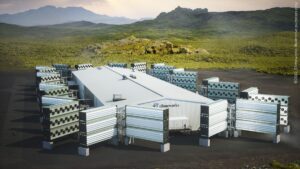
The POWER Interview: Common Misconceptions About Direct Air Capture
The power industry has always evolved to meet the rising energy demands of communities across the U.S. That demand is now shifting from energy powered by fossil fuels to greener alternatives that can help the world reach its goal of keeping global warming under 1.5C. The latest report from IPCC, the Intergovernmental Panel on Climate […]
-
 O&M
O&MHow Power Companies Benefit from Accurate Weather Forecasts
It’s pretty easy to understand how the weather affects certain forms of power generation and infrastructure. Sunlight is obviously needed to generate solar power, wind is required to produce wind energy, and extreme storms of all kinds can wreak havoc on transmission and distribution lines, and other energy-related assets. Therefore, having accurate and constantly updated […]
-
 Energy Security
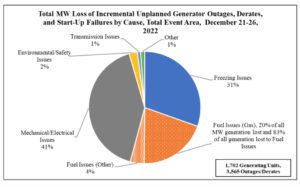
FERC, NERC Reveal Disturbing Details from Winter Storm Elliott Inquiry
Incremental unplanned generation outages triggered during Winter Storm Elliott spiked to 90.5 GW—significantly more than the 61.8 GW during Winter Storm Uri in 2021—representing 13% of the U.S. portion of anticipated resources in the Eastern Interconnection. That finding, one of many disturbing details unveiled by the Federal Energy Regulatory Commission (FERC) and North American Electric […]
-
 Nuclear
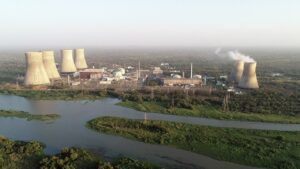
India Begins Commercial Operation of First Domestically Designed 700-MWe PHWR Nuclear Reactor
India has begun commercial operation of its first domestically designed 700-MWe pressurized heavy water reactor (PHWR) at the Kakrapar nuclear power plant in Gujarat, state-owned Nuclear Power Corp. of India Ltd. (NPCIL) reported on Aug. 30. Commercial operation of Unit 3 at Kakrapar Atomic Power Project, which is located near the city of Vyara in the […]
-
 Trends
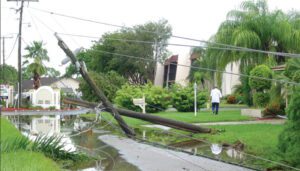
Lessening the Impacts of Extreme Weather—How Utilities Should Be Preparing
Climate change is a threat multiplier. Clean-up costs are ballooning and natural disasters are growing more expensive. In 2022 alone there were 18 natural disasters that caused more than $1 billion in damage, up from only three events in 1980. These are taking a bigger bite out of the energy sector’s operating costs and profits, […]
-
 Hydrogen
Moving Toward a Hydrogen Economy in the U.S. and Beyond
While using low-carbon hydrogen is not a viable economic option in most markets today, the wheels are set in motion for hydrogen to support the decarbonization of the world’s energy supply. It is a journey
-
 Nuclear
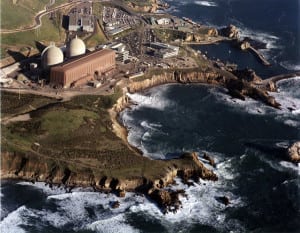
Judge Rejects Lawsuit Challenging California Nuclear Plant’s Operations
A California judge rejected a lawsuit from an environmental group seeking to keep Pacific Gas & Electric (PG&E) from extending the operating life of the Diablo Canyon nuclear power plant. The judge on August 24 said a move by California lawmakers last year to extend the plant’s lifespan as part of the state’s regulatory oversight […]
-
 Electrification
Nuclear Power, Electrification, and Carbon-Free Fuel Are Key to INL Achieving Net-Zero by 2031
In 2021, Idaho National Laboratory (INL) Director John Wagner set a lofty goal for the lab to achieve net-zero carbon emissions within 10 years. An uninformed observer might think that would be an easy task for an organization as focused on energy as INL, but it’s important to recognize that the lab is spread over […]
-
 Climate change
The Growing Importance of Carbon Capture
Carbon dioxide removal (CDR) technologies have long been seen as a tool to tackle climate chaos, but the potential was largely theoretical. Two projects at Sleipner and Snohvit off the coast of Norway have been capturing and safely storing millions of tons of CO2 for 27 years and 15 years, respectively, but overall deployment has […]
-
 Gas
GasCould SCR Catalyst Technology Adoption Be a Roadmap for Power Plants Seeking Economical and Efficient CO2 Point-Source Solutions?
As the quest to develop a net-zero carbon emissions electricity grid marches on, global entities like the International Energy Agency (IEA) increasingly point to a big role for carbon capture, utilization, and storage (CCUS). The IEA goes so far as to say reaching net-zero will be nearly impossible without CCUS. Proposed governmental greenhouse gas emissions […]
-
 Legal & Regulatory
Empty Space—Navigating the Void of Pore Space Regulation in Texas
The Inflation Reduction Act (IRA) has spurred investment in carbon capture and sequestration (CCS), a key tool for decarbonization, by significantly increasing the tax credit for permanently sequestering carbon dioxide. However, many states lack comprehensive laws necessary for CCS projects to attract investment. That includes Texas, a global energy capital that boasts high storage potential. Regulatory […]
-
 Hydrogen
Hydrogen Offers a ‘Multi-Billion-Dollar Opportunity’ This Decade for Innovative Companies
Hydrogen demand throughout the world reached 94 million metric tons in 2021, according to the International Energy Agency’s (IEA’s) Global Hydrogen Review 2022, an annual report issued by the IEA in late September last year. Demand for new applications grew to about 40,000 metric tons (up 60% from 2020, albeit from a low base). Notably, […]
-
 O&M
O&MHot Weather: How to Maintain Power Plant Readiness and Reliable Operation
Extreme temperature and weather events have become more prevalent in the past decade. In fact, July 2023 is shaping up to be “the hottest single month on Earth on record, and possibly in more than 100,000 years,” according to an article published by The Washington Post. The article, published on July 20, says, “Every day […]
-
 Nuclear
How to Achieve a Thriving Nuclear Power Industry in the U.S.
There are many reasons to be excited about the U.S. nuclear power industry and its potential for growth. For activists focused on climate change, its carbon-free attribute makes it a viable long-term power resource. Additionally, its around-the-clock generating capability makes it a vital option in a world increasingly filled with intermittent renewables. Furthermore, new technology […]
-
 O&M
O&MElectric Utility Protocols Can Mitigate Impacts from Wildfires
As the frequency and intensity of wildfires continue to increase across the U.S., electric utilities face unprecedented challenges in maintaining a reliable power supply and keeping communities safe. In
-
 Commentary
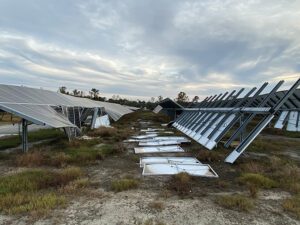
Renewable Energy Insurers Trying to Limit Coverage for Severe Convective Storms
Severe convective storms, also known as severe thunderstorms, may not generate the same headlines as hurricanes, but these storms can pose a greater threat to inland solar and wind energy projects. The
-
 Nuclear
Finnish Group Touts Nuclear Reactor for District Heating
A Finnish group announced construction of a reactor-based heating plant that would provide residential and district heating, saying the project would advance the district energy model and support decarbonization and electrification in Europe as more countries move away from the use of fossil fuels for energy. Steady Energy, a company spun out of the VTT […]