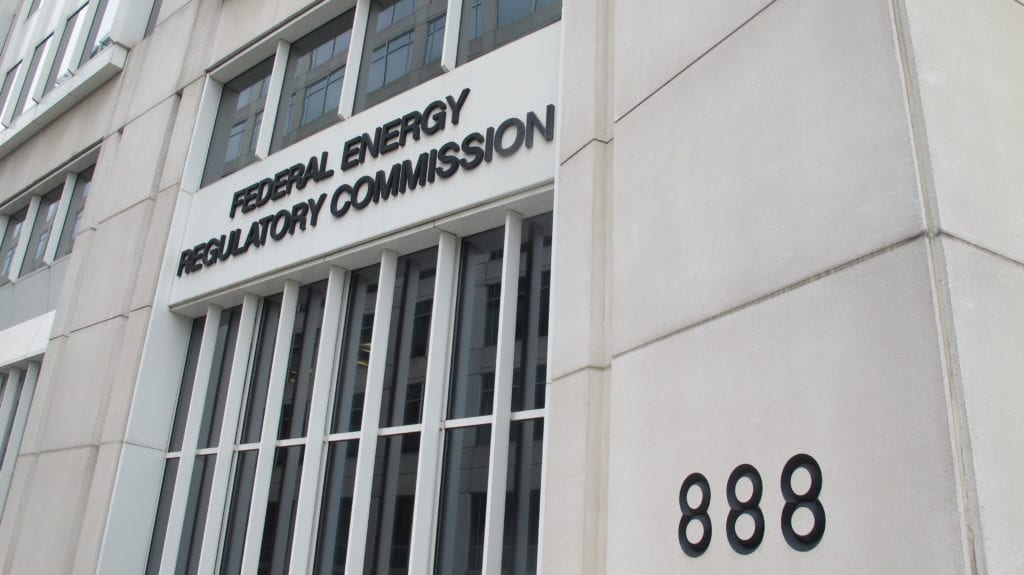
The Federal Energy Regulatory Commission (FERC or the Commission) on February 19 of this year issued an Order on Rehearing and Clarification ruling that qualifying facilities (QFs) that are 20 MW or smaller cannot rely on their exemption from Federal Power Act (FPA) Sections 205 and 206 during periods when their Form No. 556 certifications are outdated due to any material changes from the original certification, such as changes in upstream ownership. The opinion is Branch Street Solar Partners, LLC, et al., 194 FERC ¶ 61,124 (2026).
COMMENTARY
The Commission held that seven solar QFs were required to pay time-value refunds for all revenues collected between when upstream ownership changes occurred and the filing of updated QF certifications, which ranged from roughly six months to one year.
FERC’s order makes clear that QF owners should not allow material changes–including changes in upstream ownership—to occur prior to filing an updated Form No. 556. There is no grace period for filing a recertification after such changes; QFs cannot rely on their prior certifications (and associated Federal Power Act exemptions) when a material change occurs and until a recertification is filed. Note that the Commission did reference continued exemption of the Public Utility Holding Company Act (PUHCA) during the period of non-compliance, and this order therefore does not suggest that a facility would immediately lose its QF-based PUHCA exemption, so long as the facility still meets the requirements to be a QF.
Facilities that make wholesale sales during such periods of non-compliance may be required to disgorge the time value of all revenues collected during that period if they do not otherwise have market-based rate authority, with interest accruing through the time refunds are issued. As such, QF owners should confirm that their most recent Form 556 contains up-to-date information, including upstream ownership, to avoid potentially costly refund obligations.
Background
Between 2019 and 2020, Goldman Sachs Renewable Power LLC (now MN8 Energy LLC) acquired seven small solar QFs from MIC Renewable Energy Holdings, LLC. Following the acquisitions, the facilities filed updated Form No. 556s to reflect the ownership changes, but these filings were submitted between six months and roughly one year after the acquisitions occurred.
In November 2024, the facilities filed Refund Reports to address the filing delays, though they expressly reserved the right to argue that they did not lose QF status during the delay period. In June 2025, FERC rejected the Refund Reports and ordered the facilities to recalculate and file revised refund reports using the methodology set forth in its Prior Notice policy statement. The facilities sought rehearing and clarification of that order.
FERC’s Holdings: QFs Lose Their FPA Exemptions After Material Changes
Under 18 C.F.R. § 292.207(f)(1)(i), once a QF fails to conform with any material facts or representations in its Form No. 556, the facility’s certification “may no longer be relied upon.” Since Order No. 671 in 2006, the Commission has required submission of a certification containing accurate information to establish QF status, and previous certifications cannot be relied upon if there is a change in material facts—including ownership changes.
The facilities argued that prior Commission precedent established that QFs do not lose their status merely due to a delay in recertification. The Commission distinguished the cases cited and held that the “may no longer be relied upon” language means that QFs lose the benefits of Section 205 exemption during the period in which the Form No. 556 information is outdated.
Refunds Are Required for Sales Made Without FPA Section 205 Authorization
QFs that are 20 MW or smaller are exempt from FPA Sections 205 and 206, but this exemption applies only if the facility has a valid certification on file. By failing to timely recertify, the facilities—which ranged from approximately 1.5 MW to 20 MW—could no longer rely on their self-certifications and thus made wholesale sales without the benefit of the QF exemption from FPA Section 205.
Interest Continues to Accrue Until Refunds Are Paid
The facilities requested that interest stop accruing as of the date they filed their Refund Reports (November 14, 2024) and that interest would not accrue during any judicial review. The Commission denied both requests, holding that interest on the total amounts received (not just on any interest owed) will continue to accrue until refunds calculated consistent with 18 C.F.R. § 35.19a have been paid.
Implications for QF Owners
- Prior or immediate recertification is essential. If possible, QF owners should file an updated Form No. 556 at the time of any material change, including changes in ownership. Delays of even several months can result in a refund obligation.
- Ownership changes trigger recertification. A change in ownership in which an owner increases its equity interest by at least 10% from the equity interest previously reported is considered a material change requiring recertification.
- The exemption from FPA Section 205 is not self-executing. QFs 20 MW or smaller must maintain a valid, current certification to benefit from the exemption from FPA Sections 205 and 206. Without a valid certification, wholesale sales are subject to Commission jurisdiction and filing requirements. QFs larger than 20 MW are not exempt from FPA Section 205 and should possess market-based rate authority.
- Refund liability can be substantial. Refunds are calculated as the time value of all revenues collected during the period of non-compliance, with interest accruing from the date of collection until refunds are paid. For facilities that have been out of compliance for extended periods, this can result in large financial liabilities.
- There is no grace period or cure period. The Commission declined to establish a grace period for recertification and noted that compliance has been required since Order No. 671 was issued in 2006.
Conclusion
While this decision represents a departure from historical industry understanding and practice regarding QF recertifications, Branch Street Solar Partners is the law unless and until overturned.
QF status, and the critical exemptions that come with it, depend on maintaining current and accurate certification information on file with the Commission. Owners who acquire small QFs or make material changes to their facilities should prioritize timely recertification to avoid potential refund liability.
Given the Commission’s firm stance in this proceeding, QF owners should review their Form No. 556 filings to ensure they reflect current ownership and operational information.
—Maxwell Multer is counsel in Nixon Peabody’s Project Finance & Public Finance practice.